Table of Contents >> Show >> Hide
- What Are Cinnamon Dough Ornaments?
- Ingredients and Supplies
- A Reliable Cinnamon Dough “Recipe” (That Isn’t Fussy)
- Step-by-Step: How to Make Cinnamon Dough Ornaments
- Decorating Ideas That Look Intentional (Even If You’re Winging It)
- How to Make Them Last: Sealing, Storage, and Mold Prevention
- Troubleshooting: When Your Dough Has “Opinions”
- Safety Notes (Because Cinnamon Is Cozy, Not Invincible)
- Final Thoughts: A Craft That Feels Like a Tradition
- +: Real-World Cinnamon Dough Ornament Experiences (What People Learn Fast)
Some holiday crafts look cute. Some holiday crafts smell cute. Cinnamon dough ornaments do bothwhile also making your kitchen feel like a cookie bakery that accidentally took a wrong turn into “DIY workshop.” If you’ve ever wanted ornaments that look like gingerbread, smell like December, and cost less than a fancy coffee, this is your moment.
These ornaments are a classic American winter craft: mix ground cinnamon with applesauce (optionally add a little white glue for strength), roll it out, cut shapes, dry them slowly, and decorate. The best part is how forgiving the process is. The worst part is how cinnamon dust will attempt to move into your nostrils and claim squatter’s rights. (We’ll prevent that.)
What Are Cinnamon Dough Ornaments?
Cinnamon dough ornaments are scented, non-edible decorations made from a simple “clay” of ground cinnamon and applesauce. The dough cuts like cookie dough, dries into a firm ornament, and keeps a warm, spicy aroma that feels instantly nostalgic. Many recipes also include a small amount of white school glue to make ornaments sturdier and less crumblygreat if you want them to last for years instead of until your cat gives them “one curious chomp.”
You’ll see them called applesauce cinnamon ornaments, cinnamon clay ornaments, or no-bake spice ornaments. Same idea, different vibe. “Cinnamon clay” sounds fancy. “Cinnamon dough” sounds like you’re about to bake cookies. Either way, you’re making holiday magic with pantry staples.
Ingredients and Supplies
The pantry basics
- Ground cinnamon (fresh-ish is best for aroma and texture)
- Unsweetened applesauce (smooth applesauce mixes easiest)
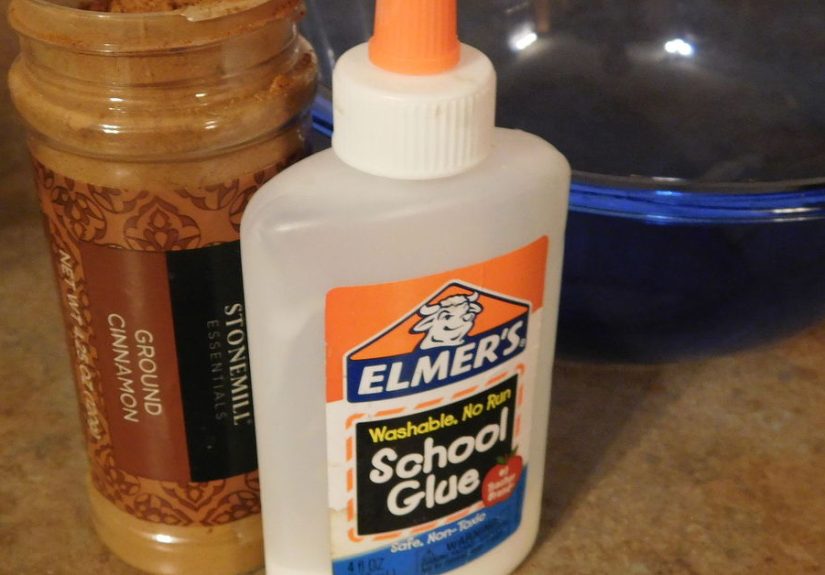
- Optional: White school glue (adds durability; makes ornaments inedible)
- Optional: Ground cloves, nutmeg, or allspice (adds depth and a “holiday candle aisle” vibe)
Tools that make life easier
- Mixing bowl (or a stand mixer if you’re brave and careful about cinnamon dust)
- Rolling pin
- Parchment paper, wax paper, or plastic wrap (for rolling without sticking)
- Cookie cutters (classic shapes, letters, or anything that sparks joy)
- Straw, skewer, or pencil (to punch hanging holes)
- Baking sheet and wire rack (helpful for oven drying and airflow)
- Ribbon, twine, or ornament hooks
- Decorating supplies (puffy paint, paint markers, glue + glitter, beads, etc.)
A Reliable Cinnamon Dough “Recipe” (That Isn’t Fussy)
Here’s the truth: cinnamon brands vary, applesauce thickness varies, and humidity has opinions. So instead of a rigid recipe that pretends your kitchen is a controlled laboratory, use a starting ratio and adjust until the dough behaves.
Option A: Classic two-ingredient dough (simple, more delicate)
- About 1 cup ground cinnamon
- About 3/4 to 1 cup applesauce
Mix and adjust until you get a firm, workable dough that holds together when squeezed. If it’s sticky, add more cinnamon. If it’s dry and crumbly, add applesauce one tablespoon at a time.
Option B: Three-ingredient dough (sturdier, longer-lasting)
- About 1 cup ground cinnamon
- About 3/4 cup applesauce (plus a little more if needed)
- 2 tablespoons white school glue (for strength)
This version tends to be smoother and less prone to snapping. It’s the best choice for keepsake ornaments, shipping as gifts, or homes with enthusiastic kids/pets who treat decorations as “interactive exhibits.”
Dough goal: It should feel like stiff cookie doughfirm, not wet, not powdery. When you press it, it should hold its shape without oozing applesauce or falling apart like a cinnamon sandcastle.
Step-by-Step: How to Make Cinnamon Dough Ornaments
1) Mix the dough (without creating a cinnamon tornado)
- Start with cinnamon in a bowl.
- Add applesauce (and glue, if using).
- Mix with a spoon until it gets too thick, then switch to clean hands and knead until smooth.
Pro move: If you use a stand mixer, cover it loosely with a damp towel before turning it on. Cinnamon powder is lightweight and loves to become airborne at the worst possible moment.
2) Roll it out (the “cookie dough” moment)
Roll the dough between two sheets of parchment paper, wax paper, or plastic wrap. This prevents sticking and keeps your counter from smelling like cinnamon forever (unless that’s your entire personalityno judgment).
Thickness sweet spot: Aim for 1/4 inch to 3/8 inch. Thinner ornaments dry faster and look delicate but break more easily. Thicker ornaments are sturdier but take longer to dry fully.
3) Cut shapes (stars, trees, or your dog’s silhouettelive your truth)
Press cookie cutters firmly and lift the cutouts with a thin spatula if needed. If edges look rough, smooth them gently with a fingertip before drying. You can also lightly “sand” edges later once fully dry, but smoothing early saves time.
4) Punch a hole (do it now, not later)
Use a straw, skewer, or pencil to make a hanging hole near the topleave enough space so it won’t tear. Make the hole before drying. Once hardened, the dough becomes too firm and you’ll risk cracking the ornament.
5) Dry the ornaments (slow and steady wins the no-mold trophy)
Drying is where cinnamon dough ornaments go from “adorable” to “actually usable.” The key is removing moisture all the way through.
Drying Method A: Oven-dry (fastest)
- Place ornaments on a parchment-lined baking sheet. Even better: set them on a wire rack on top of a baking sheet for better airflow.
- Dry at about 200°F for 1.5 to 2.5 hours, depending on thickness.
- Flip halfway through. If they curl, gently press them flatter during drying.
- Let cool completely on a rack.
How to know they’re done: Tap lightly and check for any soft or dark “moist” spots. If the center stays damp, the ornament can mold laterlike a tiny cinnamon science experiment nobody asked for.
Drying Method B: Air-dry (slow, gentle, great for avoiding cracks)
- Place ornaments on a wire rack or breathable surface.
- Let them dry for 1 to 4 days, flipping occasionally.
- Air-drying works best in dry climates and temperature-controlled rooms.
Drying Method C: Dehydrator (the “I own gadgets” flex)
If you have a dehydrator, you can dry ornaments in several hours. This method can reduce curling compared to oven drying and is a nice option when your oven is busy doing actual food things.
Decorating Ideas That Look Intentional (Even If You’re Winging It)
You can leave cinnamon dough ornaments plain for a rustic “gingerbread aesthetic.” Or you can decorate them until they sparkle like a holiday musical. Both are valid.
Faux-iced gingerbread look
- Puffy paint for raised “icing” lines (snowflakes, scallops, dots)
- Opaque paint markers for clean details and names
- White glue + fine glitter for a frosted effect
Personalized gift-tag ornaments
- Use letter cutters for initials
- Write the year on the back
- Tie onto wrapped gifts with twine
These double as decor and keepsake labelslike a Hallmark movie, but with fewer dramatic misunderstandings about small-town bakeries.
Nature-inspired “natural holiday decor”
- Pair with dried orange slices or bay leaves on garlands
- Add small sprigs of faux greenery or tiny bells to the ribbon
- Keep shapes simple: stars, hearts, trees, snowflakes
How to Make Them Last: Sealing, Storage, and Mold Prevention
Cinnamon dough ornaments can last for years, but they’re still made of organic materials. Treat them like delicate keepsakes, not like plastic ornaments you can toss into a bin like a basketball.
Dry completely (seriouslythis is the whole game)
If an ornament feels cool or slightly soft in the center, it’s not fully dry yet. Give it more time. Many “mold stories” start with “I was sure it was dry…” and end with “It grew a personality.”
Consider sealing in humid climates
If you live somewhere humid (or you store decorations in damp places), sealing helps protect against moisture. A thin coat of craft sealer or decoupage-style sealant can help. Test on one ornament first, because some finishes deepen the color.
Store like a cautious adult who owns labels
- Use a tight-lid container in a temperature-controlled space (not an attic, garage, or damp basement).
- Layer ornaments with parchment or tissue paper so they don’t rub and crumble.
- Pad them gentlythese are sturdy enough for a tree, not sturdy enough for chaos.
Bonus: toss in a small note with the year and who made them. Future-you will appreciate the memory boost.
Troubleshooting: When Your Dough Has “Opinions”
The dough is too sticky
- Add cinnamon a tablespoon at a time.
- Roll between parchment or plastic wrap to reduce sticking.
The dough cracks or crumbles when rolling
- Knead longer to warm it up and distribute moisture.
- Add applesauce (or a tiny bit of glue, if using) one tablespoon at a time.
Ornaments curl in the oven
- Flip them periodically and gently press flatter while they’re still warm.
- Dry on a rack for more even airflow.
They smell amazing… then fade later
- That’s normal over time.
- You can refresh the scent lightly, but be cautious with essential oilsespecially around pets and kids. (More on that below.)
Safety Notes (Because Cinnamon Is Cozy, Not Invincible)
- Not edible: If you add glue (and many people do), ornaments are decorative only.
- Dust caution: Cinnamon powder can irritate if inhaled. Mix gently and avoid creating a cinnamon cloud.
- Pets: Keep ornaments out of reach. Cinnamon powder and especially cinnamon essential oils can be problematic for pets in larger exposures. Hanging ornaments high and storing them securely prevents “snack-time misunderstandings.”
- Small parts: If you decorate with beads, bells, or glitter, supervise young kids and keep choking hazards in mind.
Final Thoughts: A Craft That Feels Like a Tradition
Cinnamon dough ornaments are one of those rare DIY projects that check every box: inexpensive, easy, customizable, kid-friendly, giftable, and legitimately charming. They’re also forgivingif one cracks, congratulations, you just invented a “rustic vintage” ornament. If one looks weird, it becomes the family’s favorite because it’s weird. That’s how traditions work.
Make a batch, write the year on the back, and hang them where the lights catch the cinnamon-brown glow. They’ll look like gingerbread, smell like the holidays, and quietly remind you that the best decorations are the ones with a story (and maybe a slightly lopsided star).
+: Real-World Cinnamon Dough Ornament Experiences (What People Learn Fast)
Ask anyone who’s made cinnamon dough ornaments more than once and you’ll hear the same theme: the first batch is about the craft, and every batch after that is about the moment. The cinnamon smell starts instantlyusually right when someone walks into the kitchen and announces, “What are you baking?” which is funny, because you’re baking absolutely nothing edible (unless you count compliments).
One common “experience upgrade” is turning the process into a mini assembly line. Someone mixes and kneads (the messy job), someone rolls (the satisfying job), and someone cuts shapes (the job where people get bold). That’s when you see the personality of the group come out. The practical person cuts neat stars and trees. The chaotic creative makes a dinosaur. Someone tries to cut a perfect heart and ends up with something that looks like a potato wearing feelings. All of those shapes become keepsakes, because perfection was never the point.
Then comes the moment of truth: drying. This is where patience becomes a holiday virtue. Many crafters learn that “dry” doesn’t mean “feels okay on top.” It means “dry all the way through,” which is why slow dryinglow oven heat, flipping, time on a rackturns into the difference between ornaments that last years and ornaments that crumble like cinnamon sand the second you thread ribbon through the hole. People also learn quickly that thicker ornaments are sturdier but require longer drying. In other words, you can have “chunky and durable,” or “thin and elegant,” but you can’t have “chunky, durable, and instantly done” unless you possess wizard powers.
Decorating becomes its own kind of memory-making. Some families go full faux-gingerbread with puffy paint “icing” and tiny dots, and the table looks like a festive art studio. Others keep it minimal: plain ornaments, twine, maybe a handwritten year on the back. Both approaches feel special because they match the maker. A particularly sweet tradition is personalizing ornaments as gift topperseach present gets a cinnamon ornament that doubles as a name tag. Later, the recipient hangs it on their tree and remembers exactly whose handwriting labeled it (and who got glitter on the dog).
There’s also a very relatable learning curve with cinnamon dust. People figure out fast that stirring too aggressively can create a spicy cloud that makes everyone cough like they’re auditioning for a winter cough drop commercial. The fix is simple: mix gently, knead with hands, and if you’re using a mixer, cover it so the cinnamon stays in the bowl instead of taking a scenic tour of your kitchen. The “experienced” makers also keep a damp paper towel nearby to wipe surfaces quickly, because cinnamon is polite in scent but persistent in cleanup.
Finally, there’s the best part: the finished ornaments don’t just decorate a tree. They signal the season. When you open the storage container the next year and catch that faint cinnamon smell, it’s like time travelback to laughter, music, flourless “cookies,” and a kitchen that felt warm even if the weather outside was doing its dramatic winter thing. That’s why people keep making them. The ornaments are cute, sure. But the experience is the real keepsake.