Table of Contents >> Show >> Hide
- What Is a Classic Woven Wool Blanket?
- Why Wool Has Been Loved for Generations
- Popular Types of Wool Used in Blankets
- What Makes a Woven Wool Blanket “Classic”?
- Best Places to Use a Classic Woven Wool Blanket
- How to Choose the Right Wool Blanket
- Classic Woven Wool Blanket Styling Ideas
- How to Care for a Woven Wool Blanket
- Common Mistakes to Avoid
- Why a Wool Blanket Is Worth the Investment
- Sustainability and Natural Materials
- Classic Woven Wool Blanket Experiences: Real-Life Comfort That Earns Its Place
- Conclusion: A Timeless Blanket for Modern Living
A classic woven wool blanket is one of those household objects that quietly earns its keep. It does not beep, glow, sync to an app, or require a firmware update at 2 a.m. It simply waits on the sofa, bed, reading chair, porch swing, or guest-room bench until someone says, “Why is it suddenly freezing in here?” Then it becomes the hero of the evening.
There is a reason wool blankets have lasted through mountain cabins, coastal cottages, military camps, farmhouse bedrooms, luxury hotels, and modern minimalist apartments. A well-made woven wool blanket offers warmth without feeling smothering, texture without looking fussy, and durability without screaming, “I was purchased for practical reasons only.” It is cozy, handsome, and refreshingly low-dramabasically the golden retriever of home textiles.
Whether you are choosing a wool throw for your living room, a full-size wool bed blanket, or an heirloom-quality piece you hope your family will fight over politely someday, understanding the basics can help you pick the right one. This guide explores what makes a classic woven wool blanket special, how to style it, how to care for it, and why this traditional textile still feels surprisingly modern.
What Is a Classic Woven Wool Blanket?
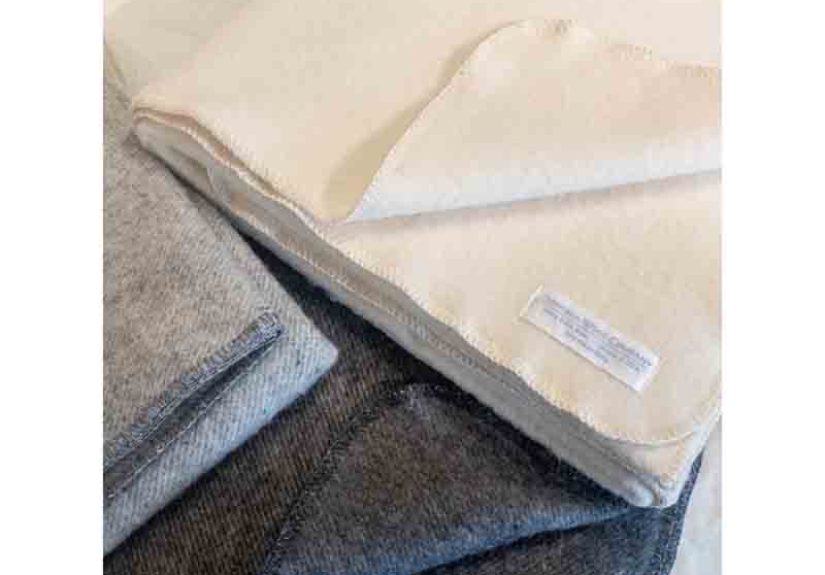
A classic woven wool blanket is a blanket made primarily from wool yarns that are interlaced on a loom rather than knitted, tufted, or filled like a comforter. The woven structure gives the blanket strength, shape, and that familiar substantial hand feel. Depending on the design, it may be smooth and tightly woven, brushed for extra loft, finished with whipstitched edges, or trimmed with fringe.
The word “classic” matters here. It usually points to timeless qualities: natural fibers, traditional craftsmanship, useful weight, clean patterns, and colors that can survive changing trends. Think stripes, plaids, solids, windowpane checks, camp-inspired motifs, herringbone, and earth-toned neutrals. A classic woven wool blanket does not need to shout. It knows it looks good.
Why Wool Has Been Loved for Generations
Wool is not just warm because people say so in cozy cabin brochures. Its structure is genuinely useful. Wool fibers naturally crimp, creating tiny air pockets that help trap warmth. At the same time, wool can manage moisture better than many synthetic fibers, which helps it feel comfortable in changing temperatures. That is why a wool blanket can be useful on a cold winter night, during a crisp fall evening, or even beside an open window when spring is being dramatic.
Wool is also naturally resilient. The fibers can bend and bounce back, which helps a blanket maintain its shape over time. It resists odors better than many materials, making it especially useful for throws that live on sofas, in guest rooms, or near fireplaces. Wool is also naturally flame resistant, which is one reason it has long been used in outdoor, military, and utility blankets.
Of course, wool is not magic. It still needs proper care. It can shrink, felt, or become misshapen if washed too aggressively. But treated kindly, a woven wool blanket can serve for yearsor decadeswithout losing its charm.
Popular Types of Wool Used in Blankets
Merino Wool
Merino wool is known for its softness and fine fibers. A merino wool blanket often feels smoother against the skin than coarser wool types, making it a strong choice for bedrooms, reading nooks, and anyone who loves warmth but dislikes scratchiness. Merino blankets can be lightweight yet insulating, which makes them versatile across seasons.
Lambswool
Lambswool comes from a sheep’s first shearing, giving it a soft and delicate texture. It is prized for throws and decorative blankets because it feels plush and refined. A lambswool blanket can bring a quiet sense of luxury to a sofa or bed without looking like it is trying too hard.
Virgin Wool
Virgin wool refers to wool that has not been previously used or recycled. It is often valued for strength, loft, and warmth. Many classic bed blankets and camp blankets use virgin wool because it offers a sturdy, reliable feel.
Recycled Wool
Recycled wool uses reclaimed fibers, often blended with other fibers to improve durability or texture. It can be an appealing option for shoppers who want a more resource-conscious blanket. The feel can vary depending on the blend and finishing process, so it is worth checking product details carefully.
Wool Blends
Not every woven wool blanket is 100% wool. Some are blended with cotton, nylon, polyester, or other fibers. A small amount of synthetic fiber can improve strength or reduce cost, while cotton can soften the hand feel. Purists may prefer all-wool construction, but blends can still be practical and beautiful.
What Makes a Woven Wool Blanket “Classic”?
A classic woven wool blanket usually has a few defining traits. First, it has a balanced weight. It feels substantial in your hands but not like you are sleeping under a polite anvil. Second, it has a timeless pattern or color. Navy, cream, camel, charcoal, forest green, rust, burgundy, and soft gray are common choices because they work in many interiors.
Third, the weave is dependable. A tight weave generally gives a smoother, more structured look, while a looser weave may feel airier and more relaxed. Brushed wool blankets are finished to raise the fibers, creating a softer, fuzzier surface. Flat-woven styles can look crisp and tailored. Neither is automatically better; it depends on how you plan to use the blanket.
Finally, a classic wool blanket has staying power. It should look just as appropriate in a lakeside cabin as it does in a modern apartment. Good design does not expire after one season. It simply moves from the bed to the couch to the guest room and somehow always belongs.
Best Places to Use a Classic Woven Wool Blanket
On the Bed
A woven wool bed blanket can sit between a top sheet and quilt, replace a lightweight comforter, or fold across the foot of the bed for extra warmth. In a bedroom, wool adds texture and a layered look. For a clean design, choose a solid neutral. For a cabin-inspired room, try plaid, stripes, or a heritage pattern.
On the Sofa
A wool throw blanket on a sofa says, “This room is designed,” while also saying, “Please nap here.” Drape it over the arm for a casual look, fold it neatly over the back for structure, or place it in a basket nearby. A patterned wool blanket can also break up a plain couch and add color without committing to a wall-paint decision you may regret by Thursday.
In a Reading Nook
Every reading chair deserves a blanket. That is not a law, but it should be. A classic woven wool blanket brings warmth to a reading corner and makes the space feel intentional. Pair it with a floor lamp, a small table, and a book you absolutely plan to finish someday.
Outdoors and On the Porch
Wool blankets are excellent for cool evenings on the patio, porch, or around a fire pit. They are warm, breathable, and naturally suited to changing outdoor temperatures. For outdoor use, choose a sturdy blanket rather than a delicate decorative throw. Keep it dry when possible and air it out before storing.
In the Guest Room
A wool blanket in the guest room is hospitality with texture. Fold one at the end of the bed so visitors can adjust their warmth without asking where you keep the “good blankets.” It is a small detail, but it makes the room feel thoughtful and complete.
How to Choose the Right Wool Blanket
Consider the Size
Wool throws are typically best for sofas, chairs, and personal use. Twin, full, queen, and king wool blankets are better for beds. If you like a generous drape, size up. A slightly larger blanket often looks more luxurious and feels more practical, especially if you share it with someone who becomes a blanket thief after 10 p.m.
Check the Wool Content
Look at the fiber label. A 100% wool blanket may offer the most traditional feel, while blends may be easier to maintain or more budget-friendly. If softness is a priority, merino wool, lambswool, or a fine wool blend may be worth considering.
Think About Weight
Blanket weight affects warmth and comfort. Lightweight wool blankets are good for layering and year-round use. Medium-weight blankets are the most versatile for beds and sofas. Heavyweight wool blankets are excellent for cold climates, cabins, and people who believe winter is a personal attack.
Feel the Finish
A brushed wool blanket feels loftier and softer, while a flat-woven blanket may look more refined and structured. If you are sensitive to texture, choose softer wool types or use the blanket layered over a sheet rather than directly against bare skin.
Choose a Pattern That Ages Well
Plaid, stripe, herringbone, solid, and camp-style patterns remain popular because they work with many decor styles. A bold pattern can act as a focal point, while a neutral blanket can quietly support the rest of the room. When in doubt, choose a color that already appears somewhere in your space.
Classic Woven Wool Blanket Styling Ideas
The Folded Bed Runner
Fold a wool blanket lengthwise and place it across the foot of the bed. This adds warmth and visual weight without covering the entire bedspread. It works especially well with white bedding, linen sheets, or a simple quilt.
The Casual Sofa Drape
Drape the blanket over one sofa arm so it falls naturally. This is the design equivalent of “I woke up like this,” except the blanket actually did. It creates a relaxed, lived-in feeling.
The Basket Display
Roll or fold one or two wool blankets and place them in a woven basket near the fireplace, media console, or reading chair. The basket adds texture, and the blankets stay accessible for movie nights, chilly mornings, or guests who refuse to admit they are cold.
The Layered Cabin Look
Combine a plaid wool blanket with leather, wood, stone, and warm lighting for a lodge-inspired atmosphere. Add a few neutral pillows and avoid overdoing the rustic theme unless you genuinely own snowshoes.
The Modern Minimalist Approach
A solid charcoal, cream, camel, or gray wool blanket can soften a minimal room without cluttering it. Pair it with clean-lined furniture and natural materials. The texture does the talking, and thankfully, it does not talk too much.
How to Care for a Woven Wool Blanket
Proper care is the secret to keeping a wool blanket beautiful. The first rule is simple: read the care label. Some wool blankets are dry-clean only, while others can be gently hand-washed or machine-washed on a wool cycle. The second rule is even simpler: never assume hot water and high heat are your friends. With wool, they are not friends. They are the villains.
Air It Out Regularly
Wool does not need constant washing. Often, airing the blanket outdoors in shade or near an open window is enough to refresh it. This helps release odors and moisture without stressing the fibers.
Spot Clean Carefully
For small spills, blot gently with a clean cloth. Avoid rubbing aggressively, which can push stains deeper or disturb the weave. Use a wool-safe detergent if needed, and test in an inconspicuous area first.
Wash Only When Necessary
If the care label allows washing, use cool water and a gentle wool detergent. Avoid harsh agitation. Hand washing is often safest for delicate blankets, while some modern wool blankets are designed for gentle machine cycles. Never wring a wool blanket; press out water carefully.
Dry Flat
Heat can shrink or felt wool. After washing, reshape the blanket and dry it flat away from direct heat or strong sunlight. Hanging a heavy wet wool blanket can stretch it, so support it evenly while it dries.
Store It Properly
Store wool blankets clean and completely dry. Fold them loosely and place them in a breathable cotton storage bag or chest. For long-term storage, consider cedar blocks or lavender sachets to help discourage moths. Avoid plastic bags for extended storage because trapped moisture can lead to mustiness.
Common Mistakes to Avoid
The biggest mistake is washing a wool blanket like a beach towel. Wool needs gentleness. Hot water, rough spinning, strong detergents, and tumble drying can cause shrinkage, felting, and texture changes. Another mistake is storing wool without cleaning it first. Even tiny food particles or body oils can attract moths.
It is also easy to choose a blanket based only on looks. A gorgeous heavyweight wool blanket may be too warm for a mild climate, while a delicate lambswool throw may not be ideal for camping trips, pets, or children who treat furniture like a trampoline park. Match the blanket to real life, not fantasy life. Fantasy life never spills coffee.
Why a Wool Blanket Is Worth the Investment
A classic woven wool blanket often costs more than a synthetic throw, but the value comes from longevity, performance, and timeless style. A quality wool blanket can move with you from apartment to house, from guest bed to primary bedroom, from sofa to reading chair. It does not depend on seasonal trends to look good.
There is also a tactile pleasure to wool that is hard to duplicate. It feels grounded, natural, and substantial. In a world full of disposable home goods, a woven wool blanket offers the rare satisfaction of owning something meant to last. It is not just decor. It is a useful object with personality.
Sustainability and Natural Materials
Many shoppers are paying closer attention to what their home textiles are made from. Wool is a renewable natural fiber because sheep grow a new fleece each year. A long-lasting wool blanket can also reduce the need for frequent replacement, which is an important part of sustainable buying. The most responsible choice is not always the trendiest item; often, it is the durable one you will keep using.
When shopping, look for clear information about fiber content, manufacturing practices, and care requirements. Some brands emphasize domestic production, traceable wool, recycled fibers, or responsible sourcing. These details can help you choose a blanket that aligns with your values as well as your bedroom color scheme.
Classic Woven Wool Blanket Experiences: Real-Life Comfort That Earns Its Place
The first time you use a classic woven wool blanket, you may understand why people get weirdly loyal to them. It is not dramatic at first. You unfold it, notice the weight, and think, “Nice blanket.” Then the evening gets colder, the room gets quieter, and suddenly you are wrapped in something that feels less like a home accessory and more like a personal weather system.
One of the best experiences with a wool blanket is how useful it becomes in transitional seasons. In early fall, when the days are warm but the nights start playing tricks, a medium-weight wool blanket is perfect for the sofa. It is warm enough for a movie night but breathable enough that you do not wake up from a nap feeling like a baked potato. In spring, it works the same magic when the house feels chilly in the morning but too warm for heavy bedding by afternoon.
A woven wool blanket also changes the feeling of a room almost instantly. Toss one over a plain chair, and suddenly the chair looks styled. Fold one at the end of a bed, and the whole room feels more finished. Place one near a fireplace, and guests will assume you are the kind of person who has soup simmering somewhere, even if dinner is actually delivery pizza and optimism.
For travel, picnics, and cabins, a sturdy wool blanket feels especially practical. It can become a lap blanket on a cold drive, a layer over a sleeping bag, a wrap for porch coffee, or a soft landing spot for an outdoor lunch. Unlike flimsy throws that look charming but give up at the first breeze, a good wool blanket has backbone. It feels ready for real use.
There is also something comforting about the sound and texture of woven wool. The soft rustle when you unfold it, the slightly grippy feel of the fibers, the way it settles over your shouldersthese little details create a sense of ritual. A wool blanket invites slower moments: reading one more chapter, lingering over coffee, watching rain, listening to a record, or pretending you are “just resting your eyes” before accidentally taking a world-class nap.
Families often attach memories to wool blankets because they last long enough to become part of the background of life. One blanket might appear in holiday photos, sleepovers, sick days, camping trips, guest rooms, and Sunday afternoons. Over time, it becomes familiar in a way newer, trendier pieces rarely do. It is not precious, exactly, but it is trusted.
That is the real beauty of a classic woven wool blanket. It is elegant enough to improve a room and durable enough to be used without ceremony. You do not have to save it for special occasions. The special occasion is being slightly cold and wanting to be happier about it.
Conclusion: A Timeless Blanket for Modern Living
A classic woven wool blanket is more than a cozy layer. It is a practical investment, a design element, and a small daily luxury rolled into one. With natural warmth, breathable comfort, lasting durability, and timeless good looks, it belongs in nearly every home. Whether you choose a soft merino throw, a sturdy camp-style blanket, a refined lambswool layer, or a traditional plaid bed blanket, the right wool piece can bring comfort and character for years.
The key is to choose thoughtfully. Pay attention to wool type, weave, weight, size, pattern, and care instructions. Style it in a way that fits your space, then actually use it. A wool blanket is happiest when it is not treated like a museum object. Let it warm your bed, soften your sofa, rescue chilly guests, and improve every cup of coffee consumed under its supervision.
Editorial note: This article is written as original, publishable web content and synthesizes established information about wool fibers, woven blanket construction, home styling, textile care, and practical user experience.