Table of Contents >> Show >> Hide
- Why Smoking Is So Closely Linked to Lung Cancer
- How Much Does Smoking Raise Your Risk?
- Why “Only a Few Cigarettes” Is Not a Safe Strategy
- It Is Not Just Cigarettes: Cigars, Pipes, and Secondhand Smoke Matter Too
- How Smoking and Other Lung Cancer Risks Team Up
- What Happens After You Quit?
- Should Smokers Think About Lung Cancer Screening?
- Common Myths That Need to Retire Immediately
- Real-World Experiences: What This Risk Looks Like in Everyday Life
- Conclusion
- SEO Tags
If lung cancer had a business card, smoking would be printed on the front in bold, underlined, impossible-to-ignore letters. That is because smoking is still the biggest risk factor for lung cancer by a country mile. It is not a mysterious maybe. It is not one of those “well, experts are still debating” situations. It is one of the clearest cause-and-effect stories in modern medicine.
But here is the part many people still want explained in plain English: how does smoking actually increase your risk? What is happening inside the lungs? Why does the risk climb the longer a person smokes? Why are “light” cigarettes not a clever loophole? And why does quitting help even if someone has smoked for years?
This guide breaks it all down without turning into a biology textbook that makes your eyes file a formal complaint. We will look at how cigarette smoke damages lung tissue, how risk builds over time, why secondhand smoke matters, what myths still hang around like stale smoke in an old car, and what people can do to lower their risk now.
Why Smoking Is So Closely Linked to Lung Cancer
Smoking is the leading risk factor for lung cancer because cigarette smoke is packed with toxic chemicals and cancer-causing substances. When someone inhales smoke, those chemicals do not politely pass through the lungs and leave. They slam into delicate lung tissue over and over again, day after day, sometimes for decades.
Your lungs are built for air, not a chemistry experiment gone terribly wrong. Healthy lungs are lined with cells that help move mucus, trap particles, and protect the airways. Smoking disrupts all of that. The smoke carries thousands of chemicals, including many known carcinogens, into the bronchial tubes and deep air sacs of the lungs. Over time, that exposure can damage the DNA inside cells. Once DNA damage builds up, cells can start growing abnormally. That is where cancer begins to enter the chat.
In simple terms, smoking increases lung cancer risk through four major pathways:
1. It damages DNA
Carcinogens in tobacco smoke can injure the genetic material inside cells. DNA acts like an instruction manual for cell growth and repair. When that manual gets smudged, ripped, and rewritten enough times, cells may stop following the rules. They can divide when they should not, ignore repair signals, and eventually form tumors.
2. It overwhelms the lungs with inflammation
Smoking irritates the airways and creates chronic inflammation. A little inflammation is part of healing. Constant inflammation is more like leaving your body’s alarm system on 24/7. That long-term irritation can make tissue damage worse and create an environment where abnormal cells are more likely to survive and grow.
3. It weakens the body’s defenses
Smoking can interfere with the immune system’s ability to identify and destroy damaged cells. Normally, your body has ways to catch suspicious cells before they become major troublemakers. Smoking makes that surveillance less effective. It is like hiring a security team and then turning off half the cameras.
4. It harms the lungs’ cleanup crew
The lungs have tiny hair-like structures called cilia that help clear mucus, debris, and harmful particles. Smoking damages these cilia, so toxins stay in the airways longer. That means the lungs get a longer, uglier exposure to the very substances that can trigger cancer.
How Much Does Smoking Raise Your Risk?
A lot. And unfortunately, that is not dramatic writing. It is medical reality.
People who smoke have a far higher risk of developing lung cancer than people who do not smoke. The risk is not just “a bit higher.” It is many times higher. Research summarized by U.S. cancer and public health agencies shows that smoking is linked to roughly 80% to 90% of lung cancer deaths in the United States. Current smokers have around 20 times the risk of lung cancer compared with nonsmokers, and some public health sources estimate the risk can be about 25 times higher depending on the population and measure being used.
The key phrase here is dose-dependent. That means the more a person smokes, and the longer they smoke, the more the risk climbs. Someone who smokes a pack a day for many years generally has a higher risk than someone who smoked fewer cigarettes for a shorter time. That is why doctors often use pack-years to describe smoking exposure. One pack-year means smoking one pack a day for one year. Two packs a day for ten years equals twenty pack-years. One pack a day for twenty years also equals twenty pack-years. Your lungs, as you can see, are unfortunately quite good at math.
Smoking is especially tied to small cell lung cancer, one of the more aggressive forms of the disease. It also plays a major role in non-small cell lung cancer, which is the more common category. In other words, smoking does not play favorites. It raises risk across the lung cancer board.
Why “Only a Few Cigarettes” Is Not a Safe Strategy
Many people assume the real danger starts with heavy, long-term smoking and that lighter smoking somehow stays in the harmless lane. That idea is comforting, but comforting ideas are not always useful ideas.
There is no safe level of exposure to tobacco smoke. Every cigarette delivers harmful chemicals to the lungs and bloodstream. Even lighter smoking can increase cancer risk because the process that drives cancer, repeated cellular injury over time, does not require a dramatic movie montage. It just requires enough damage, repeated often enough, for mutations to accumulate.
And then there is the classic tobacco marketing plot twist: “light,” “mild,” or “low-tar” cigarettes. These are not safer. Smokers often inhale more deeply, take more puffs, or smoke more cigarettes to get the nicotine they want. As a result, their real exposure to tar and carcinogens may remain high. A fancy label does not turn smoke into kale.
It Is Not Just Cigarettes: Cigars, Pipes, and Secondhand Smoke Matter Too
When people talk about smoking and lung cancer, cigarettes usually dominate the conversation. Fair enough, because they are the major driver. But they are not the only concern.
Using other combustible tobacco products such as cigars and pipes also increases lung cancer risk. Cigar smoking can cause lung cancer, especially when used regularly or inhaled deeply. So no, swapping one smoky product for another is not a medical life hack.
Secondhand smoke also causes lung cancer. Adults who do not smoke but are exposed to secondhand smoke have a higher risk of developing lung cancer than those who avoid exposure. Public health agencies estimate that secondhand smoke causes thousands of lung cancer deaths each year among U.S. nonsmokers. That means tobacco smoke is not only a personal risk. It is a shared air problem.
This matters in homes, cars, workplaces, and social spaces. If someone thinks, “I only smoke near the window,” the lungs of everyone else in the room would like a word.
How Smoking and Other Lung Cancer Risks Team Up
Smoking is the biggest lung cancer risk factor, but it is not always working alone. Sometimes it shows up with backup.
For example, radon exposure is another established cause of lung cancer. Radon is a naturally occurring radioactive gas that can build up in homes. A person who smokes and is also exposed to radon may face an even higher risk than either exposure alone. That combination is particularly concerning because it stacks one proven lung carcinogen on top of another.
Other exposures, such as asbestos and certain workplace chemicals, can also raise lung cancer risk. Smoking can worsen the effect of some of these hazards. So while smoking is already dangerous on its own, it can become even more harmful when layered with other risks. It is the opposite of teamwork making the dream work.
What Happens After You Quit?
Here is the good news, and it is genuinely good: quitting smoking lowers lung cancer risk.
That does not mean the risk drops to zero overnight. The lungs are resilient, but they are not magicians. Former smokers still carry more lung cancer risk than people who never smoked. Still, quitting at any age helps, and the benefits build over time.
U.S. health agencies report that people who quit smoking have a lower risk of lung cancer than if they had continued smoking. About 10 to 15 years after quitting, the added risk of lung cancer is roughly half that of a person who still smokes. Long-term cessation also lowers the risk of developing a second primary lung tumor.
And the benefits do not wait politely for a decade to begin. Soon after quitting, blood pressure improves, circulation starts to recover, and the lungs gradually begin clearing mucus and debris more effectively. Over time, coughing and shortness of breath may improve, and the body is no longer getting hit with fresh waves of carcinogens every day.
The bottom line is simple: the best time to quit was years ago; the second-best time is now. Your future lungs are not interested in guilt. They are interested in fewer toxic chemicals.
Should Smokers Think About Lung Cancer Screening?
Yes, some current and former smokers should talk with a clinician about screening.
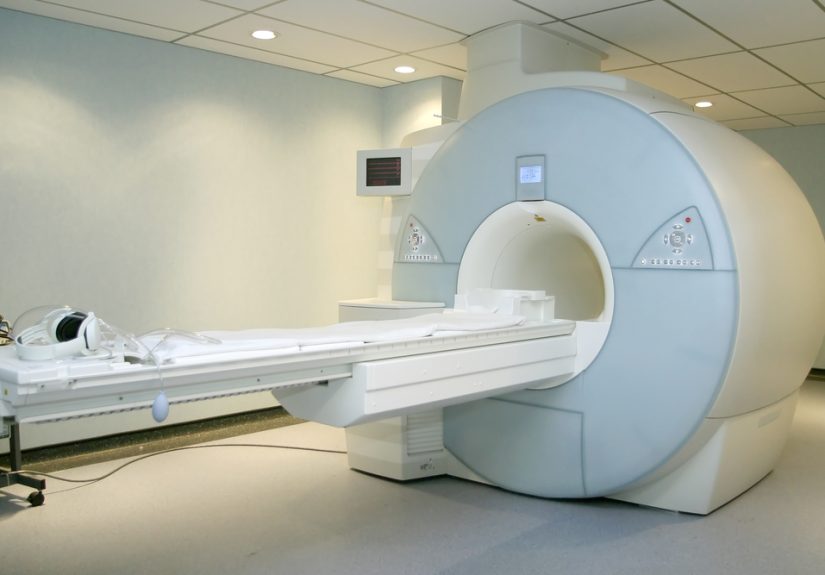
In the United States, the U.S. Preventive Services Task Force recommends annual low-dose CT screening for adults ages 50 to 80 who have a 20 pack-year smoking history and who currently smoke or quit within the past 15 years. This kind of scan is not meant for everyone. It is aimed at people with a higher risk because of their smoking history.
Screening does not prevent lung cancer by itself, and it does not replace quitting. But it can help find cancer earlier, when treatment may be more effective. Think of it as an important safety measure, not a hall pass for continued smoking.
Common Myths That Need to Retire Immediately
“My grandfather smoked and lived forever.”
Every family has one legendary exception that gets brought up like courtroom evidence. Population-level risk is still real. Anecdotes do not cancel biology.
“I switched to light cigarettes, so I’m safer.”
Nope. Light cigarettes are not safer than regular cigarettes. Smokers often compensate in ways that keep exposure high.
“I only smoke socially.”
Even intermittent smoking exposes the lungs to carcinogens. Less exposure is better than more, but “not daily” is not the same as “safe.”
“Secondhand smoke is annoying, not dangerous.”
It is both. And medically speaking, it is dangerous. Nonsmokers exposed to secondhand smoke still inhale cancer-causing chemicals.
Real-World Experiences: What This Risk Looks Like in Everyday Life
Statistics are powerful, but they can feel abstract. Real life is where the subject gets heavier.
One common experience is the person who started smoking young because it felt normal. Maybe their friends smoked behind the gym, maybe adults around them smoked at home, maybe cigarettes seemed like a stress tool or a social badge. At first, nothing dramatic happened. No sirens. No instant collapse. Just a habit. That slow start is part of why smoking is so deceptive. The damage builds quietly while life keeps moving.
Another familiar experience is the longtime smoker who says, “I feel fine.” That sentence has fooled a lot of people. Lung damage and cancer risk can rise long before obvious symptoms show up. Some people do not seek medical help until they notice a stubborn cough, chest pain, hoarseness, repeated lung infections, shortness of breath, or unexplained weight loss. By then, they often wish they had taken the risk more seriously earlier. Lung cancer is not famous for sending polite advance notices.
Families also describe the emotional side of smoking-related illness. A spouse may spend years urging someone to quit. Kids may ask why the house smells like smoke or why Dad gets winded walking up stairs. Later, when a scan finds a suspicious spot, the family conversation changes instantly. What used to be background noise becomes the center of the room. Regret tends to arrive fast, and unfortunately, it never shows up alone.
There are also stories of people who quit and still feel anxious, especially former smokers who worry that the damage is already done. That fear is understandable. But many clinicians emphasize the same point: quitting still matters, even after years of smoking. Former smokers often talk about better breathing, more energy, fewer coughing fits, improved taste and smell, and a sense of finally getting some control back. It is not just about adding years to life. It is often about adding better life to the years.
Then there is the experience of the nonsmoker who lived with smoke for years. Some grew up in homes where indoor smoking was routine. Others worked in places where smoke was part of the environment before stronger public rules took hold. Many never chose the exposure, yet it became part of their health story anyway. That is one reason secondhand smoke policies matter. Clean air is not a luxury feature. It is basic prevention.
Clinicians who work with patients at high risk often see another pattern: people delay screening because they are scared of what a scan might show. That is human. Very human. But fear can become expensive when it keeps people away from early detection. Some patients later describe relief simply from having clear information, whether the scan is normal or whether it catches a problem early enough for faster treatment. Uncertainty is loud. Action is usually quieter and more useful.
In the end, the experiences around smoking and lung cancer often share one theme: people wish they had respected the risk sooner. Not because public health experts enjoy being dramatic, but because the biology is stubbornly real. Smoking may begin as a habit, a coping tool, a social routine, or an “I’ll quit later” plan. The lungs do not care what name it goes by. They only register the exposure.
Conclusion
Smoking increases lung cancer risk by repeatedly damaging lung cells, mutating DNA, driving chronic inflammation, weakening immune defenses, and exposing the lungs to a toxic mix of cancer-causing chemicals. The more a person smokes, and the longer they smoke, the greater the risk tends to be. Cigars, pipes, and secondhand smoke also matter. “Light” cigarettes are not a safe workaround. And while quitting does not erase the past, it meaningfully lowers future risk.
If there is one takeaway worth pinning to the wall, it is this: lung cancer risk from smoking is not random bad luck. It is a biologically understandable, largely preventable process. That is exactly why quitting, avoiding secondhand smoke, reducing environmental risks such as radon, and discussing screening when appropriate can make such a difference.