Table of Contents >> Show >> Hide
- Why Beer Works So Well in Beef Stew
- Best Beer for Crockpot Beef Stew
- Crockpot Beef and Beer Stew Ingredients
- Step-by-Step Crockpot Beef and Beer Stew
- Layering Tips (So Your Veggies Don’t Turn to Mush)
- Common Problems (And Fixes That Actually Work)
- Serving Ideas
- Make-Ahead, Storage, and Freezing
- Food Safety Notes for Slow Cooker Stew
- Experience Section: of Real-Life Crockpot Beef and Beer Stew Moments
If your slow cooker had a love language, it would be “low and slow.” And if your taste buds had a love language,
it would be “beef + beer.” Put them together and you get a stew that tastes like you spent all day tending a pot
with a wooden spoon… even if you actually spent all day doing literally anything else.
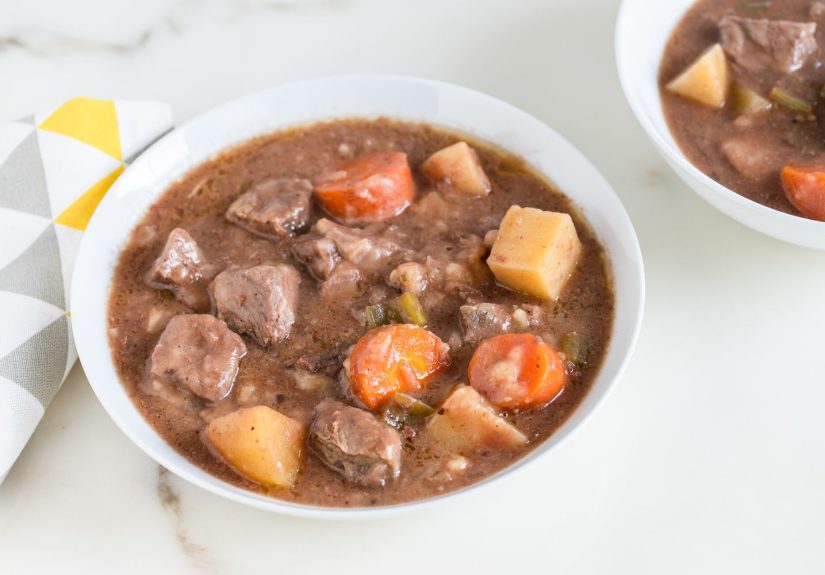
This crockpot beef and beer stew is hearty, cozy, and unapologetically richtender beef, soft potatoes, sweet
carrots, and a dark, malty broth that feels like a warm blanket you can eat with a spoon. The beer doesn’t make
the stew “boozy.” It makes it deep: roasty notes, a little caramel, and that savory, slow-simmered flavor
people usually assume requires a culinary degree or a mysterious grandmother named Dot.
Why Beer Works So Well in Beef Stew
Beef stew is basically an edible physics lesson: tough cuts turn tender when collagen breaks down; flavors build
when browned bits dissolve into liquid; and time magically turns “meh” into “wow.” Beer helps with the “wow”
part because it brings:
- Malt sweetness that rounds out onions, carrots, and tomato paste.
- Roasty depth (especially in stout/porter) that makes the broth taste “finished.”
- A gentle bitter edge that balances richnesslike salt for your soul.
The trick is choosing the right beer and using the right amount. Think “supporting actor,” not “trying to steal
the movie.”
Best Beer for Crockpot Beef Stew
You can make this with almost any beer, but some choices are kinder than others (and will not bully your stew
with bitterness).
Top picks
- Stout (dry stout, oatmeal stout): roasty, dark, classic “beef + beer” flavor.
- Porter: similar to stout but often a little smoother and chocolatey.
- Brown ale or amber ale: malty and slightly sweet, great if you want less roast.
Be careful with these
- Hazy/IPA: can turn the stew harsh or medicinal after hours of cooking.
- Very light lager: works, but the beer flavor will be subtle (not badjust quieter).
If you’re nervous about bitterness, pick a malty beer (brown/amber) or use stout plus one tiny “sweetener”
helperlike a teaspoon of brown sugar or a splash of balsamicnear the end.
Crockpot Beef and Beer Stew Ingredients
Makes: about 6 generous servings
For the stew
- 2 1/2 to 3 pounds beef chuck roast, cut into 1 1/2-inch chunks
- 1 1/2 teaspoons kosher salt (plus more to taste)
- 1 teaspoon black pepper
- 3 tablespoons all-purpose flour (optional, helps thicken)
- 2 tablespoons neutral oil (for browning, optional but recommended)
- 1 large yellow onion, chopped
- 3 cloves garlic, minced
- 3 tablespoons tomato paste
- 12 ounces beer (stout, porter, brown ale, or amber)
- 2 cups broth (beef broth or low-sodium chicken broth)
- 1 tablespoon Worcestershire sauce
- 1 teaspoon smoked paprika (optional but delightful)
- 1 teaspoon dried thyme (or 3–4 fresh sprigs)
- 1–2 bay leaves
- 3 medium carrots, cut into thick coins
- 2 celery ribs, sliced
- 1 1/2 pounds Yukon Gold potatoes, cut into 1-inch chunks
- 8 ounces mushrooms, quartered (optional, but adds savory depth)
To finish (choose 1 thickener)
- Cornstarch slurry: 1 1/2 tablespoons cornstarch + 2 tablespoons cold water
- Or: mash a few potatoes directly in the crockpot
- Or: 1–2 tablespoons butter mixed with 1 tablespoon flour (a quick “kneaded butter”)
Optional flavor boosters (use 1–2, not all 47)
- 1 tablespoon Dijon mustard (brightness)
- 1 teaspoon soy sauce (extra umami)
- 1 teaspoon brown sugar (balances bitter stout)
- A splash of balsamic vinegar (finishing “pop”)
- Frozen peas (stir in at the end for color + sweetness)
Step-by-Step Crockpot Beef and Beer Stew
This recipe gives you two paths: the “brown the beef” path (best flavor) and the “dump and go” path (best for
days when your motivation is in power-saving mode). Both work.
Step 1: Season (and lightly flour) the beef
Pat the beef dry. Season with salt and pepper. If you want a naturally thicker stew, toss the beef with flour.
The flour also helps browning and adds body later.
Step 2 (recommended): Brown the beef
Heat oil in a skillet over medium-high heat. Brown the beef in batches, 2–3 minutes per side. You’re not cooking
it throughyou’re building flavor. Transfer beef to the slow cooker.
Shortcut option: Skip browning and move on. Your stew will still be comforting, just a little less
“restaurant cozy” and a little more “Tuesday practical.”
Step 3: Build flavor in the pan (1-minute upgrade)
In the same skillet, add the onion and cook 2–3 minutes. Stir in garlic and tomato paste for 30 seconds.
Pour in the beer and scrape up the browned bits (those bits are flavor you already paid fordon’t leave them
behind). Let it bubble for about 1 minute.
Pour everything into the slow cooker.
Step 4: Add the rest
Add broth, Worcestershire, paprika (if using), thyme, bay leaves, carrots, celery, potatoes, and mushrooms.
Stir gently.
Step 5: Cook low and slow
- LOW: 8–9 hours (best texture)
- HIGH: 4–5 hours (still great)
The stew is ready when the beef is fork-tender and the potatoes are soft but not falling apart like they just
heard a sad song.
Step 6: Thicken and finish
For a classic stew texture, thicken near the end:
- Mix cornstarch with cold water until smooth.
- Stir it into the slow cooker.
- Cover and cook 10–20 minutes until the broth turns glossy and slightly thicker.
Taste and adjust salt. If the stew tastes a little bitter (more likely with stout), add a teaspoon of brown
sugar or a small splash of balsamic. Finish with chopped parsley if you want your bowl to look like it has its
life together.
Layering Tips (So Your Veggies Don’t Turn to Mush)
Slow cookers are gentle, but time is time. If you like firmer vegetables:
- Cut carrots thicker (big coins or chunks).
- Use waxy potatoes like Yukon Gold instead of very starchy russets.
- Add peas in the last 10 minutes.
If you want an extra-rich broth, consider adding a small packet of unflavored gelatin dissolved into the broth
before cooking (a restaurant-style trick for body without making it floury).
Common Problems (And Fixes That Actually Work)
“My stew tastes bitter.”
- Next time, use a malty brown/amber ale instead of an IPA or very bitter stout.
- Balance now with 1 teaspoon brown sugar or 1–2 teaspoons balsamic vinegar.
- Make sure you used tomato paste (it helps round the flavor).
“It’s watery.”
- Thicken with a cornstarch slurry.
- Remove the lid for 20–30 minutes on HIGH to reduce (if your slow cooker allows a gentle simmer).
- Remember: slow cookers trap moistureless liquid is usually more.
“The beef is tough.”
- It probably needs more time. Chuck gets tender when collagen fully breaks down.
- Make sure you used a stew-friendly cut (chuck beats lean “stew meat” every time).
“It’s bland.”
- Add a little more salt (often the real fix).
- Add Worcestershire or a teaspoon of soy sauce for umami.
- Finish with a splash of vinegar for brightness.
Serving Ideas
This stew is already a full meal, but it loves a sidekick:
- Crusty bread (for dipping, obviously)
- Mashed potatoes (yes, potatoes on potatoesdon’t let anyone dim your joy)
- Egg noodles (turns stew into a cozy bowl of “I’m fine”)
- Simple green salad (the “responsible adult” option)
Make-Ahead, Storage, and Freezing
Make-ahead
Stew is famous for tasting even better the next day. The flavors settle in and become best friends overnight.
Refrigerator
Cool and store in an airtight container. It keeps well for about 3–4 days. Reheat gently on the stove or in the
microwave, adding a splash of broth if it thickened too much.
Freezer
Freeze in portions for up to 2–3 months for best quality. Thaw in the fridge overnight, then reheat. If the
potatoes got a little softer after freezing, don’t panicthat’s just the stew living its truth.
Food Safety Notes for Slow Cooker Stew
- Thaw meat first: Starting with frozen beef can keep it in the temperature “danger zone” too long.
- Fill level matters: Aim for a slow cooker that’s at least half full but not more than about two-thirds full.
- Don’t lift the lid constantly: Heat loss adds time and can affect safe cooking temps.
- Leftovers: Refrigerate promptly after cooling slightly; reheat until steaming hot.
If you’re serving someone who avoids alcohol entirely: most of the alcohol cooks off during long cooking, but not
always 100%. Use nonalcoholic beer or replace beer with extra broth plus 1 tablespoon apple cider vinegar and 1
teaspoon molasses (for that malty “stew vibe”).
Experience Section: of Real-Life Crockpot Beef and Beer Stew Moments
There’s a specific kind of joy that only a slow cooker can deliver: the “I did something responsible today”
feeling, even if all you did was chop an onion and press a button. Beef and beer stew is basically the gold
medal version of that feeling. Home cooks often describe the first sign of success as the smellsomewhere
between a cozy pub and a Sunday family dinnerdrifting down the hallway like a friendly reminder that the day is
not, in fact, ruined.
A classic moment: you set the crockpot in the morning, leave for work (or errands, or a day of pretending your
inbox isn’t growing new emails in real time), and come back to a kitchen that smells like you’ve been doing
heroic culinary labor since dawn. The truth is you’ve been living a normal life, but the stew is out here
building character. When you lift the lidjust once, don’t get carried awaysteam rises and the beef looks like
it’s ready to fall apart politely if you make eye contact with it.
Then comes the great beer decision. Some people go straight for a stout because it feels traditional, like the
stew is wearing a wool sweater. Others use an amber ale because they want the broth a little sweeter, less
roasty, and more “comforting hug” than “pub at midnight.” Either way, there’s a familiar lesson: if the beer is
something you wouldn’t want to drink, it’s probably not something you want simmering in your dinner for eight
hours. The good news is you don’t need an expensive craft bottle. You just need something balancedmalty,
smooth, and not aggressively hoppy.
Another real-life scene: the stew is done, everyone is hungry, and you realize the broth is slightly thinner
than your dreams. This is where the cornstarch slurry saves the day. It’s fast, it’s simple, and it makes you
feel like you have secret kitchen powers. Five minutes later the stew turns glossy, the spoon leaves a gentle
trail, and suddenly it looks like a magazine photo (the kind where nobody shows the sink full of dishes).
And finally, the “leftovers surprise.” Beef and beer stew is one of those meals that somehow improves overnight.
The next day, the flavors taste more connectedlike the onions, beer, and beef stopped arguing and formed a
committee. People often portion it into containers for lunches, then quietly guard those containers like
treasure. Because once you’ve had a bowl of thick, hearty, beer-kissed stew on a cold afternoon, a sad desk
salad feels like a personal insult.
In the end, this recipe isn’t just about dinnerit’s about making your future self incredibly grateful. Your
future self deserves it. Your future self has been through enough.