Table of Contents >> Show >> Hide
- What Is Cuban Pork Roast, Exactly?
- The Flavor Blueprint: Mojo Marinade
- Choosing the Right Cut of Pork
- How to Make Cuban Pork Roast: Step by Step
- Serving Ideas: Go Classic or Go Rogue
- Troubleshooting (Because Pork Is Delicious, Not Psychic)
- Storage, Food Safety, and Make-Ahead Wins
- Variations That Still Feel Like Cuban Pork Roast
- Conclusion: Your Kitchen, But Make It Miami
- Experiences and Real-World Moments with Cuban Pork Roast (About )
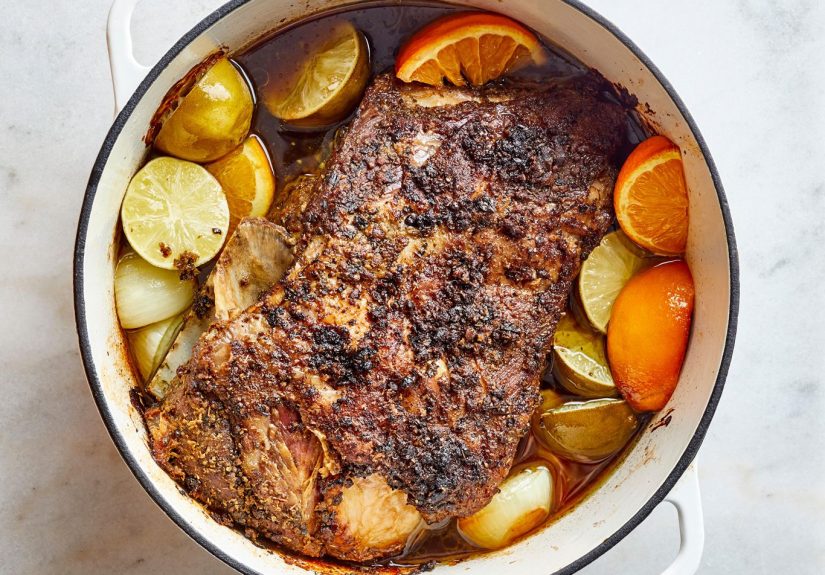
If roast pork had a glow-up montage, Cuban pork roast would be the one walking down the runway in slow motiondripping with garlicky citrus mojo, wearing a bronzed crust, and making your whole kitchen smell like the best kind of trouble.
This dish is often called lechón asado, and it’s the kind of centerpiece that turns “just dinner” into “why are we not doing this every weekend?”
The best part: it’s not fussy. It’s bold, bright, and deeply savorylike pulled pork met a citrus grove and decided to commit.
And once you learn the logic behind the marinade (spoiler: it’s basically a flavor power-up), you can make it in the oven, a slow cooker, or even a pressure cooker without losing the soul of the dish.
What Is Cuban Pork Roast, Exactly?
Cuban pork roast is a citrus-and-garlic–marinated pork roast, traditionally flavored with mojo (often called mojo criollo), then roasted until tender.
In many Cuban and Cuban-American households, it’s a celebratory stapleespecially around holiday gatherings like Nochebuena (Christmas Eve)but it’s also completely reasonable to make it on a random Tuesday if your soul needs a win.
The signature flavor isn’t “spicy” in the hot-pepper sense. It’s bright, tangy, garlicky, and herbal, with cumin and oregano bringing warmth and depth.
Think: sunshine + swagger.
The Flavor Blueprint: Mojo Marinade
Mojo is the heart of the dish. It’s a punchy, citrus-forward marinade/sauce built on sour orange (or a smart substitute), lots of garlic, oregano, cumin, salt, and oil.
Some versions add onion; some add fresh herbs like cilantro or mint; all versions are trying to do the same job: make pork taste like it’s been invited to the best party.
Sour Orange: The “If You Know, You Know” Citrus
Traditional mojo uses sour oranges (sometimes sold as bottled sour orange juice). If you can find it, use it.
If you can’t, don’t panicyour grocery store is not “anti-authentic,” it’s just doing its best.
A classic workaround is mixing citrus juices to mimic sour orangecommonly orange + lime, or orange plus a little lime and lemon (sometimes even grapefruit shows up in the supporting cast).
The goal is a balanced tartness: not candy-sweet, not mouth-puckering, just lively.
Garlic, Herbs, and Spice: Where the Mojo Gets Its Mojo
Garlic isn’t a background note here. It’s a headliner.
Oregano adds that familiar “roast meat” comfort, while cumin gives a warm, earthy base that makes the citrus feel grounded instead of sharp.
Oil helps carry flavor and keeps the marinade clinging to the meat instead of sliding off like it’s late for an appointment.
Mojo Tip That Saves Dinner
Reserve some marinade (or make extra) to serve as a finishing sauce.
The roast will be amazing on its own, but spooning fresh mojo over sliced or shredded pork is the difference between “wow” and “I need a moment.”
Choosing the Right Cut of Pork
For classic Cuban-style roast pork, you want a cut that can take a long roast and come out tender:
- Pork shoulder / Boston butt: The gold standardmarbled, forgiving, and ideal for slicing or shredding.
- Pork picnic shoulder: Similar vibe, often a little more rustic (and sometimes comes with skin).
- Pork loin: Leaner and faster, but easier to dry out; better for a quicker “weeknight Cuban-inspired” version.
Skin-On vs. Skinless (and the Crispy Truth)
If you can get skin-on pork shoulder, you can chase that iconic crackling finish.
Skinless roasts still deliver incredible flavoryou’ll just focus on a browned exterior rather than shattering crispy skin.
How to Make Cuban Pork Roast: Step by Step
1) Build Flavor Pathways (a.k.a. Don’t Just Pour Marinade and Pray)
Mojo tastes bold, but it won’t magically teleport into the center of a thick roast.
Help it out:
- Pierce the pork all over with a small knife to create pockets for marinade.
- Score the fat cap (and skin, if present) in a shallow crosshatchdon’t go wild; you’re not carving a jack-o’-lantern.
- Salt properly. Salt is not just seasoning; it’s structure and moisture management.
2) Marinate Like You Mean It
For pork shoulder, a solid window is 8 to 24 hours in the refrigerator.
Overnight is perfect for big flavor without turning the surface texture weirdly “cooked” from too much acid.
(Yes, citrus can do that. It’s basically ceviche’s whole personality.)
If you’re short on time, even 2 to 4 hours helps.
You’ll still get plenty of mojo characterespecially if you finish with fresh sauce at the table.
3) Roast Low and Slow for Tender Pork
The most reliable oven approach is:
start covered at a moderate/low temperature so the pork becomes tender, then
finish uncovered at higher heat to brown and crisp the outside.
Practical guideline:
Roast until the pork is fork-tender (often in the neighborhood of 190–205°F internal temperature for shoulder if you want shreddable tenderness).
If you want neat slices instead of shreds, you can pull earlierjust know shoulder shines when it gets time to relax into tenderness.
4) The Crispy Finish (a.k.a. The Final Boss)
Want a crackly exterior or crispy skin?
You need two things:
dry surface + high heat.
- Pat the exterior dry before the high-heat stage.
- Crank the oven up near the end and roast uncovered, watching closely so it browns but doesn’t burn.
- Let it rest before cuttingjuices need time to redistribute.
5) Rest, Then Slice or Shred
Resting isn’t optional; it’s the difference between juicy pork and a cutting board that looks like a crime scene.
Tent the roast with foil and rest 15–30 minutes.
Then slice across the grain for serving, or pull it into chunks for sandwiches, bowls, and “I’ll just take a little more” situations.
Serving Ideas: Go Classic or Go Rogue
Cuban pork roast is famously versatile. Classic pairings are classic for a reasonbut leftovers are basically a meal-prep cheat code.
Classic Cuban Sides
- Moros y cristianos (black beans and rice) or white rice with Cuban-style black beans
- Yuca con mojo (tender cassava topped with garlicky citrus onions)
- Sweet plantains (maduros) or crispy plantains (tostones)
- A simple cabbage salad or avocado salad to cut the richness
Leftover Magic: Sandwiches, Bowls, and Crispy Bits
- Cuban sandwich vibes: roast pork + ham + Swiss + pickles + mustard on pressed bread
- Mojo rice bowls: rice, beans, pork, quick-pickled onions, a drizzle of mojo
- Breakfast upgrade: pork with eggs and sautéed peppers/onions
- Crispy reheat trick: reheat pork on a sheet pan so edges caramelize again
Troubleshooting (Because Pork Is Delicious, Not Psychic)
“My pork tastes good but not ‘mojo’ enough.”
Easy fix: finish with fresh mojo at the table.
Also, next time: pierce the roast more thoroughly, marinate longer, and don’t forget to salt with intention.
“It’s dry.”
If you used pork shoulder and it’s dry, it’s usually undercooked (surprisingly!).
Shoulder gets tender when connective tissue breaks downgive it more time.
If you used pork loin, dryness is more likely; cook to temperature and don’t over-roast.
“My skin isn’t crispy.”
Dry it out and blast it with heat at the end.
Moisture is the enemy of crackling. Pat dry, roast uncovered, and watch closely.
Storage, Food Safety, and Make-Ahead Wins
Refrigerate leftovers promptly and store in airtight containers.
Cuban roast pork reheats beautifullyespecially if you reheat on a sheet pan to bring back browned edges.
Freeze portions for future you, who will absolutely feel like a genius when dinner is basically “thaw, crisp, drizzle mojo, triumph.”
Variations That Still Feel Like Cuban Pork Roast
Slow Cooker Mojo Pork
Great for shreddable pork and hands-off cooking. You lose some crispiness, but you gain tenderness and convenience.
To get texture back, broil or oven-crisp the shredded pork for a few minutes before serving.
Pressure Cooker / Instant Pot Mojo Pork
Fast, juicy, and weeknight-friendly. Pressure cook until tender, then finish under the broiler or in a hot oven for browned edges.
Oven-Roasted “Weeknight” Version with Pork Loin
Use mojo flavors, shorten marinating time, and cook carefully.
It won’t be identical to a long-roasted shoulder, but it scratches the itch when time is tight.
Conclusion: Your Kitchen, But Make It Miami
Cuban pork roast is proof that big flavor doesn’t need complicated techniquejust smart ingredients and a little patience.
Citrus wakes everything up, garlic brings the swagger, slow roasting delivers tenderness, and a high-heat finish gives you that irresistible browned exterior.
Whether you serve it with rice and beans like tradition intended or tuck leftovers into sandwiches like a practical hero, this roast shows up and shows off.
Experiences and Real-World Moments with Cuban Pork Roast (About )
Making Cuban pork roast has a funny way of turning regular humans into kitchen philosophers. You start with a simple plan“I will roast a piece of meat”and end up debating important questions like: “Is it possible to add too much garlic?” (Answer: not in this neighborhood.)
One of the most common experiences home cooks report is the mojo aroma ambush. You’re minding your business, maybe folding laundry, and then the citrus-garlic perfume starts drifting through the house like it pays rent. Suddenly everyone is “just checking” the kitchen every twelve minutes. Pets appear. Neighbors text “what’s cooking?” Your household becomes a highly motivated committee dedicated to snack-based oversight.
Another classic moment: the marinade optimism phase. You pour mojo over the pork and think, “This is going to penetrate to the center and transform every fiber into flavor.” Then you remember physics exists. The best “experience-based” workaround is to embrace two moves that always help: (1) pierce the roast generously so the mojo has places to go, and (2) reserve fresh mojo for serving. That finishing drizzle doesn’t just boost flavorit makes the whole dish taste brighter and more alive, like it’s wearing a clean shirt to dinner.
Then there’s the crispy exterior chase, which is basically a mini sport. Many cooks learn (sometimes the hard way) that crispiness is less about time and more about moisture control. If the surface is wet, high heat just steams it. Patting the roast dry before the final blast and roasting uncovered turns “pretty good” into “why is everyone suddenly quiet?” That quiet is not judgmentit’s respect.
Leftovers bring their own set of experiences, and they’re mostly joyful. Day-two Cuban roast pork is a choose-your-own-adventure story: sandwiches, rice bowls, quick tacos, breakfast hashes. People often discover their favorite version isn’t even the first-night presentationit’s the second-night “sheet pan crisp.” Spread chopped pork on a pan, hit it with high heat until edges caramelize, then toss with a spoonful of mojo. It’s the kind of technique that makes you feel like you have a secret cooking diploma.
Finally, there’s the social side: Cuban pork roast tends to pull people toward the table. It’s a centerpiece dishwarm, fragrant, and generous. Even if you’re not cooking for a holiday, it creates that holiday feeling: plates passed around, people asking for “just a little more,” someone volunteering to bring rice and beans next time. It’s not just pork; it’s a mood. And if your kitchen ends up smelling like citrus, garlic, and good decisions for two dayscongratulations. That’s the point.