Table of Contents >> Show >> Hide
- What “Clingy” Actually Means (and When It’s a Problem)
- Why Cats Get Clingy: The Real Reasons Behind “Velcro Cat” Behavior
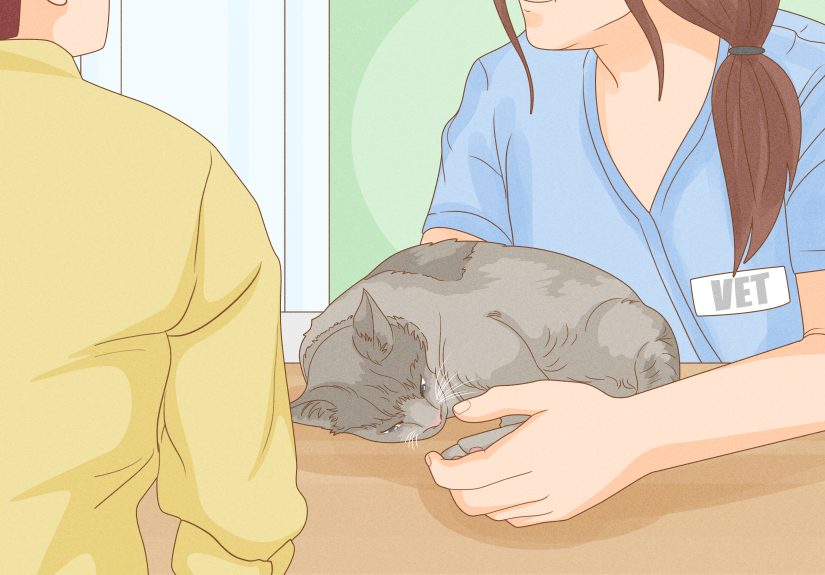
- First Rule: Rule Out Medical Problems Before “Fixing” Anything
- The 10-Step Plan to Fix Clinginess in Cats (Without Becoming Cold and Distant)
- Step 1: Create a predictable daily rhythm
- Step 2: Schedule “quality time” on purpose
- Step 3: Upgrade the environment (so your cat has a life)
- Step 4: Turn meals into missions (food puzzles and hunting games)
- Step 5: Teach independence in tiny increments
- Step 6: Neutralize “leaving cues” (keys, shoes, bags)
- Step 7: Make departures and arrivals boring (sorry, celebrity)
- Step 8: Don’t reward demanding behaviorreward calm behavior
- Step 9: Add calming tools (when appropriate)
- Step 10: Use play to drain anxiety (and prevent boredom)
- Common Mistakes That Make Clinginess Worse
- Special Scenarios: Tailor the Plan to Your Cat
- When to Get Professional Help
- Conclusion: You Can Keep the Cuddles and Lose the Chaos
- of Real-World “Needy Cat” Experiences (and What They Teach)
Your cat follows you like a tiny, fuzzy private investigator. Bathroom? They’re on the case.
Kitchen? They’re the supervisor. Laptop opens? Suddenly you’re hosting a one-cat protest on the keyboard.
Cute? Absolutely. Convenient? Not always.
The good news: most “needy cat” behavior has a reasonand once you identify the why, you can usually reduce
the clinginess without crushing your cat’s feelings (or your ankles). This guide walks you through what
clinginess really means, the most common causes, and a practical plan to help your cat feel secure and
independentwhile still getting plenty of healthy affection.
What “Clingy” Actually Means (and When It’s a Problem)
Some cats are naturally social. They like being near you, sleeping on your feet, and checking your breathing
every 12 minutes just to confirm you’re still alive. That’s not automatically a problem.
Normal affection vs. stress-driven neediness
A clingy cat becomes a concern when the behavior looks less like “I adore you” and more like “I cannot cope
when you’re not within licking distance.” Watch for patterns that suggest anxiety or unmet needs.
Signs your cat’s clinginess may be stress-related
- Sudden increase in following, vocalizing, or demanding attention
- Distress when you leave (howling, pacing, hiding, trying to bolt)
- Overgrooming, hair loss, or irritated skin from licking
- Appetite changes (gobbling fast, refusing food, vomiting from stress)
- Litter box issues (especially elimination outside the box)
- Destructive or “spiteful” behavior (often just frantic attention-seeking)
If your cat’s behavior changed quickly or comes with physical symptoms, treat it like a cluenot a personality quirk.
Why Cats Get Clingy: The Real Reasons Behind “Velcro Cat” Behavior
1) Medical issues (the sneakiest cause)
Pain, nausea, hormonal changes, and other health problems can make cats seek extra reassuranceor act unusually
attached because they feel vulnerable. A cat that suddenly becomes clingy, vocal, or restless deserves a veterinary
check before you assume it’s “just behavior.”
2) Separation anxiety (yes, cats can get it)
Despite their independent reputation, cats form strong attachments and can experience separation-related distress.
Some cats start to panic during pre-departure routines (shoes, keys, bag). Others unravel once the house is quiet.
If clinginess spikes around your comings and goings, separation anxiety is on the shortlist.
3) Boredom and under-stimulation
Many “needy cats” are actually under-employed. Cats are built to hunt, climb, stalk, and problem-solve. When their
environment is predictable and their day is empty, you become the most interesting moving object in the building.
Congratulationsyou’re the enrichment.
4) Reinforced behavior (accidental training)
Cats repeat what works. If your cat yowls and you immediately pet them, pick them up, talk to them, or toss a treat,
you may have created a tiny furry negotiator who now believes loudness is a life skill.
5) Stressful changes
Moves, renovations, new roommates, schedule shifts, a new baby, travel, a new pet, or even a neighbor’s loud dog can
increase clinginess. Cats love predictability. When their world feels wobbly, they may glue themselves to their safest
“territory”: you.
6) Age and cognitive changes
Kittens can be clingy because they’re learning social safety. Senior cats may become more dependent due to sensory
decline, arthritis, or cognitive changes. The same behavior (following you everywhere) can mean very different things
depending on age.
7) Breed tendencies and early socialization
Some breeds and lines are famously people-oriented. Early handling and social experiences also matter. A cat raised
with lots of calm, positive human interaction may be more likely to seek you outespecially when unsure.
First Rule: Rule Out Medical Problems Before “Fixing” Anything
If clinginess is new, intense, or paired with other changes (appetite, litter box habits, grooming, sleep, mobility,
breathing, vomiting), start with a vet visit. Behavior is communicationyour cat may be saying “I don’t feel right.”
Once medical issues are addressed or excluded, you can confidently move into a behavior and environment plan.
The 10-Step Plan to Fix Clinginess in Cats (Without Becoming Cold and Distant)
The goal isn’t to turn your cat into a loner. The goal is to build confidence and teach your cat, “You’re safe and
okayeven when I’m not available.”
Step 1: Create a predictable daily rhythm
Cats relax when life is understandable. Try consistent timing for meals, play, and quiet time. A simple routine helps
anxious cats stop scanning for what happens next. Think: “same vibe, new toys.”
Step 2: Schedule “quality time” on purpose
If your cat is demanding attention constantly, paradoxically it helps to offer attention predictably. Two to four
short, intentional sessions a day can reduce clingy ambushes.
- 5–10 minutes of interactive play (wand toy, chase, pounce)
- Meal or treats delivered via puzzle or scavenger hunt
- Calm affection on your terms (petting, brushing, lap time)
Step 3: Upgrade the environment (so your cat has a life)
If your cat’s entire hobby is “monitor the human,” you’ll want to add alternatives that feel even better.
Start with the basics:
- Vertical space: cat tree, shelves, window perch (cats love observing)
- Scratching options: vertical and horizontal scratchers in key areas
- Safe hiding spots: boxes, covered beds, quiet corners
- Toy rotation: keep some toys “new” by swapping weekly
- Foraging: puzzle feeders, treat balls, food hunts
Environmental enrichment isn’t a luxuryit’s often the missing piece behind needy cat behavior.
Step 4: Turn meals into missions (food puzzles and hunting games)
Food puzzles and foraging toys give cats a job that satisfies natural hunting instincts. Start easy and scale up:
- Begin with a simple puzzle or scatter a few kibbles/treats in one area
- Gradually increase difficulty as your cat “gets it”
- Use multiple small stations around the home to encourage movement
Bonus: cats who work for food often show fewer attention-demand behaviors because their brains are busy doing cat stuff.
Step 5: Teach independence in tiny increments
If your cat can’t tolerate you moving three feet away, don’t start with “I’m leaving for six hours, good luck.”
Start with micro-separations:
- Stand up, walk to the other side of the room, sit downno fanfare
- Step into the hallway for 5–10 seconds, return calmly
- Increase duration gradually while your cat stays relaxed
The skill you’re building is calm coping, not resignation.
Step 6: Neutralize “leaving cues” (keys, shoes, bags)
Many cats start stressing before you even exit. Break the association by doing leaving cues at random times:
put on shoes and then make a sandwich. Pick up keys and then… fold laundry. Be unpredictable in the most boring way.
Step 7: Make departures and arrivals boring (sorry, celebrity)
If coming home looks like a reunion tour, your cat learns to build emotional intensity around separation.
Instead:
- Ignore dramatic greetings for a minute or two
- Put down your stuff, wash your hands, then greet calmly
- Reward calm behavior with attention (not frantic behavior)
Step 8: Don’t reward demanding behaviorreward calm behavior
This is the hardest step because your cat is extremely persuasive. But if you pet the cat while they’re screaming,
you’re not “comforting”you’re giving the scream a paycheck.
Try this pattern:
- When your cat demands (pawing, yowling, climbing you): pause interaction
- Wait for a brief moment of quiet or four paws on the floor
- Then give attention, treats, or play as the reward
If you want a clingy cat to chill, you have to make “chill” the winning strategy.
Step 9: Add calming tools (when appropriate)
Some cats benefit from pheromone diffusers/sprays, calming music, or creating a “safe zone” (quiet room, cozy bed,
familiar scents). These tools don’t replace behavior workbut they can lower baseline stress so learning is easier.
Step 10: Use play to drain anxiety (and prevent boredom)
Daily interactive play is one of the most reliable ways to reduce clinginess. It mimics the hunt sequence (stalk,
chase, pounce) and helps your cat feel capable and satisfied.
- Play before you leave (short session) and when you return
- End with a small meal or treat to “complete the hunt”
- Experiment: some cats prefer ground prey, others love aerial “birds”
Common Mistakes That Make Clinginess Worse
Punishment (spray bottles, yelling)
Punishment can increase anxiety and damage trustoften making clinginess worse. Your cat may stop the behavior in the
moment, but they learn, “The human is unpredictable,” which is basically the opposite of calming.
Sudden “tough love”
If you go from constant cuddles to total shutdown overnight, some cats escalate (more vocalizing, more stalking, more
chaos). Gradual change works better: increase enrichment, schedule attention, and slowly reinforce independence.
Accidental reinforcement
If your cat has trained you to respond to meows at 2 a.m., you’re not alone. Change is possiblejust commit to
rewarding quiet, calm behavior and meeting needs proactively during the day.
Special Scenarios: Tailor the Plan to Your Cat
If you recently adopted your cat
New homes are stressful. It’s normal for a newly adopted cat to stick close while they learn the layout, sounds, and
routine. Focus on predictability and safe spaces. Independence grows as security grows.
If your schedule changed (back to the office, travel, longer shifts)
Many cats struggle when humans suddenly stop being home all day. Build alone-time tolerance gradually: short
departures, neutralized leaving cues, and enrichment “setups” before you go (puzzles, window perch, safe room).
If you have a single cat
Some cats do great solo. Others lean heavily on their human for stimulation. Try increasing enrichment first.
A second cat can help sometimes, but it can also add stressso don’t treat “get another cat” as a universal solution.
If you have a senior cat
Seniors may cling because moving hurts, vision/hearing changes make them less confident, or cognitive changes increase
confusion. Add ramps/steps, warm beds, easy-access litter boxes, and more gentle interaction. And loop your vet in.
When to Get Professional Help
If your cat shows severe distress, self-injury (overgrooming), persistent litter box issues, aggression, or escalating
panic, it’s time to consult your veterinarian and consider a feline-focused behavior professional. Some cases benefit
from a structured behavior plan plus medicationespecially when anxiety is intense.
Think of it like this: you’re not “drugging a dramatic cat.” You’re reducing panic so your cat can actually learn.
Conclusion: You Can Keep the Cuddles and Lose the Chaos
Fixing clinginess in cats isn’t about pushing your cat away. It’s about giving them a bigger toolkit: a predictable
routine, a richer environment, and clear reinforcement for calm behavior. Start with health checks, then build
confidence through play, foraging, vertical space, and gradual independence training.
Your end goal: a cat who wants to hang out with you, but doesn’t fall apart when you take a shower alone.
(A bold dream. A beautiful dream.)
of Real-World “Needy Cat” Experiences (and What They Teach)
The “Bathroom Escort” is a classic. Many cat parents report a cat who appears the moment the door closesmeowing like
you’ve been kidnapped by your own shower curtain. What usually works isn’t scolding; it’s replacing that ritual with
something else. One common win: set a puzzle feeder down before you go in, then close the door. The cat learns,
“Human disappears → treasure hunt begins.” Over time, the panic shrinks because the brain has a better job than
conducting a one-cat search-and-rescue mission.
Then there’s the “Zoom Meeting Shadow,” the cat who becomes a living neck scarf exactly when you need to sound like an
adult with responsibilities. Many people solve this by planning a pre-meeting play burst (5 minutes with a wand toy),
followed by a small snack. It’s not bribery; it’s biology. A cat who completes a hunt sequence is often calmer and more
likely to nappreferably somewhere that’s not your webcam. Adding a nearby perch or bed at desk height also helps:
the cat still gets proximity, but you get your keyboard back.
A surprisingly common story is the “Clingy After a Move” cat. Even confident cats can regress after relocation or
renovations. In those cases, clinginess is often a sign of uncertainty, not manipulation. People who see improvement
tend to do the same three things: keep a tight routine (meals and play at consistent times), create a small “safe room”
stocked with familiar bedding and scratchers, and gradually expand access to the rest of the home. The clinginess fades
as the environment becomes predictable againlike watching a tense little roommate finally unpack emotionally.
Another pattern: “My cat got clingy when I went back to the office.” A lot of cats do fine when the change is gradual,
and struggle when it’s sudden. Cat parents who succeed usually rehearse alone time the way you’d train for a marathon:
short absences, calm returns, and slowly longer stretches. They also stop making leaving a big dramatic event. No
apology speeches. No theatrical goodbye kisses. Just: keys, door, done. Cats are excellent at reading patterns, and
reducing the “big deal” energy can reduce the cat’s anticipatory stress.
Finally, a gentle but important experience: “My cat suddenly became a Velcro cat.” Many owners initially assume it’s
sweetuntil they notice extra vocalizing, hiding, appetite shifts, or litter box changes. In real households, sudden
clinginess is often the thing that sends people to the vet, where they uncover pain, digestive issues, thyroid disease,
or other problems that weren’t obvious. The lesson is simple: behavior changes are data. If your cat’s clinginess is
new or intense, checking health first isn’t overreactingit’s good caregiving.
Put all these experiences together and you get one big takeaway: clinginess is rarely fixed by “more attention” alone.
It’s fixed by security (routine and safe spaces), purpose (play and foraging), and clear feedback
(reward calm, don’t pay for chaos). That’s how you keep the loveand retire the ankle shadow role to part-time.