Table of Contents >> Show >> Hide
- What Are DIY Toilet Fizzy Bombs?
- Why Make Homemade Toilet Cleaner Tablets?
- The Best DIY Toilet Fizzy Bombs Recipe
- How to Use Toilet Fizzy Bombs
- Ingredient Breakdown: Why Each One Matters
- Best Essential Oils for DIY Toilet Bombs
- Troubleshooting Homemade Toilet Bombs
- Are DIY Toilet Fizzy Bombs Septic-Safe?
- DIY Toilet Bombs vs. Store-Bought Toilet Cleaners
- Simple Variations to Try
- Storage Tips for Long-Lasting Toilet Bombs
- Common Mistakes to Avoid
- My Practical Experience With DIY Toilet Fizzy Bombs
- Final Thoughts
There are two types of people in this world: people who clean the toilet on a schedule and people who suddenly remember it exists five minutes before guests arrive. DIY toilet fizzy bombs are for both groups. These small, homemade cleaning tablets fizz when dropped into the bowl, help loosen light buildup, freshen odors, and make routine toilet maintenance feel slightly less like a punishment from the plumbing gods.
The main keyword here is simple: DIY toilet fizzy bombs. But the real magic is practical. These homemade toilet cleaner tablets use common pantry-style ingredients such as baking soda and citric acid to create a gentle fizzing reaction. They are not a replacement for deep scrubbing, disinfecting, or solving plumbing problems, but they are a smart, affordable addition to a weekly bathroom cleaning routine.
Think of them as the bathroom version of a bath bombexcept instead of relaxing in lavender-scented bubbles, you are encouraging your toilet bowl to behave itself. Glamorous? Not exactly. Useful? Absolutely.
What Are DIY Toilet Fizzy Bombs?
DIY toilet fizzy bombs are compact cleaning tablets made from dry ingredients that react when they touch water. The classic combination is baking soda and citric acid. When dropped into the toilet bowl, the tablet fizzes, spreads through the water, and helps loosen light grime, deodorize the bowl, and make brushing easier.
Most homemade toilet bombs also include a small amount of liquid, such as water or hydrogen peroxide, to bind the ingredients together. Some recipes use essential oils for fragrance, while others stay fragrance-free for households with pets, sensitive noses, asthma, or allergies.
What They Can Do
DIY toilet cleaning bombs are best for routine freshness. They can help reduce mild odors, soften light mineral film, and make quick maintenance easier between full cleanings. They are especially helpful if you want a low-cost toilet bowl refresher that does not require squeezing gel cleaner under the rim every single time.
What They Cannot Do
Let’s be honest: a fizzy tablet is not a tiny janitor in a cape. Toilet bombs do not replace scrubbing, disinfecting when needed, or addressing hard-water stains that have been building up since the previous presidential administration. They also should not be placed in the toilet tank. In-tank cleaners can damage rubber seals, flappers, and working parts over time, so these bombs belong in the bowl only.
Why Make Homemade Toilet Cleaner Tablets?
Store-bought toilet cleaners can be convenient, but DIY toilet fizzy bombs offer three big advantages: control, cost, and customization. You decide what goes into the mixture, how strong the scent is, and how many tablets you make at once.
They are also budget-friendly. A box of baking soda, a bag of citric acid, and a silicone mold can make several batches. For families, shared bathrooms, or anyone who lives with mysterious toilet bowl splash artists, that is a practical win.
They Make Cleaning Feel Easier
The biggest benefit is psychological. Dropping a tablet into the bowl feels quick and satisfying. The fizz does some of the initial loosening, and then a brush finishes the job. When a chore feels easier, people are more likely to do it consistently. That is not just cleaning advice; that is human nature wearing rubber gloves.
They Reduce Overuse of Harsh Products
Many households use too much cleaner because more foam feels like more cleaning power. In reality, using excessive product can leave residue and does not always improve results. DIY toilet bowl bombs encourage a measured approach: one tablet, a short wait, a brush, and a flush.
The Best DIY Toilet Fizzy Bombs Recipe
This recipe creates firm, fast-fizzing toilet bombs that are easy to store and simple to use. The key is to add moisture slowly. If you dump in liquid too quickly, the mixture will fizz in the bowl before it ever becomes a bomb. That is not a recipe; that is a science fair volcano with bathroom ambitions.
Ingredients
- 1 cup baking soda
- 1/2 cup citric acid
- 1/4 cup cornstarch or arrowroot powder
- 1 tablespoon hydrogen peroxide or water, added gradually
- 10 to 20 drops essential oil, optional
- Silicone mold or ice cube tray
- Mixing bowl
- Whisk or fork
- Spray bottle, optional but helpful
- Airtight storage jar
Step-by-Step Instructions
- Mix the dry ingredients. Add baking soda, citric acid, and cornstarch to a bowl. Whisk until the mixture looks even and clump-free.
- Add fragrance carefully. If using essential oil, add a few drops at a time and stir well. Lemon, peppermint, eucalyptus, lavender, and tea tree are popular, but fragrance-free is often the safest choice for sensitive homes.
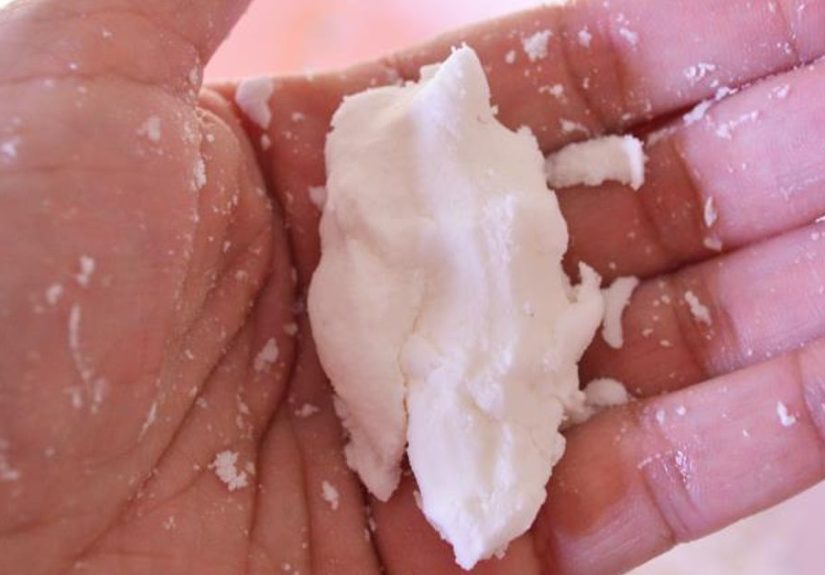
- Add moisture slowly. Spray water or hydrogen peroxide into the mixture one or two spritzes at a time. Stir after each spray. The texture should feel like damp sand that holds together when squeezed.
- Pack the mold tightly. Press the mixture firmly into silicone molds or an ice cube tray. Compact tablets hold together better and fizz longer.
- Let them dry. Leave the molds uncovered for 12 to 24 hours in a dry place.
- Store properly. Remove the tablets and place them in an airtight jar. Keep them away from humidity, children, and pets.
How to Use Toilet Fizzy Bombs
Using homemade toilet cleaner bombs is simple. Drop one tablet into the toilet bowl and let it fizz for 5 to 10 minutes. Then scrub the bowl with a toilet brush, paying extra attention to the waterline and under the rim. Flush when finished.
For routine cleaning, use one bomb two or three times per week. For a busier bathroom, daily use may be fine as long as the mixture is gentle and fragrance is not overwhelming. For deep cleaning, use a standard toilet bowl cleaner according to the label directions and never combine it with a toilet bomb.
Important Safety Rule: Do Not Mix Cleaners
Never use DIY toilet bombs at the same time as bleach, ammonia, drain cleaner, or commercial toilet bowl cleaner. Mixing cleaning products can create irritating or dangerous fumes. If the bowl recently had bleach or another cleaner in it, flush thoroughly and wait before using a fizzy bomb.
Ingredient Breakdown: Why Each One Matters
Baking Soda
Baking soda is the deodorizing base of the recipe. It helps neutralize odors and adds mild cleaning power without being harsh on porcelain. It also provides the alkaline half of the fizzing reaction.
Citric Acid
Citric acid is what gives toilet bombs their signature fizz when combined with baking soda and water. It also helps with light mineral buildup and dull residue. If your area has hard water, citric acid can be especially useful for regular maintenance.
Cornstarch or Arrowroot Powder
Cornstarch acts as a stabilizer. It helps slow the reaction, improves texture, and makes the tablets easier to mold. Without it, the mixture may crumble or activate too quickly.
Hydrogen Peroxide or Water
A tiny amount of liquid binds the mixture. Hydrogen peroxide may add extra freshness, but it must be used carefully and sparingly. Too much liquid activates the fizz early and turns your beautiful toilet bombs into a bowl of angry foam.
Essential Oils
Essential oils are optional. They can make the bathroom smell fresh, but they are not necessary for cleaning. Use fewer drops than you think you need. Strong scents can irritate sensitive people and may be risky around pets, especially cats and dogs. When in doubt, skip the fragrance.
Best Essential Oils for DIY Toilet Bombs
If you choose to add scent, keep it light. The goal is “fresh bathroom,” not “peppermint hurricane.” Here are common options:
- Lemon: Bright, clean, and classic.
- Lavender: Softer and more relaxing.
- Peppermint: Crisp and powerful, but easy to overdo.
- Eucalyptus: Spa-like, but not ideal for every pet-friendly home.
- Tea tree: Popular in cleaning recipes, but should be used cautiously and kept away from pets.
For the safest version, make fragrance-free toilet fizzy bombs. They still fizz, freshen, and help with light cleaning. Your toilet will not file a complaint.
Troubleshooting Homemade Toilet Bombs
Problem: The Mixture Fizzes While Mixing
You added liquid too quickly. Next time, use a spray bottle and stir after every one or two sprays. The mixture should barely feel damp.
Problem: The Tablets Crumble
The mixture was too dry or not packed firmly enough. Add one more light spray of liquid and press the mixture harder into the mold.
Problem: The Bombs Expand in the Mold
Too much moisture activated the reaction. Press them back down if they rise slightly, then let them dry in a low-humidity room.
Problem: They Do Not Fizz Much
The ingredients may be old, the tablets may have absorbed humidity, or the ratio may be off. Store them in an airtight jar and use fresh citric acid for better fizz.
Are DIY Toilet Fizzy Bombs Septic-Safe?
In small amounts, a simple baking soda and citric acid toilet bomb is generally a mild cleaning option. However, septic systems are sensitive ecosystems, not garbage disposals with confidence issues. Avoid large amounts of antibacterial ingredients, heavy fragrance, bleach, or harsh chemicals if your home uses a septic system.
Use one tablet at a time, scrub, and flush. If you have an older septic system or recurring plumbing issues, ask a plumber before adding any new cleaning routine. A clean toilet is nice; a backed-up system is a horror movie with invoices.
DIY Toilet Bombs vs. Store-Bought Toilet Cleaners
DIY toilet fizzy bombs are best for maintenance. Store-bought toilet bowl cleaners may be better for heavy stains, disinfecting, and serious buildup. The smartest approach is not choosing one forever. Use homemade toilet cleaner tablets for regular freshness and a proper bowl cleaner when the job requires stronger help.
Also, avoid drop-in toilet tank tablets unless your toilet manufacturer specifically approves them. Many toilet care instructions warn against in-tank cleaners because they can damage internal parts. DIY toilet bombs should go directly into the bowl, not the tank.
Simple Variations to Try
Fragrance-Free Toilet Bombs
Use baking soda, citric acid, cornstarch, and water only. This is the best option for sensitive households.
Extra-Fresh Lemon Bombs
Add 10 drops of lemon essential oil. This gives a light, clean scent without overwhelming the bathroom.
Hard-Water Helper Bombs
Increase citric acid slightly by adding one extra tablespoon. This may help with light mineral film, but it will not erase severe hard-water rings on its own.
Mini Daily Bombs
Use a small silicone candy mold to make tiny tablets for quick daily freshening. Smaller bombs dry faster and reduce waste.
Storage Tips for Long-Lasting Toilet Bombs
Moisture is the enemy. Store your DIY toilet fizzy bombs in a sealed glass jar, plastic container, or resealable pouch. Keep them in a cool, dry cabinet rather than on the back of the toilet, where humidity and splashes can shorten their life.
Label the container clearly. These tablets may look cute, especially if you use colorful molds, but they are cleaning productsnot mints, candy, or “bath bombs with questionable life choices.” Keep them away from children and pets.
Common Mistakes to Avoid
- Using too much liquid: This activates the fizz before the tablets dry.
- Adding too much essential oil: Strong fragrance can irritate people and pets.
- Mixing with bleach: Never combine cleaners in the toilet bowl.
- Putting bombs in the tank: Use them in the bowl only.
- Expecting disinfecting power: DIY toilet bombs clean and freshen; they are not registered disinfectants.
- Skipping the brush: The fizz helps, but scrubbing still matters.
My Practical Experience With DIY Toilet Fizzy Bombs
The first thing you learn when making DIY toilet fizzy bombs is that patience matters. The recipe looks simple, and it is, but the difference between a perfect batch and a crumbly mess often comes down to moisture control. The first batch I tested behaved like a tiny bathroom volcano because I added water too confidently. It fizzed in the bowl, on the spoon, and emotionally, perhaps, in my soul.
On the second attempt, I used a spray bottle and treated the liquid like hot sauce: a little at a time. That worked much better. The mixture started to clump like damp sand, which is exactly what you want. When pressed into a silicone mold, the tablets held their shape and dried into firm little pucks by the next day.
In everyday use, the best result came from dropping one bomb into the bowl and waiting about 10 minutes before brushing. The fizz alone made the toilet smell fresher, but the real cleaning happened when the brush got involved. That is the honest truth. These are not magic tablets that do all the work while you stand there feeling like a cleaning influencer. They are helpers. Good helpers, but helpers.
The fragrance-free version was surprisingly pleasant. It did not perfume the room, but it reduced that stale bathroom smell. The lemon version smelled cheerful and clean, while the peppermint version was almost too bold. Peppermint is the friend who arrives early, talks loudly, and somehow reorganizes your spice cabinet. Use it carefully.
The biggest advantage was consistency. Because the tablets were already made, cleaning felt easier. Instead of gathering products, reading labels, and pretending not to notice the toilet brush, I could drop in a bomb, wipe the sink while it fizzed, then scrub and flush. That small convenience made the routine more likely to happen.
I also found that smaller tablets are more practical than giant ones. Large toilet bombs look impressive online, but mini tablets dry faster, store better, and waste less product. For a guest bathroom that is not used heavily, a small fizzy bomb is enough for a quick refresh. For a main bathroom, one medium tablet two or three times per week works well.
Another lesson: storage matters more than expected. A batch left in a loosely covered container absorbed humidity and became soft within a week. The batch stored in an airtight jar stayed firm much longer. If your bathroom gets steamy from showers, store the jar in a linen closet or cabinet outside the bathroom.
Overall, DIY toilet fizzy bombs are worth making if you enjoy simple homemade cleaning products and want a low-effort way to keep the toilet fresher between deeper cleanings. They are cheap, customizable, and oddly satisfying. Just remember the golden rules: bowl only, never mix with other cleaners, use fragrance lightly, and always finish with a brush. The fizz is fun, but the brush is still the boss.
Final Thoughts
DIY toilet fizzy bombs are an easy, affordable, and surprisingly satisfying way to freshen your toilet bowl between regular cleanings. With baking soda, citric acid, a little binder, and careful storage, you can make homemade toilet cleaner tablets that fizz on contact and help loosen light residue.
They are not a replacement for disinfecting, deep stain removal, or good old-fashioned scrubbing. But as part of a simple bathroom cleaning routine, they are practical, customizable, and much more fun than staring at a toilet brush while questioning your life choices.
Note: Use DIY toilet fizzy bombs only in the toilet bowl. Do not place them in the tank, do not mix them with bleach or commercial cleaners, and keep all homemade cleaning products away from children and pets.