Table of Contents >> Show >> Hide
- What Is Eye Twitching?
- Common Types of Eye Twitching
- Why Is My Eye Twitching?
- How Long Does Eye Twitching Last?
- How to Stop Eye Twitching Naturally
- When Should You See a Doctor for Eye Twitching?
- Diagnosis: What Happens at the Eye Doctor?
- Medical Treatment Options for Persistent Eye Twitching
- Can Eye Twitching Be Prevented?
- Eye Twitching Myths: What Not to Panic About
- Real-Life Experiences With Eye Twitching
- Conclusion
- SEO Tags
Eye twitching is one of those tiny body glitches that can make you feel like your eyelid has started a secret drum solo without asking permission. One minute you are answering emails, drinking coffee, or pretending you are not tired; the next, your upper or lower eyelid starts fluttering like it is auditioning for a Broadway tap number.
The good news: most eye twitching is harmless, temporary, and more annoying than dangerous. The medical name for the common eyelid twitch is often eyelid myokymia, a small involuntary spasm of the eyelid muscles. It commonly affects one eyelid, often the lower lid, and may come and go for seconds, minutes, hours, or occasionally several days. The less fun news: if an eye twitch lasts a long time, forces the eyelid closed, spreads to other parts of the face, or comes with vision changes, it deserves medical attention.
In this guide, we will unpack what eye twitching means, why it happens, how to calm it down, when to call an eye doctor, and how real-life habits like sleep, caffeine, screens, stress, and dry eyes can turn your eyelid into a tiny vibrating notification bell.
What Is Eye Twitching?
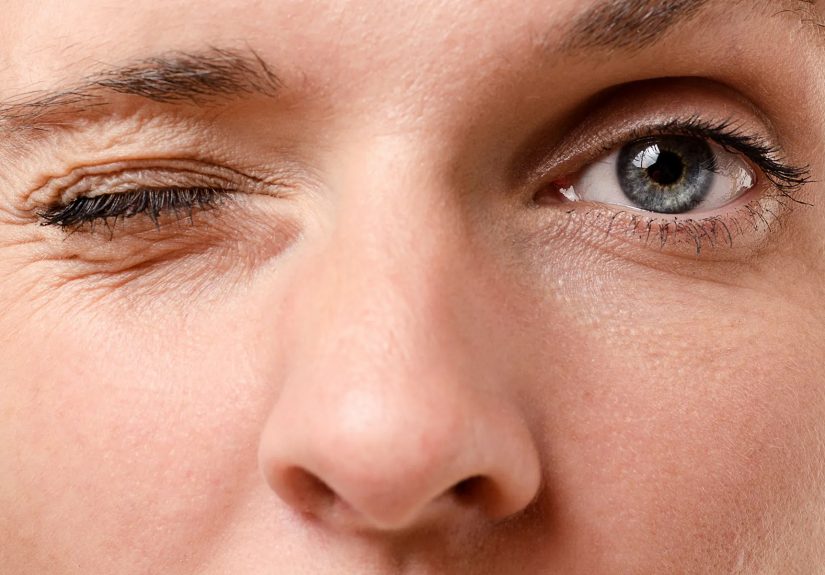
Eye twitching usually refers to an involuntary movement or spasm of the eyelid. It may feel like a quick flutter, a pulsing sensation, a small tug, or a repeated ripple under the skin. Sometimes you can see it in the mirror. Sometimes it feels dramatic, but nobody else notices itwhich is rude, considering the performance your eyelid is giving.
Most everyday eye twitching is caused by mild irritation or overstimulation of the eyelid muscles. The orbicularis oculi muscle, which helps close the eyelids, can become twitchy when the eyes are tired, dry, irritated, or strained. In many cases, the twitch resolves on its own after rest and lifestyle adjustments.
Common Types of Eye Twitching
1. Eyelid Myokymia
Eyelid myokymia is the most common and usually the least concerning type of eye twitch. It often affects just one eyelid and is linked with stress, fatigue, too much caffeine, eye strain, alcohol, nicotine, dry eye, bright light, wind, or surface irritation. It usually does not signal a serious disease and often fades with time.
2. Benign Essential Blepharospasm
Benign essential blepharospasm is less common and more disruptive. It causes repeated, uncontrollable blinking or spasms of the muscles around both eyes. In severe cases, the eyelids may clamp shut for seconds or longer, interfering with reading, driving, working, or normal daily activities. This condition is related to dystonia, a movement disorder involving involuntary muscle contractions.
3. Hemifacial Spasm
Hemifacial spasm affects one side of the face. It may begin around one eye and later involve the cheek, mouth, or other facial muscles on the same side. Unlike a simple eyelid twitch, this type can suggest irritation or abnormal signaling of the facial nerve and should be evaluated by a healthcare professional.
Why Is My Eye Twitching?
Eye twitching usually has a practical trigger. Your eyelid is not sending you a prophecy. It is probably sending you a memo: “Please sleep. Also, maybe less espresso.”
Stress
Stress is one of the biggest triggers for eyelid twitching. When your body is under pressure, your nervous system becomes more alert. Muscles may tense, sleep may suffer, and small spasms may show up in places you did not invite themlike your eyelid during a video meeting.
Fatigue and Lack of Sleep
Sleep deprivation can irritate the nervous system and make muscles more prone to twitching. If your eye twitch starts after late nights, travel, studying, long workdays, or a Netflix “just one more episode” incident, fatigue may be the culprit.
Caffeine Overload
Coffee, tea, energy drinks, cola, and pre-workout supplements can all contribute to eye twitching in some people. Caffeine stimulates the nervous system. A moderate amount may help you feel awake; too much may make your eyelid behave like it has its own Wi-Fi signal.
Digital Eye Strain
Long periods of screen use can lead to eye strain and dryness. When you stare at a computer, phone, or tablet, you may blink less often. Less blinking means less tear film spreading across the eye surface. Dry, tired eyes can become irritated, and irritation may trigger twitching.
Dry Eyes
Dry eye is a common contributor to eyelid twitching. It may happen because of screen use, contact lenses, aging, indoor air conditioning, heating, wind, certain medications, or medical conditions. Dry eyes may burn, sting, feel gritty, water excessively, or make vision temporarily blurry.
Eye Irritation or Allergies
Dust, pollen, smoke, air pollution, dirty contact lenses, makeup particles, and eyelid inflammation can irritate the eye surface. Allergy-related itching may lead to rubbing, which can make twitching worse. Your eye may be saying, “Please stop touching me with your outdoor fingers.”
Alcohol and Nicotine
Alcohol and nicotine can affect the nervous system and may contribute to eyelid twitching in some people. If twitching appears after smoking, vaping, or drinking, cutting back may help.
Bright Light and Wind
Bright sunlight, glare, dry air, and wind can irritate the eyes and increase blinking. Sunglasses, lubricating eye drops, and avoiding direct airflow from fans or vents may reduce symptoms.
How Long Does Eye Twitching Last?
A mild eye twitch may last a few seconds or minutes. It may return off and on for several days, especially if the trigger continues. For many people, it disappears once they sleep better, reduce caffeine, hydrate, manage stress, or treat dry eye.
If the twitch lasts longer than a couple of weeks, becomes stronger, closes the eyelid completely, affects both eyes in a severe way, or spreads to other facial muscles, it is time to schedule an exam. Persistent twitching is still often manageable, but it should not be ignored.
How to Stop Eye Twitching Naturally
There is no magic button for stopping every eyelid twitch, but many cases improve with simple habits. Think of this as eyelid diplomacy: calm the system, reduce irritation, and stop feeding the twitch monster.
Get More Sleep
Start with the obvious but powerful fix: rest. Aim for a consistent sleep schedule and enough hours to feel genuinely restored. Your eyelid may not send a thank-you card, but it may stop tap dancing.
Reduce Caffeine Gradually
If you drink a lot of coffee, tea, soda, or energy drinks, try reducing your intake slowly. Quitting suddenly can cause headaches and crankiness, which may create a new problem: becoming the office thundercloud. Switch one caffeinated drink for water or herbal tea and observe whether the twitch improves.
Use the 20-20-20 Rule
For screen-related eye strain, try the 20-20-20 rule: every 20 minutes, look at something about 20 feet away for 20 seconds. This helps relax focusing muscles and reminds you to blink. It is a tiny break with surprisingly big potential.
Try Artificial Tears
Over-the-counter lubricating eye drops may help if dryness is involved. Choose preservative-free artificial tears if you need to use them often. Avoid “redness relief” drops for routine dryness unless your eye doctor recommends them, because some can cause rebound redness with frequent use.
Apply a Warm Compress
A warm compress can soothe irritated eyelids and relax the area. Use a clean washcloth with warm, not hot, water. Place it gently over closed eyelids for several minutes. This is also a socially acceptable excuse to pause and look peaceful.
Limit Alcohol and Nicotine
If you notice a connection between twitching and alcohol, smoking, or vaping, cutting back may help. Your eyelid is not a moral judge; it is just a small muscle reacting to body chemistry.
Protect Your Eyes From Irritants
Wear sunglasses outdoors, avoid direct fan or air-conditioner airflow, remove eye makeup before bed, clean contact lenses properly, and replace old cosmetics. If allergies are involved, ask a clinician or pharmacist about safe allergy eye drops.
When Should You See a Doctor for Eye Twitching?
Most eye twitches are not emergencies. Still, certain signs mean you should contact an eye doctor, primary care clinician, or neurologist depending on the symptoms.
Seek medical care if:
- The twitch lasts more than two weeks.
- Your eyelid closes completely or you cannot open it normally.
- The twitch spreads to your cheek, mouth, or other parts of the face.
- You have drooping eyelids, facial weakness, or facial asymmetry.
- Your eye is red, swollen, painful, or producing discharge.
- You develop vision changes, double vision, or light sensitivity.
- The twitch started after a new medication.
- The spasms interfere with driving, reading, working, or daily life.
These signs do not automatically mean something serious is happening, but they do mean the twitch deserves professional attention.
Diagnosis: What Happens at the Eye Doctor?
An eye doctor may ask when the twitch started, how often it happens, which eyelid is affected, whether it closes the eye, and whether other facial muscles are involved. They may also ask about sleep, caffeine, stress, medications, contact lens use, allergies, and screen habits.
The exam may include checking your vision, eyelids, eye surface, tear film, eye pressure, and eye movement. If symptoms suggest blepharospasm, hemifacial spasm, or another neurological issue, you may be referred to a neurologist or movement disorder specialist. In some cases, imaging or additional testing may be recommended, especially when twitching involves one side of the face or comes with weakness or other neurological symptoms.
Medical Treatment Options for Persistent Eye Twitching
For everyday eyelid myokymia, medical treatment is often unnecessary. Lifestyle changes and eye comfort measures usually do the job. But persistent or severe spasms may need targeted care.
Artificial Tears or Dry Eye Treatment
If dry eye is driving the twitch, treatment may include lubricating drops, eyelid hygiene, warm compresses, prescription anti-inflammatory drops, changes to contact lens habits, or treatment for eyelid inflammation.
Medication Review
Some medications can contribute to twitching or muscle movement symptoms. Do not stop a prescribed medication on your own. Instead, ask your healthcare professional whether your medicine could be playing a role and whether alternatives are appropriate.
Botulinum Toxin Injections
For benign essential blepharospasm or hemifacial spasm, botulinum toxin injections are commonly used. These injections relax overactive muscles by blocking nerve signals in the treated area. The effect is temporary, so treatment usually needs to be repeated periodically. This is not the same as getting cosmetic Botox for forehead lines, although the ingredient family may be similar. In this case, the goal is function: keeping eyelids from spasming shut.
Surgery in Rare Cases
Surgery is rarely needed for simple eyelid twitching. However, in severe blepharospasm or hemifacial spasm that does not respond to other treatment, specialists may discuss surgical options. The right choice depends on the diagnosis, severity, overall health, and risk-benefit discussion with a specialist.
Can Eye Twitching Be Prevented?
You cannot prevent every twitch. Bodies are weird, and eyelids apparently enjoy improvisational jazz. But you can reduce your odds by keeping common triggers under control.
- Sleep consistently.
- Manage stress with breaks, movement, breathing exercises, or therapy when needed.
- Limit excessive caffeine and alcohol.
- Use artificial tears if your eyes feel dry.
- Follow the 20-20-20 rule during screen use.
- Keep contact lenses clean and replace them as directed.
- Wear sunglasses in bright light and wind.
- Schedule regular eye exams, especially if you have vision strain or dry eye symptoms.
Eye Twitching Myths: What Not to Panic About
Myth 1: Eye Twitching Always Means Something Is Seriously Wrong
False. Most eyelid twitches are benign and temporary. They are commonly linked to stress, fatigue, caffeine, dry eyes, or eye strain.
Myth 2: Everyone Can See My Eye Twitch
Usually false. Eye twitching often feels much bigger than it looks. You may feel like your eyelid is waving a tiny flag, while everyone else sees absolutely nothing.
Myth 3: Magnesium Always Fixes Eye Twitching
Not necessarily. Nutritional deficiencies can affect muscles, but most common eyelid twitching is not proven to be caused by a magnesium deficiency. Do not take high-dose supplements without medical advice, especially if you have kidney disease or take medications.
Myth 4: Blue Light Glasses Are the Main Solution
Blue light glasses may help some people feel more comfortable, but eye twitching related to screen use is often more about reduced blinking, dry eyes, glare, poor ergonomics, and long periods of close focus. Breaks, blinking, proper lighting, and artificial tears may be more useful.
Real-Life Experiences With Eye Twitching
Eye twitching often appears during ordinary life, not during dramatic medical mystery scenes. For example, imagine a college student during finals week. She is sleeping five hours a night, drinking iced coffee like it is a personality trait, staring at a laptop until 2 a.m., and wondering why her lower eyelid keeps pulsing. In this situation, the twitch is probably not random. Her body is running on stress, caffeine, and screen glare. When she sleeps more, takes screen breaks, hydrates, and cuts back on caffeine, the twitch may fade within days.
Now picture an office worker who spends eight to ten hours a day switching between spreadsheets, video calls, messages, and phone notifications. His eyes feel dry by late afternoon, but he ignores it because deadlines have no mercy. Then one eyelid starts fluttering whenever he focuses on the screen. This experience is common. Long screen sessions reduce blinking, and dry eyes can trigger irritation. A practical routine20-20-20 breaks, lubricating drops, better monitor height, reduced glare, and no direct fan blowing at the facemay calm the twitch and make the workday less visually exhausting.
Another common story involves stress. A parent juggling work, errands, bills, meals, and family responsibilities may notice an eyelid twitch during a particularly intense week. Nothing else is wrong: no pain, no weakness, no vision changes. The twitch becomes a tiny physical reminder that the nervous system is overloaded. In this case, stress reduction does not have to mean booking a mountain retreat and becoming unavailable until spring. It can mean ten-minute walks, breathing exercises, earlier bedtime, fewer late-night emails, and saying no to one unnecessary obligation. Small changes count.
Some people notice eye twitching after travel. Airplanes, hotel air conditioning, poor sleep, dehydration, extra coffee, and schedule disruption can all gang up on the eyes. A traveler may land after a red-eye flight and discover that one eyelid is buzzing like a faulty porch light. Usually, hydration, rest, artificial tears, and a quiet evening help. Sunglasses can also reduce light sensitivity and wind irritation while the eyes recover.
Contact lens wearers have their own version of the story. A person may wear contacts too long, forget to replace lenses on schedule, or expose the eyes to dust and dry air. The eye surface becomes irritated, and the lid starts twitching. Switching to glasses for a day or two, using lubricating drops approved for contacts, and improving lens hygiene may help. However, redness, pain, discharge, or light sensitivity with contact lens use should be taken seriously and checked promptly.
Then there is the “too much coffee, not enough water” twitch. Someone may enjoy several cups of coffee, a soda at lunch, and an energy drink before the gym. By evening, the eyelid begins its tiny percussion solo. The solution is not always quitting caffeine forever; sometimes it is simply reducing the total amount, avoiding caffeine late in the day, and replacing one drink with water. The eyelid does not need perfection. It often needs moderation.
There are also experiences that require more caution. If twitching becomes strong enough to close the eye, happens in both eyes with repeated squeezing, spreads down one side of the face, or continues for weeks, it moves beyond the usual “I need sleep” category. A person with these symptoms should not keep waiting and hoping. Medical evaluation can identify whether the issue is blepharospasm, hemifacial spasm, dry eye disease, medication-related symptoms, or another condition. The sooner the correct cause is identified, the sooner appropriate treatment can begin.
The main lesson from real-life eye twitching is simple: context matters. A quick flutter after poor sleep is usually different from persistent spasms that affect vision or facial movement. Pay attention to your body, but do not panic every time your eyelid wiggles. Most of the time, your eye is not announcing disaster. It is asking for rest, moisture, fewer stimulants, and maybe a break from staring at a glowing rectangle all day.
Conclusion
Eye twitching is usually a harmless eyelid spasm linked to everyday triggers such as stress, fatigue, caffeine, dry eyes, screen use, allergies, alcohol, nicotine, bright light, or irritation. Most mild twitches go away on their own with rest, hydration, reduced caffeine, artificial tears, warm compresses, and better screen habits.
However, persistent or severe eye twitching should not be ignored. See a healthcare professional if the twitch lasts more than two weeks, closes the eyelid, spreads to other facial muscles, causes vision problems, or comes with redness, swelling, pain, discharge, drooping, or facial weakness. In rare cases, conditions such as benign essential blepharospasm or hemifacial spasm may require medical treatment, including botulinum toxin injections or specialist care.
Your eyelid may be tiny, but it can be a surprisingly honest messenger. Listen to it. Sleep more, blink more, stress less, moisturize those eyes, and do not let caffeine become your longest relationship.