Table of Contents >> Show >> Hide
- Why End-of-Life Anxiety Is Different (and Harder to Treat)
- Psychedelic-Assisted Therapy: What It Is (and What It Absolutely Isn’t)
- What the Research Shows So Far (and What It Doesn’t)
- Ketamine in Palliative Care: The Practical Cousin at the Family Reunion
- How Psychedelics May Help People Face Death With Less Fear
- Safety, Screening, and the Part Nobody Should Skip
- The Legal Landscape in the United States: A Patchwork Quilt (With Missing Squares)
- Ethics and Equity: Who Gets Peace, and Who Gets a Waitlist?
- Practical Questions Patients and Families Ask (A Mini FAQ)
- Where This Is Headed: A Likely Future, Not a Finished One
- Experiences With Psychedelics at the End of Life: Three Composite Stories (and One Awkward Truth)
- Conclusion
Death has a way of turning the volume up on everything. The questions get louder. The regrets get sharper. The
“What now?” thoughts show up at 3 a.m. like they pay rent.
In hospice and palliative care, clinicians have long focused on comfortrelieving pain, nausea, breathlessness,
and the gnawing anxiety that can come with serious illness. But there’s another kind of suffering that doesn’t show
up on a blood test: existential distress. It’s the fear of disappearing, the ache of unfinished business, the feeling
that life’s story is ending mid-sentence.
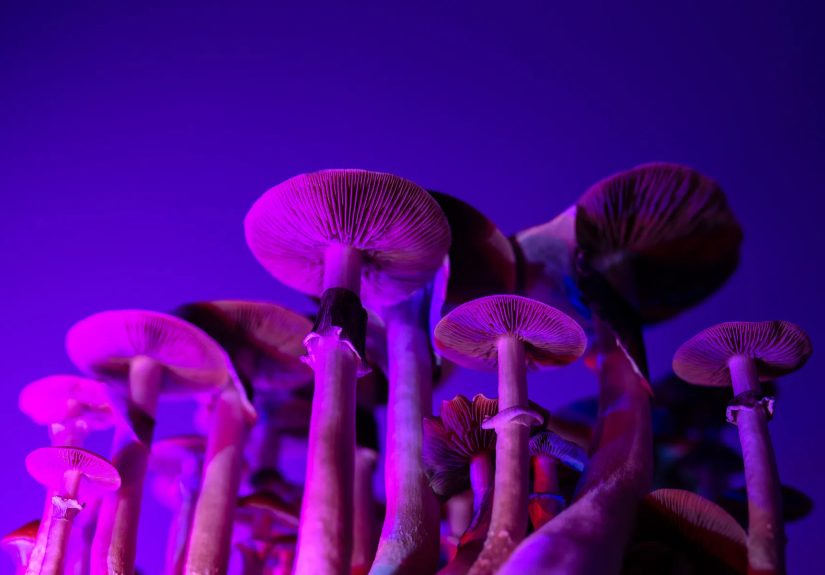
Over the last decade, a surprising set of tools has re-entered the conversation: psychedelicsespecially
psilocybin (the active compound in “magic mushrooms”), and in some contexts ketamineused with careful screening and
structured psychological support. Not as a party trick. Not as a shortcut to enlightenment. As a clinical approach
aimed at easing suffering when time is precious and talk therapy alone sometimes can’t reach the deepest fear.
Why End-of-Life Anxiety Is Different (and Harder to Treat)
Depression and anxiety in serious illness aren’t always about “brain chemistry” in the everyday sense. They can be
rooted in real, rational grief: loss of independence, changing identity, family worries, financial stress, spiritual
confusion, andyesthe obvious fact that you’re confronting mortality.
Many people describe a specific cluster of distress near the end of life:
- Death anxiety (fear of dying, fear of what comes after, fear of pain, fear of being a burden)
- Demoralization (a sense of hopelessness, meaninglessness, or “What’s the point now?”)
- Existential isolation (feeling alone even when loved ones are present)
- Spiritual distress (conflict between beliefs, guilt, anger, or confusion)
Traditional options can helpcounseling, antidepressants, benzodiazepines, spiritual care, dignity therapy,
meaning-centered psychotherapy. But some approaches are slow to work, some have side effects, and some don’t quite
touch the “I’m terrified of not existing” problem. That’s where psychedelic-assisted therapy has drawn attention:
not because it erases reality, but because it may change how reality is experienced.
Psychedelic-Assisted Therapy: What It Is (and What It Absolutely Isn’t)
Psychedelic-assisted therapy isn’t “take a substance and hope for the best.” In clinical research and regulated
programs, it’s usually a structured process with preparation, a supervised dosing session, and integration afterward.
The medicine is one ingredient; the container matters just as much.
The three phases, in plain English
-
Preparation: building trust, reviewing medical/psychiatric history, setting intentions, learning what
to do if anxiety spikes, and making a plan for support afterward. -
Supervised session: a controlled setting with trained professionals. The environment is calm and
supportive. The goal is safety and emotional opennessnot entertainment. -
Integration: making meaning from what happened, translating insights into daily life, and addressing
any difficult material that surfaced.
If that sounds like a lot, it is. That’s part of the point. Psychedelics can intensify emotions and perception.
They’re not a casual “self-care hack.” In end-of-life care, where vulnerability is already high, the ethical bar is
even higher.
What the Research Shows So Far (and What It Doesn’t)
The modern wave of interest in psychedelics for serious illness didn’t start with social media. It was sparked by
carefully designed clinical studiesespecially psilocybin-assisted therapy for anxiety and depression in people with
life-threatening cancer.
Psilocybin and cancer-related anxiety/depression
Two landmark clinical trials published in 2016 (one associated with Johns Hopkins researchers and another with NYU
researchers) reported that a single psilocybin session, paired with psychological support, was linked with substantial
reductions in depression and anxiety in many participants, with benefits lasting months for a significant portion of the
group. Participants also reported improvements in quality of life, life meaning, and spiritual well-beingoutcomes that
matter profoundly when you’re measuring time in seasons, not decades.
A key detail often missed in headlines: these were not “microdosing” studies. They typically involved one carefully
supervised session with a full therapeutic dose, in a setting designed to reduce fear and maximize psychological safety.
Longer-term follow-up: benefits that may persist
More recent follow-up research in patients with cancer and major depression suggests that some individuals may experience
durable improvements (including sustained reductions in depressive symptoms) after psilocybin-assisted psychotherapy.
That doesn’t mean it works for everyone, and it doesn’t mean suffering disappears. But it hints at something clinicians
find especially meaningful in palliative care: a possibility of relief that arrives quickly and lasts longer than a
few good days.
End-of-life demoralization: a newer target
Depression isn’t the only issue at the end of life. Demoralizationfeeling trapped, defeated, or stripped of dignityhas
become a specific focus. Ongoing trials in palliative care are exploring whether psilocybin-assisted therapy can reduce
demoralization in adults near the end of life (often defined in research as a life expectancy of two years or less).
This is important because demoralization can drive profound suffering even when pain is managed well.
Limitations worth saying out loud
- Small sample sizes: many studies are still relatively small compared with mainstream drug trials.
- Blinding is hard: it’s difficult to “mask” a psychedelic experience, which can influence expectations.
- Selection bias: participants are often carefully screened and supporteddifferent from real-world settings.
- Not a cure-all: some people don’t respond, and some have challenging experiences that require skilled follow-up.
In other words: promising, not proven. Powerful, not simple.
Ketamine in Palliative Care: The Practical Cousin at the Family Reunion
Ketamine is not a “classic psychedelic” like psilocybin or LSD, but at certain doses it can produce altered states,
including dissociation. Unlike psilocybin, ketamine is already used in medicine (anesthesia and pain management) and is
sometimes used off-label for depression. That makes it more accessible in clinical settingsthough “more accessible”
doesn’t automatically mean “better.”
In palliative care, ketamine has been discussed for refractory pain and for depressionparticularly when rapid relief
matters. Some hospice-focused observations and reviews suggest potential benefits for mood symptoms, but the evidence
base is mixed, and best practices (dose, duration, patient selection, monitoring) are still being refined.
The key difference for end-of-life care:
- Ketamine often functions as a faster-acting symptom tool (sometimes with transient effects).
- Psilocybin-assisted therapy is being studied as a meaning-and-fear interventionless about numbing and more about re-framing.
Think of ketamine as the “urgent care” option and psilocybin therapy as the “intensive guided inner expedition.”
Both can be clinically relevant; they’re just not interchangeable.
How Psychedelics May Help People Face Death With Less Fear
The most compelling reports from psychedelic-assisted therapy aren’t about seeing neon fractals or chatting with a
talking cactus (though brains are creative). They’re about psychological shifts that reduce suffering:
1) A different relationship with fear
Many participants describe encountering fear directlysometimes vividlyand then moving through it rather than
avoiding it. The experience can feel like emotional exposure therapy on fast-forward, but in a supportive setting.
2) A sense of meaning and connection
People often report feeling connectedto loved ones, to nature, to a sense of “something larger,” or simply to the fact
that they’ve lived a real life. Even for nonreligious participants, the language of “meaning” and “peace” shows up
frequently.
3) Perspective shifts that outlast the session
One reason researchers are so interested is durability. In multiple studies, symptom improvements weren’t just “I felt
better that day.” Some people reported reduced death anxiety and improved well-being weeks or months later.
A useful way to think about it: the intervention isn’t trying to delete the fact of death. It’s trying to reduce the
panic response that makes death feel like a psychological emergency every waking minute.
Safety, Screening, and the Part Nobody Should Skip
Psychedelics are not risk-free. In end-of-life settings, safety includes both medical monitoring and psychological
protection. A responsible program takes the following seriously:
Medical considerations
- Cardiovascular effects: classic psychedelics can temporarily increase blood pressure and heart rate.
- Medication interactions: certain drug combinations can increase risk, especially without medical oversight.
- Serious illness complexity: advanced cancer, frailty, and multiple medications require careful coordination.
Psychiatric considerations
- History of psychosis or bipolar disorder: often screened out in trials due to higher risk.
- Severe untreated trauma: not an automatic “no,” but it raises the need for specialized support.
- Acute suicidality: requires urgent care pathways, not experimental shortcuts.
The most common acute challenge reported in supervised settings is not “addiction.” It’s anxiety during the experience.
That’s why preparation and skilled support matter. A difficult session isn’t necessarily a failed sessionbut it can be
harmful if someone is left alone with it.
The Legal Landscape in the United States: A Patchwork Quilt (With Missing Squares)
Federally, psilocybin remains illegal outside of approved research pathways. That single sentence shapes nearly
everything: access, cost, safety standards, and where care can happen.
Meanwhile, some states have created regulated programs. Oregon, for example, launched a licensed psilocybin services
framework that began accepting license applications in early 2023, with service centers opening afterward. Colorado has
also been building a regulated “natural medicine” program with a phased rollout and licensing timelines.
Important reality check: state programs are not the same as FDA-approved medical treatments. They can include training and
safety rules, but they don’t automatically integrate with hospital systems, oncology care, or hospice benefits. That gap
is one reason many clinicians emphasize research pathways and careful policy development, especially when working with
medically fragile populations.
Ethics and Equity: Who Gets Peace, and Who Gets a Waitlist?
If psychedelic-assisted therapy becomes part of end-of-life care, it raises ethical questions that can’t be hand-waved
away with “but it’s natural.”
- Informed consent: How do you ensure patients understand an experience that can be intense and hard to describe?
- Power dynamics: End-of-life patients may feel pressure to “try anything.” Programs must protect autonomy.
- Access: If this remains boutique and expensive, it could become comfort care for the privileged.
- Cultural fit: Some people are drawn to spiritual framing; others want strictly clinical language. Care should flex to the patient, not the trend.
The goal should be simple: reduce suffering without creating new harm. That means training, standards, oversight,
and humilityespecially when working with people who don’t have the luxury of “trying again next year.”
Practical Questions Patients and Families Ask (A Mini FAQ)
“Will it make me hallucinate?”
Psychedelics can alter perception and generate vivid imagery, but the therapeutic aim isn’t “cool visuals.” It’s an inner
experienceemotions, memories, meaning, and perspectiveheld in a safe setting.
“Will it make me believe something that isn’t true?”
Some people interpret experiences spiritually; others interpret them psychologically. Ethical care avoids pushing any
belief system. Integration focuses on what the experience means to the patient, not what it “should” mean.
“Can I just do this on my own?”
Self-medicating is riskylegally, medically, and psychologicallyespecially with serious illness and complex medications.
The research results people cite come from structured settings with screening, monitoring, and professional support.
“What if I have a bad trip?”
Challenging experiences can happen. In supervised settings, preparation and skilled support reduce risk and help people
move through fear safely. Post-session integration is part of preventing distress from lingering.
Where This Is Headed: A Likely Future, Not a Finished One
The U.S. medical system is inching toward clearer rules: federal regulators have issued guidance aimed at improving the
design and rigor of psychedelic clinical trials. Research groups are expanding studies in cancer care, depression, and
palliative care outcomes like demoralization and existential distress.
If the next phase of research confirms safety and benefit in diverse real-world populations, psychedelic-assisted therapy
could eventually become a specialized option within palliative caresomething like a “meaning intervention” offered to
eligible patients who want it, alongside existing supports.
But the path matters. The end-of-life context is not the place for hype. It’s the place for honesty, compassion, and
rigorbecause the stakes are literally everything.
Experiences With Psychedelics at the End of Life: Three Composite Stories (and One Awkward Truth)
What follows are composite, illustrative vignettes based on commonly reported themes in clinical
research and clinical reportingnot identifiable real patients. Think of them like “emotional case studies” that show
what people often mean when they say psychedelics helped them face death with less fear.
1) The Engineer Who Tried to Spreadsheet Mortality
“I’m not afraid of dying,” he insisted. “I’m afraid of the process.” He could list side effects with the precision
of a pilot reading a pre-flight checklist. The problem was that his brain treated every symptom like a fire alarm.
In preparation sessions, he kept asking for guarantees. No one offered them. Instead, he was taught skills for riding
waves of anxietybreathing, grounding, and a phrase that felt ridiculous at first: “Let it happen.”
During the session, he described fear as a machine he couldn’t shut off. Then the machine dissolved into something softer:
a sense that he didn’t have to “win” against death, only meet it without being dragged behind it. Later, he joked that
his biggest breakthrough was realizing there is no Excel formula for surrender. He still had hard days. But his panic
spikes eased, and he started using his remaining time less like a crisis management project and more like… time.
2) The Mom Who Couldn’t Stop Worrying About Her Kids
Her fear wasn’t abstract. It had names and ages. She was haunted by milestones she might missgraduations, weddings,
the little daily things like packing lunches and reminding everyone to drink water.
In a guided experience, she reported seeing memories not as a slideshow but as a living room she could walk into.
The “trick” wasn’t escaping reality; it was re-feeling love without immediately turning it into dread. She described
a moment of deep grief that felt like breakingand then a moment of warmth that felt like being held.
Integration focused on practical legacy work: letters, voice messages, a shared photo project, and the hardest part:
trusting that love doesn’t stop because a body stops. Her sadness didn’t vanish. But the fear loosened its grip, and she
began talking to her kids more openlyless like she was “protecting” them from the truth, and more like she was giving
them permission to love her fully without pretending.
3) The Veteran Who Didn’t Want “Spiritual Stuff”
He was clear: no mysticism, no crystals, no “the universe has a plan.” He wanted relief from the relentless internal
pressure: regret, anger, and the sense that his life had been one long attempt to outrun pain.
In the session, he didn’t meet angels. He met himselfspecifically the younger version he’d spent decades criticizing.
He described it like being forced to sit in the same room with his own vulnerability. Not comfortable. Not cute. But
honest.
The surprising outcome wasn’t a new belief system. It was self-forgiveness, which felt more practical than spiritual:
“I don’t have to carry this like a backpack full of bricks.” In the weeks that followed, he started sleeping better and
engaging more with family. When asked what changed, he said, “I’m still dying. I’m just not arguing with it 24/7.”
The awkward truth: not every session is gentle
Some experiences are difficult. People can encounter fear, grief, trauma, or a sense of losing control. That’s why
setting, screening, and support aren’t “nice extras.” They are the safety system. In end-of-life care, the goal isn’t a
perfect trip. It’s a supported process that reduces suffering overallsometimes through peace, sometimes through
difficult emotional work, and often through both.
If psychedelic-assisted therapy becomes part of palliative care, its best version will look less like a cultural trend
and more like good medicine: careful, compassionate, evidence-based, and centered on the patient’s values. Facing death
without fear doesn’t mean smiling all the time. It means having enough inner room to be humanright up to the end.
Conclusion
Psychedelics in end-of-life care sit at the intersection of medicine and meaning. The early evidenceespecially for
psilocybin-assisted therapy in serious illnesssuggests real potential to reduce anxiety, depression, and death-related
distress when delivered with careful support. Ketamine may also have a role, particularly when rapid symptom relief is
needed, though its evidence and effects differ from classic psychedelics.
The promise is not that psychedelics make death “easy.” The promise is something more realistic and more profound:
they may help some people meet the final chapter with less panic, more connection, and a steadier sense of meaning.