Table of Contents >> Show >> Hide
- A quick reality check (with a side of kindness)
- The 5 key nutrients to focus on (and the foods that actually help)
- Symptom-smart eating (because COVID doesn’t read your meal plan)
- A practical “COVID recovery menu” (low effort, high return)
- What about supplements?
- When to get medical help (nutrition can’t do everything)
- Real-world experiences: what people often notice (and what tends to help)
- Conclusion
If you’ve got COVID-19, you’re probably not in the mood for a “food journey.” You’re in the mood for:
sleep, water, and maybe a snack that doesn’t taste like cardboard. Totally fair.
Here’s the deal: no single food (or supplement) can prevent, treat, or “cure” COVID-19. But eating and drinking
strategically can help you feel better, keep your strength up, and support recoveryespecially when symptoms like
fever, sore throat, nausea, fatigue, and low appetite make meals feel like a group project you didn’t sign up for.
A quick reality check (with a side of kindness)
Your goal when you’re sick is not “perfect nutrition.” Your goal is enough nutritionplus hydration.
Think of it like charging a phone: even a short charge is better than letting the battery hit 0%.
- Prioritize fluids (especially if you have fever, sweating, diarrhea, or vomiting).
- Aim for calories + protein in whatever form you can tolerate (soups, smoothies, yogurt, eggs).
- Choose gentle textures if your throat hurts or you’re nauseated.
- Small and often beats one big meal that feels impossible.
The 5 key nutrients to focus on (and the foods that actually help)
These nutrients show up again and again in evidence-based nutrition guidance because they support immune function,
tissue repair, and the basic “keep-things-running” jobs your body is doing while it fights a virus.
1) Protein (the recovery MVP)
Your immune system is built from proteins, and your body needs protein to repair tissues and maintain muscleespecially
when you’re resting a lot and eating less. If COVID leaves you wiped out, protein can also help meals feel more
satisfying and stabilizing.
Protein-rich foods that are usually easy to manage:
- Eggs (scrambled, boiled, or dropped into soup)
- Greek yogurt or kefir (smooth texture; good when chewing feels like work)
- Chicken, turkey, or fish (especially in broth/soup form)
- Beans, lentils, tofu (soft, comforting, and budget-friendly)
- Nut butters (peanut/almond butter stirred into oatmeal or smoothies)
Try this: If you can only handle “snack meals,” make them protein-anchored: yogurt + fruit,
toast + peanut butter, or a cup of soup with an egg stirred in.
2) Vitamin C (support, not magic)
Vitamin C supports immune function and acts as an antioxidant. It won’t “zap” COVID away like a sci-fi laser,
but getting enough helps your body do normal immune work. Bonus: many vitamin C foods also bring fluids and fiber.
High–vitamin C foods (pick what you’ll actually eat):
- Citrus (oranges, grapefruit), kiwi, strawberries
- Bell peppers (raw if you feel up to it; roasted if you don’t)
- Broccoli, Brussels sprouts, tomatoes
- Potatoes (yeshumble, comforting, and useful)
Symptom-friendly move: If your throat hurts, try a smoothie with frozen berries + yogurt,
or warm tomato soup with a little added protein (like blended white beans or a side of scrambled eggs).
3) Vitamin D (common shortfall, important role)
Vitamin D supports many body functions, including immune health. A lot of people don’t get enough from food alone,
and sunlight exposure varies by season, lifestyle, and location. During illness, the most practical food approach is:
include vitamin D–containing foods when you canand don’t mega-dose supplements unless a clinician tells you to.
Vitamin D food sources:
- Fatty fish (salmon, sardines, trout)
- Fortified foods (milk, some plant milks, some cereals)
- Egg yolks
Easy win: A bowl of fortified cereal with milk, or a salmon pouch stirred into rice, can be a low-effort
way to check the “nutrition box” when your energy is in airplane mode.
4) Zinc (small mineral, big job)
Zinc helps your immune system function normally and supports wound healing and cell processes. You don’t need a mountain
of itjust steady, food-based intake. Too much zinc (usually from supplements) can cause problems, so food-first is the move.
Zinc-rich foods:
- Meat and poultry (beef, turkey)
- Seafood (especially oysters; also crab and some fish)
- Beans and lentils
- Nuts and seeds (pumpkin seeds are an easy topper)
- Dairy and fortified cereals
Try this: Add pumpkin seeds to oatmeal, soup, or yogurt. Minimal effort, decent payoff.
5) Omega-3 fats (helpful for inflammation balance)
Omega-3 fatty acids (like EPA and DHA from seafood) are involved in cell function and help the body manage inflammation.
They’re not a “COVID cure,” but including omega-3 foods supports overall recovery nutritionespecially if your usual diet is low in fish.
Omega-3 food sources:
- Fatty fish (salmon, sardines, herring, mackerel)
- Plant sources (chia seeds, flaxseed, walnuts, soy foods)
Symptom-friendly move: If fish feels too heavy, use plant options: stir ground flax into oatmeal,
add chia to yogurt, or snack on walnuts.
Symptom-smart eating (because COVID doesn’t read your meal plan)
If you have a sore throat
- Warm broth, soups, oatmeal, mashed potatoes, yogurt, smoothies
- Soft proteins: scrambled eggs, tofu, tender fish
- Avoid: scratchy chips, super-spicy foods, very acidic foods if they sting
If you’re nauseated or your appetite is low
- Go bland and simple: toast, rice, bananas, applesauce, crackers
- Cool foods can smell less intense: yogurt, smoothies, chilled fruit
- Try tiny “mini-meals” every 2–3 hours instead of forcing big plates
If you’re congested or coughing
- Warm liquids: tea, broth, soup (steam can feel soothing)
- Honey in tea (for older kids/teens and adults; don’t give honey to infants)
- Hydrating fruits: oranges, melon, grapes
If you have diarrhea
- Focus on fluids + electrolytes (broth, oral rehydration drinks, diluted juice)
- Gentle carbs: rice, toast, potatoes
- When you can: add protein back in (eggs, yogurt, chicken soup)
If taste/smell is off
This one is rude, and COVID has been known to be rude. If foods taste weird, lean on:
temperature, texture, and seasoning.
- Cold foods may be easier: smoothies, yogurt bowls, chilled fruit
- Add flavor without heat: lemon zest (if tolerated), herbs, mild sauces
- Use “comfort textures”: creamy soups, oatmeal, mashed sweet potatoes
A practical “COVID recovery menu” (low effort, high return)
Below is a sample day that hits hydration + protein + the key nutrients without requiring you to audition for a cooking show.
Adjust for your symptoms, allergies, and what you already have at home.
Breakfast
- Greek yogurt + berries (vitamin C) + chia seeds (omega-3)
- Or: oatmeal with peanut butter (protein) and sliced kiwi (vitamin C)
Lunch
- Chicken noodle soup (fluids + protein) with a side of toast
- Or: lentil soup (protein + zinc) with soft cooked vegetables
Snack
- Smoothie: milk/fortified plant milk (vitamin D) + frozen fruit (vitamin C) + protein add-in (yogurt or nut butter)
- Or: banana + handful of walnuts (omega-3) if you can tolerate them
Dinner
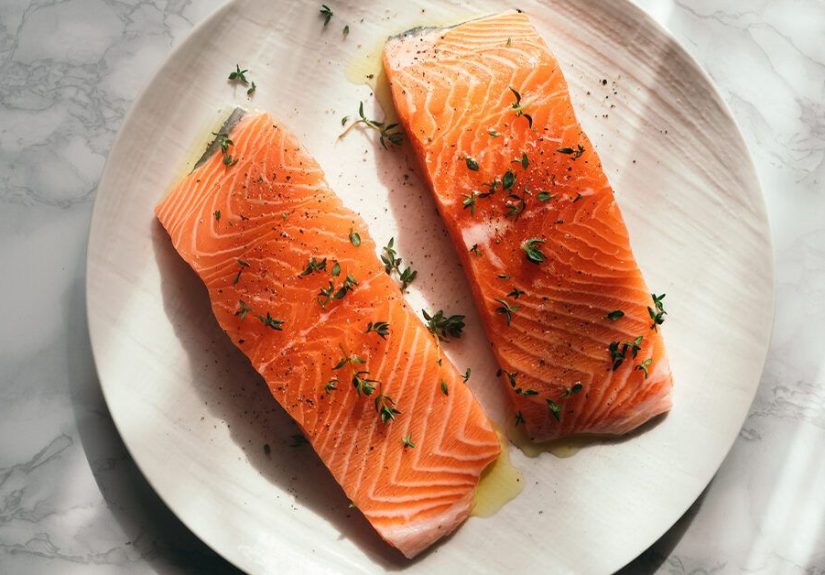
- Salmon (vitamin D + omega-3) + rice + soft cooked broccoli (vitamin C)
- Or: scrambled eggs + mashed potatoes + a side of fruit
What about supplements?
It’s tempting to throw vitamins at COVID like they’re tiny superhero capes. But reputable public health guidance has been clear:
dietary supplements aren’t meant to prevent or treat COVID-19. If you already take a standard multivitamin or you’ve been told by a clinician
to take vitamin D (or another nutrient) due to deficiency, keep following your medical advice. Otherwise, focus on food and fluids first.
- Food-first is safest for most people.
- Avoid mega-dosesespecially with zinc and fat-soluble vitaminsunless prescribed.
- If you take medications or have chronic conditions, ask a clinician before adding supplements (some can interact).
When to get medical help (nutrition can’t do everything)
Food and fluids support your body, but they aren’t a substitute for medical care. If symptoms are severe, worsening, or you can’t keep fluids down,
contact a healthcare professional. If you’re in a high-risk group (or caring for someone who is), it’s especially important to follow medical guidance.
Real-world experiences: what people often notice (and what tends to help)
People’s COVID experiences vary a lotsome feel like they have a bad cold, while others get knocked flat. Still, there are a few common food-related
patterns that show up again and again in conversations with clinicians and in everyday “what helped you?” stories.
1) Appetite can disappear. Many people say they just “aren’t hungry,” especially in the first few days. The trick is not to wait for hunger.
Instead, they do better with a schedule: a few bites or sips every couple of hours. Small portions reduce the “ugh, food” feeling, and the steady intake
helps prevent that shaky, depleted crash that can come from barely eating.
2) Taste and smell changes make favorite foods… not favorite. Some people report that foods taste metallic, overly salty, or oddly bland.
When that happens, texture becomes the hero. Smoothies, yogurt, applesauce, oatmeal, and soups often go down easier than crunchy or strongly scented foods.
People also mention that cold foods are sometimes more tolerable because they smell less intense. If everything tastes “wrong,” repeating a few safe
foods is okayrecovery is not the moment for culinary bravery.
3) Hydration feels harder than expected. Fever, sweating, and a dry mouth can make you lose fluids, and coughing can make drinking annoying.
People often do better with “micro-sips” and hydrating foods: broth, popsicles, melon, grapes, and soups. A useful hack is pairing drinks with something
that has a little salt or electrolytes (like soup or an oral rehydration drink) when you’re losing fluids.
4) Protein is easier in disguise. When chewing feels exhausting, people often tolerate protein better when it’s built into comfort foods:
eggs in soup, Greek yogurt in smoothies, blended beans in a creamy soup, or tofu in a mild broth. Even a little protein at each mini-meal can help
you feel less “wiped out,” especially during longer recoveries.
5) “One perfect nutrient” doesn’t save the dayconsistency does. A common experience is trying a bunch of immune-boosting tricks
(vitamin C megadoses, fancy powders, mysterious gummies) and then realizing the basics mattered more: fluids, enough calories, regular protein,
and gentle fruits/vegetables. People who keep it simplesoup, yogurt, eggs, fruit, toast, riceoften find it easier to eat consistently,
which is what your body needs while it’s doing repair work.
If you take anything from these experiences, let it be this: when you’re sick, “good enough” nutrition done repeatedly beats “perfect” nutrition done never.
Your body is already working overtimeyour job is to support it with steady fuel, not to win a wellness competition.
Conclusion
The best foods to eat with COVID-19 are the ones you can tolerate consistentlyespecially those that support hydration and deliver key nutrients.
Focus on protein (repair and strength), vitamin C (immune support), vitamin D (common gap and immune function),
zinc (immune system helper), and omega-3s (inflammation balance). Pair those nutrients with symptom-smart choicessoups for hydration,
bland foods for nausea, soft textures for sore throatsand you’ll give your body practical support while it recovers.