Table of Contents >> Show >> Hide
- What happened in Italy, and why the “broccoli sandwich” became the headline
- Botulism 101: the rare food poisoning that doesn’t play around
- Symptoms: what people should actually watch for
- How outbreaks worsen: a mix of biology, timing, and systems
- What authorities typically do during a suspected botulism event
- What travelers and everyday eaters should take from this
- Food safety lessons for vendors, home cooks, and anyone who loves jars
- Broccoli isn’t the problem. The nickname is.
- Conclusion: what to remember when a simple snack turns serious
- of Experience: What This Kind of Outbreak Feels Like (Without the Horror-Movie Soundtrack)
Broccoli has a PR team. It’s basically every nutrition headline’s favorite overachiever: green, virtuous, and
always “high in something.” So when the phrase “toxic broccoli sandwich” started popping up in
news reports from Italy, it sounded like a tabloid mad-lib. Unfortunately, the situation behind the nickname is
real, serious, and heartbreakingly human: a suspected foodborne botulism outbreak tied to street
sandwiches in southern Italy that, by mid-August 2025, was linked to a second death and multiple
hospitalizations.
This article breaks down what’s known about the outbreak, why botulism can turn a seemingly normal sandwich into a
medical emergency, what symptoms matter most, and what practical lessons apply to anyone who loves
grab-and-go foodwhether you’re ordering a panini on vacation or meal-prepping at home.
What happened in Italy, and why the “broccoli sandwich” became the headline
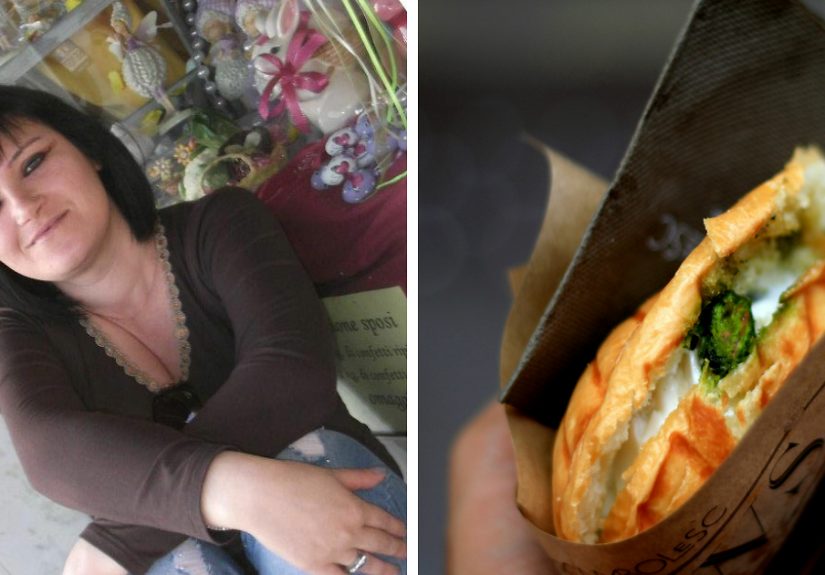
Reports in August 2025 described a cluster of severe illnesses after people ate sandwichesoften described as
sausage and broccoli rabe (sometimes called cime di rapa or friarielli)sold by a
street vendor/food truck in the Calabria region near Diamante. After the first reported death, additional cases
were investigated and more people were hospitalized. News coverage described the outbreak worsening as a second
fatality was recorded and authorities expanded their investigation and product seizures.
While early headlines shortened the story to “toxic broccoli,” the more accurate villain is the
botulinum toxin, the potent neurotoxin responsible for botulism. It’s not that broccoli is
“poisonous.” It’s that certain storage and preservation conditions (especially low-oxygen,
low-acid environments) can allow toxin production in contaminated foodssometimes including vegetables packed in
oil or improperly processed jarred products.
A quick timeline (because outbreaks move fast)
-
Early August 2025: Severe illnesses reported in Calabria after consumption of street sandwiches
containing broccoli rabe/turnip greens and sausage. -
Mid-August 2025: Reporting indicates a second death and rising hospitalization
counts; investigators widen inquiries into ingredients, handling, and clinical response. -
Later August 2025: Additional reporting suggested further fatalities in the broader outbreak
context, underscoring why rapid detection and response matter.
Botulism 101: the rare food poisoning that doesn’t play around
Botulism is a rare but serious illness caused by a toxin that attacks the nervous system. The CDC
describes it as a medical emergency because it can lead to difficulty breathing, muscle paralysis, and even death.
The toxin is produced by Clostridium botulinum (and, less commonly, related species).
Here’s the unsettling part: the toxin can be present in food without changing the smell, taste, or appearance in
a way that screams “danger.” In other words, the sandwich can look perfectly innocent. Whichlet’s be honestis
exactly how sandwiches prefer to operate.
Why vegetables-in-oil and similar foods can be risky
Botulinum spores are found in the environment. They’re not automatically a problem. Trouble starts when spores end
up in a setting that’s low in oxygen, not acidic enough, and held at temperatures that allow growth and toxin
production. That’s why food safety guidance often flags risks like improper canning of low-acid foods, and why
mixtures like garlic-in-oil have long been a cautionary example in U.S. guidance. The same underlying science can
apply to other vegetables preserved or held in oil under the wrong conditions.
Symptoms: what people should actually watch for
Botulism symptoms can start with the face and eyes and move downward. The CDC lists common signs such as
double vision, drooping eyelids, slurred speech, difficulty swallowing, muscle weakness, and trouble
breathing. Foodborne botulism can also include gastrointestinal symptoms like nausea, vomiting, or stomach
painthough the neurological symptoms are the big red flags.
When to treat it like an emergency (because it is one)
If someone develops neurological symptomsespecially trouble speaking, swallowing, or breathingafter eating food
that might be implicated in an outbreak, that’s not a “sleep it off” situation. Early medical evaluation matters
because antitoxin works best when given early. Antitoxin can prevent additional damage, but it
can’t magically undo toxin effects that have already occurred.
How outbreaks worsen: a mix of biology, timing, and systems
When people ask, “How could this happen?” the answer is usually not one dramatic mistake. It’s often a chain:
ingredient sourcing, processing, storage temperature, cross-contamination opportunities, andcruciallyhow quickly
the illness is recognized and treated.
1) The “low-oxygen trap” of certain preparations
Oil-packed vegetables (or any low-acid food in an oxygen-poor container) can be risky if not processed and stored
correctly. That doesn’t mean “never eat them.” It means those products require proper controlscommercially and at
homebecause the toxin risk is severe even when the probability is low.
2) Delayed recognition can cost time people don’t have
Botulism is rare, so many clinicians don’t see it often. That’s understandablebut it’s also why public health
messaging emphasizes quick action when symptoms fit. The CDC’s clinical guidance highlights supportive care and
antitoxin as key interventions, with ventilation when needed.
3) Street food adds speed and scale
Street vendors can serve a lot of people quickly. If a single ingredient (say, a jarred vegetable topping) is
contaminated or mishandled, exposures stack up fastespecially during tourist-heavy periods when foot traffic is
high and prep is nonstop.
What authorities typically do during a suspected botulism event
In outbreaks like this, authorities generally move on multiple tracks at once:
identifying cases, interviewing patients about what they ate, testing suspect foods, tracing supply chains,
seizing or recalling products, and ensuring hospitals can access antitoxin quickly.
Reporting around the Italy outbreak described product seizures and investigation into both the food operation and
parts of the supply chain. In parallel, public health systems emphasize rapid reporting and coordination because
botulism antitoxin isn’t the kind of thing every hospital keeps in a back closet “just in case.”
What travelers and everyday eaters should take from this
It’s tempting to reduce the story to a punchline (“even broccoli is dangerous now!”), but the real lesson is more
useful: rare doesn’t mean impossible, and when botulism happens, early recognition matters.
Practical, non-alarmist takeaways
-
Know the big symptoms. Vision changes, drooping eyelids, slurred speech, trouble swallowing,
and breathing difficulty are not normal “food poisoning.” -
Respect preservation rules. U.S. guidance warns that improperly canned low-acid foods are a
common source of botulism outbreaks, and that oil-based mixtures can be risky if stored incorrectly. -
Don’t DIY guesswork in a suspected outbreak. If public health authorities issue a warning or a
recall, follow it. If symptoms fit, seek care fast.
Food safety lessons for vendors, home cooks, and anyone who loves jars
The Italy outbreak (and similar incidents worldwide) spotlights a consistent theme: low-acid foods require
disciplined handling. In U.S. food safety guidance, low-acid foods include most vegetables and many mixed dishes.
For home canning, pressure canning is emphasized for low-acid foods because it’s designed to address the spore risk.
“But I bought it at a storecan that still be an issue?”
Yes, though it’s uncommon. Commercial foods can be recalled for botulism risk when processing controls fail. U.S.
recalls involving sauces, canned goods, or other packaged products show that the system works best when problems
are detected early and consumers take warnings seriously.
Broccoli isn’t the problem. The nickname is.
Calling it a “toxic broccoli sandwich” is attention-grabbing, but it can be misleading. The vegetable didn’t wake
up and choose chaos. What matters is the environment that allows toxin formation. If anything, broccoli is the
unfortunate celebrity face of a much bigger story about preservation, temperature, and response speed.
Conclusion: what to remember when a simple snack turns serious
The outbreak tied to broccoli rabe sandwiches in Italy is a stark reminder that botulism is rare, but high
stakes. When severe neurological symptoms show upespecially after eating foods that may have been
preserved or held under risky conditionsgetting medical help quickly can change outcomes. For the rest of us,
the best move is not fear, but smart awareness: learn the symptoms, respect recalls, and follow proven food safety
practices with low-acid and oil-packed foods.
of Experience: What This Kind of Outbreak Feels Like (Without the Horror-Movie Soundtrack)
Most people’s “experience” with food safety is wonderfully boringexactly as it should be. You buy lunch, you eat
lunch, you go back to your life. That’s why outbreaks like the so-called toxic broccoli sandwich situation land
with such a jolt: they collide with the everyday trust we place in a simple, handheld meal.
Imagine you’re on vacation in southern Italy. It’s hot, you’ve been walking for hours, and you spot a food truck
with a line (the universal sign for “this is going to be good”). You order what locals order: a warm sandwich with
sausage and greens. It tastes like the kind of meal you’ll remember fondlysalty, savory, quick, perfect. Your
brain files it under “Vacation Wins.” No drama. No warning label. No villain monologue from the broccoli.
Then, later, you start hearing the chatter. Someone says a few people got sick. A post goes around. Suddenly
you’re doing that modern ritual: refreshing news on your phone while telling yourself not to spiral. The line you
stood in now feels eerie in hindsight, even though nothing looked strange at the time. That’s a uniquely
unsettling part of botulism storiesthe food can appear normal, and the risk isn’t something you can “taste-test”
your way out of.
For families in the same town, the experience is even more immediate. One person feels off, then someone else.
Because typical food poisoning is so common, the first instinct is often to wait it outsip water, rest, assume
it’ll pass. But botulism doesn’t behave like the usual stomach bug. When symptoms shift into vision changes,
slurred speech, or trouble swallowing, the tone changes from “annoying” to “urgent” in a hurry. In that moment,
people aren’t thinking about bacterial species or preservation science. They’re thinking, “Something is really
wrong, and I need help now.”
Meanwhile, consider the experience on the vendor side, where the pace is relentless. Street food work is fast,
physical, and timing-driven: keep ingredients cold (or hot), keep hands clean, keep orders moving, keep customers
happy. If a single ingredient arrives already compromisedor if a jarred topping is stored at the wrong
temperature during a crushing rushthe consequences can be wildly disproportionate to the mistake. That’s not an
excuse; it’s a reality of how food systems work under pressure.
Finally, there’s the experience of “after.” People in the area start scanning menus differently. Locals ask where
ingredients came from. Travelers become cautious about certain toppings, not because they’re irrational, but
because they’ve watched trust get shaken in real time. And for the rest of us, far away, the story becomes a
reminder to take recalls seriously, to respect safe preservation rules, and to remember that “rare” risks still
deserve informed attentionespecially when the outcome can be severe.