Table of Contents >> Show >> Hide
- Why This Combo Works So Well
- What Makes a Mid-Century Modern Dresser So Timeless?
- Why Pumpkins Belong in a Stylish Home, Not Just on a Porch
- How to Style a Mid-Century Modern Dresser With Pumpkins
- Best Color Palettes for This Look
- Real Pumpkins or Faux Pumpkins?
- Where This Look Works Best in the Home
- Mistakes to Avoid
- Shopping and Thrifting Tips
- Friday Favorites: A 500-Word Experience With a Dresser, Pumpkins, and the Best Kind of Fall Mood
- Conclusion
There are design pairings that sound obvious, and then there are design pairings that sound a little odd until you see them together and suddenly think, “Well, now I need that in my house immediately.” A mid-century modern dresser and pumpkins belong in the second category. One is sleek, structured, and famously cool. The other is seasonal, organic, and unapologetically round. Put them together, though, and you get a look that feels warm, collected, and effortlessly stylishlike your home knows exactly what season it is without shouting it from the porch roof.
That’s the magic of this Friday favorite. A mid-century modern dresser brings order, shape, and timeless character. Pumpkins bring softness, color, and a little harvest-season charm. Together, they create the kind of fall vignette that feels thoughtful instead of theme-park cheesy. You’re not trying to turn your bedroom or entry into a pumpkin patch with Wi-Fi. You’re creating a space that nods to autumn while still honoring good design.
In this guide, we’re digging into why this pairing works so well, what to look for in a great mid-century modern dresser, how to style pumpkins without making everything look overly orange, and how to build a fall setup that feels polished, practical, and very easy to love. Spoiler: the secret is not buying seventeen novelty signs that say Gather.
Why This Combo Works So Well
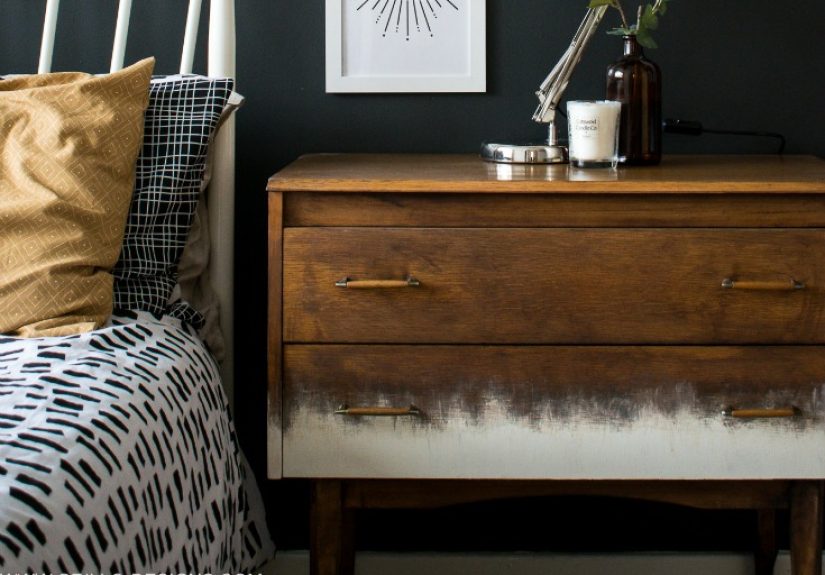
Mid-century modern furniture is beloved for a reason. It has clean lines, smart proportions, and just enough personality to feel interesting without becoming fussy. A dresser in this style often acts like a visual anchor in a room. It grounds the wall, gives you storage, and offers a flat surface that practically begs for styling.
Pumpkins, on the other hand, are little bundles of seasonal texture. They come in soft whites, pale greens, dusty oranges, and moody heirloom shades that pair beautifully with warm woods. Their curves soften the linear shape of a dresser. Their matte surfaces contrast nicely with ceramic lamps, brass hardware, glass vases, and framed art. In design terms, this pairing gives you balance. In normal human terms, it just looks really good.
The contrast is what makes it sing. A walnut dresser with tapered legs feels crisp and architectural. Add a few pumpkins, some dried stems, and maybe a stoneware bowl, and suddenly the piece feels less showroom-perfect and more lived-in. That’s the sweet spot in today’s interiors: polished, but not precious.
What Makes a Mid-Century Modern Dresser So Timeless?
Clean Lines That Never Try Too Hard
A true mid-century modern dresser usually avoids heavy ornamentation. Instead of carved flourishes or bulky trim, it leans into straight edges, subtle curves, and an overall streamlined shape. This simplicity is exactly why it works in so many homes. It doesn’t bully the room. It collaborates.
Warm Wood Tones and Gorgeous Grain
One of the most appealing features of mid-century furniture is the wood itself. Walnut, teak-inspired finishes, and other warm brown tones make the piece feel rich and welcoming. Even in a neutral room, a wood dresser adds enough visual warmth to keep the space from feeling flat. That becomes especially important in fall, when the goal is cozy, not cold.
Tapered Legs, Beveled Edges, and Smart Details
This style often includes iconic details like tapered legs, beveled edges, undercut pulls, low profiles, and slender hardware. Those small touches matter. They create the “mid-century look” without requiring you to live inside a 1962 magazine spread. The best dressers feel vintage-inspired but still useful for real life, including hiding the T-shirts you swore you folded last week.
Function First, Style Close Behind
Mid-century modern design has always prized function. A dresser should hold a lot, open smoothly, and look good doing it. That practical backbone is part of its charm. It’s not decor pretending to be furniture. It’s furniture that earns its spot and then happens to look fantastic with a lamp and three mini pumpkins on top.
Why Pumpkins Belong in a Stylish Home, Not Just on a Porch
Pumpkins are often treated like outdoor-only decor, but that sells them short. Indoors, they can act almost like sculptural objects. Small white pumpkins can read as soft neutrals. Pale green gourds add earthy color without dominating the room. Velvet pumpkins bring texture. Heirloom varieties feel more collected and less cookie-cutter than bright orange grocery-store stacks.
Used thoughtfully, pumpkins can work in bedrooms, entryways, living rooms, and dining spaces. On a dresser, they add movement and shape. They make a styled surface feel seasonal without requiring a total room makeover. And unlike some holiday decorations, they don’t demand that the rest of your decor change its entire personality.
The key is restraint. A few well-placed pumpkins can feel elegant. Twenty-seven pumpkins and a scarecrow wearing glasses? That’s a different article.
How to Style a Mid-Century Modern Dresser With Pumpkins
Start With a Strong Backdrop
Every great dresser vignette needs height. Hang a mirror above the dresser, lean a framed print against the wall, or place a larger piece of art slightly off-center for a more casual look. This backdrop gives your seasonal styling something to play against and keeps the top of the dresser from looking like a random produce display.
Add a Lamp for Shape and Warmth
A sculptural lamp is one of the easiest ways to make a mid-century modern dresser feel complete. Ceramic, pleated shades, brass accents, or mushroom-style silhouettes all work beautifully. The lamp also helps bridge the gap between the furniture’s structure and the pumpkins’ softness.
Use Pumpkins in Odd Numbers
Three pumpkins usually work better than two. Five can work if the dresser is large and the rest of the styling stays simple. Mix sizes and finishes for a collected look. For example, pair one medium heirloom pumpkin with two smaller white pumpkins, or blend a real pumpkin with a velvet version and a ceramic gourd for variety.
Layer in Natural Elements
Dried branches, eucalyptus, wheat, preserved leaves, or even a small bowl of acorns can make the arrangement feel richer. These pieces echo the natural mood of fall and help the pumpkins look intentional rather than plopped down in a panic because September arrived.
Use a Tray or Stack of Books
If your dresser styling feels scattered, corral part of it on a tray. A wood, rattan, or stone tray helps create order. A short stack of design books can also lift a pumpkin or candle and add levels to the arrangement. That little bit of height variation is what separates “I decorated” from “I set things down.”
Best Color Palettes for This Look
The easiest way to make this trend feel elevated is to choose a palette before you style. Mid-century modern dressers already bring warmth through wood tones, so your fall accents should support that rather than fight it.
Walnut + White + Olive
This is the easiest, most elegant combination. The dark wood gives depth, white pumpkins keep things airy, and olive stems or green gourds add an earthy note. It feels sophisticated and calm.
Teak + Rust + Brass
If you want a richer autumn look, lean into rust, muted orange, and brass. This palette feels cozy and classic without becoming loud. It works especially well with vintage art, amber glass, and woven textures.
Acorn + Cream + Black
For a more modern, editorial vibe, try a lighter wood dresser with creamy pumpkins and a few black accents in the frame, lamp base, or candleholder. This gives the display contrast and keeps it feeling sharp.
Moody Brown + Sage + Dusty Orange
This combination looks amazing in bedrooms and reading nooks. It feels grounded, slightly nostalgic, and perfect for anyone who likes their fall decor less “carnival” and more “quietly excellent.”
Real Pumpkins or Faux Pumpkins?
Honestly, both can work. Real pumpkins offer wonderful texture and natural variation. Their stems are often crooked, their surfaces are imperfect, and that’s part of the charm. If you love authenticity and don’t mind swapping them out as the season changes, go real.
Faux pumpkins win on convenience. They last longer, store easily, and come in fabrics and finishes that can elevate the look of a room. Velvet pumpkins, for example, can make a dresser vignette feel plush and a little luxe. Painted pumpkins in neutral tones can also feel more design-forward than standard bright orange versions.
A mix is often the best approach. Use one or two real pumpkins for organic texture, then layer in a faux pumpkin or two for durability and color control. Your dresser does not care where the pumpkin came from. It only cares about good proportions. Probably.
Where This Look Works Best in the Home
Bedroom
This is the most natural place for a mid-century modern dresser, and adding pumpkins here can make the room feel softly seasonal without becoming busy. Keep the styling low-key: a lamp, framed art, dried stems, and a few neutral pumpkins are enough.
Entryway
If you use a low dresser or credenza near the front door, this pairing creates an instant fall welcome. Add a mirror, tray for keys, and one dramatic branch arrangement. It feels warm the moment you walk in.
Dining Room or Hallway
A mid-century piece used as a sideboard can carry this look beautifully. That’s where you can go slightly fuller with pumpkins, candles, and layered serving pieces. It works especially well for casual entertaining through fall.
Mistakes to Avoid
Using too many tiny objects. A dresser can quickly start to look cluttered if every square inch is filled. Give each item a little breathing room.
Ignoring scale. A large dresser needs at least one piece with height and presence. Three mini pumpkins floating alone on a six-foot dresser will look lost.
Going too orange. Orange can be beautiful, but when every object is the exact same bright tone, the setup loses depth. Mix in creams, greens, browns, and muted metallics.
Making it too themed. If your dresser already has strong style, let the furniture lead. The pumpkins are supporting actors, not the entire cast.
Shopping and Thrifting Tips
If you’re hunting for a mid-century modern dresser, pay attention to silhouette first. Look for tapered legs, simple drawer fronts, warm wood finishes, and solid proportions. Hardware can often be changed, but shape is harder to fake. Vintage pieces may need refinishing, while newer reproductions can offer practical updates like smooth glides and safety hardware.
For pumpkins, mix price points. Grocery store minis, garden-center heirlooms, and a couple of nicer faux pumpkins can live happily together. Don’t underestimate craft stores or home retailers for velvet and ceramic versions that elevate the mix. The best fall styling often looks layered, not purchased in one frantic five-minute aisle sweep.
Friday Favorites: A 500-Word Experience With a Dresser, Pumpkins, and the Best Kind of Fall Mood
One of my favorite decorating memories started with a dresser I almost didn’t buy. It was one of those classic mid-century modern pieces with warm wood, slightly tapered legs, and just enough wear to make it feel charming instead of fragile. The drawers stuck a little, and the finish had a few scratches, but the proportions were perfect. It looked like the kind of dresser that had already lived several lives and still had excellent posture.
I brought it home on a Friday afternoon, which already felt promising. Fridays have a different energy when it comes to decorating. You’re not trying to solve your whole house before lunch on a Tuesday. You’re easing into the weekend, moving things around, making coffee too late in the day, and pretending a trip to buy one lamp is not actually a three-store mission. I set the dresser against a blank wall and immediately knew it needed companybut not too much company. Mid-century furniture likes a little breathing room. It’s stylish, but it’s not clingy.
Because it was early fall, I had a few pumpkins on the kitchen counter waiting for a purpose. Not the giant jack-o’-lantern kindsmaller heirloom ones in pale green, creamy white, and a soft dusty orange that looked almost sun-faded. I placed two on one side of the dresser, then added a ceramic lamp with a linen shade on the other. That was the moment the piece stopped looking like furniture and started looking like a scene.
I added a stack of books underneath one pumpkin because design people love height variation, and honestly, design people are right about that. Then came a stoneware vase with dried stems. Suddenly the dresser had layers: sleek wood, soft pumpkin curves, papery branches, warm light, and that quiet little sense that the room understood the assignment. Nothing matched too perfectly, which made everything look better.
What I loved most was how the pumpkins changed the mood of the dresser without changing its identity. The piece still looked mid-century modern. It still had those crisp lines and tailored details. But now it felt softer and more personal, like it had traded a blazer for a chunky knit sweater. It reminded me that good seasonal decor doesn’t need to erase your style. It should just flirt with the season a little.
Over the next few weeks, that dresser became my favorite corner of the house. In the morning, the light hit the wood grain and made the whole setup glow. At night, the lamp cast a warm pool of light over the pumpkins and books, and the room felt calmer just because that little vignette existed. Friends noticed it immediately when they came by. Not because it was loud, but because it felt finished. Intentional. Cozy in a way that didn’t require a single sign telling people to be thankful.
That’s why this pairing still feels like such a winner to me. A mid-century modern dresser gives you structure. Pumpkins bring in seasonality, color, and softness. Put them together on a Friday, when you’ve got a little time and a little imagination, and the result feels less like decorating and more like setting the tone for the whole weekend. It’s simple, stylish, and weirdly satisfyingthe home decor version of lighting a candle and finally clearing your inbox.
Conclusion
If you’ve been looking for a fall styling idea that feels elevated but still easy to pull off, this is it. A mid-century modern dresser gives you timeless design, useful storage, and a strong visual base. Pumpkins add the seasonal layer that makes the whole setup feel warm, current, and lived-in. The trick is to keep the balance right: clean lines, rich wood, soft shapes, natural textures, and a palette that feels autumnal without going overboard.
Whether you’re styling a bedroom, entryway, or sideboard, this pairing proves that good fall decor doesn’t need to be loud to be memorable. Sometimes all it takes is one handsome dresser, a few beautiful pumpkins, and the discipline not to buy another plaid gnome.