Table of Contents >> Show >> Hide
- Why This Combo Works (Flavor + Texture + Balance)
- Ingredients (With Smart Swaps)
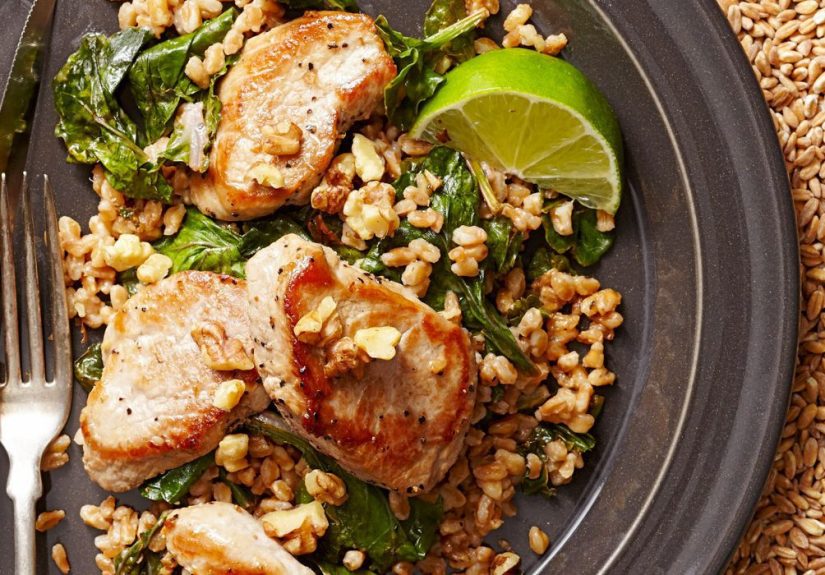
- Recipe: Garlic-Lime Pork with Farro and Kale (Step-by-Step)
- Pro Tips (So It Tastes Like You Meal-Prepped on Purpose)
- Variations (Same Vibe, Different Mood)
- Storage, Meal Prep, and Food Safety
- Nutrition Notes (Real Talk, Not a Lecture)
- FAQ
- Experiences: What It’s Like Making This Garlic-Lime Pork Bowl (And What You’ll Learn Fast)
Some dinners whisper, “I’m healthy.” This one kicks the door open and yells, “I’m healthy and I brought flavor.”
Garlic-lime pork brings the zing, farro brings the chew, and kale brings that “I totally eat greens” confidencewithout
tasting like you’re being punished for enjoying food.
This recipe is built like a great playlist: bright (lime), bold (garlic), steady bassline (farro), and a leafy chorus (kale).
It’s weeknight-friendly, meal-prep approved, and flexible enough to handle whatever’s in your fridge. If you’ve ever wanted
a dinner that feels like a power bowl but eats like comfort food, welcome home.
Why This Combo Works (Flavor + Texture + Balance)
Garlic and lime are the classic “dynamic duo” that make pork taste brighter and less heavy. Farro is an ancient wheat grain
with a pleasantly nutty flavor and a chewy bite that holds up beautifully under sauces and juices. Kale adds a slightly
earthy backbone that becomes tender and sweet once it hits heat (or a quick massageyes, kale is dramatic like that).
- Zippy: Lime juice and zest wake up the whole bowl.
- Savory: Garlic + a quick sear = dinner that smells like you know what you’re doing.
- Hearty: Farro makes it filling without feeling like a brick.
- Green-forward (but not preachy): Kale softens and soaks up flavor fast.
Ingredients (With Smart Swaps)
For the garlic-lime pork
- Pork tenderloin (about 1 to 1¼ lb) tender, lean, fast-cooking. Swap: boneless pork chops.
- Fresh lime (2) juice and zest. Bottled lime works in a pinch, but zest is the secret weapon.
- Garlic (4–6 cloves), minced measure with your heart (and your social calendar).
- Olive oil (2 tbsp) for marinade + searing.
- Honey (1–2 tsp) optional, but it rounds the acidity and helps browning.
- Ground cumin (1 tsp) warm, earthy depth. Swap: coriander.
- Smoked paprika (1 tsp) gentle smokiness. Swap: regular paprika + pinch of chili flakes.
- Kosher salt (1 to 1½ tsp) and black pepper (½ tsp).
For the farro and kale base
- Farro (1 cup dry) pearled cooks faster; whole takes longer.
- Kale (1 large bunch, about 6–8 cups chopped) lacinato (dino) kale is especially tender.
- Broth or water (about 3 cups) broth adds flavor, water is totally fine.
- Red onion (½), thinly sliced optional but great for bite.
- Extra lime wedge(s) for finishing.
- Optional toppings: chopped cilantro, sliced avocado, toasted pepitas, crumbled feta.
Recipe: Garlic-Lime Pork with Farro and Kale (Step-by-Step)
Time + yield
- Prep time: 15 minutes
- Cook time: 25–35 minutes (depends on your farro type)
- Total: ~40–50 minutes
- Serves: 4
Step 1: Marinate the pork (even a short marinade helps)
-
Pat the pork dry. In a bowl, mix: lime zest, lime juice (from 1–2 limes), minced garlic, olive oil, cumin, smoked paprika,
honey (if using), salt, and pepper. -
Coat the pork in the mixture. Let it sit while you cook the farro20 minutes is great. If you have more time,
marinate up to a few hours in the fridge.
Step 2: Cook the farro (the foolproof “taste test” method)
- Rinse farro in a fine-mesh strainer.
- Add farro to a saucepan with about 3 cups water or broth and a pinch of salt. Bring to a boil, then reduce to a simmer.
-
Cook until tender but still chewy. Start tasting early:
- Pearled farro: often ~15–30 minutes
- Semi-pearled: often ~25–35+ minutes
- Whole farro: often ~35–45+ minutes
- Drain any excess liquid (if needed) and set aside, covered, to stay warm.
Step 3: Prep the kale (no tough stems allowed)
- Strip leaves from the stems, then chop into bite-size ribbons.
-
Optional but helpful: toss kale with a tiny pinch of salt and a splash of lime juice, then rub it between your hands for
30 seconds. This softens it fast (and makes it less “chewy sweater,” more “tender green”).
Step 4: Sear and finish the pork
- Heat a large skillet over medium-high heat. Add a drizzle of oil if the pan is dry.
-
Sear pork 2–3 minutes per side until nicely browned. If using a thicker tenderloin, reduce heat to medium and continue cooking,
turning occasionally, until done. -
Cook to 145°F internal temperature for fresh pork cuts, then let it rest at least 3 minutes.
(Resting keeps it juicy and helps finish cooking.) - Transfer to a cutting board, rest, then slice thinly.
Step 5: Sauté the kale and build the bowl
-
In the same skillet (don’t waste the flavorful bits), add sliced red onion (if using) and sauté 1–2 minutes.
Add kale and a pinch of salt. - Sauté 2–4 minutes until wilted and tender. Splash in a tablespoon of water or broth if the pan gets dry.
-
Add cooked farro to the skillet and toss to combine. Squeeze in a little extra lime juice to brighten everything.
Taste and adjust salt/pepper. - Top with sliced pork and any toppings you love.
Pro Tips (So It Tastes Like You Meal-Prepped on Purpose)
Get more lime flavor without making it sour
Use zest + juice. Juice brings acidity; zest brings aroma. If your dish ever tastes “flat,” it’s often missing zest,
not more juice.
Prevent dry pork
Two keys: don’t overcook, and let it rest. Pulling pork at the right temperature and resting it briefly keeps it tender.
Also, pork tenderloin is leantreat it gently like it’s your phone screen.
Make farro ahead for weeknight speed
Farro holds up incredibly well in the fridge. Cook a batch, then use it for bowls, salads, and soups all week.
Variations (Same Vibe, Different Mood)
Spicy garlic-lime pork bowl
Add chili flakes to the marinade or finish with a hot sauce drizzle. Lime + heat is an elite combo.
Creamy avocado-lime finish
Top with sliced avocado or a quick mash of avocado + lime + salt for a creamy contrast.
Swap the greens
No kale? Use spinach (stir in at the end), Swiss chard, or even shredded cabbage for crunch.
Swap the grain
Farro is the chewy champion, but brown rice, quinoa, barley, or bulgur can sub in.
Storage, Meal Prep, and Food Safety
Store leftovers in airtight containers and refrigerate promptly. For best texture, keep pork separate from the farro-kale mix
if you’re meal-prepping for several days.
- Fridge: 3–4 days is typical for cooked leftovers when handled safely.
- Reheat: Warm gently in a skillet with a splash of water/broth to loosen; microwave works too.
- Freezer: Farro freezes well; kale is okay; pork is best when not overcooked before freezing.
Nutrition Notes (Real Talk, Not a Lecture)
This bowl hits a satisfying balance: protein from pork, fiber and slow-digesting carbs from farro, and a big micronutrient
boost from kale. Kale is known for being especially rich in vitamins like A, C, and K, and farro brings fiber and minerals
along with that hearty chew.
Exact nutrition depends on pork cut, oil amount, and toppings. If you’re watching sodium, reduce added salt and rely on citrus,
herbs, and spices for punch.
FAQ
What type of farro should I buy?
If you want speed, choose pearled farro. If you want maximum whole-grain vibe, use whole farro
just plan for a longer cook time. When in doubt, start tasting early and trust your teeth.
Can I grill the pork instead?
Absolutely. Grill over medium-high heat, turning as needed, until it reaches the proper internal temperature.
Then rest and slice.
How do I keep kale from tasting bitter?
Remove tough stems, chop it smaller than you think you need to, and cook it just until tender. A squeeze of citrus at the end
also helps.
Experiences: What It’s Like Making This Garlic-Lime Pork Bowl (And What You’ll Learn Fast)
The first “experience” most people have with this dish is realizing the kitchen suddenly smells like a restaurant that charges
$18 for grain bowls and still has the audacity to ask if you want to add avocado for extra. That garlic hitting warm oil is the
opening act; the lime is the headliner. Even before you take a bite, you can tell this isn’t going to be a bland “health meal”
you eat while staring sadly into the middle distance.
One of the most practical lessons shows up immediately: farro has opinions. Pearled farro cooks quickly and stays pleasantly chewy.
Whole farro takes longer and can feel stubborn if you rush it. The best “experience move” is to start tasting early and often.
You’re not looking for mushfarro should feel springy, like it’s got a tiny trampoline inside each grain. Once you nail that texture,
you’ll start using farro for other meals because it reheats like a champ and doesn’t collapse into sadness overnight.
Kale brings another real-life moment: the stem debate. If you toss stems in and hope for the best, you’ll learn the hard way that
they don’t magically become tender in 3 minutes. But when you strip the leaves, slice them thin, and sauté them quickly, kale turns
from “tough leafy villain” into “savory, silky supporting character.” Some home cooks also swear by the quick massage trickjust a tiny
pinch of salt and a splash of lime, rubbed into the kale for a few seconds. It’s oddly satisfying, like you’re giving your dinner a pep talk.
Pork is where confidence usually grows. People tend to overcook pork out of old habit, then wonder why it tastes dry. The experience you want
is the opposite: a nice sear, a quick check with a thermometer, and a short rest so the juices stay put. The first time you slice into a tender,
juicy piece of pork and lay it over warm farro, it’s a “wait… I did that?” moment. And because the flavors are bold, you don’t need complicated
saucesjust the pan juices and a final squeeze of lime.
The best part is how this dish behaves in real life after dinner. It’s not a “tastes good only when fresh” situation. The next day, the farro and
kale are even more flavorful because they’ve had time to mingle with garlic and citrus. Lunch suddenly feels intentional. If you pack it, bring a
lime wedge and squeeze it right before eatingtiny effort, huge reward. And if you’re the kind of person who likes variety, you’ll naturally start
experimenting: add avocado for creaminess, toss in roasted sweet potato for sweetness, or sprinkle feta for a salty finish. This recipe isn’t a one-time
event; it’s a template you’ll reuse whenever you want a dinner that feels fresh, hearty, and just a little bit impressive.