Table of Contents >> Show >> Hide
- What is Gerstmann-Straussler-Scheinker (GSS)?
- Causes and genetics
- Symptoms of Gerstmann-Straussler-Scheinker
- How is Gerstmann-Straussler-Scheinker diagnosed?
- Treatment and management options
- Outlook and life expectancy
- Coping with Gerstmann-Straussler-Scheinker
- Real-life experiences: living with GSS in the real world
- Key takeaways
- SEO summary
Gerstmann-Straussler-Scheinker (say it with me: GURST-mahn STROY-sler SHINE-ker) is a name that sounds like a law firm,
but it’s actually one of the rarest brain disorders ever described. It affects only a tiny number of families worldwide, yet for
those families, it can be life-changing across generations.
In this guide, we’ll walk through what Gerstmann-Straussler-Scheinker (GSS) syndrome is, the most common symptoms,
how doctors diagnose it, what treatments can (and can’t) do, and what everyday life can look like when you or a loved one is
facing this condition.
What is Gerstmann-Straussler-Scheinker (GSS)?
A rare inherited prion disease
Gerstmann-Straussler-Scheinker disease is an extremely rare inherited brain disorder that belongs to a group of conditions
called prion diseases. Prion diseases happen when a normal protein in the body, called the prion protein,
misfolds into an abnormal shape. That abnormal protein can then “encourage” other prion proteins to misfold,
gradually damaging brain cells over time.
In GSS, this process mainly affects the cerebellum (the part of the brain that coordinates balance and movement)
and, as the disease progresses, other brain regions involved in thinking, memory, and behavior. Over time, people develop
problems with walking, coordination, and later, dementia.
How rare is GSS?
GSS is considered ultra-rare. Estimates suggest it affects roughly 1–10 people per 100 million,
and in most countries, only a handful of families are known to carry the gene change that causes it. Because it is so uncommon
and can resemble other neurological conditions, it’s often misdiagnosed at first.
Symptoms usually begin in adulthood, most often between the ages of 35 and 55, although earlier or later onset
has been reported. Once symptoms appear, the condition typically progresses over several years.
Causes and genetics
The PRNP gene and prion protein
GSS is caused by a change (mutation) in a gene called PRNP. This gene provides instructions for making the
normal prion protein (PrP), which is found on the surface of many cells, including nerve cells in the brain.
In GSS, certain mutationsmost famously a change called P102L, where the amino acid proline (P) is replaced by
leucine (L) at position 102make the prion protein more likely to fold into the abnormal form. Over time, these misfolded proteins
can clump together and form deposits in the brain, leading to damage and loss of neurons.
Inheritance pattern: why it runs in families
GSS follows an autosomal dominant inheritance pattern. That means:
- If a parent has a PRNP mutation that causes GSS, each child has a 50% chance of inheriting it.
- Men and women are affected at roughly equal rates.
- GSS often appears across multiple generations in the same family line.
Importantly, carrying a PRNP mutation does not always mean symptoms start at a specific age or in exactly the same way.
Even in the same family, some people may develop earlier or more severe symptoms than others, and a few may live into old age
before symptoms begin.
Symptoms of Gerstmann-Straussler-Scheinker
Because GSS targets the cerebellum and other brain areas, symptoms usually start with problems in movement and coordination
and later include changes in thinking and behavior. The pattern can vary between families and even between individuals,
but some features are especially common.
Early symptoms
Early signs are often subtle and easy to blame on “getting older” or being out of shape. Common early symptoms include:
- Ataxia: unsteady walking, tripping more often, or feeling “off balance.”
- Clumsiness: dropping objects, difficulty with fine hand movements, or trouble navigating stairs.
- Slurred speech (dysarthria): words may sound mumbled or hard to understand.
- Vision issues: double vision or difficulty focusing, sometimes caused by poor coordination of eye movements.
- Mild cognitive changes: trouble multitasking, slower thinking, or subtle memory lapses.
Because these symptoms can mimic more common conditions like stroke, multiple sclerosis, or certain types of spinocerebellar ataxia,
it may take time before GSS is suspected.
Symptoms as the disease progresses
Over several years, symptoms tend to become more obvious and more disabling. People with GSS may develop:
- Severe ataxia: needing a cane, walker, or wheelchair; falling more often.
- Dementia: difficulty with memory, planning, decision-making, and problem-solving.
- Personality or behavior changes: apathy, anxiety, depression, irritability, or impulsiveness.
- Speech and swallowing problems: speech may become slow or difficult to understand; swallowing can become unsafe.
- Muscle stiffness or jerking: increased tone, spasticity, or involuntary movements.
In later stages, many people require help with all activities of daily living and may be mostly or entirely dependent on caregivers.
Less common or variable features
While ataxia and dementia are “classic” features, some people with GSS present differently. Reported variations include:
- Parkinsonism: tremor, slowness, stiffness resembling Parkinson’s disease.
- Prominent psychiatric symptoms early on, such as mood disorders or psychosis.
- Seizures, though these are less common.
- Early-onset gait problems in younger adults in some families.
Because of these variations, a strong family history plus genetic testing are often key to making an accurate diagnosis.
How is Gerstmann-Straussler-Scheinker diagnosed?
There is no single simple blood test that “proves” GSS overnight. Instead, diagnosis is usually a step-by-step process that
combines clinical evaluation, imaging, other lab tests, and ultimately genetic testing.
Medical history and neurological exam
A neurologist typically starts by asking about:
- When symptoms began and how quickly they’ve changed.
- Any problems with walking, balance, speech, or memory.
- Mental health symptoms, such as depression or personality changes.
- Family history of similar problems, especially across generations.
During a neurological exam, the doctor checks coordination, strength, reflexes, eye movements, gait, and cognitive function.
If they see a pattern of progressive ataxia and cognitive decline, especially with a strong family history,
they may start thinking about GSS or other hereditary prion diseases.
Brain imaging and other tests
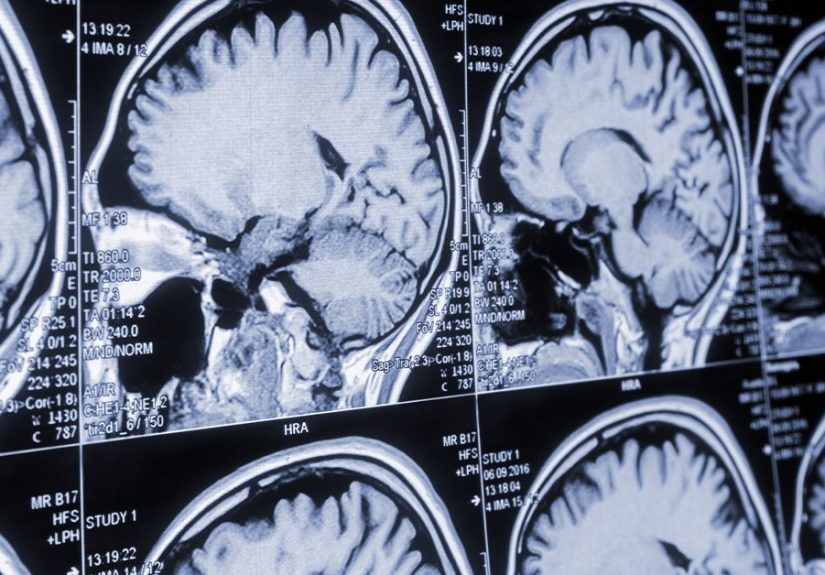
Although imaging can’t confirm GSS by itself, it can help rule out other causes and support the diagnosis:
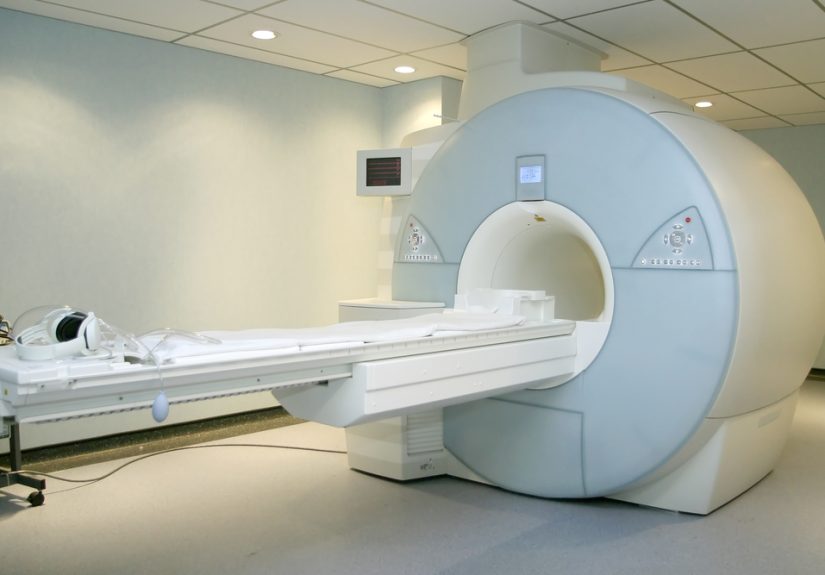
- MRI of the brain may show atrophy (shrinkage) of the cerebellum and other regions.
- EEG (electroencephalogram) sometimes detects abnormal brain activity, though it’s often less specific in GSS than in some other prion diseases.
- Spinal fluid tests may look for markers associated with prion diseases or rule out infections and inflammatory disorders.
These tests mostly help narrow down the possibilities. For a confident diagnosis, genetic testing is usually needed.
Genetic testing and counseling
The “gold standard” for diagnosing GSS is detecting a pathogenic mutation in the PRNP gene.
This is done through a blood test that looks at the DNA sequence of the PRNP gene and checks for known mutations linked to GSS.
Because PRNP mutations are inherited and can affect children, siblings, and extended family, genetic counseling
is crucial. A genetic counselor or specialized physician can:
- Explain what the result means for the person tested.
- Discuss the risk to other family members.
- Talk through options for predictive testing in relatives.
- Support emotional decision-making about whether to be tested at all.
For many families, decisions around testing are deeply personal and can involve complex feelings about the future, planning,
and family dynamics.
Treatment and management options
Is there a cure for GSS?
At present, there is no cure for Gerstmann-Straussler-Scheinker and no treatment proven to stop or reverse the
underlying prion process. Research is ongoing into therapies such as antibodies targeting prion protein or strategies that reduce
prion protein production, but so far these approaches remain experimental.
That said, “no cure” is not the same thing as “no help.” A combination of medications, therapies, adaptive equipment, and
supportive care can make a meaningful difference in comfort, safety, and quality of life.
Medications to ease symptoms
While no drug directly targets the prion process in routine clinical use, doctors may use medications to manage specific symptoms, such as:
- Muscle relaxants or antispasticity drugs for stiffness and spasticity.
- Medications for mood or anxiety, such as antidepressants, if depression or anxiety occur.
- Sleep aids or behavioral strategies for sleep disturbances.
- Anti-seizure medications if seizures arise.
Medication plans are highly individualized and should be reviewed regularly as symptoms change.
Therapies and supportive care
A multidisciplinary team approach can help manage day-to-day challenges:
- Physical therapy to improve balance, strength, and gait, and to recommend walking aids and fall prevention strategies.
- Occupational therapy to adapt the home, simplify daily tasks, and recommend assistive devices.
- Speech-language therapy to work on speech clarity and swallowing safety; they may suggest diet changes or techniques to reduce choking risk.
- Nutrition support to prevent weight loss and dehydration, especially if swallowing becomes difficult.
- Psychological and social support for both the person living with GSS and their caregivers.
In some later-stage situations, feeding tubes, mobility equipment, and home health or hospice services may be considered to support
comfort and dignity.
Clinical trials and research participation
Because GSS is so rare, every participant in a research study matters. Some families choose to join:
- Natural history studies that track symptoms and progression over time.
- Biomarker studies that collect samples (blood, spinal fluid, imaging) to better understand disease mechanisms.
- Occasional early-phase treatment trials when available.
Participation can help advance science, though it doesn’t always offer direct benefit to the person taking part.
A neurologist specializing in prion diseases or a rare-disease center can help families find studies that may be appropriate.
Outlook and life expectancy
GSS is considered universally fatal, but the pace of progression can vary. On average, people live about
5 years after symptoms begin, though reported survival ranges roughly from 2 to 10 years
depending on the specific mutation, age at onset, and other health factors.
This timeline is sobering, but it also gives families some yearsrather than monthsto:
- Adapt the home and plan for increasing care needs.
- Have important conversations about values, wishes, and goals of care.
- Create meaningful memories together.
Palliative care teams can be especially helpful, not only at the very end of life but much earlier,
to manage symptoms and support emotional and practical needs.
Coping with Gerstmann-Straussler-Scheinker
Emotional impact
Learning that you or a loved one has a hereditary, progressive brain disorder can be overwhelming.
Many people experience a mix of grief, fear, guilt, and even relief (finally having a name for what’s happening).
Helpful coping strategies can include:
- Psychotherapy or counseling to process emotions and plan next steps.
- Support groups (in-person or online) for people with prion diseases or hereditary ataxias.
- Open family communication about testing decisions, caregiving roles, and boundaries.
- Self-care for caregivers, who are at high risk of burnout.
Practical planning
While nobody loves paperwork, a bit of planning early on can save a lot of stress later. Many families work with their healthcare team and legal or financial professionals to:
- Create or update advance directives and living wills.
- Assign a durable power of attorney for health and financial decisions.
- Explore disability benefits and long-term care options.
- Plan home modifications to improve accessibility and safety.
These steps don’t mean “giving up”; they’re about protecting autonomy and dignity as much as possible.
Real-life experiences: living with GSS in the real world
Because GSS is so rare, many families say the hardest part at first is feeling completely alonelike nobody else has even heard
of this condition, much less understands it. While every story is different, some common themes emerge from people living with GSS
and from their caregivers.
From subtle missteps to a clear diagnosis
In many families, the story begins with something small: a parent or grandparent who starts tripping more often, losing their
balance, or talking a bit more slowly. At first, everyone blames it on age, stress, or just “being clumsy.” Maybe they stop
driving at night or avoid crowded places because walking feels less steady.
Over time, relatives start to notice a pattern. “Didn’t Grandpa have something similar?” someone might ask, or,
“Didn’t Aunt Maria also use a walker in her 40s?” These memories can spark the realization that this might be more than
just one person’s health issueit might be something inherited.
Many families describe a long journey of misdiagnoses: maybe multiple sclerosis, spinocerebellar ataxia, Parkinson’s disease,
or even a psychiatric disorder. Only after seeing a specialist, getting an MRI, and finally undergoing genetic testing does
the GSS diagnosis appear. It’s a moment that can feel both devastating and clarifying.
Daily life with GSS: adapting, adjusting, and improvising
Once the diagnosis is made, families often move into a phase of constant adaptation. Every few months, something changes:
- A cane becomes a walker, then a wheelchair.
- Meals shift from regular food to softer textures, then to carefully supervised feeding.
- Conversations go from effortless to slower and more deliberate as speech becomes less clear.
People living with GSS often say that maintaining a sense of humor helps, even in small ways.
Laughing about the “fancy new wheels” on a mobility scooter or turning physical therapy exercises into a family challenge
doesn’t fix the diseasebut it can make the day feel more human.
Caregivers learn to become inventive: rearranging furniture to reduce fall hazards, putting brightly colored tape along
stair edges, using whiteboards and sticky notes to support memory, and building new routines that make life more predictable
and less overwhelming.
The emotional ripple through the family
GSS doesn’t just affect one personit touches entire families across generations. Adult children may find themselves grappling with
two fears at once: the reality of caring for a parent and the possibility that they themselves may carry the same PRNP mutation.
Some family members choose to undergo predictive testing; others decide they’d rather not know. Neither choice is wrong.
People who test negative often describe tremendous relief, sometimes mixed with guilt toward relatives who test positive.
Those who test positive may start planning their lives differently, prioritizing certain experiences, careers, or family plans.
Many families say that open, honest conversationssometimes guided by a counselor or genetic specialisthelp reduce resentment
and misunderstanding. They also emphasize the importance of respecting each person’s choice around testing and disclosure.
Finding connection in a rare-disease world
Because there may be only a handful of GSS families in an entire country, online communities and rare-disease organizations
can be lifelines. People often share practical tips (“this type of walker works better on carpet,” “these exercises help with
stiffness”) as well as emotional support for the tough days.
Even though no two stories are identical, hearing from others who have walked a similar path can reduce the feeling of isolation.
For many, that sense of connection is as valuable as any medication.
Ultimately, living with Gerstmann-Straussler-Scheinker involves balancing realism with hope: acknowledging the seriousness of
the diagnosis while still making room for joy, humor, and meaningful moments. Families often say that, in the midst of
appointments and adaptations, they learn to treasure small victoriesa safe walk outside, a shared joke, a good meal together
in a way they never did before.
Key takeaways
- Gerstmann-Straussler-Scheinker is an extremely rare, inherited prion disease that affects balance, movement, and cognition.
- It is caused by mutations in the PRNP gene and follows an autosomal dominant inheritance pattern.
- Symptoms usually start with ataxia and subtle cognitive changes and progress over several years to more severe disability and dementia.
- There is no cure yet, but medications, rehabilitation therapies, and supportive care can improve comfort and quality of life.
- Genetic counseling, emotional support, and practical planning are essential for both individuals and families.