Table of Contents >> Show >> Hide
- What orthodontics actually does (besides making selfies easier)
- Malocclusion 101: what it is, why it happens, and why it matters
- Other orthodontic problems that aren’t just “crooked teeth”
- Why treat malocclusion at all?
- When should you start thinking about orthodontics?
- Starting orthodontic treatment: what the process really looks like
- Step 1: The consultation (a.k.a. the “tell me what’s going on in here” visit)
- Step 2: Recordsphotos, scans, and X-rays
- Step 3: Your treatment plan (custom, not “one-size-fits-most”)
- Step 4: Choosing your “hardware”
- Step 5: Adjustments, progress checks, and the “tightness tax”
- Step 6: Hygiene and dietwhere success is quietly decided
- Step 7: Understand the trade-offs and risks
- Step 8: Retainersyour results’ bodyguards
- How to pick an orthodontic provider (and what to ask)
- Real-world experiences: what starting orthodontics feels like (about )
- The first week is mostly an adaptation phase
- You learn which foods are secretly dangerous
- Clear aligners test your consistency more than your courage
- Hygiene becomes your main character arc
- Confidence changes graduallyand then all at once
- The retainer lesson is usually learned the hard way (so learn it the easy way)
- Conclusion
Your teeth are tiny, opinionated roommates. Most days they coexist peacefully. Then one day you close your mouth and realize:
Wait… why is this tooth sitting like it pays rent?
That’s where orthodontics steps inpart engineering, part biology, part “please stop chewing like that.”
If you’ve heard words like malocclusion, overbite, or clear aligners and thought,
“Cool, but what does it mean for my face and my sandwich?”this guide is for you.
What orthodontics actually does (besides making selfies easier)
Orthodontics is the dental specialty focused on how your teeth and jaws line upaka how your bite works when you talk, chew, swallow,
and (let’s be honest) stress-snack. The goal isn’t just straight teeth. It’s a healthy bite, where upper and lower teeth meet
in a way that spreads chewing forces evenly and keeps your teeth and gums easier to maintain.
Think of it like tire alignment for your mouth. Sure, the car still moves when things are off. But over time, the wear shows upand it’s not cute.
Malocclusion 101: what it is, why it happens, and why it matters
Definition: “bad bite,” but make it clinical
Malocclusion simply means your teeth or jaws don’t align the way they ideally should when you close your mouth.
It can involve crooked teeth, mismatched arches, jaw position differences, or a combination of all the abovelike a group project where no one communicated.
Common reasons malocclusion shows up
- Genetics: jaw size and tooth size don’t always coordinate like a well-planned outfit.
- Early or late tooth loss: missing teeth can let neighbors drift into the empty space.
- Habits: thumb-sucking, pacifier use past the toddler era, tongue thrusting, or chronic mouth breathing can influence development.
- Extra or missing teeth: nature occasionally adds “bonus teeth” or forgets a few.
- Injury or growth patterns: the jaws may grow unevenly, especially during childhood and adolescence.
How orthodontists classify malocclusion
You’ll often hear “Class I, II, or III.” This is a classic way to describe jaw/teeth relationships:
- Class I: jaws are generally in a good relationship, but teeth may be crowded, rotated, or spaced.
- Class II: the upper teeth/jaw sit forward relative to the loweroften linked with a pronounced overbite/overjet.
- Class III: the lower teeth/jaw sit forwardoften associated with an underbite.
Bite problems you can actually recognize in the mirror
- Overbite / Overjet: top front teeth overlap too much or project forward.
- Underbite: lower front teeth sit in front of upper front teeth.
- Crossbite: upper teeth bite inside the lower teeth (front or back).
- Open bite: front teeth don’t touch when you bite down (often shows up with tongue thrust habits).
- Crowding: not enough spaceteeth overlap or twist.
- Spacing: gaps between teeth due to missing teeth, small teeth, or arch shape.
Other orthodontic problems that aren’t just “crooked teeth”
Orthodontic care can help manage more than alignment. Some cases involve tooth eruption, jaw development, and bite function.
Impacted or delayed teeth
Sometimes a tooth doesn’t erupt normally (common example: canines). Orthodontists can create space and guide eruption, occasionally coordinating
with minor oral surgery to “expose” the tooth so it can be moved into position.
Extra teeth, missing teeth, and unusual spacing patterns
Extra teeth can block eruption paths; missing teeth can trigger shifting. Orthodontics often teams up with restorative dentistry (implants/bridges)
to set up a bite that functions well long-term.
Jaw growth discrepancies
In growing kids, orthodontists may use growth-modifying appliances (like expanders or functional appliances) to guide jaw development.
In adults with significant jaw mismatch, orthodontics may be combined with orthognathic (jaw) surgery when braces alone can’t correct the underlying skeletal issue.
Jaw joint symptoms and bite-related strain
Not every jaw click is an orthodontic emergency, but certain bite patterns can contribute to uneven forces, wear, or discomfort.
A thorough evaluation helps determine whether orthodontic correction, bite adjustment, habit management, or another approach is more appropriate.
Why treat malocclusion at all?
If your bite is mildly off and you’re comfortable, treatment can be optional. But when problems affect function or health,
orthodontics can be more than cosmetic.
- Chewing efficiency: teeth that don’t meet well can make chewing harder (and your digestive system would like a word).
- Tooth wear and chipping risk: uneven contacts can overload certain teeth.
- Gum health: crowded teeth can be harder to clean thoroughly, increasing plaque retention.
- Speech clarity: certain bite patterns can contribute to lisping or articulation struggles.
- Trauma prevention: protruding front teeth may be more vulnerable during sports or falls.
- Confidence: yes, it countsespecially when people stop “smile-hiding” in group photos.
A practical way to decide: if your bite makes you work around it (chewing on one side, avoiding certain foods, chronic lip-biting),
your mouth is already telling you something.
When should you start thinking about orthodontics?
Kids: earlier evaluation, not earlier braces for everyone
Many orthodontic specialists recommend a first screening around age 7. That doesn’t mean treatment starts at 7.
It means you get a baseline: how the jaws are growing, how permanent teeth are coming in, and whether early intervention might prevent a bigger mess later.
Some kids need “Phase 1” treatment (limited early treatment), while others are best monitored until more adult teeth erupt.
The point is timingbecause timing in orthodontics is like timing in comedy: it’s everything.
Teens: the classic window
Adolescent growth can help certain corrections, and teens typically have most or all permanent teeth by the time comprehensive treatment begins.
This is why braces have the reputation of being a teenage rite of passage (like awkward haircuts, but with better long-term payoff).
Adults: yes, orthodontics is still a thing after high school
Adult orthodontics is common. Adults may pursue treatment for relapse after not wearing retainers, crowding that worsens over time, bite issues,
or prepping for restorative work. Treatment can be very successfuljust with less growth to “work with,” so plans focus on tooth movement and stability.
Starting orthodontic treatment: what the process really looks like
Step 1: The consultation (a.k.a. the “tell me what’s going on in here” visit)
The first visit usually includes an exam and a conversation about your goals. You’ll talk about bite concerns, aesthetics, oral hygiene,
prior dental work, and any jaw symptoms. This is where you learn whether your case is straightforward, complex, or “we need a team photo with other specialists.”
Step 2: Recordsphotos, scans, and X-rays
Orthodontic plans are built on data. Common records include digital scans or impressions, photos of your face and teeth, and X-rays.
These help your provider evaluate tooth position, roots, bone levels, and any impacted or missing teeth.
Step 3: Your treatment plan (custom, not “one-size-fits-most”)
A solid plan answers four big questions:
- What are we correcting? alignment, bite relationships, crowding/spacing, jaw coordination.
- What tools will we use? braces, aligners, expanders, elastics, temporary anchorage devices, etc.
- How long will it take? a range, with factors like complexity and compliance.
- How do we keep results stable? retention strategy (this part matters more than people want to admit).
Step 4: Choosing your “hardware”
Options vary, but these are common:
- Metal braces: durable, effective, and great for complex movements. They’re the work boots of orthodontics: not always subtle, always reliable.
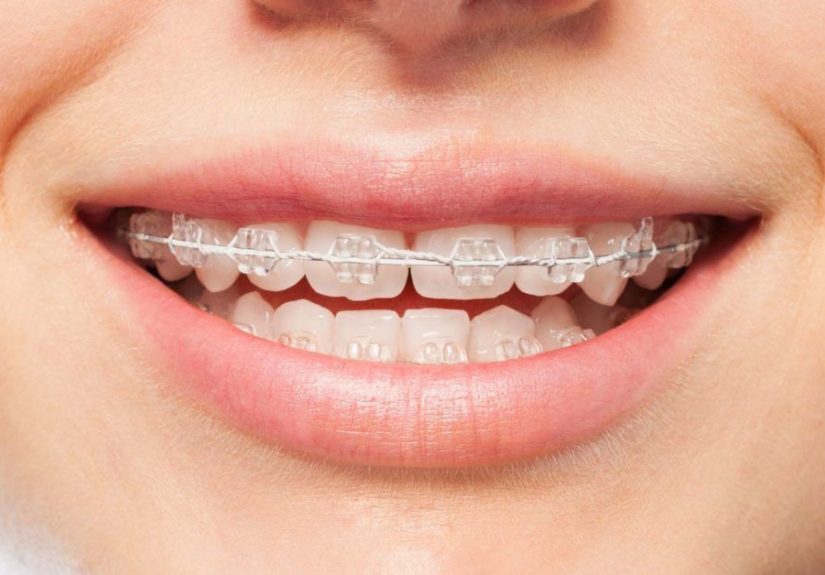
- Ceramic braces: similar mechanics with a less noticeable look; may require careful hygiene and can be more fragile.
-
Clear aligners: removable trays that gradually shift teeth. Great for many cases, especially when you can wear them consistently.
They’re stealthyuntil you forget them on a napkin at lunch. - Expanders and growth appliances: often used in children to widen arches or guide jaw development.
- Elastics (rubber bands): small, mighty, and surprisingly influential in bite correctionif you actually wear them.
Step 5: Adjustments, progress checks, and the “tightness tax”
Braces typically require periodic adjustments; aligners require scheduled check-ins and new tray sequences.
Mild soreness is common after changesusually temporary. Most people find it manageable with soft foods and over-the-counter pain relief (as advised by a clinician).
Step 6: Hygiene and dietwhere success is quietly decided
Orthodontic appliances can trap plaque. That’s not a moral failure; it’s physics. But it does mean you need a better routine:
- Brush thoroughly (including around brackets or attachments).
- Clean between teeth with floss/threaders, interdental brushes, or water flossers.
- Limit sticky and hard foods that can damage braces or pop attachments.
Poor hygiene can lead to gum inflammation and white-spot decalcificationbasically, the opposite of the glow-up you signed up for.
Step 7: Understand the trade-offs and risks
Orthodontic treatment is safe for most people, but it’s still a medical/dental intervention. Possible issues include enamel decalcification/cavities
without good hygiene, gum irritation, temporary discomfort, and in some cases root changes. Your provider should explain your specific risk profile and how to minimize it.
Step 8: Retainersyour results’ bodyguards
Teeth love to drift. Retainers keep them in their new positions while tissues stabilize. Some people need nighttime retainers long-term.
This isn’t punishment; it’s maintenancelike changing oil instead of buying a new engine.
How to pick an orthodontic provider (and what to ask)
Choose someone who communicates clearly and builds a plan around function, stability, and your goalsnot just speed.
Smart questions to bring to your consult
- What exactly is my diagnosis (bite type, crowding/spacing, jaw relationship)?
- What treatment options fit my case, and what are the pros/cons of each?
- Will I need elastics, expansion, extractions, or coordination with other specialists?
- What habits (mouth breathing, clenching, tongue posture) could affect the outcome?
- What does retention look like for me after treatment ends?
Real-world experiences: what starting orthodontics feels like (about )
Educational diagrams are nice, but real life is where orthodontics earns its reputation. Based on common patient experiences, here’s what tends to surprise peoplesometimes in a good way,
sometimes in a “why didn’t anyone warn me?” way.
The first week is mostly an adaptation phase
Whether you choose braces or clear aligners, the early days often feel like your mouth is learning a new operating system.
With braces, people describe a “tender-to-bite” sensation after the first wire goes in or after adjustmentsusually peaking in the first couple days.
With aligners, the pressure can feel tight at first, especially when switching to a new set. Either way, most people quickly develop a soft-food rotation:
yogurt, eggs, pasta, smoothies… and a newfound appreciation for soup.
You learn which foods are secretly dangerous
Patients with braces often discover that “hard” foods aren’t just nuts and ice. The real villains are crunchy baguettes, sticky candy, popcorn kernels,
and that one tortilla chip that shatters at exactly the wrong angle. Many people don’t fully change what they eatthey just change how they eat.
(Example: slicing apples instead of biting into them like a movie character.)
Clear aligners test your consistency more than your courage
Aligners are popular because they’re discreet and removablebut that “removable” part is also the trap. People who succeed usually build a routine:
wear aligners basically all day, remove them for meals, brush, pop them back in. The people who struggle tend to be frequent snackers or busy professionals who forget
they left trays in a napkin during a meeting. Pro tip from the collective patient universe: always use the case. Always.
Hygiene becomes your main character arc
Many patients say they brushed “fine” before orthodonticsthen braces arrived and exposed the harsh truth: “fine” was a vibe, not a strategy.
People often level up their tools: an electric toothbrush, interdental brushes, floss threaders, maybe a water flosser for convenience.
After a few weeks, what once felt like a chore becomes habitespecially when clean teeth stop feeling “optional” and start feeling like part of the treatment.
Confidence changes graduallyand then all at once
A common story is that nothing seems dramatic for a while… then suddenly a photo catches you mid-laugh and you notice your smile looks different.
Not “Hollywood veneer perfect,” but naturally balanced. People often report they smile more without thinking about it. That’s the sneaky win:
orthodontics doesn’t just move teethit changes how comfortable you feel using your face.
The retainer lesson is usually learned the hard way (so learn it the easy way)
Ask anyone who had braces years ago what they’d do differently, and you’ll hear: “I’d wear my retainer.”
Retainers aren’t the glamorous finale, but they’re what protects your investment. The best experience is the boring one:
you wear it as instructed, your teeth stay put, and you never have to say, “So… can we straighten them again?”
Conclusion
Malocclusion and bite problems aren’t just about looksthey can affect comfort, function, hygiene, and long-term tooth wear.
The smartest first move isn’t guessing what you “need,” it’s getting a proper evaluation and a plan that fits your bite, your habits,
and your life.
Whether you end up in braces, clear aligners, early interceptive care, or a simple “let’s monitor for now,” orthodontics works best when the goal is stability
a bite that functions well and a smile you don’t have to overthink. And if you take nothing else from this: wear the retainer. Future-you will be extremely grateful.