Table of Contents >> Show >> Hide
- Quick refresher: what exactly is ginger tea?
- The short answer: ginger tea is usually safeuntil you push it
- Potential bad side effects of ginger tea
- 1) Heartburn and reflux (the “why is my chest spicy?” problem)
- 2) Stomach upset, gas, and diarrhea
- 3) Mouth and throat irritation
- 4) Allergic reactions (rare, but take seriously)
- 5) “Too much ginger” effects: when the dose gets heavy
- 6) Bleeding risk and “blood-thinning” concerns
- 7) Blood sugar dips (especially if you’re on diabetes meds)
- 8) Blood pressure: helpful for some, too low for others
- 9) Heart rhythm medication concerns (a “check first” category)
- 10) Gallstones or gallbladder disease
- 11) Pregnancy and breastfeeding: often used, still worth a check
- 12) Kids and ginger tea
- Ginger tea and medication interactions: don’t surprise your pharmacist
- How much ginger tea is too much?
- How to enjoy ginger tea with fewer side effects
- When to stop sipping and call a clinician
- FAQ: ginger tea side effects, answered like a human
- Wrap-up: the spicy-but-not-scary conclusion
- Real-World Experiences : what people noticeand what actually helps
Ginger tea has a reputation as the warm, spicy superhero of the mug world. Upset stomach? Ginger. Chilly day?
Ginger. Feeling like your soul needs a hug? You guessed itginger. But even superheroes have a “please don’t
overdo it” clause in their contract. So, does ginger tea have any bad side effects?
The honest answer: for most people, ginger tea is safe in normal amounts. The less comfy answer:
it can cause digestive drama, interact with certain medications, and become a problem if you treat it like a
competitive sport. Let’s break it down with real-world examples, practical tips, and just enough humor to keep
your eyeballs from filing a complaint.
Quick refresher: what exactly is ginger tea?
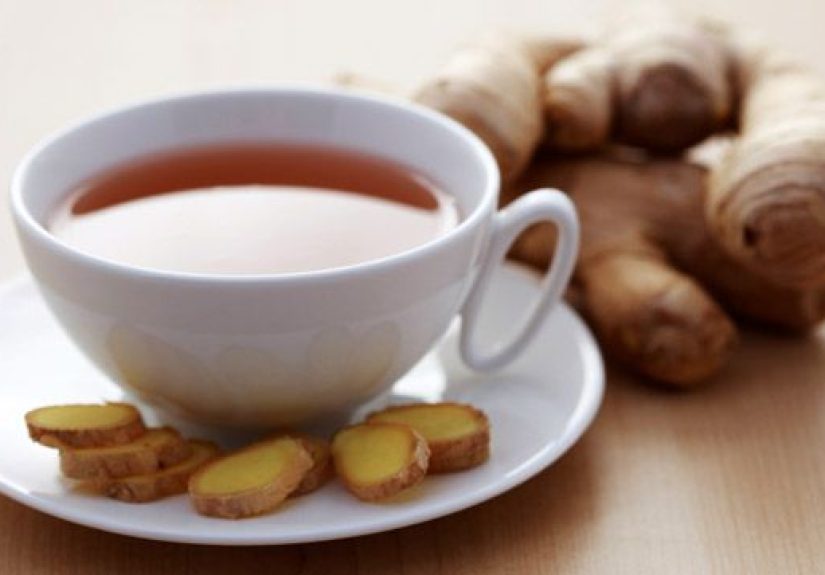
Ginger tea is typically hot water infused with ginger root (fresh slices, grated ginger, or dried ginger in tea
bags). Ginger contains bioactive compoundslike gingerols and shogaolsthat contribute to its spicy flavor and
many of its studied effects.
Fresh ginger tea vs. tea bags vs. “ginger-ish” drinks
Not all “ginger beverages” are created equal. Homemade ginger tea made from fresh root is straightforward. Tea
bags can be convenient but vary widely in strength and ingredients. And then there’s ginger aleoften more “sweet
fizzy nostalgia” than “actual ginger.” If you’re drinking ginger tea for a purpose (like nausea relief), you’ll
want something that truly contains ginger in meaningful amounts.
The short answer: ginger tea is usually safeuntil you push it
In moderate amountsthink a cup or two a dayginger tea is generally well tolerated. Problems tend to show up
when you have a sensitive digestive system, drink very strong brews, stack ginger tea on top of ginger shots and
supplements, or combine ginger with certain medications that already have strong effects (especially anything
that influences bleeding or blood sugar).
In other words, ginger tea is like a fun friend who’s great at parties… but becomes a lot when they show up
uninvited to every single event.
Potential bad side effects of ginger tea
1) Heartburn and reflux (the “why is my chest spicy?” problem)
Ginger can aggravate heartburn or acid reflux in some people, especially at higher doses or when consumed on an
empty stomach. If you already deal with GERD, a strong ginger tea before bed may feel like you invited your
stomach acid to do stand-up comedy in your esophagus.
What it looks like: burning in the chest, sour taste, throat irritation, burping that feels a
little too confident.
2) Stomach upset, gas, and diarrhea
Ginger is famous for calming nausea, but in larger amounts it can do the opposite: stomach discomfort, gas, or
diarrhea. Some people also report bloating. The irony is realginger can soothe your gut or annoy it, depending
on dose, sensitivity, and what else you’ve eaten.
Tip: If you’re using ginger tea for digestion, start with a weaker brew and increase slowly.
Your stomach appreciates being consulted before major policy changes.
3) Mouth and throat irritation
Ginger’s spicy compounds can irritate the mouth or throatespecially if you make very concentrated tea or use
lots of dried ginger powder. If your tea feels like it’s giving your throat a pep talk with a megaphone, it may
be too strong.
4) Allergic reactions (rare, but take seriously)
True ginger allergy isn’t common, but it can happen. Any signs of hives, swelling, wheezing, or trouble
breathing after consuming ginger should be treated as a medical urgency. If your body is acting like ginger is
a personal enemy, don’t negotiateget help.
5) “Too much ginger” effects: when the dose gets heavy
A lot of ginger tea recipes are mild. But some people go full wizard mode: extra root, longer steeping, multiple
mugs, plus ginger supplements “for good measure.” That’s where side effects become more likely.
Higher intakes have been associated with increased gastrointestinal side effects like reflux, diarrhea, and
stomach irritation. If you’re aiming for “therapeutic” doses, it’s smarter to treat ginger like a real
interventionnot a vibe.
6) Bleeding risk and “blood-thinning” concerns
Ginger may have antiplatelet (blood-clotting) effects, which is a polite way of saying it might make it
easier for you to bruise or bleedespecially at higher doses or in supplement form. This matters most if you’re
taking blood thinners or antiplatelet medications, or if you have a bleeding disorder.
Real-life example: If you take warfarin or another anticoagulant and you suddenly start drinking
very strong ginger tea daily (or taking ginger capsules), you’re mixing two “let’s not clot too much” influences
at once. That’s a conversation for your clinician, not a surprise plot twist.
Ginger is also commonly listed among supplements to pause before surgery because anything that affects bleeding
can complicate procedures. If you have surgery coming up, follow your surgical team’s guidanceno freestyle
herbal decisions in the pre-op era.
7) Blood sugar dips (especially if you’re on diabetes meds)
Ginger may support blood sugar control in some contexts, but that can become a downside if you’re already on
medication that lowers glucose. The risk is not that ginger tea will “cause diabetes” (it won’t), but that it
could contribute to hypoglycemia in someone using insulin or certain oral diabetes medications
particularly if intake is high or consistent.
What to watch for: shakiness, sweating, sudden hunger, dizziness, confusion, or feeling like
you’re starring in your own low-blood-sugar documentary.
8) Blood pressure: helpful for some, too low for others
Ginger is sometimes discussed in relation to cardiovascular health. But if you’re taking medication for high
blood pressure, adding lots of ginger (especially concentrated forms) could theoretically intensify
blood-pressure-lowering effects in some individuals. Most people sipping mild tea won’t notice a big shift, but
if you’re prone to low blood pressure or you’re on multiple meds, it’s worth being cautious.
9) Heart rhythm medication concerns (a “check first” category)
Some health sources advise caution with ginger alongside certain heart rhythm medications. The everyday cup of
ginger tea is unlikely to cause drama for most peoplebut if you’re managing arrhythmias or taking
antiarrhythmic drugs, it’s smart to ask your cardiology team before making ginger a daily habit.
10) Gallstones or gallbladder disease
If you have gallstone disease or gallbladder issues, some clinical guidance recommends avoiding ginger. This is
one of those “don’t crowdsource your gallbladder plan” situationsuse your medical team as your source of truth.
11) Pregnancy and breastfeeding: often used, still worth a check
Ginger is widely used for pregnancy-related nausea, and some obstetric guidance considers it an acceptable
non-pharmaceutical option for nausea and vomiting. Still, “natural” doesn’t automatically mean “universally
safe,” especially in late pregnancy, at high doses, or if you have pregnancy complications.
A common conservative approach is to keep intake modest (for example, mild ginger tea rather than high-dose
supplements) and get individualized guidance from an OB-GYN or midwifeespecially if you have bleeding risks,
are close to delivery, or take other medications.
12) Kids and ginger tea
In small culinary amounts, ginger is generally considered food-safe. But kids are smaller humans with smaller
margins for “oops, too strong.” If you’re offering ginger tea to a child, keep it weak, keep the portion small,
and skip it entirely if they have medical issues or take medications unless your pediatric clinician is on board.
Ginger tea and medication interactions: don’t surprise your pharmacist
If you take medications regularly, ginger tea is usually fine in normal beverage amountsbut there are a few
categories where you should be extra careful (and ideally ask your clinician):
- Blood thinners / anticoagulants: warfarin, apixaban, rivaroxaban, dabigatran, and others.
- Antiplatelet drugs: aspirin, clopidogrel, and similar agents.
- NSAIDs: ibuprofen, naproxenespecially when combined with high-dose ginger supplements.
- Diabetes medications: insulin and glucose-lowering drugs (watch for low blood sugar).
- Blood pressure medications: if you’re prone to low BP or take multiple agents.
- Immunosuppressants (special cases): some sources flag possible interactions (example: tacrolimus) with ginger supplements.
Notice the recurring theme: the risk goes up with higher doseslike supplements, extracts, and
super-concentrated “ginger cleanse” concoctions. The average mug of mild ginger tea is typically a gentler
situation, but if you’re in one of these categories, “gentle” still deserves a quick check.
How much ginger tea is too much?
There’s no single perfect number for everyone, but many clinical and nutrition sources land in a similar
ballpark: moderate daily intake is generally fine for most people, while higher daily intakes are more likely to
cause side effectsespecially digestive ones.
If you want a practical guide, think in terms of tea strength and total daily ginger:
- Low-risk routine for many adults: 1–2 cups/day of mildly brewed ginger tea.
- Go slow if you’re sensitive: start with half a cup or a weak brew and see how you feel.
- Be cautious with high-dose habits: multiple strong mugs plus ginger shots plus supplements is where issues show up.
If you’re pregnant, on blood thinners, managing diabetes, or preparing for surgery, treat ginger as a “check
first” item rather than a “sure, why not” item.
How to enjoy ginger tea with fewer side effects
Make it gentler without losing the ginger magic
- Start mild: fewer slices, shorter steep time, or more water.
- Drink it with food: especially if you’re prone to heartburn.
- Avoid late-night strong brews: reflux loves a bedtime snackdon’t give it one.
- Skip the “shots” if you’re sensitive: concentrated ginger can hit harder than tea.
- Watch the add-ins: lemon can worsen reflux for some; honey is usually gentler.
- Listen to patterns: if symptoms show up after stronger tea, you have your answer.
A simple “safer” ginger tea method
Try 3–5 thin slices of fresh ginger in a mug of hot water, steeped 5–10 minutes. That’s usually plenty for flavor
and comfort without turning your drink into a spicy endurance test. If you love it and feel great, you can
adjust gradually.
When to stop sipping and call a clinician
Ginger tea isn’t usually dangerous, but certain symptoms shouldn’t be ignoredespecially if you take medications
that affect bleeding or glucose.
- Signs of unusual bleeding: easy bruising, nosebleeds, blood in stool, black/tarry stool, vomiting blood.
- Symptoms of low blood sugar: sweating, shaking, confusion, faintness.
- Allergic reaction signs: swelling, hives, wheezing, trouble breathing.
- Severe or persistent GI pain: especially if you have gallbladder issues.
And if you’re scheduled for surgery, follow pre-op instructions about supplements and herbs. Surgeons are great
at surgery; they’re not as thrilled about surprise variables.
FAQ: ginger tea side effects, answered like a human
Can ginger tea cause constipation?
It’s more commonly linked with the opposite (looser stools) in higher amounts. Some people find ginger supports
digestion and regularity, but bodies are weird. If you notice constipation after ginger tea, reduce strength and
check what else changed (hydration, diet, stress, medications).
Is ginger tea safe to drink every day?
For many adults, yesin moderate amounts. Daily ginger tea becomes more complicated if you take
blood thinners, have bleeding risks, manage diabetes with medication, or have gallbladder disease. In those
cases: ask first, then sip.
Does lemon ginger tea have more side effects?
Lemon can be a reflux trigger for some people. If you’re prone to heartburn, try ginger tea without lemon (or
use a tiny splash). If you feel fine, enjoy your citrus sparkle.
Is ginger tea “bad for the liver” or “hard on the kidneys”?
In typical beverage amounts, ginger isn’t generally framed as harmful to liver or kidneys in healthy people.
The bigger concerns are digestive side effects and interactions with medicationsespecially when ginger is taken
in concentrated supplemental forms.
Wrap-up: the spicy-but-not-scary conclusion
Ginger tea is usually a safe, comforting drinkand for many people, it’s a helpful tool for nausea and digestion.
The “bad side effects” are real, but they’re typically mild and dose-dependent: heartburn, stomach upset, gas,
diarrhea, and occasional irritation. The more important caution is for people with specific conditions or meds:
blood thinners, bleeding disorders, gallbladder disease, diabetes medications, and surgery plans.
So yesginger tea can have bad side effects. But for most people, the fix is simple: keep it moderate,
don’t mega-dose it, and don’t mix it with high-stakes medications without guidance. Ginger is powerful,
not scary. Like hot sauce. Respect it, and it respects you back.
Real-World Experiences : what people noticeand what actually helps
Let’s talk about the part nobody puts on the tea box: the everyday experiences people report when ginger tea
becomes a regular habit. Not medical claims, not miracle storiesjust the patterns that show up when humans and
spicy root water become roommates.
Experience #1: “It helps my nausea… unless I make it too strong.”
This is probably the most common ginger-tea storyline. People sip a mild cup and feel calmerespecially with
mild nausea, queasiness, or that “my stomach is doing interpretive dance” feeling. Then one day they decide to
double the ginger and steep it for 25 minutes like they’re brewing a potion for battle. Suddenly, the tea that
once soothed now feels sharp. The fix is usually boring but effective: dial back the strength, drink it with a
snack, and keep the brew gentle. Ginger tea often works best when it’s consistent and moderate, not extreme.
Experience #2: “It gives me heartburn, which feels… rude.”
Some people find ginger tea soothing during the day, but not at night. A classic pattern is: “I drink it after
dinner because it’s cozy,” followed by “I regret everything at 2 a.m.” If you’re reflux-prone, the best
adjustments tend to be timing and dilution: drink ginger tea earlier, keep it weaker, and skip acidic add-ins
(like lemon) if those trigger you. Another common hack is switching from very hot tea to warm teaextreme heat
can irritate sensitive throats and stomachs.
Experience #3: “It helps bloating… but sometimes it makes me gassy.”
Yes, both can be true. Some people say ginger tea reduces that heavy, bloated feeling after meals. Others notice
more gas, especially if they drink strong tea quickly or on an empty stomach. If your body trends toward gas,
sipping slowly and pairing ginger with food helps. Also, people often blame ginger when the real culprit is what
came before it (hello, creamy pasta mountain). Ginger tea can be the messenger, not the villain.
Experience #4: “It became my daily ritual… and then I got a little too enthusiastic.”
Rituals are great. But ginger tea can slide from “one comforting mug” into “three mugs plus ginger candy plus
shots plus capsules.” That’s where side effects show up: looser stools, stomach burn, throat irritation, and
occasionally feeling jittery because your digestive system is working overtime. People who back down to one
moderate cup usually report the benefits return without the chaos.
Experience #5: “My doctor told me to stop before surgery / while on blood thinners.”
This one isn’t about “how it feels,” but it’s a real-life pattern. Many patients only learn that herbs can
affect bleeding when a clinician asks, “Do you take supplements?” and the patient replies, “No… just turmeric,
fish oil, garlic pills, and seven cups of ginger tea.” (Cue the nurse’s eyebrow doing Olympic-level gymnastics.)
The practical lesson people share: if you’re on anticoagulants, have a bleeding disorder, or have a procedure
coming up, treat ginger like a medication-adjacent food. You don’t have to fear itjust disclose it and follow
guidance.
Experience #6: “I thought ginger tea was harmless because it’s ‘natural.’”
A common mindset shift happens when people realize “natural” doesn’t mean “can’t interact.” Ginger tea is a food
and a tradition, but ginger’s compounds still do things in the body. Most of the time that’s fine. But if you’re
in a higher-risk group (blood thinners, diabetes meds, gallbladder disease, pregnancy complications), the best
experience is the one where you ask first and avoid the trial-and-error approach. Your body is not a science
fair project.
The bottom line from these shared experiences is surprisingly consistent: ginger tea works best when it’s
simple, moderate, and customized to your body. If it feels good, keep it gentle and enjoy the ritual.
If it causes symptoms, adjust strength and timing. And if medications or medical conditions are in the mix, let
your clinician be the co-author of your tea routine. That’s not boringthat’s smart.