Table of Contents >> Show >> Hide
- What “A15” Actually Means (And Why It Matters)
- Half Chrome Mirrored: What the Coating Does
- Where Half Chrome Mirrored A15 Bulbs Work Best
- Base Size: Don’t GuessLook for E26 (Usually)
- Brightness and Performance: Think in Lumens, Not Watts
- Incandescent vs LED: The Practical, the Efficient, and the “Hot Bulb” Problem
- Dimmable or Not: Don’t Let Your Bulb Strobe Like a Nightclub
- Color Temperature: Warm, Neutral, DaylightPick Your Vibe
- Design Tips: How to Make a Mirrored A15 Look Intentional
- Common Mistakes (So You Don’t Accidentally Create Weird Lighting)
- Buying Checklist: What to Look for on the Box
- Real-World Experiences: What Living with a Half Chrome Mirrored A15 Is Like
- Conclusion
- SEO Tags
There are two kinds of “exposed bulb” lighting moments. The first is intentional: a cute pendant over a kitchen island,
a vanity sconce that makes you feel like you have your life together, or a ceiling fan light that’s just trying to exist
without blinding everyone at dinner. The second is… less intentional: a bare bulb in a rental that screams “temporary”
while also shouting “RETINA DAMAGE.”
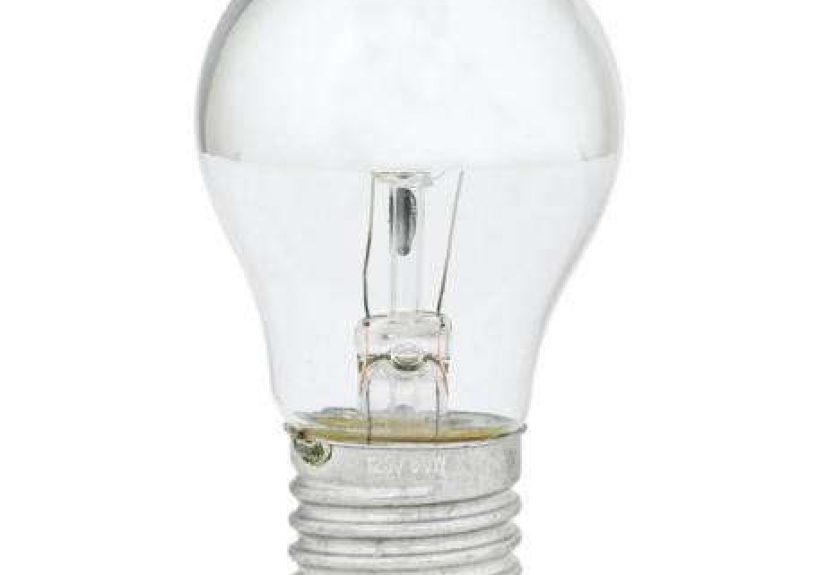
Enter the Half Chrome Mirrored A15 light bulba specialty bulb with a partially reflective (chrome/mirrored)
top designed to bounce light back into the fixture instead of straight into your eyeballs. It’s part practical, part aesthetic,
and part “why didn’t I know this existed earlier?”
What “A15” Actually Means (And Why It Matters)
Light bulbs are named like secret agents: a letter, a number, and just enough mystery to make you second-guess everything.
The “A” refers to the classic A-shape bulb profile (the familiar pear-ish outline). The “15” refers to the bulb’s diameter
in eighths of an inch. So an A15 bulb is about 15/8 inches wideroughly 1.875 inches in diameter.
Translation: it’s slimmer than the common A19, which is why A15 bulbs show up in tight spaces and smaller fixtures.
That smaller shape is a big deal if your fixture has a narrow shade, a compact globe, a ceiling fan light kit,
or an appliance-style socket where a standard bulb feels like it’s trying to squeeze into skinny jeans.
Half Chrome Mirrored: What the Coating Does
The “half chrome” (sometimes called mirror-top, chrome-tipped, or “silver bowl”-style in other bulb shapes)
is a reflective coating applied to the top portion of the bulb. Instead of letting light blast upward and outward in all directions,
that mirrored cap reflects a chunk of the light back into the fixture.
Why you’d want that
- Less glare: Great for open pendants, exposed sockets, and fixtures where you can see the bulb directly.
- Softer ambience: Light becomes more indirect, often feeling less harsh and more “intentional.”
- Cleaner visual look: The chrome top can read as modern, vintage, or “designer-y,” depending on the fixture.
- Better visual comfort: The bulb is still bright, but it’s not yelling at your face from across the room.
The tradeoff: because you’re reflecting some light back into the fixture, the bulb may feel a bit less bright in the direction you
don’t want light (often upward), and you’ll want to be intentional about brightness (lumens) depending on the space.
Where Half Chrome Mirrored A15 Bulbs Work Best
1) Open pendants and hanging fixtures
If your pendant leaves the bulb visibleclear glass, no shade, or a wide openingthis is prime territory.
A mirrored top helps keep the bulb from becoming the visual (and emotional) equivalent of staring at the sun.
Many people choose mirrored-top bulbs specifically to reduce glare in open pendants and create a more comfortable glow.
2) Bathroom vanity lights (especially eye-level fixtures)
Vanity lighting is tricky: you want brightness for shaving, skincare, or makeup, but you don’t want a bulb that makes you question
every life choice you’ve ever made. A half chrome mirrored A15 bulb can soften direct glare when the bulb is exposed,
particularly in sconces where you catch the bulb in the mirror.
Quick tip: if you’re using mirrored bulbs in a vanity, aim for a warm-to-neutral color temperature (many people like the “warm white”
range for bathrooms) and pick a lumen level that still supports tasks. Indirect light can feel gentler, but you don’t want to
accidentally turn “getting ready” into “guessing.”
3) Ceiling fan light kits and smaller fixture globes
A15 bulbs are common in ceiling fans and compact fixtures, often with a standard medium screw base. The mirrored-top version helps when
the fixture is at or near eye level from upstairs landings, tall seating areas, or just that one chair where the bulb always seems to glare.
4) Decorative accent lighting
Want a cozy corner lamp, a mini chandelier, or a little cluster of pendants that feels like a boutique hotel lobby?
A half chrome mirrored A15 can be a subtle upgradeless harsh, more mood.
Base Size: Don’t GuessLook for E26 (Usually)
Most A15 bulbs you’ll see in everyday U.S. fixtures use an E26 medium (standard) screw basethe common household size.
That’s the threaded base that fits most lamps, many ceiling fans, and plenty of general-purpose sockets.
(You may also see A15 bulbs with smaller bases like E12 in certain chandeliers or specialty fixtures, so the base matters.)
If your fixture takes an E26 base, the product description will often say “A15 medium base” or explicitly “E26.”
If it’s an E12 candelabra base, it will say that too. When in doubt, check the old bulb: the base size is your truth serum.
Brightness and Performance: Think in Lumens, Not Watts
If you remember buying bulbs by watts, welcome to the modern erawhere watts mostly tell you energy use, not brightness.
Brightness is measured in lumens. For example, many “60W equivalent” bulbs land roughly in the neighborhood of
800 lumens, give or take, depending on bulb type and certification category.
With a mirrored-top bulb, you may want to go slightly brighter than you would with a fully clear omnidirectional bulb,
because some light is being redirected back into the fixture. That doesn’t mean you need stadium lighting. It means you should pick
brightness intentionally based on the job:
- Ambient glow (hallways, decorative pendants): often lower-to-mid lumens can feel cozy.
- Task-ish areas (bathroom vanity, kitchen pendants): choose enough lumens so the space still functions.
- Multiple bulbs in one fixture: you can use lower lumens per bulb and let the group do the work.
Incandescent vs LED: The Practical, the Efficient, and the “Hot Bulb” Problem
Incandescent half chrome A15 bulbs
Traditional incandescent mirrored A15 bulbs are simple: warm light, familiar dimming behavior, and that classic glow.
They also use more energy and run hottertwo things you should care about if the bulb is near fabric shades, tight enclosures,
or fixtures that already trap heat.
LED half chrome / mirror-top options
LED A15 bulbs are widely available in multiple color temperatures, brightness levels, and often with long rated lifespans.
Many are designed for common household voltage and standard bases, and some carry safety certifications and efficiency labels.
The big win: LEDs can deliver similar brightness using far fewer watts, and they typically run cooler than incandescent bulbs.
One more win: if you’re using bulbs in ceiling fans or small fixtures that are on frequently, efficiency really adds up.
Your electric bill will not send you a thank-you card, but it may quietly stop judging you.
Dimmable or Not: Don’t Let Your Bulb Strobe Like a Nightclub
Many incandescent mirrored bulbs are dimmable by default. LED bulbs can be dimmable, but only if the packaging says soand even then,
dimmer compatibility matters. The most common issues when dimming goes wrong:
- Flicker at low levels
- Buzzing (from the bulb, the dimmer, or both conspiring against your peace)
- Limited dimming range (it dims… but only from “bright” to “slightly less bright”)
If you’re putting a mirrored A15 bulb on a dimmer, choose a dimmable model and, ideally, pair it with a modern LED-compatible dimmer.
When it works, it’s magic: soft indirect light, adjustable mood, and a bathroom that doesn’t feel like an interrogation room.
Color Temperature: Warm, Neutral, DaylightPick Your Vibe
Color temperature is measured in Kelvin (K). The short version:
- 2700K–3000K: Warm white. Cozy, flattering, classic.
- 3500K–4000K: Neutral white. Crisp without feeling icy.
- 5000K+: Daylight. Bright, cool, high-contrastgreat for some tasks, harsh for others.
Half chrome mirrored bulbs already “soften” the feel by reducing direct glare, so warm and neutral temperatures tend to look especially good.
Daylight can be useful in work zones, but in exposed fixtures it can read a bit intenselike your kitchen is about to host a surgical procedure.
Design Tips: How to Make a Mirrored A15 Look Intentional
Use them where the bulb is part of the visual
If you can see the bulb, you’re already “styling” it whether you want to or not. A mirrored top looks polished in clear glass pendants,
minimal sconces, and modern fixtures. It can also complement vintage-style lighting where a reflective cap adds a little drama.
Pair with reflective interiors
Shades and fixtures with reflective interiors (white, metallic, mirrored) can bounce the redirected light nicely, keeping the fixture bright
while shielding your eyes. It’s like giving your lamp a tiny lighting designer.
Choose the right finish
“Half chrome” can vary: some look like bright mirror silver, others more subtle. If your fixture hardware is polished nickel or chrome,
it can look seamless. If your fixture is warm brass or matte black, the contrast can still workjust make sure it feels deliberate.
Common Mistakes (So You Don’t Accidentally Create Weird Lighting)
- Using too-low lumens in task areas: Indirect light is comfy, but your face still deserves visibility.
-
Putting mirrored bulbs in fully enclosed fixtures without checking limits:
Heat management mattersalways follow fixture and bulb guidance. - Assuming “A15” automatically fits: Check diameter, length, and base (E26 vs E12). Close counts in horseshoes, not sockets.
- Mixing color temperatures: One warm bulb next to one daylight bulb looks like your fixture is having an identity crisis.
Buying Checklist: What to Look for on the Box
- Bulb shape: A15
- Base: typically E26 (medium) in many U.S. fixturesverify yours
- Finish: half chrome / mirror-top / silvered top
- Lumens: pick brightness based on room and fixture style
- Color temperature: 2700K–3000K for warm, 3500K–4000K for neutral
- Dimmable: only if you need it, and confirm dimmer compatibility
- Certifications/labels: safety listings and efficiency labels can be a plus
Real-World Experiences: What Living with a Half Chrome Mirrored A15 Is Like
Let’s talk about what people actually notice after swapping in a half chrome mirrored A15 bulbbecause specs are helpful,
but “how it feels in a real room” is the whole point of this bulb existing.
The “My Pendant Finally Stopped Attacking Me” Moment
The most common experience is immediate relief in open pendants. You flip the switch and the bulb stops being the main character.
Instead of a harsh point of light staring straight at you, the fixture glows. The room feels brighter in a more comfortable way
like the light is participating in the space rather than interrogating it.
In kitchens, this shows up as less squinting when you’re seated at an island or walking past the pendants at an angle.
You still get useful light on the countertop, but you don’t get that sharp glare that makes you feel like you’re about to
confess to crimes you didn’t commit.
Bathroom Mirrors Become Less… Brutally Honest
Vanity fixtures are where glare gets personal. A mirrored-top A15 can make a bathroom feel calmer by reducing direct line-of-sight brightness,
especially if the bulbs are visible from the mirror’s reflection. The light becomes more flattering and less “4K documentary about pores.”
People often notice they can keep the lights on longer without feeling visual fatigueparticularly in small bathrooms with lots of reflective surfaces.
The caveat: because the bulb is redirecting light, you might want a slightly higher lumen choice than you’d use in a frosted omnidirectional bulb,
especially if you rely on that vanity light for precise tasks. The sweet spot is usually: comfortable on the eyes, but still functional.
The Ceiling Fan Glow-Up
Ceiling fan light kits can be weirdly intense, especially in rooms with lower ceilings. People who switch to A15 mirror-top bulbs often describe
the change as “softer” or “less spiky.” You can still light the room, but you don’t get that direct glare when you glance up.
In bedrooms, that matters: nobody wants to be flashbanged on the way to grab water at 2 a.m.
Another common observation in fans: if your light kit has multiple bulbs, mirror-top bulbs can create a more even “fixture glow.”
Instead of seeing multiple bright filaments, you see a lit fixture that feels more cohesive.
The “Why Does My Light Look Different Over Here?” Learning Curve
Mirrored bulbs can slightly change light distribution. In some fixtures, that’s exactly what you want. In others, you may notice
a more directional feel or slightly dimmer upward spill. People sometimes experience this as a “spotlight effect” on surfaces beneath the fixture.
If you love moody pools of light (hello, restaurant vibes), you’ll enjoy it. If you expected the same all-around brightness as a standard bulb,
it can surprise you.
The fix is usually simple: choose a higher lumen option, use a frosted diffuser in the fixture, or pair the bulb with ambient lighting elsewhere
(lamps, under-cabinet, wall sconces). In other words: don’t ask one bulb to do the entire lighting plan for your home.
Even the best bulb is not a one-person band.
The “I Bought the Wrong Base” Rite of Passage
A very normal experience: someone buys an A15, feels confident, then realizes their fixture takes a different base size.
It happens because A15 is a shape, not a base. Many A15 bulbs are E26, but some fixtures (especially decorative or European-influenced ones)
may use E12 or other sizes. Once you learn to check the base first, you become that person who casually says “E26 medium base”
in conversation like it’s a personality trait.
The Long-Term Win: Comfort You Stop Thinking About
The best lighting upgrades are the ones you forgetbecause the space simply feels better. Over time, people report that mirror-top bulbs make
rooms feel calmer and more intentional. You stop noticing the bulb itself. You notice the vibe: warm, soft, inviting. The light becomes background
support instead of a recurring annoyance.
If you’ve ever walked into a room and thought, “Why is this place so harsh?”a half chrome mirrored A15 bulb is one of the simplest ways to fix that
without buying new fixtures, rewiring anything, or spiraling into a full-blown renovation. It’s a small change that feels like a grown-up decision.
Conclusion
A Half Chrome Mirrored A15 light bulb is a niche product with a surprisingly big impact. It’s designed for real-life situations:
exposed bulbs, open fixtures, and rooms where glare ruins the mood. You get a softer, more comfortable light, a more polished look, and a fixture that
feels intentional instead of accidental.
If you’re tired of squinting at your own lighting, this bulb is basically the polite version of your current setup:
it does the job, but it doesn’t shout about it.