Table of Contents >> Show >> Hide
- First: Which Trader Joe’s frozen pizza is involved?
- What does “public health alert” meanand how is it different from a recall?
- So what exactly was the issue with this Trader Joe’s pizza?
- Was anyone sick from this pizza?
- What should you do if you have this pizza in your freezer?
- Food safety symptoms to know (without getting weird about it)
- Why Trader Joe’s alerts go viral (and why that’s not always a bad thing)
- How to “freezer-audit” like a pro (without turning it into a personality)
- FAQ: The questions everyone asks
- Bottom line
- Extra: Real-life experiences and “what it feels like” when a food alert hits
Raise your hand if your freezer is basically a museum of “I’ll eat this later.” Now keep it raised if “later” sometimes means “six months from now, at 11:47 p.m., wearing mismatched socks, eating straight from the box.” No judgmentfrozen pizza has carried entire households through busy weeks, broke weeks, and “I can’t even” weeks.
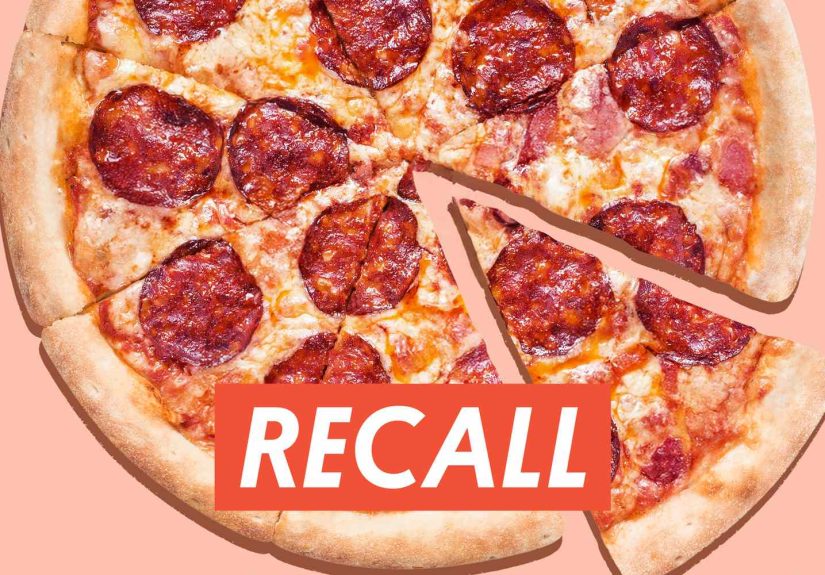
That’s why a recent public health alert involving a Trader Joe’s frozen pepperoni pizza got people’s attention. The short version: one specific Trader Joe’s pizza product was flagged because it skipped a required U.S. import reinspection step. The longer version (the one you actually need) is belowwhat it is, why it matters, how to check your freezer, and what to do if you have it.
First: Which Trader Joe’s frozen pizza is involved?
The alert centers on Trader Joe’s Uncured Pepperoni Pizza (Product of Italy). This is not a “every pizza, everywhere, forever” situation. It’s a targeted alert tied to specific identifying information on the packaging.
How to identify the pizza
- Product name: Trader Joe’s Uncured Pepperoni Pizza (Product of Italy)
- Size: 17.63 oz (commonly reported)
- Where it was sold: California locations (as reported by multiple outlets)
- Packaging clues: An establishment number from Italy and specific lot/best-by details printed on the box (details vary by reporting, but consistently reference mid-June 2025 lot codes and August 2026 best-by dates)
If you’re thinking, “I’m not in California, so I’m safe,” that’s likely truebut freezers are chaotic. People travel. People visit family. People stock up. People forget they left a pizza in a friend’s freezer after movie night. (You know who you are.) The safest move is to check the box if you’ve bought Trader Joe’s imported pepperoni pizza in the last year.
What does “public health alert” meanand how is it different from a recall?
Food safety language can sound scary because it’s designed to be taken seriously. But the terms matter:
Public health alert
A public health alert is typically issued to inform consumers of a potential concern when a product may no longer be available for purchaseyet could still be sitting in home freezers. In this case, reports emphasized that the pizza was not currently being sold, which is why you’ll see “alert” language rather than a classic “recall everything immediately” headline.
Recall
A recall generally involves product that is still in distribution or on shelves, and it triggers a more formal retrieval process. Not every alert becomes a recall, and not every recall involves widespread illness. Sometimes it’s about a process failure, labeling issue, or missing compliance step.
Translation: A public health alert is your cue to check your freezer and make a smart call, not to panic-text your group chat “THE PIZZA IS OUT TO GET US.” (Although… I get it.)
So what exactly was the issue with this Trader Joe’s pizza?
According to coverage of the alert, the key problem wasn’t that the pizza tested positive for something awful. The issue was that the product was imported without being presented for required FSIS import reinspection after clearing customs.
Why import reinspection matters
In plain English: when certain foods are imported into the U.S., there’s a verification step designed to confirm the shipment meets U.S. requirementsthings like proper certification, labeling, and general condition checks. Skipping that step creates a gap in oversight. It doesn’t automatically mean the product is contaminated, but it does mean the normal safety checkpoint didn’t happen.
If you’ve ever boarded a flight and thought, “Wait… did they actually scan my ticket?”that’s the vibe. You might still reach your destination, but the airline is going to want to know why the system didn’t do its job.
Was anyone sick from this pizza?
Multiple reports on the alert stated that no illnesses or adverse reactions had been reported at the time of publication. That’s good news. It also explains why the guidance is practical: don’t eat it if you have it, and use the return/discard options available to you.
What should you do if you have this pizza in your freezer?
Here’s the no-drama checklist that keeps you safe and keeps your kitchen from turning into a true-crime podcast episode.
1) Confirm it’s the affected product
Look for “Trader Joe’s Uncured Pepperoni Pizza (Product of Italy)” and check any printed lot/best-by information, plus the Italian establishment mark information on the box. If it matches what was described in coverage of the alert, treat it as affected.
2) Don’t eat it
Even if it “smells fine” and looks like every other pepperoni pizza on earth, the guidance is straightforward: do not consume it. The point of an alert is to reduce risk when a compliance step was missed.
3) Return it or discard it
Most reporting advised consumers to return the product to Trader Joe’s or throw it away. Trader Joe’s is known for a customer-friendly return approach, but policies can vary. If you’re not sure, bring the box (or a photo of it) and ask customer service.
4) If you already ate it, don’t spiral
Because the alert is tied to a missed inspection stepnot a confirmed contamination eventeating it doesn’t mean you’re doomed. Monitor how you feel. If you develop symptoms that concern you, reach out to a healthcare professional for advice.
Food safety symptoms to know (without getting weird about it)
Most foodborne illnesses share a familiar set of “ugh” signals. Seek medical advice if you experience severe or persistent symptoms, dehydration signs, high fever, or if you’re in a higher-risk group (older adults, pregnant people, young children, or anyone with a weakened immune system).
Common warning signs
- Nausea
- Stomach cramps
- Vomiting
- Diarrhea
- Fever
- Feeling unusually weak or dehydrated
Again: the reporting around this alert noted no reported illnesses at the time. This section is here because “what should I watch for?” is the first question everyone asks after “is my pizza cursed?”
Why Trader Joe’s alerts go viral (and why that’s not always a bad thing)
Trader Joe’s has a loyal fan base. Some people treat new items like limited-edition sneaker drops, except the sneakers are cookie butter and the line is the frozen aisle. When a popular brand is involved, headlines spread fastsometimes faster than context.
Here’s the helpful takeaway
- Virality gets the word out quickly.
- Consumers check their freezers sooner.
- Fewer people take unnecessary risks “just to finish it.”
In other words: the internet may be dramatic, but it’s also an efficient neighborhood watchespecially when dinner is involved.
How to “freezer-audit” like a pro (without turning it into a personality)
If you want a simple system that actually works, try this:
Keep a “front row” zone
Put the newest items behind the older items, so you naturally use older food first. Yes, this is basically the grocery store method. No, you don’t need a clipboard.
Take quick photos of labels
If something has a lot code/best-by date in an annoying location, snap a photo once. When news hits, you can confirm details without playing freezer Tetris.
Make “mystery items” earn their space
If the packaging is gone and you don’t remember what it is, it’s now a contestant on “Eat It This Week or It Gets Voted Off.”
FAQ: The questions everyone asks
Is this all Trader Joe’s frozen pizza?
No. The alert reporting focused on Trader Joe’s Uncured Pepperoni Pizza (Product of Italy) with specific identifying details.
Is it a contamination issue?
Based on reporting, the central issue was missing required import reinspection, not a confirmed lab finding of contamination.
Why would a product skip reinspection?
Coverage described it as a compliance/process problemoften paperwork, presentation timing, or handling steps. These are the kinds of issues regulators still take seriously because they weaken the safety net.
What if I can’t find the box?
If you’re not sure what you have, the safest option is not to eat it. If you strongly suspect it’s the affected product, discard it. Future-you will thank you.
Bottom line
This Trader Joe’s frozen pizza health alert is a reminder that food safety isn’t only about “something is definitely bad.” Sometimes it’s about “a required checkpoint didn’t happen, so don’t take chances.” The action steps are simple: check your freezer, confirm the label, don’t eat the affected product, and return or discard it.
And if you’re feeling personally attacked because your freezer contains items from three different erasconsider this your gentle nudge to clean it out. You might even find that ice cream you swore you finished. (Plot twist: you did not.)
Extra: Real-life experiences and “what it feels like” when a food alert hits
The moment a food alert pops up on your phone, your brain does this hilarious little two-step:
- Denial: “That’s not my pizza.”
- Investigation: “Okay but what if it IS my pizza?”
For a lot of people, Trader Joe’s frozen pizza is a staple. It’s the “I had plans, then life happened” meal. It’s the “I’m not cooking, but I’m also not spending $38 on delivery fees and vibes” solution. So when you hear the words public health alert, it’s normal to feel irritatednot just worried. Like, come on. Can we not have one safe convenience in this economy?
Here’s what the experience typically looks like in a normal household:
You do the freezer stare-down
You open the freezer and just… look. The freezer looks back. Somewhere deep inside, a bag of peas from last year shifts slightly, like it’s trying to avoid eye contact. You start pulling things out: frozen mango, dumplings, something in foil that might be bread, and an unidentifiable block in a zip-top bag labeled “SOUP??” in suspicious handwriting.
Then you find it. A pizza box. You feel a strange mix of victory and betrayalvictory because you found the suspect, betrayal because you realize you were fully going to eat it next week like nothing happened.
You become a label detective
Suddenly you’re reading tiny printed codes like you’re cracking an espionage case. Lot numbers. Best-by dates. Establishment marks. You angle the box toward the light. You flip it over. You squint. You consider getting your glasses even if you never wear them. You take a photo and zoom in until the pepperoni looks like abstract art.
And honestly? That part is empowering. It turns a scary headline into a simple yes-or-no decision. Either it matches the affected information, or it doesn’t. No doom-scrolling required.
The “return or toss” debate
Some people immediately throw it awayno hesitation, no ceremony, straight to the trash. Others feel personally offended by the idea of wasting food and will march it back to the store like, “Hello, I would like to exchange this questionable pizza for something that won’t make me question my life choices.”
Trader Joe’s returns are usually pretty painless, which is part of the brand’s appeal. People often describe a quick interaction: show the product (or a photo), explain it’s part of the alert, and the staff handles it calmlybecause they’ve seen it all. You are not their weirdest customer. Not even close.
You quietly upgrade your freezer habits (for about a week)
Food alerts have a funny side effect: for a brief, shining moment, everyone becomes organized. You stack items neatly. You promise to rotate stock. You decide to keep boxes longer so you can track lot numbers. You even consider writing dates on items with a marker like a responsible adult who owns matching towels.
Then, seven days later, you’re back to tossing in groceries like you’re playing basketball from half-court. That’s okay. The goal isn’t freezer perfection. The goal is having enough awareness to check a label and make a safer choice when it matters.
So if you saw this alert and felt a jolt of anxiety, that reaction makes sense. But the practical path is simple: identify the product, follow the guidance, and move on. Let the system do its jobwhile you do yours: making sure dinner doesn’t come with surprise paperwork drama.