Table of Contents >> Show >> Hide
- Why Homemade Gravy Is Worth It
- What You Need for a Basic Homemade Gravy Recipe
- Homemade Gravy Recipe
- How To Make Homemade Gravy Without Drippings
- How To Fix Common Gravy Problems
- Best Tips for Flavorful Homemade Gravy
- Easy Variations to Try
- How To Store and Reheat Homemade Gravy
- Conclusion
- Real-Life Experiences With Homemade Gravy
- SEO Tags
If gravy has ever made you nervous, welcome to the club. Plenty of home cooks can roast a chicken, mash potatoes, and set a beautiful table, then suddenly turn into panicked scientists the minute someone says, “Don’t forget the gravy.” The good news is that homemade gravy is not culinary wizardry. It is simply a delicious little equation: fat + flour + flavorful liquid + confidence. Once you understand that formula, you can make rich, silky gravy for turkey, chicken, beef, pork, or even a meat-free dinner without breaking a sweat or muttering dramatic monologues at your whisk.
This homemade gravy recipe is designed to be practical, flexible, and deeply flavorful. It works whether you have gorgeous pan drippings from a roast or you are starting with butter and broth because your weeknight chicken came from a grocery store rotisserie. We will cover the basics, the step-by-step method, the most common mistakes, and the little tricks that make gravy taste like it came from a home kitchen that actually knows what it is doing. In other words, not a mystery beige liquid from a packet, but the good stuff.
Why Homemade Gravy Is Worth It
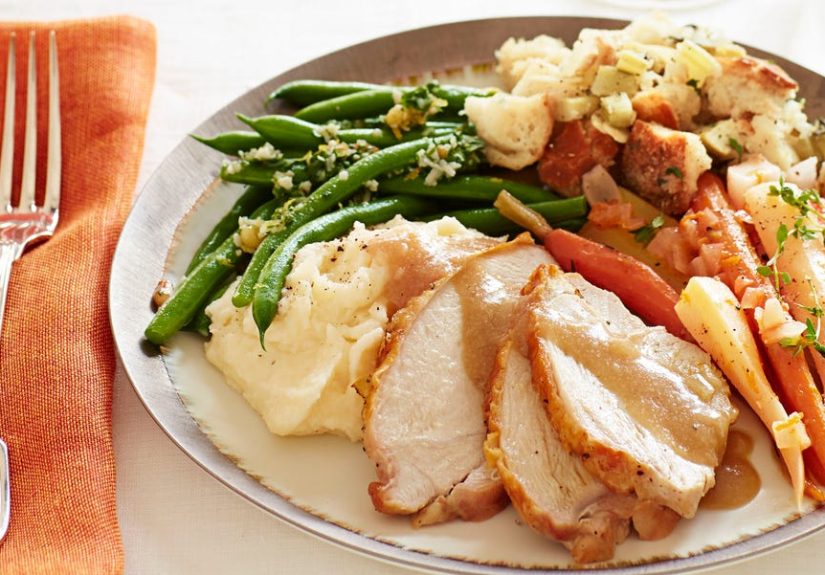
A good homemade gravy recipe does more than add moisture to a plate. It ties the entire meal together. It gives mashed potatoes purpose, makes sliced roast meat feel luxurious, and rescues the occasional dry bite like a tiny edible superhero wearing a saucepan for a cape. Store-bought mixes can be useful in a pinch, but homemade gravy has a fuller flavor, a better texture, and the kind of savory depth that comes from real drippings, broth, and browned bits from the pan.
Another reason to learn how to make homemade gravy is control. You control the salt, the thickness, the herbs, and the final flavor. Want it peppery? Easy. Want it herby with thyme and sage? Done. Need a simple brown gravy for meatloaf on a Tuesday? No holiday required. Once you know the technique, gravy becomes less of a seasonal panic and more of a kitchen superpower.
What You Need for a Basic Homemade Gravy Recipe
This easy gravy recipe uses classic pantry ingredients. The exact measurements can be scaled up or down, but the structure stays the same.
Core Ingredients
- Fat: Pan drippings, butter, or a mix of both
- Flour: All-purpose flour for the roux
- Liquid: Chicken broth, turkey broth, beef broth, or stock
- Seasoning: Salt and black pepper
Optional Flavor Boosters
- Pan drippings from roasted meat
- A splash of white wine or dry sherry
- Fresh thyme, sage, or rosemary
- Onion powder or garlic powder
- A small splash of Worcestershire sauce for beef gravy
- A tiny bit of vinegar to brighten rich flavors
The most reliable ratio for homemade gravy is simple: equal parts fat and flour, then enough broth or drippings to reach your desired consistency. If you like a medium gravy, 2 tablespoons of fat and 2 tablespoons of flour with about 1 cup of liquid is a nice place to start. Need more? Multiply the ingredients and keep whisking like you mean it.
Homemade Gravy Recipe
Ingredients
- 4 tablespoons pan drippings, butter, or a combination of both
- 4 tablespoons all-purpose flour
- 2 to 2 1/2 cups chicken, turkey, or beef broth, warmed
- 1/2 teaspoon kosher salt, plus more to taste
- 1/2 teaspoon black pepper, plus more to taste
- 1 teaspoon Worcestershire sauce, optional
- 1 teaspoon chopped fresh thyme or sage, optional
Instructions
- Start with the drippings if you have them. After roasting meat, pour the pan drippings into a measuring cup. Let them settle for a minute so the fat rises to the top. Spoon off the fat and reserve it. If you do not have enough fat, add butter until you reach 4 tablespoons.
- Do not waste the browned bits. Those caramelized little specks stuck to the roasting pan are pure flavor. If the pan looks dry, add a splash of broth or a little wine and scrape up the fond with a wooden spoon. Add that liquid to your gravy later.
- Make the roux. In a skillet or saucepan over medium heat, add the fat. Whisk in the flour until smooth. Cook for 1 to 3 minutes, whisking constantly, until the mixture smells nutty and looks lightly golden. This step cooks out the raw flour taste and builds flavor.
- Slowly add the warm liquid. Pour in the broth a little at a time while whisking constantly. Yes, slowly. This is the difference between silky gravy and a pan full of stubborn lumps that stare back at you like kitchen judgment.
- Simmer until thickened. Once all the liquid is added, bring the gravy to a gentle simmer. Stir often and cook for 3 to 8 minutes, depending on how thick you want it. The gravy should coat the back of a spoon but still pour easily.
- Season and adjust. Add salt, pepper, herbs, and Worcestershire sauce if using. Taste before adding more salt, especially if your broth or drippings are already salty. If the gravy tastes flat, a tiny splash of vinegar or a few extra cracks of pepper can wake it right up.
- Strain if desired. For ultra-smooth gravy, pour it through a fine-mesh sieve before serving. This is especially helpful if you used drippings with lots of browned solids.
How To Make Homemade Gravy Without Drippings
No drippings? No problem. Homemade gravy without drippings is still very doable, and honestly, it can be a dinner-table lifesaver. Use butter as your fat, broth as your base, and build flavor with aromatics and seasoning.
To make it, melt 4 tablespoons of butter in a saucepan. Whisk in 4 tablespoons of flour and cook for a minute or two. Slowly whisk in warm broth, then simmer until thickened. For extra depth, add a pinch of onion powder, garlic powder, black pepper, and a dash of Worcestershire sauce. It will not taste exactly like roast-dripping gravy, but it will taste homemade, savory, and very respectable. More than respectable, actually. It will get the mashed potatoes to applaud.
How To Fix Common Gravy Problems
Lumpy Gravy
This usually happens when liquid is added too quickly or flour hits hot liquid directly. Keep whisking first. If the lumps refuse to leave, strain the gravy through a fine-mesh sieve. A blender can help too, but a sieve is usually the cleaner solution.
Gravy Too Thin
Let it simmer a little longer to reduce. If it still looks more like broth than gravy, make a quick thickener. Mix equal parts soft butter and flour into a paste, then whisk in a small amount at a time. You can also use a cornstarch slurry in a pinch, though a roux-based gravy usually has a richer flavor and texture.
Gravy Too Thick
This is the easiest problem on earth. Whisk in more warm broth a splash at a time until it loosens up. Congratulations, you have solved a gravy emergency without breaking into a flop sweat.
Gravy Tastes Like Raw Flour
Your roux probably needed more cooking time. Let the gravy simmer for a few extra minutes, stirring often. That cooked, nutty flavor is what you want, not “I accidentally seasoned wallpaper paste.”
Gravy Tastes Flat
It may need more salt, pepper, or acidity. A small splash of vinegar, wine, or Worcestershire sauce can brighten the whole pan. Fresh herbs also help. The goal is savory, balanced flavor, not just saltiness.
Best Tips for Flavorful Homemade Gravy
- Warm your broth before adding it. Warm liquid blends into the roux more smoothly and helps prevent lumps.
- Use low-sodium broth when possible. It gives you more control over final seasoning.
- Let roasted meat rest while you make the gravy. That gives juices time to settle and gives you time to work with the drippings.
- Do not rush the roux. A minute or two of cooking makes a big difference in flavor.
- Taste as you go. Gravy is a “tiny adjustment, big payoff” kind of recipe.
- Double the batch if serving a crowd. Nobody has ever whispered, “I wish there were less gravy.”
Easy Variations to Try
Turkey Gravy
Use turkey drippings and turkey or chicken stock. Add sage and thyme for classic holiday flavor.
Chicken Gravy
Use roast chicken drippings or butter with chicken broth. A little garlic powder and black pepper work beautifully here.
Beef Gravy
Use beef drippings or butter with beef broth. Worcestershire sauce, black pepper, and a small splash of red wine add depth.
Sausage or Country Gravy
Use sausage drippings, flour, and milk instead of broth. Add plenty of black pepper for classic biscuits-and-gravy flavor.
Mushroom Gravy
Sauté chopped mushrooms in butter first, then add flour and broth. It is earthy, savory, and excellent for meatless meals.
How To Store and Reheat Homemade Gravy
Homemade gravy should not sit out for hours while everyone slowly debates whether they have room for pie. Cool it promptly, transfer it to a container, and refrigerate it. When reheating, warm it gently on the stove, whisking often. If it thickens in the fridge, add a splash of broth or water to loosen it. Bring reheated gravy up until it is hot and smooth before serving.
You can also make gravy ahead of time. That is a sneaky-smart move for holidays because it frees up stove space and reduces last-minute chaos. In fact, make-ahead gravy might be the unsung hero of big dinners, right behind the person who remembers to bring extra butter.
Conclusion
If you have ever wondered how to make homemade gravy that tastes rich, smooth, and truly worth spooning over everything on your plate, the secret is not secret at all. Start with fat, flour, and flavorful liquid. Whisk patiently. Simmer until glossy. Taste and adjust. That is it. Homemade gravy is one of those recipes that seems intimidating until you make it once, and then suddenly you are the person saying things like, “Oh, I’ll just whip up some gravy,” which is a very powerful sentence in any kitchen.
Whether you are making roast turkey gravy for a holiday meal, chicken gravy for Sunday dinner, or a quick brown gravy for comfort food on a chilly night, this method gives you a dependable, flexible foundation. It is simple enough for beginners, satisfying enough for experienced cooks, and delicious enough to make people scrape their plates with bread when they think no one is looking. That is how you know the gravy did its job.
Real-Life Experiences With Homemade Gravy
One of the funniest things about homemade gravy is that it often carries a strange emotional weight. People speak about it the way they speak about pie crust or holiday seating charts. There is anxiety. There is family lore. There is usually one aunt, one uncle, or one grandparent whose gravy is treated like a sacred text. Then the rest of us stand at the stove hoping ours does not resemble soup with self-esteem issues.
I have seen homemade gravy become the surprise star of dinners that were otherwise perfectly ordinary. A simple roast chicken can feel restaurant-worthy when it comes to the table with a glossy, savory gravy in a warm pitcher. The potatoes suddenly matter more. The vegetables get dragged through it. Even the quietest person at dinner starts making approving noises that sound suspiciously like “mmm” followed by, “Wait, who made this?” That is the charm of gravy. It is rarely the headline item, but it can absolutely steal the show.
There is also something deeply reassuring about the process of making it. The butter melts, the flour foams, the whisk starts doing its little dance, and within minutes the pan transforms from plain ingredients into something that smells like comfort and effort and Sunday evening in the best possible way. It feels old-school in a satisfying way. Not complicated. Not fussy. Just practical kitchen knowledge that rewards patience.
Many home cooks remember their first gravy disaster with vivid detail. Maybe it was lumpy. Maybe it was too salty. Maybe it was so thick the spoon practically stood at attention. But the nice thing about gravy is that it is forgiving. Too thick? Add broth. Too thin? Simmer it. Lumpy? Strain it. Unlike certain baking recipes that collapse if the wind changes direction, gravy is usually willing to work with you. It may raise an eyebrow, but it will cooperate.
Homemade gravy also has a way of turning leftovers into a second dinner people actually look forward to. Cold roast turkey or sliced beef reheated with a bit of gravy becomes tender and inviting again. Mashed potatoes revived with an extra spoonful suddenly taste intentional, not leftover. Even plain toast can become a comfort meal if the gravy is good enough. It is not glamorous, but it is glorious.
For holiday cooks, gravy often becomes a measure of calm under pressure. The turkey is resting, the kitchen is crowded, someone is asking where the serving spoon went, and somehow there you are, whisk in hand, pulling together the final piece of the meal. That moment feels oddly triumphant. The gravy is warm, silky, seasoned just right, and suddenly the whole dinner feels complete. It is a little kitchen victory, and those count.
What makes homemade gravy especially memorable is that it tastes personal. Two cooks can use the same basic formula and end up with slightly different results because one likes more pepper, one uses more herbs, one sneaks in a splash of wine, and one insists the browned bits are where the soul lives. That variation is part of the fun. Homemade gravy is not just a sauce. It is style. It is instinct. It is one of those recipes that quietly becomes yours over time.
So if you are standing in your kitchen wondering whether making gravy from scratch is really worth it, the answer is yes. Not because it is fancy. Not because it is difficult. But because it tastes like care. And sometimes the most memorable thing on the table is not the roast or the stuffing or the pie. Sometimes it is the humble, shiny, savory spoonful that pulls the whole plate together and makes everyone go back for one more bite.