Table of Contents >> Show >> Hide
- Why the Mediterranean Diet Works So Well in Fall
- 1. Extra-Virgin Olive Oil
- 2. Lentils and Beans
- 3. Winter Squash
- 4. Dark Leafy Greens
- 5. Whole Grains
- 6. Salmon, Sardines, and Other Fatty Fish
- 7. Greek Yogurt and Other Plain Yogurts
- 8. Walnuts, Almonds, and Pumpkin Seeds
- How to Build a Cozy Mediterranean Fall Meal
- What These Foods Feel Like in Real Life During Fall
- Conclusion
- SEO Tags
Fall has a way of turning everyone into a part-time soup philosopher. The second the air gets crisp, we start craving roasted vegetables, steaming bowls, and dinners that feel like they should come with wool socks. The good news is that cozy food and smart food are not enemies. In fact, the Mediterranean diet makes a strong argument that they are best friends.
Instead of obsessing over strict rules, this eating pattern focuses on simple, satisfying staples: vegetables, beans, whole grains, nuts, olive oil, fish, and moderate amounts of dairy. In other words, it is less “sad diet food” and more “someone please pass the warm barley stew.” That makes it especially perfect for autumn, when kitchens smell like garlic, herbs, and whatever is currently roasting in the oven.
If you want to build fall meals that feel hearty without becoming heavy, these eight Mediterranean diet foods deserve a permanent invitation to your table. Each one fits naturally into comforting seasonal cooking, and each one can help you create dinners that taste rich, layered, and deeply satisfying. Here is how to use them without making your meal plan feel like a nutrition lecture in a cardigan.
Why the Mediterranean Diet Works So Well in Fall
The Mediterranean diet is often associated with sunny coastlines, tomatoes, and outdoor lunches that somehow look better than your entire refrigerator. But its core idea works beautifully in colder weather too. The real foundation is not summer produce alone. It is a flexible, plant-forward way of eating that leans on healthy fats, fiber-rich foods, herbs, seafood, and minimally processed ingredients.
That means fall favorites fit right in: squash, dark leafy greens, lentils, beans, oats, barley, yogurt sauces, baked fish, toasted nuts, and plenty of olive oil. With the right combinations, these foods can deliver the warmth people want in autumn meals while still keeping the overall pattern balanced, colorful, and practical for real life.
1. Extra-Virgin Olive Oil
Why it belongs in cozy fall meals
If the Mediterranean diet had a mascot, it would probably be extra-virgin olive oil carrying a loaf of crusty bread and acting like it owns the place. Olive oil adds richness without the heavy feel of cream-based sauces or butter-loaded cooking. In fall, that matters because this is the season of roasting, braising, and drizzling absolutely everything.
How to use it
Toss cubed squash, carrots, onions, and cauliflower with olive oil before roasting. Swirl it into pureed vegetable soups right before serving. Use it to sauté garlic and kale for a quick skillet side. Or whisk it with lemon, Dijon mustard, and herbs for a vinaigrette that makes grain bowls taste like you put in far more effort than you actually did.
Olive oil is also the ingredient that helps simple foods feel luxurious. A humble bowl of white beans goes from “fine” to “where has this been all my life?” with a spoonful of good olive oil and cracked black pepper.
2. Lentils and Beans
The fall comfort-food MVP
Lentils and beans are the overachievers of the Mediterranean pantry. They are filling, affordable, versatile, and ready to turn into soup the moment the weather drops below “iced coffee season.” They bring body and texture to meals, which is exactly what cozy fall cooking needs.
Best ways to cook them in autumn
Use lentils in a tomato-based soup with onions, celery, garlic, and rosemary. Turn chickpeas into a warm skillet dish with spinach and smoked paprika. Stir white beans into roasted vegetable stews. Mash cannellini beans onto toast with olive oil and sage for a fast lunch that somehow feels rustic and fancy at the same time.
Beans are especially useful when you want a meal that feels substantial without centering everything on meat. They pair beautifully with autumn produce, absorb flavor like champions, and can stretch a dinner budget without stretching your patience.
3. Winter Squash
Why it feels made for Mediterranean fall cooking
Butternut squash, delicata squash, and acorn squash are basically fall wearing formal clothes. They are naturally sweet, deeply comforting, and ideal for roasting, stuffing, or blending into soups. While squash is not the poster child of the Mediterranean diet the way olive oil or fish might be, it fits perfectly into the pattern’s emphasis on vegetables, seasonal produce, and simple preparation.
Easy meal ideas
Roast squash wedges with olive oil and thyme, then serve them over farro with crumbled feta. Blend roasted butternut squash with garlic, onions, and vegetable broth for a velvety soup, then top with toasted pumpkin seeds. Stuff halved acorn squash with lentils, herbs, chopped spinach, and a spoonful of yogurt for a dinner that looks impressive enough to deserve applause.
Squash brings sweetness and softness to the plate, which makes it perfect for balancing savory ingredients like bitter greens, tangy yogurt, and earthy legumes.
4. Dark Leafy Greens
Fall’s answer to freshness
When fall meals start drifting into beige territory, dark leafy greens come to the rescue. Kale, Swiss chard, collards, and spinach add color, texture, and a welcome contrast to heavier foods. They also help cozy meals feel lively instead of one-note.
How to make them actually delicious
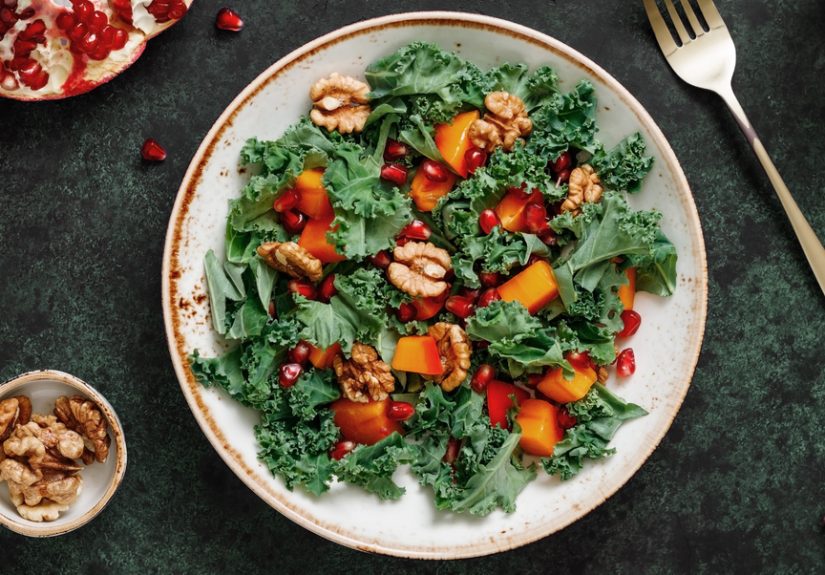
The secret is not forcing yourself to eat a sad pile of raw kale and pretending it is a personality trait. In fall, greens shine when they are cooked with olive oil, garlic, onion, beans, or broth. Add chopped kale to lentil soup. Sauté chard with chickpeas and lemon. Fold spinach into baked whole-grain pasta. Or layer greens into a grain bowl with roasted squash, walnuts, and a yogurt sauce.
Leafy greens are the ingredient that makes a meal feel smart without sacrificing comfort. They add earthiness, bite, and balance, especially when paired with sweeter seasonal vegetables.
5. Whole Grains
The cozy base every bowl needs
If summer belongs to salads, fall belongs to grains that steam up your kitchen windows. Whole grains such as farro, barley, brown rice, bulgur, and oats are central to Mediterranean-style eating, and they are especially useful when the temperature drops.
Why they work so well
Whole grains bring chew, warmth, and staying power. They turn vegetables and proteins into complete meals instead of side dishes pretending to be dinner. Barley is excellent in soups because it becomes tender without disappearing. Farro adds a nutty bite to roasted vegetable bowls. Oats can go savory with mushrooms, greens, and a poached egg if you are tired of sweet breakfasts but still want something warm.
For cozy fall meals, think of whole grains as the fireplace of the plate. Everything gathers around them. They anchor textures, soak up sauces, and make leftovers better the next day, which is frankly heroic behavior.
6. Salmon, Sardines, and Other Fatty Fish
Comfort food that still feels light
Fish may not sound as autumnal as a giant casserole, but it should. Mediterranean-style eating gives seafood a regular role, and fatty fish in particular can turn into deeply comforting meals when paired with fall produce and warm grains.
How to serve it in fall
Roast salmon with olive oil, garlic, and rosemary, then plate it with barley and wilted greens. Add flaked salmon to a warm grain bowl with roasted squash and tahini-lemon dressing. Use sardines on toasted whole-grain bread with white beans, parsley, and a little crushed red pepper for a fast lunch with real staying power.
Fish is especially handy when you want a dinner that feels nourishing but not overly heavy. It cooks quickly, pairs well with Mediterranean flavors, and gives fall meals variety when your weekly menu starts looking suspiciously bean-based.
7. Greek Yogurt and Other Plain Yogurts
The creamy shortcut that keeps meals balanced
Plain yogurt is one of the easiest ways to add creaminess without leaning on heavy sauces. In Mediterranean eating, yogurt often shows up in moderate portions, especially as a topping, dip, or ingredient in savory dishes. That makes it perfect for fall meals that need a cool, tangy contrast to warm roasted ingredients.
Cozy ways to use it
Spoon Greek yogurt over lentil soup with a drizzle of olive oil. Stir it with garlic, lemon, and dill for a sauce over salmon or roasted vegetables. Add a dollop to stuffed squash. Mix it with cucumbers and herbs for a quick yogurt sauce that brightens grain bowls and baked sweet vegetables.
Yogurt gives fall meals contrast. When everything on the plate is roasted, soft, or deeply savory, that tangy spoonful wakes the whole thing up.
8. Walnuts, Almonds, and Pumpkin Seeds
The crunchy finishing move
Cozy food needs texture. Otherwise, every meal starts tasting like a soft blanket, and while that sounds charming, it gets monotonous fast. Nuts and seeds solve that problem beautifully.
How to use them well
Sprinkle chopped walnuts over roasted squash soup. Add sliced almonds to sautéed green beans or kale. Scatter pumpkin seeds over grain bowls, soups, or yogurt-based sauces. Blend walnuts into pesto with herbs and olive oil for a richer, more autumn-friendly twist on the usual version.
Nuts and seeds bring crunch, depth, and a toasty flavor that fits the season naturally. They also help smaller vegetarian meals feel more complete, which is useful on nights when dinner needs to be both practical and deeply comforting.
How to Build a Cozy Mediterranean Fall Meal
You do not need a complicated recipe collection to make this style of eating work. A simple formula is enough:
Pick one vegetable, one protein, one grain, one healthy fat, and one bright finishing touch.
For example:
- Roasted butternut squash + lentils + farro + olive oil + yogurt sauce
- Salmon + barley + garlicky kale + olive oil + toasted walnuts
- White bean stew + spinach + whole-grain toast + olive oil + lemon
- Stuffed acorn squash + chickpeas + herbs + yogurt + pumpkin seeds
That is the beauty of Mediterranean-style fall cooking. It is not about perfection. It is about combining familiar, wholesome foods in a way that feels warm, flavorful, and realistic for weeknights.
What These Foods Feel Like in Real Life During Fall
There is also something quietly wonderful about the experience of eating this way in autumn, and that part rarely gets enough attention. On paper, “Mediterranean diet foods” can sound clinical, almost like a chart taped to a refrigerator by someone who enjoys spreadsheets a little too much. But in real life, these foods feel generous.
They feel like coming home on a chilly evening and knowing dinner is going to smell good before you even take your shoes off. Olive oil warming in a pan with garlic and onion creates the sort of kitchen aroma that makes people wander in and ask, “What are you making?” even when they were not previously interested in your culinary journey. Lentils bubbling on the stove feel patient and grounding. Roasted squash makes the whole house smell like fall got itself together.
There is comfort in the rhythm of it too. You roast a tray of vegetables while barley simmers. You whisk yogurt with lemon and herbs. You toast walnuts in a dry skillet until they smell rich and nutty and suddenly seem far more expensive than they really are. None of it feels fussy, but all of it feels intentional. That is a rare sweet spot.
These foods also make everyday meals feel a little more human. A grain bowl with kale, white beans, and roasted delicata squash is not flashy, but it feels deeply restorative after a long day. A piece of salmon with warm farro and garlicky greens feels like something you might order at a cozy neighborhood restaurant, except you are eating it at your own table in socks that absolutely do not match. There is dignity in that.
Even leftovers become part of the experience. Mediterranean-style fall meals tend to improve overnight. Soup thickens a little. Grains absorb more flavor. Roasted vegetables become sweeter. The next day’s lunch feels less like sad obligation and more like a reward for having your life together for at least one glorious evening.
And perhaps the best part is that this way of eating leaves room for pleasure. It does not demand that every meal be tiny, joyless, or morally exhausting. It invites you to eat warm food, use real ingredients, and build meals with contrast: creamy yogurt against crisp seeds, silky olive oil against chewy grains, sweet squash against bitter greens. That balance is what makes food memorable.
So yes, the Mediterranean diet has an impressive reputation. Yes, it is associated with heart-smart, plant-forward eating. But in fall, it offers something even more immediate: dinners that feel cozy without being weighed down, nourishing without being boring, and wholesome without tasting like punishment. That may be the most comforting feature of all.
Conclusion
If you want fall meals that are warm, satisfying, and genuinely good for you, these eight Mediterranean diet foods are a smart place to start. Olive oil brings richness, beans and lentils add comfort, squash and greens keep meals seasonal, whole grains provide staying power, fish adds variety, yogurt offers tangy creaminess, and nuts and seeds finish everything with crunch.
Together, they create the kind of autumn cooking that feels both cozy and balanced. Not trendy. Not restrictive. Just deeply practical, flavorful food that makes cold nights easier and dinner a lot more interesting.