Table of Contents >> Show >> Hide
- The Short Answer
- Why Early Headlines Made Everyone Side-Eye Their Amazon Boxes
- How Long Does COVID-19 Last on Common Surfaces?
- What Changes How Long COVID-19 Survives?
- Survival Does Not Equal Easy Transmission
- What About Packages, Groceries, and Food Packaging?
- How to Clean Smartly Without Going Full Apocalypse Janitor
- So, Should You Still Worry About Surfaces?
- Real-World Experiences: What People Learned About COVID-19 and Surfaces
- Conclusion
Back in the early pandemic days, people were wiping down groceries like they were defusing tiny viral landmines. Mail got quarantined. Door handles became public enemy number one. Kitchen counters received more attention than some houseplants. So it is completely fair to ask: How long will COVID-19 survive on surfaces?
The honest answer is a little less dramatic than those first headlines made it seem. Yes, the virus that causes COVID-19 can remain on certain surfaces for hours or even days under laboratory conditions. But that does not mean every doorknob is running a villain origin story. In the real world, surface transmission appears to be much less common than breathing in virus-filled droplets or aerosols from an infected person.
That distinction matters. A lot. Because “the virus can survive on a surface” and “you are likely to get infected from touching that surface” are two very different statements. One is a laboratory finding. The other is everyday risk. And those two things are related, but not identical twins.
The Short Answer
If you want the practical version first, here it is: COVID-19 can survive on surfaces from a few hours to a few days, depending on the material and the surrounding conditions. Smooth, hard, nonporous surfaces such as plastic and stainless steel tend to let the virus stick around longer than porous materials like cardboard, paper, or fabric.
Still, the bigger story is not just survival time. The bigger story is risk. Current public health messaging and expert guidance consistently point out that surface spread is possible, but it is not the main way COVID-19 spreads. That means reasonable cleaning habits make sense. Turning your living room into a bleach-scented crime scene does not.
Why Early Headlines Made Everyone Side-Eye Their Amazon Boxes
Early research on SARS-CoV-2, the virus that causes COVID-19, was extremely important. It helped scientists figure out what they were dealing with. One of the best-known lab studies found that the virus could remain detectable for up to three days on plastic and stainless steel, about 24 hours on cardboard, and around four hours on copper.
Those findings were useful, but they came with an important footnote the size of a billboard: they were measured under controlled lab conditions. Real life is messier. Temperature changes. Sunlight exists. Humidity plays games. Airflow matters. The amount of virus left behind on a surface is not always high. And most people are not touching a surface and then immediately rubbing their eyeballs like they are trying to start a campfire on their face.
In other words, the early data were never wrong. They were just easy to misunderstand. Laboratory survival shows what can happen. It does not automatically show what usually happens in a kitchen, office, classroom, gym, or delivery room full of cardboard boxes and mild existential dread.
How Long Does COVID-19 Last on Common Surfaces?
The exact survival time of SARS-CoV-2 depends on the surface, the amount of virus present, and the environment. Even so, several patterns have shown up again and again.
Hard, Nonporous Surfaces
Plastic, stainless steel, glass, and similar smooth surfaces tend to allow longer survival. These materials do not absorb moisture the way porous materials do, so virus particles can remain viable longer. That is why high-touch surfaces like doorknobs, light switches, countertops, elevator buttons, shared desks, phones, and shopping cart handles got so much attention during the pandemic.
Under lab conditions, plastic and stainless steel have been among the surfaces where the virus lasted the longest. Some expert summaries also note that glass and sealed wood may support survival for multiple days in favorable conditions. The virus is not immortal, but it can be annoyingly persistent on the smooth stuff.
Porous Surfaces
Cardboard, paper, fabric, and other softer materials are generally less hospitable. The virus tends to become noninfectious more quickly on surfaces with microscopic holes and fibers. Cardboard, for example, has often been cited as a shorter-lived surface compared with plastic or steel.
This is part of the reason why the old ritual of letting packages sit untouched in the hallway started to look more emotional than scientific. It felt productive. It just was not usually the biggest risk reducer.
Metal Surfaces Like Copper
Copper has gotten plenty of attention because it appears to inactivate the virus faster than many other common materials. In early lab work, infectious virus did not last nearly as long on copper as it did on plastic or steel. Copper still does not turn a surface into a magical germ black hole, but it is far less welcoming to viral hangouts.
What Changes How Long COVID-19 Survives?
If you are looking for a neat, one-size-fits-all answer, the virus refuses to cooperate. Several factors influence surface survival.
1. Surface Type
Smooth, sealed, nonporous surfaces usually allow longer survival. Porous, absorbent, or textured materials usually shorten it. The virus tends to prefer a sleek landing pad over a fluffy one.
2. Temperature and Humidity
Environmental conditions can change the clock. In general, survival can vary based on temperature and humidity, and those shifts help explain why different studies sometimes report different time ranges. A virus in a controlled lab chamber is not living the same life as a virus on your sunlit porch table in July.
3. Sunlight and Ventilation
Sunlight is not just good for your mood and your basil plant. It can also help reduce viral persistence. Better airflow and environmental exposure also make real-world settings less predictable than lab setups where the virus is carefully measured and protected.
4. Amount of Virus Deposited
A tiny trace left by brief contact is different from a larger amount of respiratory material. How much virus lands on the surface in the first place matters. So does whether that amount stays infectious long enough to reach a person’s eyes, nose, or mouth.
5. Whether the Surface Was Cleaned
This one sounds obvious because it is. Soap, water, and appropriate disinfectants reduce the number of germs on surfaces and can make transmission even less likely. Cleaning is the humble overachiever of public health.
Survival Does Not Equal Easy Transmission
This is the part many people missed in the rush to wipe down cereal boxes.
Scientists often distinguish between detecting viral material and proving that live, infectious virus is present in enough quantity to make someone sick. You can find remnants of a virus without proving that it is still capable of starting an infection. That is why articles about “virus found on surfaces” can sound scarier than the practical risk really is.
For infection to happen from a surface, several things usually have to line up. An infected person has to deposit enough viable virus. The virus has to remain infectious long enough. Another person has to touch that exact spot soon enough. Then that person has to touch their own eyes, nose, or mouth before handwashing gets in the way. Possible? Yes. Efficient? Not really.
That is why health authorities have consistently emphasized that COVID-19 spreads mainly from person to person through respiratory droplets and aerosols. Surface spread is more of a side door than the front entrance.
What About Packages, Groceries, and Food Packaging?
Here is some good news for anyone who spent 2020 interrogating a carton of oat milk: food and food packaging have not been considered major drivers of COVID-19 transmission. Regulatory and public health agencies have repeatedly said there is no evidence that food or food packaging is associated with spreading COVID-19 in the usual household sense.
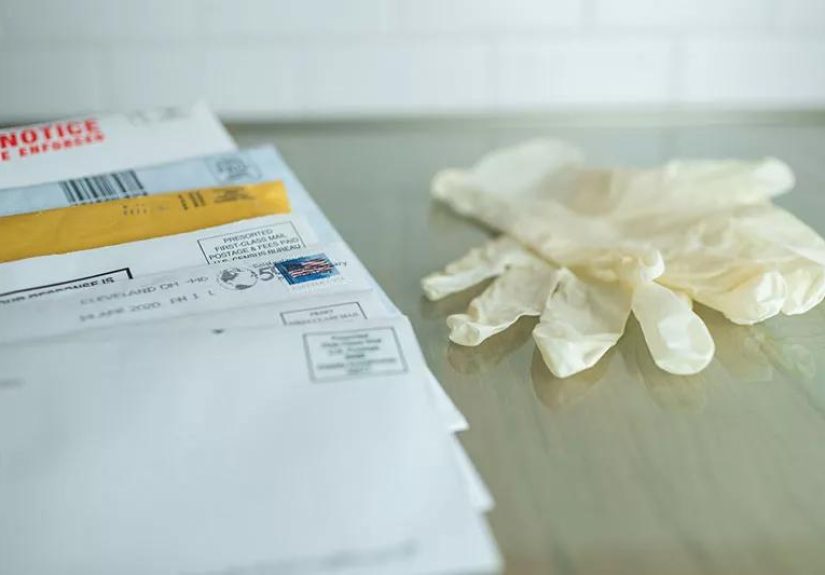
That does not mean hygiene is optional. Washing your hands after handling deliveries, groceries, shared equipment, or anything from the outside world is still smart. It just means you do not need to treat your mail like it came from a haunted laboratory.
How to Clean Smartly Without Going Full Apocalypse Janitor
The best cleaning strategy is targeted, regular, and sane.
Focus on High-Touch Surfaces
Think doorknobs, faucet handles, light switches, remotes, keyboards, desks, phones, toilet handles, appliance handles, and countertops. These are the surfaces that actually see action, not the top shelf in your laundry room that nobody has touched since the previous presidential administration.
Use Soap and Water for Routine Cleaning
Most of the time, routine cleaning is enough to lower risk. Soap and water physically remove grime and reduce germs. That alone is useful for everyday prevention.
Disinfect When Someone Is Sick
If a person with COVID-19 is in your home, or has recently been there, it makes sense to clean and then disinfect high-touch surfaces. This is the moment for a stronger response, especially in bathrooms, kitchens, and shared spaces.
Use EPA-Registered Products Properly
If you are disinfecting, choose an EPA-registered disinfectant meant for use against SARS-CoV-2. Follow the label directions, including the contact time. That means the surface may need to stay visibly wet for a certain number of minutes. Spraying and immediately wiping it off may look productive, but chemistry would like a word.
Do Not Use Surface Disinfectants on Skin
This should not need saying, and yet history has forced us to say it. Surface disinfectants are for surfaces, not people. Hands should be cleaned with soap and water or hand sanitizer, not countertop spray.
So, Should You Still Worry About Surfaces?
Worry? Not really. Respect? Sure.
Surfaces are part of the overall hygiene picture, especially in shared spaces, healthcare environments, schools, offices, public transit, and homes where someone is sick. But they are no longer viewed as the star of the COVID transmission show. They are a supporting character. The main plot still involves close contact, shared air, and breathing in infectious particles.
That means the smartest approach is layered: wash hands, avoid touching your face, clean high-touch surfaces, stay home when sick, improve ventilation, and pay attention to current public health advice. One tool alone rarely does everything. Public health is more casserole than magic trick.
Real-World Experiences: What People Learned About COVID-19 and Surfaces
One of the most memorable parts of the pandemic was how quickly surfaces became psychological landmarks. People built routines around them. Delivery drivers dropped boxes at the door and stepped back like they were leaving rare artifacts. Parents created “decontamination stations” by the entrance with wipes, sanitizer, and a level of determination normally reserved for NASA launches. Office workers cleaned keyboards and conference tables before and after meetings. Teachers wiped desks so often that some classroom surfaces practically had a skincare routine.
Those experiences were not silly. They were human. When a virus feels invisible and unpredictable, people naturally grab onto the things they can control. A spray bottle and a roll of paper towels feel more manageable than aerosol physics. You can wipe a counter. You cannot wipe the air. That gap helps explain why surface cleaning became such a powerful ritual.
Over time, many households adjusted. The giant grocery-wiping sessions got shorter. People stopped quarantining packages on the porch like suspicious cardboard roommates. Instead, habits became more balanced. A person might wash hands after bringing in deliveries, clean the kitchen counter, sanitize a phone after a crowded day out, and move on. That shift from panic cleaning to practical cleaning was one of the quieter signs that the public had started learning the difference between possible risk and likely risk.
Healthcare settings, schools, and workplaces learned related lessons. Cleaning protocols remained important, especially for high-touch shared surfaces, but surface cleaning worked best as part of a broader strategy. In other words, a sparkling desk was nice, but it could not replace staying home when sick, improving ventilation, or reducing close exposure during a surge. Plenty of organizations discovered this the hard way: you could polish every table in the building and still have transmission if people were packed indoors breathing the same stagnant air for hours.
Families also learned how much emotional comfort is wrapped up in hygiene. Cleaning can reduce risk, but it can also reduce anxiety. There is value in that, as long as it stays grounded in reality. The healthiest long-term habit was not obsessive scrubbing. It was a calmer routine: wash hands when you get home, clean frequently touched surfaces regularly, disinfect when someone is ill, and avoid turning every errand into a full theatrical production featuring gloves, wipes, and dramatic music.
In the end, surfaces taught people something bigger than how long a virus can live on plastic. They taught us how public understanding evolves. At first, the fear was broad and blunt. Later, the picture became sharper. We learned that some precautions matter more than others, that evidence changes behavior best when it is explained clearly, and that common-sense hygiene still earns its place without needing to become a full-time hobby. If there is a silver lining here, it may be this: many people came out of the pandemic better at handwashing, better at staying home when sick, and better at recognizing that the best prevention habits are usually the ones you can actually live with.
Conclusion
So, how long will COVID-19 survive on surfaces? Depending on the material and the conditions, the answer ranges from a few hours to a few days. Hard, nonporous surfaces generally let the virus last longer than cardboard, paper, or fabric. But the more important answer is this: surface transmission appears to be much less common than breathing in the virus from an infected person.
That means the smartest response is not fear. It is perspective. Clean regularly. Disinfect strategically. Wash your hands. Avoid touching your face. And remember that a wiped countertop is helpful, but good ventilation and smart everyday habits are doing a lot of the heavy lifting.