Table of Contents >> Show >> Hide
- What Is a Tomato Hornworm, Exactly?
- Why Experts Say No to Automatically Killing Them
- When You Should Take Action
- How to Find Hornworms Before They Turn Your Plant Into Lace
- What to Do Instead of Automatically Killing Them
- The Biggest Mistake Gardeners Make
- Common Myths About Tomato Hornworms
- So, Should You Kill Tomato Hornworms?
- Garden Experiences: What People Learn the Hard Way About Hornworms
If you grow tomatoes long enough, you eventually meet the garden’s most dramatic food critic: the tomato hornworm. It’s big, green, oddly muscular for a caterpillar, and so good at camouflage that it can eat half a plant before you spot it. Naturally, the first instinct is often, “Well, this relationship has ended badly.”
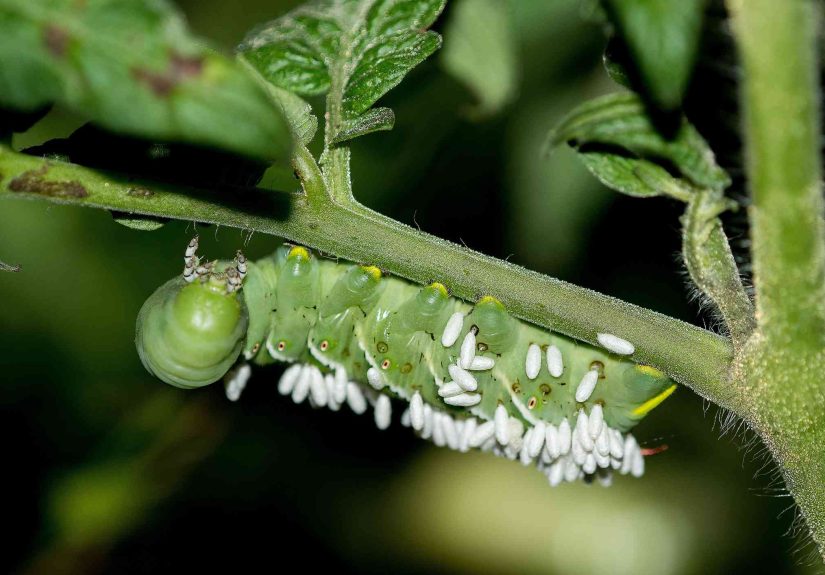
But here’s the twist: experts do not recommend a reflexive kill-on-sight approach every time you find one. Yes, tomato hornworms can chew leaves, strip stems, and nibble fruit. But the best advice from gardening and extension experts is more nuanced. In many home gardens, simple scouting and hand removal are enough. And if the hornworm is covered with white, rice-like cocoons, you absolutely should not kill it. At that point, nature has already filed the paperwork.
This is where smart tomato pest control beats tomato panic. Instead of treating every hornworm like a tiny green supervillain, it helps to understand what it is, when it matters, and why beneficial insects are often your best backup team. Once you know the difference, you can protect your tomato plants without wiping out the good bugs that are already doing free labor in your garden.
What Is a Tomato Hornworm, Exactly?
A tomato hornworm is the caterpillar stage of a large hawk moth, also called a sphinx moth. These larvae are usually bright green with white markings and a pointed “horn” at the rear. The horn looks threatening, but it is harmless. The real problem is the appetite. Hornworms feed on plants in the nightshade family, especially tomatoes, but they may also show up on peppers, eggplants, and potatoes.
There are two common lookalikes in vegetable gardens: the tomato hornworm and the tobacco hornworm. Gardeners often lump them together because both are huge, green, and fond of turning tomato plants into abstract art. The tomato hornworm usually has V-shaped white markings and a darker horn, while the tobacco hornworm usually has diagonal white stripes and a red horn. From a practical standpoint, both can cause similar damage, and both should make you inspect your plants more closely.
The life cycle matters, too. Adult moths lay eggs on host plants. The caterpillars hatch, feed heavily for several weeks, then drop to the soil and pupate. In warm conditions, another generation can follow. That means one unnoticed round of feeding can become a repeat performance later in the season if you never scout, never intervene, and leave the buffet open.
Why Experts Say No to Automatically Killing Them
Because Some Hornworms Are Already Dead Caterpillars Walking
The strongest reason experts say no is the most surprising one: a hornworm covered with white cocoons is already parasitized by beneficial wasps. Those white structures are not eggs sitting on the outside of the caterpillar. They are cocoons from tiny parasitic wasps that developed inside the hornworm and emerged to pupate on its back.
In plain English, the hornworm has already lost. It may still be clinging to your tomato plant like a bad tenant refusing to move out, but it is no longer the threat it used to be. Parasitized hornworms typically stop feeding or feed very little, and they eventually die. If you crush or remove that hornworm, you also destroy the next generation of beneficial wasps that would have gone on to parasitize more hornworms.
That is why experts repeatedly advise gardeners to leave parasitized hornworms alone. It feels emotionally confusing, like cheering for a tiny horror movie. But in gardening terms, it is brilliant biological control. You are not ignoring the problem. You are letting your allies finish the job.
Because Not Every Hornworm Problem Requires Chemical Warfare
Another reason experts avoid the blanket “kill them all” message is that home gardens are not commercial battlefields. In many backyard plots, hornworms are annoying but manageable. Physical removal is often enough. A few minutes of scouting can save a season without turning your tomato patch into a pesticide experiment.
Broad-spectrum insecticides can also harm beneficial insects that naturally keep pest populations in check. Lady beetles, lacewings, paper wasps, and parasitic wasps are part of the reason hornworms do not always explode into an even bigger disaster. If you spray first and think later, you may end up killing the helpers and preserving the headache.
Because Adult Moths Aren’t Just Garden Villains in a Cape
This part surprises people: the adult stage of these insects is a large hawk moth that often hovers around flowers at dusk and dawn. In that stage, the insect is not chomping tomato foliage. Some extension sources note that adult moths can function as pollinators. So while the caterpillar stage can absolutely be a nuisance, the whole creature is not a one-note villain. That does not mean you should let caterpillars defoliate your tomatoes out of sentimentality. It just means the smarter question is not “Should I kill this bug?” but “What response makes sense right now?”
When You Should Take Action
Let’s be honest: “experts say no” does not mean “invite the hornworms to brunch.” If you find active, non-parasitized hornworms chewing through leaves or damaging fruit, action is reasonable. The goal is targeted control, not dramatic revenge.
Take action when:
- You see fresh feeding damage on leaves, stems, or fruit.
- You find large amounts of dark droppings, also called frass, beneath the plant.
- The plant is young and losing enough foliage that growth and fruit production could suffer.
- You discover multiple hornworms and none of them are parasitized.
In these situations, hand-picking is often the first recommendation for home gardeners. It is simple, fast, and strangely satisfying once you get past the initial “why is this tomato leaf breathing?” moment.
How to Find Hornworms Before They Turn Your Plant Into Lace
Hornworms are masters of blending in. They are about the same color as tomato foliage, and they often hide along stems or the undersides of branches. That is why gardeners frequently notice the damage first and the caterpillar second.
Here are the most reliable signs:
- Missing leaves or stripped stems: sudden bare patches are a classic clue.
- Chewed green tomatoes: large bites on fruit often mean a hornworm is nearby.
- Frass: dark green or black droppings on leaves or the ground below are basically the hornworm’s confession note.
- Night scouting: many gardeners have success checking plants in the evening or using a black light, which can make hornworms easier to spot.
Start at the top of the plant and work down. Check stems, leaf undersides, and places where frass has collected. If one hornworm is large enough to look like a garden cucumber with opinions, there may be a smaller one nearby doing a quiet side hustle.
What to Do Instead of Automatically Killing Them
1. Hand-Pick the Active Feeders
If the hornworm has no white cocoons and is clearly feeding, hand-picking is often the most practical move. Drop it into soapy water, relocate it far from the garden if local guidance and your setting make that sensible, or otherwise dispose of it in a way that fits your garden practices. The important part is that you are removing the actual feeder without harming the broader insect community more than necessary.
2. Leave Parasitized Hornworms in Place
This is the big one. If it has white cocoons on its back, leave it. Do not squish it, spray it, or toss it over the fence like yesterday’s bad attitude. It is now a nursery for beneficial wasps, and those wasps can help reduce future hornworm pressure.
3. Use Low-Impact Controls Only When Needed
If you have more hornworms than hand-picking can reasonably manage, experts often point home gardeners toward lower-impact options such as products containing Bacillus thuringiensis var. kurstaki (Bt) or spinosad, especially when caterpillars are still small. These treatments tend to work best on young larvae, not giant late-stage caterpillars that already look like they pay rent.
As always, read the label, follow harvest intervals, and avoid unnecessary applications. More product is not the same as more wisdom.
4. Protect Natural Enemies
One of the best long-term strategies is simply not sabotaging your own garden ecosystem. Avoid routine use of disruptive pesticides, especially early in the season. Beneficial insects need a chance to do their work. Flowering herbs and diverse plantings can also help support the insects that prey on pest eggs and larvae.
5. Reduce Next Year’s Problem
Because hornworms pupate in the soil, end-of-season cleanup matters. Light tilling or cultivation after harvest may help destroy pupae. Removing plant debris and rotating crops can also make the garden less welcoming for repeat offenders. It is not glamorous, but neither is discovering that last year’s problem enrolled for a sequel.
The Biggest Mistake Gardeners Make
The biggest mistake is assuming every large green caterpillar should be destroyed immediately. That impulse is understandable. Hornworms are impressive, destructive, and a little rude. But a one-size-fits-all response can backfire.
If you kill parasitized hornworms, you reduce natural biological control. If you spray broad-spectrum insecticides too early or too often, you may wipe out the insects that would have helped you. If you ignore early signs and wait until the plant looks stripped, you may need more intervention than you would have needed with simple scouting.
In other words, the smartest gardeners are not the ones who react hardest. They are the ones who react best.
Common Myths About Tomato Hornworms
Myth: The White Things Are Hornworm Eggs
Nope. They are wasp cocoons. That hornworm is already part of a biological control program it did not volunteer for.
Myth: If You See One Hornworm, Your Tomatoes Are Finished
Not necessarily. Hornworms can do serious damage, but early detection and hand removal usually keep things manageable in home gardens.
Myth: Organic Gardening Means Doing Nothing
Absolutely not. Organic and low-input gardening still involve scouting, hand-picking, protecting beneficial insects, and using targeted controls when needed. “Natural” is not the same as “shrug and hope.”
Myth: The Horn Is Dangerous
The horn looks dramatic, but it does not sting or bite. The caterpillar’s real weapon is appetite, not a tiny plastic unicorn attachment.
So, Should You Kill Tomato Hornworms?
The best answer is: not automatically, and not if they are parasitized. If you find active hornworms feeding heavily on your tomatoes, removing them makes sense. But if you spot one covered in white cocoons, experts say leave it alone. At that point, beneficial wasps are already controlling the pest for you.
That is the real lesson behind the title. Good gardening is not about choosing between “do nothing” and “destroy everything.” It is about reading the situation correctly. Tomato hornworms can be serious pests, but they are also part of a larger garden ecosystem. The more you work with that ecosystem, the less often you need to go full tomato vigilante.
So the next time you see a hornworm, do what the best gardeners do: look closely before you react. Your tomatoes, your pollinators, and your sanity will all be better for it.
Garden Experiences: What People Learn the Hard Way About Hornworms
Ask a few tomato gardeners about hornworms and you start hearing the same kind of stories. Someone goes outside in the morning, coffee in hand, ready to admire the tomatoes. Everything looks fine from ten feet away. Then they step closer and realize half the upper foliage is missing, one green tomato has a suspicious crater in it, and the plant looks like it stayed up all night making poor decisions. That is often the first real hornworm experience: disbelief, followed by a dramatic inspection of every stem in the garden.
Another common experience is how invisible hornworms seem until they are enormous. Gardeners swear they checked the plant yesterday, and maybe they did. But hornworms blend in so well that they can sit right along a stem and disappear into the greenery. Many people only find them after spotting frass on lower leaves or the ground. Once that clue clicks, the search becomes much easier. It is one of those gardening lessons you never forget. After your first hornworm season, you stop seeing tomato leaves and start seeing suspiciously leaf-shaped suspects.
Then there is the unforgettable moment when a gardener finds a hornworm covered in little white capsules and assumes the situation has somehow gotten even worse. The first reaction is often horror. The second is confusion. The third, once they learn those are wasp cocoons and not hornworm eggs, is a strange mix of relief and respect for how wild the garden really is. Many gardeners say that moment changes the way they think about pest control. Instead of seeing the garden as a place where every insect must be defeated, they begin to notice partnerships already happening in the background.
Experienced tomato growers also talk about how much easier the problem becomes once they start scouting regularly. A quick evening check every few days can prevent the kind of heavy feeding that makes people panic. Some use a black light. Some simply check for stripped stems and droppings. Some plant extra tomatoes because they know summer always includes at least one rude surprise. None of these gardeners are pretending hornworms are cute little mascots. They are just learning that prevention is far less exhausting than outrage.
And perhaps the most useful experience of all is this: gardeners who stop reaching for a harsh spray at the first sign of damage often end up with a more balanced garden over time. They notice more beneficial insects. They learn when to remove a caterpillar and when to leave one alone. They become less reactive and more observant. In a funny way, hornworms teach patience. Annoying, leafy, tomato-munching patience, but patience all the same. That may be the most surprising lesson of all.