Table of Contents >> Show >> Hide
- Garden Window Cost at a Glance
- What Is a Garden Window, Exactly?
- What Drives the Price of a Garden Window?
- Garden Window Cost by Material
- How Much Does Labor Cost?
- Hidden Costs Homeowners Forget to Budget For
- Are Garden Windows More Expensive Than Other Window Types?
- Can a Garden Window Qualify for a Tax Credit?
- Is a Garden Window Worth the Cost?
- How to Save Money on a Garden Window
- Best Places to Install a Garden Window
- Homeowner Experiences: What This Upgrade Feels Like in Real Life
- Final Thoughts
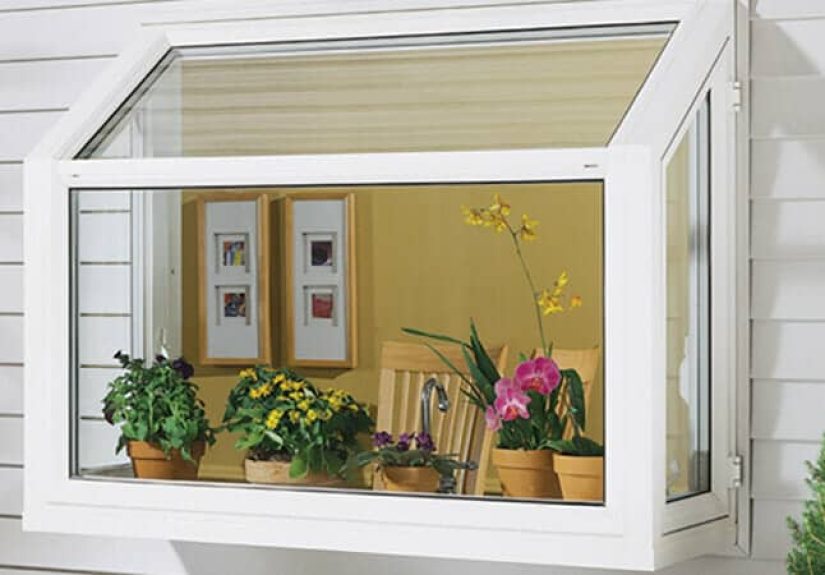
If you have ever looked at a garden window and thought, “That is adorable, practical, and just a little extra,” you are not wrong. A garden window sticks out from the exterior wall like a mini glass nook, bringing in more sunlight and creating shelf space for herbs, succulents, mugs, or the basil plant you swear you will keep alive this time.
But before you start mentally moving your pothos into its new penthouse, there is the money question: How much does a garden window cost in 2025? The short answer is that most homeowners will spend about $1,500 to $5,000 installed, with many standard replacement projects landing somewhere in the $2,500 to $3,500 range. Smaller, simpler jobs can come in below that. Custom sizes, premium materials, structural framing work, and high-performance glass can push the price much higher.
This guide breaks down the real-world cost of a garden window, what affects the price, when it is worth the splurge, and how to avoid accidentally turning a charming upgrade into a wallet ambush.
Garden Window Cost at a Glance
For most 2025 projects, a garden window costs more than a standard replacement window but less than many bay or bow window installations. That makes sense. It is not a flat, simple unit, and it is not just there to look pretty. A garden window projects outward, uses more glass, often includes side vents, and usually needs careful flashing and support so it does not become an expensive rain funnel.
| Project Type | Typical 2025 Cost Range |
|---|---|
| Small basic garden window replacement | $1,200–$2,000 |
| Mid-range replacement in an existing opening | $2,000–$3,500 |
| Larger or upgraded unit with better glass/features | $3,500–$5,000 |
| Custom or structurally complex installation | $5,000–$6,800+ |
A good planning number for a typical homeowner is around $3,000. That is not the cheapest answer on the internet, but it is often the most honest one.
What Is a Garden Window, Exactly?
A garden window is a projection window that extends outward from the house, usually with glass on the front, top, and sides. It is often installed over a kitchen sink, though it can also work in laundry rooms, breakfast nooks, and other sunny spots. Many designs include operable side vents for airflow and a shelf area for plants or decor.
Think of it as the cheerful overachiever of window styles. It lets in light, adds visual depth, creates usable ledge space, and gives your house a slightly more custom look. In other words, it does not just sit there being a rectangle.
What Drives the Price of a Garden Window?
1. Whether You Are Replacing a Window or Creating a New Opening
The least expensive route is usually replacing an existing window with a garden window of similar size. The rough opening is already there, which means less framing work, less exterior siding or stucco repair, and fewer opportunities for a contractor to sigh heavily before handing you a new estimate.
If you are cutting a new opening or enlarging an existing one, costs rise fast. Structural framing, exterior finish repairs, drywall work, interior trim, and weatherproofing all add up.
2. Size
Size matters a lot with this window style because more size means more glass, more framing, more weight, and sometimes more support requirements. A compact garden window above a small sink is one thing. A wide custom model that turns your kitchen into a tiny conservatory is another.
As a general rule, small windows cost less to buy and install, while wider or taller units push the price up not only because of materials but also because installation gets more demanding.
3. Frame Material
The frame material changes both the upfront cost and the long-term maintenance picture.
- Vinyl: Usually the most budget-friendly and one of the most popular options. It is low-maintenance, moisture-resistant, and well suited for kitchens.
- Wood: Beautiful and warm-looking, but usually more expensive and more maintenance-heavy. If you love classic style and do not mind upkeep, wood can be worth it.
- Fiberglass: Durable, energy-efficient, and typically more expensive than vinyl. Great for homeowners who want performance without much fuss.
- Aluminum: Sometimes found in lower-cost or older units, but less insulating than other materials. Fine for some climates, less ideal for others.
In many homes, vinyl offers the best balance of cost, moisture resistance, and ease of care. Wood usually wins on charm. Fiberglass often wins on durability. Your budget gets to be the referee.
4. Glass Package and Energy Features
Garden windows use a lot of glass, so glazing choices matter. Double-pane glass is common. Low-E coatings, argon gas fills, and upgraded glass packages can improve efficiency and comfort, especially if your kitchen turns into a solar oven every afternoon.
These upgrades raise the purchase price, but they can make the window more comfortable and may help reduce long-term heating and cooling waste. If you live in a hot or cold climate, skipping energy-smart glass to save a few dollars up front can be the classic “cheap now, annoyed later” move.
5. Venting Features and Custom Add-Ons
Some garden windows are mostly fixed glass. Others include side vents for airflow, interior shelves, custom trim, premium finishes, decorative grids, or blinds-between-the-glass options. Each upgrade nudges the price upward.
None of these features are bad choices. Just remember that the final quote can go from “cute upgrade” to “apparently my basil deserves luxury housing” faster than expected.
Garden Window Cost by Material
| Material | Typical Cost Trend | Best For |
|---|---|---|
| Vinyl | Lowest to mid-range | Budget-conscious homeowners, low maintenance |
| Wood | Mid-range to high | Classic appearance, custom interiors |
| Fiberglass | Mid-range to high | Durability, efficiency, long-term value |
| Aluminum | Lower to mid-range | Some budget projects or mild-climate applications |
If your priority is the lowest overall cost, vinyl is usually the frontrunner. If your priority is appearance in a higher-end kitchen remodel, wood or fiberglass may fit better. The “right” answer depends less on internet arguments and more on your climate, maintenance tolerance, and how long you plan to stay in the house.
How Much Does Labor Cost?
Labor for a garden window is not exactly bargain-bin territory. These windows are more complex than a standard replacement unit because they project outward, need careful flashing, and often involve trim and finish work. A straightforward install into an existing opening may be manageable on the lower end, while larger windows or structural changes can raise labor significantly.
In real projects, labor often includes:
- Removing the old window
- Preparing or modifying the opening
- Installing the new unit
- Flashing and waterproofing
- Insulating gaps
- Interior and exterior trim work
- Cleanup and disposal
If your quote seems oddly low, look closely. Sometimes “window installation” means the unit gets set in place, but trim, paint touch-up, or exterior repair gets quietly left off the bill until later.
Hidden Costs Homeowners Forget to Budget For
The window itself is only part of the story. Here are the add-ons that surprise people:
- Old window removal and disposal
- Rot or water-damage repair around the opening
- Framing reinforcement for larger or heavier units
- Interior trim and paint
- Exterior siding, stucco, or masonry repair
- Permits in some areas
- Upgraded glass packages for efficiency or comfort
This is why two homeowners can both say, “My garden window cost $3,000,” while one got a smooth same-size swap and the other paid for hidden rot, trim work, and enough caulk to seal a submarine.
Are Garden Windows More Expensive Than Other Window Types?
Yes, usually. A garden window generally costs more than a basic single-hung or double-hung replacement window because it uses more materials and requires more involved installation. However, it is often less expensive than large bay or bow windows, which can involve even more structure, weight, and finish work.
So if you want a window that adds light, depth, and personality without going full architectural drama, a garden window can sit in a pretty reasonable middle ground.
Can a Garden Window Qualify for a Tax Credit?
Possibly. In 2025, some qualifying energy-efficient windows may be eligible for the federal Energy Efficient Home Improvement Credit. In general, the credit can cover 30% of product cost up to $600 for qualifying windows, subject to the current program rules and annual limits. Eligibility depends on the product meeting the required efficiency standards, and labor is generally not the star of this particular tax-credit show.
That means a higher-efficiency garden window may cost more up front, but the final out-of-pocket number can improve if the unit qualifies and you keep the right documentation. Translation: save the paperwork. Future-you will not enjoy turning the house upside down looking for labels and receipts.
Is a Garden Window Worth the Cost?
It can be, especially if you care about one or more of these benefits:
- More natural light in the kitchen or laundry room
- Extra display or plant-growing space
- A more custom, upgraded look
- Better ventilation when side vents are included
- A happy medium between a flat window and a bigger projection feature like a bay window
On the other hand, it may not be worth it if you are mainly chasing the cheapest possible replacement window. Garden windows are charming, but they are not the budget king. They are more like the stylish cousin who shows up with great taste and a slightly alarming invoice.
How to Save Money on a Garden Window
Choose a Replacement Rather Than a New Opening
Using an existing opening is usually the simplest way to control costs.
Stick With Standard Sizes
Custom dimensions can be worth it, but standard sizing tends to be friendlier to your budget.
Use Vinyl If Cost Is the Priority
Vinyl is often the sweet spot for value, especially in moisture-prone spaces.
Get Multiple Quotes
Prices for the same scope can vary more than many homeowners expect. Comparing bids can save real money.
Ask for a Detailed Breakdown
Make sure the quote clearly separates the window, labor, trim, disposal, and any repair work.
Check for Energy Incentives
If you are upgrading to a qualifying efficient product, look into tax credits and local utility incentives before you buy.
Best Places to Install a Garden Window
The classic location is over the kitchen sink, and for good reason. The light is useful, the extra ledge space is welcome, and herbs look like they belong there. But that is not your only option.
- Kitchen: Best for herbs, decor, and cheerful morning light
- Laundry room: Great for brightening a utility-heavy space
- Breakfast nook: Adds depth and display space
- Home office: Nice for plants and extra natural light
The key is making sure the wall location gets useful sun and that the room layout can handle the projecting shape.
Homeowner Experiences: What This Upgrade Feels Like in Real Life
On paper, a garden window is a cost-per-unit decision. In real life, it is usually more emotional than that. Homeowners rarely wake up and say, “Today I desire a projection window with venting side panels.” What they say is something more like, “This kitchen feels dark,” or “I need a place for my herbs that is not the top of the microwave.”
One common experience is sticker surprise. People often start by comparing garden windows to regular replacement windows and assume the difference will be modest. Then the quotes arrive, and suddenly they understand that a garden window is not just a window. It is a small structural feature with more glass, more detail, and more labor. The homeowners who feel best about the purchase are usually the ones who go in expecting a premium rather than hoping for a clearance sale miracle.
Another common experience is that the finished result feels bigger than the dimensions suggest. A garden window may not add square footage you can walk on, but it changes how a room feels. Kitchens that looked plain can feel brighter and more open. A sink wall that used to be just “the place where dishes happen” becomes a focal point. Homeowners often talk about the visual payoff as much as the practical one.
There is also the plant optimism phase. This is the stage where the homeowner imagines a lush mini greenhouse full of basil, rosemary, trailing ivy, and maybe a lemon tree that somehow thrives indoors. Reality varies. Some people create a gorgeous little indoor garden. Others end up displaying a candle, a ceramic bird, and one determined succulent named Greg. Either way, the extra shelf space tends to get used.
Installation day can also be a learning experience. If the old opening has hidden rot, water damage, or framing issues, the project can change quickly. Homeowners who budget a little cushion usually handle this much better than those who planned every dollar down to the cent. The happiest stories tend to come from people who allowed room in the budget for surprises, because old houses enjoy revealing secrets at the worst possible moment.
Long term, many homeowners say the value shows up in daily use rather than dramatic resale math. They like the extra light while making coffee. They like having fresh herbs within arm’s reach. They like that the room feels less flat and generic. In other words, the return is often practical and emotional at the same time. It is not always the cheapest upgrade in the house, but it can be one of the most visible and enjoyable.
The final lesson from real-world experience is simple: a garden window is worth it when you want the experience it creates, not just the glass itself. If you are only trying to plug a hole in the wall with the least expensive option, this probably is not your window. If you want more light, more charm, and a little daily joy in a hardworking space, it can absolutely earn its keep.
Final Thoughts
So, how much does a garden window cost in 2025? For most homeowners, the realistic installed range is about $1,500 to $5,000, with many common replacement projects clustering around $2,500 to $3,500. The final price depends on size, frame material, glass upgrades, venting features, and whether the installer is swapping an existing unit or doing more serious structural work.
If you want the cheapest possible replacement window, a garden window is probably not the winner. But if you want more sunlight, more personality, and more usable ledge space in a room you use every day, it can be a smart and satisfying upgrade. Just go in with a realistic budget, ask detailed questions, and remember that good flashing matters even more than your future basil harvest.