Table of Contents >> Show >> Hide
- The Kale Flavor Formula (So It Tastes Like Dinner, Not Lawn)
- Start Here: Choosing and Prepping Kale (Fast, Not Fussy)
- Way #1: Quick Sauté (Garlicky, Glossy, and Ready in 10 Minutes)
- Way #2: Roast It (Crispy Edges, Deep Flavor, Zero Babysitting)
- Way #3: Braise It (Silky, Cozy Kale That Tastes Like Comfort Food)
- Way #4: Blanch or Steam, Then Finish (Bright Green and Mild, Not Bitter)
- How to Make Kale Taste “Maximum Flavor” Every Time
- Quick Serving Ideas (So Kale Doesn’t Just Sit There)
- Storage and Reheating
- of Real-World Kale Experiences (So You Skip the Annoying Part)
- Conclusion
Kale has a reputation. Sometimes it’s “superfood.” Sometimes it’s “the thing I bought because I had good intentions
and now it’s judging me from the crisper drawer.” The truth is: kale can taste amazingdeeply savory, a little
crispy, nicely tenderif you cook it like you actually want to eat it.
Below are four reliable, flavor-maximizing ways to cook kale (plus the simple prep moves that keep it from turning
bitter, squeaky, or weirdly wet). Pick one method for tonight, and steal the seasoning ideas for the rest of your life.
Kale can handle it.
The Kale Flavor Formula (So It Tastes Like Dinner, Not Lawn)
Kale’s naturally bold, slightly bitter edge is not a problemit’s a personality. Your job is to balance it with:
- Fat (olive oil, butter, ghee, sesame oil, bacon fatkale is not picky)
- Salt (enough to wake it up; under-salted kale tastes like regret)
- Heat (high for crisp edges, moderate for gentle tenderness)
- Acid (lemon, vinegar, pickled thingsadded near the end for brightness)
- Umami (Parmesan, nutritional yeast, soy sauce, miso, anchovy, tomato paste)
Start Here: Choosing and Prepping Kale (Fast, Not Fussy)
Pick your kale
Curly kale gets extra crispy in the oven and is great for chips. Lacinato/Tuscan (dinosaur)
kale is flatter, a bit more tender, and roasts more evenly. Baby kale cooks fast and is less chewy.
Any of them can be sautéed, braised, steamed, or roastedjust adjust time slightly.
De-stem (mostly), wash, and dry
For most dishes, pull the leaves off the thick center ribs. Those ribs can be saved and cooked separately (more on
that later), but they won’t soften at the same speed as the leaves.
Rinse kale well (it can hide grit like it’s getting paid), then dry it based on your method:
very dry for roasting/chips, and mostly dry for sautéing. A salad spinner is your best friend here.
Cut it with purpose
- For sautéing: rough chop into bite-size ribbons.
- For roasting: tear into larger pieces (they shrink a lot).
- For braising: tear or chop; bigger pieces hold up better in liquid.
- For blanching/steaming: leave pieces fairly large, then chop after if needed.
Way #1: Quick Sauté (Garlicky, Glossy, and Ready in 10 Minutes)
Sautéed kale is the weeknight MVP: fast, flexible, and basically begging for garlic and lemon. The key is to
soften the leaves without turning them swampy.
Best for
Tacos, grain bowls, pasta, eggs, “I need something green next to this sandwich,” and anyone who wants kale to chill out.
How to do it (basic method)
- Heat fat: Warm 1–2 tablespoons olive oil (or butter) in a large skillet over medium heat.
- Bloom aromatics: Add sliced or minced garlic (and optional chili flakes). Stir 20–40 seconds until fragrantdon’t let it brown.
- Add kale + salt: Toss in chopped kale with a good pinch of salt. It’ll look like too much. It’s not.
- Steam-cheat (optional but great): Add 2–4 tablespoons broth or water, cover for 1–2 minutes to jump-start tenderness.
- Uncover + finish: Remove the lid, toss until glossy and wilted with a few darker edges, 2–4 more minutes.
- Add acid at the end: Squeeze lemon or splash vinegar right before serving. Taste and adjust salt.
Flavor upgrades (choose your adventure)
- “Restaurant” lemon-garlic: Finish with lemon zest + Parmesan.
- Spicy-sweet: Chili flakes + a drizzle of honey at the end.
- Sesame-tahini: Finish with a spoon of tahini thinned with lemon juice + water, plus sesame seeds.
- Umami bomb: Add a teaspoon of miso (dissolved in a splash of hot water) or a quick dash of soy sauce.
- Breakfast kale: Sauté kale, then top with a fried egg and hot sauce. Suddenly kale is invited to brunch.
Common mistakes (and how to avoid them)
- Burned garlic: Add garlic to warmnot screaming-hotoil, and keep it moving.
- Dry, squeaky kale: Use a little steam (broth/water + lid) or cook 1–2 minutes longer.
- Bland kale: Salt earlier, acid later. It’s the simplest magic trick in cooking.
Way #2: Roast It (Crispy Edges, Deep Flavor, Zero Babysitting)
Roasting transforms kale: the edges crisp, the flavor gets nutty and savory, and suddenly it feels like a side dish
you’d pay $9 forexcept you made it on a sheet pan while wearing socks that don’t match.
Best for
Sheet-pan dinners, meal prep, crunchy toppings, kale skeptics, and anyone who loves a “crispy bits” situation.
Roasted kale (tender with crispy edges)
- Preheat: 400–425°F.
- Dry the kale: Moisture = steaming. Dry leaves roast better.
- Toss: Kale + olive oil + salt. Add pepper, garlic powder, or smoked paprika if you want.
- Spread: Single layer on a large sheet pan. Don’t crowd it.
- Roast: 8–12 minutes, tossing once, until edges are crisp and centers are tender.
- Finish: Lemon juice, vinegar, Parmesan, or a dusting of nutritional yeast.
Kale chips (full-on crispy snack mode)
Chips are all about dry leaves, a light hand with oil, and enough space. Different recipes use different temps,
but the strategy is the same: crisp without scorching.
- Preheat: 325–350°F (or go lower and slower if your oven runs hot).
- De-stem + tear: Tear leaves into palm-size pieces (they shrink).
- Dry thoroughly: Spin, then pat dry. If the leaves feel damp, keep drying.
- Massage lightly: Toss with 1–2 tablespoons oil per big bunch, plus salt. “Glossy,” not “greasy.”
- Single layer: No piles. Piles make sadness.
- Bake: 10–15 minutes at 350°F (rotate once), or 20–30 minutes at lower heatuntil crisp.
- Cool: They crisp more as they cool. Try not to “test” half the tray during this phase (good luck).
Seasoning ideas that actually slap
- Salt + vinegar: Add a tiny splash of vinegar to the bowl with oil (then dry/spread quickly) or dust with vinegar powder.
- Parmesan pepper: Add finely grated Parm in the last 2–3 minutes so it melts and clings.
- Everything bagel: Sprinkle after baking so sesame/garlic bits don’t burn.
- Nacho-ish: Nutritional yeast + smoked paprika + garlic powder.
- Spicy-lime: Chili powder + lime zest; finish with lime juice after baking.
Sheet-pan pro tip
If you’re already roasting chicken or veggies, you can add kale near the end so it crisps in the hot oven and picks up
extra savory flavor from the pan. It’s like kale got invited to the cool kids’ table.
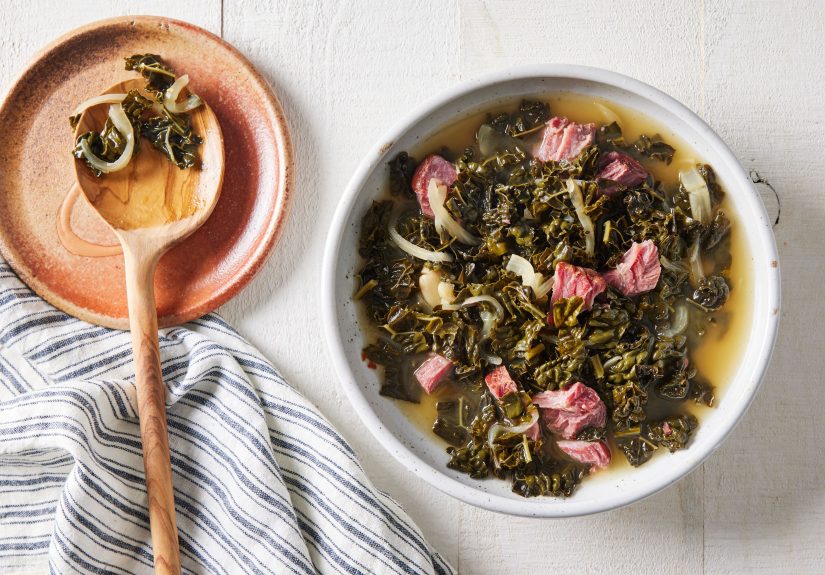
Way #3: Braise It (Silky, Cozy Kale That Tastes Like Comfort Food)
Braising is how you turn kale into something rich and satisfying. The leaves soften, bitterness mellows, and the liquid
becomes part of the flavor story. This is also the best method when your kale is a little older and tougher.
Best for
Winter dinners, beans and grains, pasta bowls, soups, and anyone who wants kale to be tender without losing its backbone.
How to braise kale (savory, not soggy)
- Sauté your base: In a wide pot, cook sliced onion in olive oil with salt until softened (2–4 minutes).
- Add flavor: Stir in garlic and chili flakes for 30 seconds.
- Add kale: Toss in torn, stemmed kale.
- Add liquid: Pour in broth (start with 1–2 cups). The kale should be partially submerged, not swimming.
- Simmer: Cover and cook 8–12 minutes, stirring occasionally, until tender.
- Finish with acid: Splash cider vinegar or lemon juice in the last minute. Taste for salt.
Make it a meal (easy add-ins)
- Beans: White beans + lemon = instant weeknight stew vibes.
- Sausage: Brown sausage first, then braise kale in the drippings (kale will not complain).
- Tomatoes: Add a spoon of tomato paste or a handful of cherry tomatoes for sweetness and depth.
- Coconut curry angle: Simmer kale with coconut milk, ginger, garlic, and curry paste.
- Umami shortcut: A tiny bit of miso or soy sauce turns the broth into something you want to drink.
Texture control
Want kale that still has a little chew? Stop at 8 minutes. Want it super silky? Go 12–15 minutes and add a splash more broth if needed.
Braising is forgiving like that.
Way #4: Blanch or Steam, Then Finish (Bright Green and Mild, Not Bitter)
Blanching (or steaming) is the “reset button” for kale: it softens the leaves quickly, tamps down harsh bitterness,
and locks in that bright green color. Then you finish it with oil, garlic, and acid for real flavor.
Best for
Meal prep, pasta, casseroles, soups, frozen storage, and anyone who wants kale to taste gentler.
Blanching method (great for meal prep)
- Boil salted water: Big pot, plenty of salt (like pasta water).
- Add kale: Leaves only, in batches if needed.
- Cook: 2–3 minutes until bright green and slightly tender.
- Shock: Transfer to an ice bath to stop cooking.
- Squeeze dry: Gently press out excess water (very important for flavor).
- Finish hot: Sauté quickly with olive oil, garlic, chili flakes, then add lemon or vinegar.
Steaming method (less messy, still effective)
Steam kale until tender (often 3–10 minutes depending on your kale and how tender you want it), then toss with olive oil, salt,
and something bright (lemon, vinegar, pickled onions).
Why this works so well
- Less bitterness: Quick blanching mellows sharp edges.
- Better texture: Steamed/blanched kale is tender without needing lots of oil.
- Perfect for mixing in: Pasta, quiche, rice bowls, soupsblanched kale behaves.
How to Make Kale Taste “Maximum Flavor” Every Time
1) Salt early, acid late
Salt helps kale soften and taste like itself (in a good way). Acid at the end keeps flavors bright instead of dull.
Lemon juice, cider vinegar, rice vinegarpick your vibe.
2) Don’t fear fat (within reason)
Kale is sturdy and loves a little richness. A tablespoon of olive oil can carry garlic, spices, and umami into every bite.
If you’re going lighter, blanch/steam first, then finish with a smaller amount of flavorful fat like sesame oil.
3) Add an umami “anchor”
Kale gets dramatically better when there’s something savory holding the base note:
Parmesan, nutritional yeast, soy sauce, miso, anchovy, tomato paste, sautéed mushrooms, or toasted nuts.
4) Sweetness isn’t cheating
A tiny touch of honey, maple, caramelized onion, or roasted sweet potato balances bitterness. This isn’t dessert kale.
It’s balanced kale.
5) Use texture on purpose
- Want crunch? Roast or chip it. Keep leaves dry and spaced out.
- Want tender? Steam/blanch or braise. Finish with acid for lift.
- Want both? Roast until crisp at the edges, then finish with lemon and Parm.
Quick Serving Ideas (So Kale Doesn’t Just Sit There)
- With pasta: Toss sautéed kale with garlic, olive oil, and pasta water. Add Parm. Done.
- In soups: Add blanched kale at the end so it stays green and tender.
- On pizza: Roast kale lightly first, then scatter over pizza in the last few minutes.
- In grain bowls: Braised kale + beans + roasted veggies + a bright sauce.
- With eggs: Sauté kale, then scramble eggs into it (or top with a runny yolk).
- As a topping: Kale chips crumbled over mac and cheese or salad = elite texture.
Storage and Reheating
Cooked kale
Store sautéed, braised, or blanched kale in an airtight container in the fridge for 3–5 days. Reheat in a skillet
to bring back flavor (microwaving works, but a skillet brings the magic).
Kale chips
Let chips cool completely before storing. Keep in a loosely covered container or a bag with a little airflow.
If they soften, re-crisp in a 300°F oven for a few minutes.
of Real-World Kale Experiences (So You Skip the Annoying Part)
After you cook kale a bunch of times, you start noticing patternslittle “ohhh, that’s why it went wrong” moments
that don’t show up in a simple recipe card. Here are the most common real-kitchen lessons people run into (and how
to use them to your advantage).
First: kale is dramatic about water. The same bunch can be your best kale chips ever or a limp,
steamy pile of green, and the difference is often just drying. If you’re roasting, treat moisture like the villain
in a movie: spin it, pat it, and don’t crowd it on the pan. Most “my chips are soggy” stories end with someone
realizing they basically baked wet leaves in a pile. (Kale will not become crispy through positive affirmations alone.)
Second: people under-season kale because they’re trying to be “healthy,” and kale takes that
personally. The fix isn’t dumping half the salt shaker init’s salting in stages. A pinch early helps it soften and
taste more rounded. A final pinch at the end makes flavors pop. Then the lemon or vinegar swoops in like a hero,
making it taste bright instead of flat. This is why kale can taste “green” in a bad way when it’s missing that
salt-acid one-two punch.
Third: garlic timing matters more than you think. Garlic can go from “fragrant” to “bitter” fast,
especially in hot oil. A lot of cooks learn to add garlic first because that’s how some recipes startthen they get
distracted and the garlic browns too much. The easy win is gentler heat for the garlic (or adding it after the kale
hits the pan, when the pan temp drops a bit). Your kale shouldn’t taste like the bottom of a toaster.
Fourth: kale has moods depending on the method. If you sauté it quickly, it stays a little chewy
and feels lively (great with eggs and pasta). If you braise it, it turns cozy and silky (perfect with beans and
sausage). If you blanch it, it becomes a team player that mixes into anything without taking over. Once you match
the cooking method to what you want on the plate, kale stops being “that ingredient” and becomes a tool you can
actually control.
Fifth: leftovers are where kale quietly wins. A container of blanched kale in the fridge is a
secret weapon: toss it into soups, fold it into scrambled eggs, stir it into rice, or warm it in a skillet with
garlic and a splash of soy sauce. When kale is already cooked, it stops feeling like a project and starts feeling
like a shortcut. And in real life, shortcuts are how healthy habits survive Tuesday.
The big takeaway: kale isn’t hardit’s just honest. It tells you exactly what you did. Dry it when you roast, salt it
with intention, brighten it at the end, and choose the method that matches your mood. Suddenly kale isn’t a chore.
It’s dinner.
Conclusion
If you remember nothing else, remember this: kale tastes best when you give it heat, salt,
and a little brightness. Sauté it for speed, roast it for crunch, braise it for comfort, or blanch/steam it
for mellow versatilitythen finish with lemon or vinegar and something savory. Kale will stop being “the healthy thing”
and start being the thing you actually want another bite of.