Table of Contents >> Show >> Hide
- Why Use a Pressure Cooker for Rice and Grains?
- Before You Start: The 5 Rules of Pressure Cooker Grain Success
- Pressure Cooker Rice and Grain Cooking Chart (Best Starting Points)
- How to Cook White Rice in a Pressure Cooker (The Everyday Method)
- How to Cook Brown Rice in a Pressure Cooker
- How to Cook Quinoa in a Pressure Cooker
- How to Cook Other Grains (Farro, Barley, Millet, and Oats)
- Pressure Cooker Grain Troubleshooting (Because Real Life Happens)
- Flavor Upgrades That Make Plain Grains Taste Like You Tried
- Batch Cooking and Storage Tips
- When a Pressure Cooker Is the Wrong Tool (Yes, Really)
- Final Takeaway: Your Pressure Cooker Is a Grain Machine
- Kitchen Experiences and Real-World Lessons (Extended Section)
If your pressure cooker has been living on a steady diet of soup, chili, and “I forgot to thaw dinner” emergencies, it is time to let it shine in a new role: grain wizard. Rice and grains are some of the best things you can make in a pressure cooker because they’re inexpensive, meal-prep friendly, and oddly satisfying when they come out fluffy instead of sad and gluey.
That said, pressure-cooking grains is not a one-button fairytale. Different grains absorb water differently. Some love a quick release, others need a nap (natural release), and a few will punish overconfidence with mush. The good news? Once you understand a few simple rules, you can cook white rice, brown rice, quinoa, barley, farro, and steel-cut oats like a weeknight pro.
This guide gives you a practical, tested framework for cooking rice and grains in an electric pressure cooker (like an Instant Pot-style multicooker), including ratios, timing ranges, troubleshooting, and flavor upgrades. Think of it as your cheat sheetwithout the mystery and without the “Why is this quinoa somehow crunchy and mushy at the same time?” drama.
Why Use a Pressure Cooker for Rice and Grains?
A pressure cooker is great for grains because it can deliver consistent heat, traps steam, and makes batch cooking easier. For some grains (especially sturdier whole grains), it can simplify the process and reduce hands-on work. For quick-cooking grains, the main win is convenience and consistency more than dramatic time savings.
What It Does Well
- Set-it-and-mostly-forget-it cooking: Fewer boil-overs, less stovetop babysitting.
- Reliable results: Once you dial in your favorite ratio and time.
- Meal prep power: Big batches for bowls, salads, stir-fries, and breakfasts.
- Hands-off natural release: Great for finishing grains gently.
What It Does Not Magically Fix
- Using the wrong water ratio
- Ignoring grain type (pearled vs whole matters a lot)
- Skipping release method instructions
- Overfilling the pot with foamy grains like oats
Before You Start: The 5 Rules of Pressure Cooker Grain Success
1) Know Your Grain (and Its Form)
“Farro” is not one thing. “Barley” might be pearled or hulled. “Rice” could be jasmine, basmati, short-grain, or brown. Those details change time and texture dramatically. Always check the package first, then use the table below as a strong starting point.
2) Rinse When It Helps
Rinsing removes excess surface starch from many rices and can improve texture. It is especially useful for quinoa, which may retain traces of bitter saponins depending on the brand. A quick rinse in a fine-mesh strainer is usually enough.
3) Measure by the Same Cup
If you use a standard measuring cup for the grain, use that same cup for the liquid. Pressure cooking is less forgiving than stovetop “eh, close enough” energy.
4) Respect the Release Method
Natural release (letting pressure come down on its own) often finishes the grain gently and helps it absorb remaining moisture. Quick release can stop cooking fast, which is useful for some grainsbut it can also lead to sputtering with starchy or foamy foods.
5) Expect a Calibration Round
Your cooker model, altitude, grain brand, and personal texture preference all matter. The first batch is your baseline. The second batch is your masterpiece.
Pressure Cooker Rice and Grain Cooking Chart (Best Starting Points)
Use these as starting ranges for high pressure in an electric pressure cooker. Ratios and times vary by grain type, brand, and desired texture.
| Grain | Water Ratio (Grain:Liquid) | High Pressure Time | Release Method | Texture Notes |
|---|---|---|---|---|
| White rice (jasmine/basmati/long-grain) | 1:1 to 1:1.25 | 3–4 minutes | 10 min natural release, then quick release | Fluffy, separate grains; rinse for best texture |
| White rice (toasted recipe style) | 1:1 | 6–7 minutes | Quick release (varies by recipe) | Often includes sautéing rice in oil first |
| Brown rice | 1:1 to 1:1.25 | 20–25 minutes | 10 min natural release or full quick release per recipe | Chewier; longer time for firmer whole-grain texture |
| Quinoa | 1:1 to 1:1.5 | 1–3 minutes | 10 min natural release | Rinse well; fluff after resting |
| Farro (pearled/semi-pearled) | 1:1.5 to 1:2 | 6–10 minutes | Quick release or short natural release | Easy to overcook if pearled |
| Barley (pearled) | 1:2.5 to 1:3 | 15–20 minutes | Natural release preferred | Tender, chewy; great for bowls and soups |
| Barley (hulled) | 1:3 | 20–30 minutes | Natural release preferred | Longer-cooking, more robust texture |
| Steel-cut oats | 1:3 | 3–6 minutes | Natural release | Creamy breakfast oats; total time longer due to pressure cycle |
| Millet | 1:2 to 1:2.5 | 8–10 minutes | 10 min natural release | Softer when cooked with more liquid |
| Wild rice blend | 1:1.5 to 1:2 | 25–30 minutes | 10 min natural release | Check label; blends vary widely |
Pro tip: If your grain comes out too firm, add 2–4 tablespoons of water, reseal, and cook 1–3 more minutes (depending on the grain). If it comes out too soft, reduce liquid slightly next time and let it rest uncovered for a few minutes after fluffing.
How to Cook White Rice in a Pressure Cooker (The Everyday Method)
Step-by-Step
- Rinse 1 cup white rice until the water is mostly clear.
- Add to pot with 1 to 1¼ cups water and a pinch of salt.
- Seal and cook on High Pressure for 3–4 minutes.
- Natural release for 10 minutes.
- Quick release any remaining pressure.
- Fluff with a fork or rice paddle and rest 2 minutes before serving.
If you want slightly richer flavor, you can sauté the rice briefly in a little oil before adding water. Some manufacturer recipes use that approach and longer programmed times. Both methods work; your best choice depends on the texture you like and how much time you want to spend preheating.
Best Uses for Pressure Cooker White Rice
- Stir-fry night (make it ahead, cool it, and use next day)
- Burrito bowls
- Curry side dish
- Emergency dinner when the rest of the meal is already yelling for attention
How to Cook Brown Rice in a Pressure Cooker
Brown rice is where pressure cookers really earn their keep. Stovetop brown rice can be simple, but it takes longer and is easy to undercook or scorch if your heat is inconsistent. In a pressure cooker, it becomes far more predictable.
Basic Brown Rice Method
- Rinse 1 cup brown rice.
- Add 1 to 1¼ cups water (or broth) plus salt.
- Cook on High Pressure for 22–25 minutes.
- Natural release for at least 10 minutes (or follow your preferred recipe style).
- Fluff and let sit briefly before serving.
Brown rice texture is personal. Some people love it chewy and defined; others want it softer for bowls and meal prep. If you’re in the second group, use a touch more liquid and a slightly longer cook time.
How to Cook Quinoa in a Pressure Cooker
Quinoa is fast, protein-rich, and one of the easiest grains (technically a seed) to add to your rotation. It cooks beautifully in a pressure cooker, but this is also where you’ll notice recipe variations. Some cooks use 1:1 liquid for firmer quinoa, while others prefer 1:1.5 for a softer, fluffier finish.
Basic Quinoa Method
- Rinse 1 cup quinoa in a fine-mesh strainer.
- Add to pot with 1 to 1½ cups water or broth and a pinch of salt.
- Cook on High Pressure for 1–3 minutes.
- Natural release for 10 minutes.
- Fluff with a fork.
Quinoa Texture Dial
- For salads and grain bowls: Try 1:1 liquid and 1 minute pressure.
- For warm side dishes: Try 1:1.25–1.5 liquid and 2–3 minutes pressure.
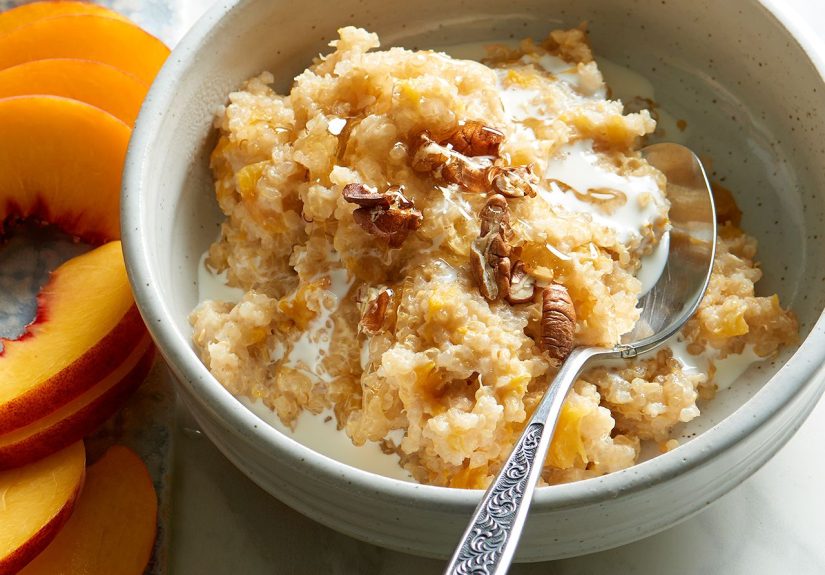
- For breakfast quinoa: Use more liquid and longer natural release for a softer texture.
Bonus fun fact: quinoa is often sold pre-rinsed, but a quick rinse can still improve flavor if your brand tastes bitter or soapy.
How to Cook Other Grains (Farro, Barley, Millet, and Oats)
Farro
Pearled and semi-pearled farro cook much faster than whole farro. In a pressure cooker, quick-cooking farro can overcook surprisingly fast, so start on the lower end of the timing range. If you want chewy, distinct grains, don’t wander off and forget it on a long natural release.
Barley
Pearled barley is forgiving and excellent in pressure cookers. Hulled barley takes longer and may benefit from soaking if you want to reduce overall cooking time. Barley is fantastic for soups, cold salads, and hearty grain bowls because it stays pleasantly chewy.
Millet
Millet can be fluffy or porridge-like depending on the liquid ratio. Use less water for fluffy millet and more for a softer texture. It is one of those grains that rewards note-taking: write down your favorite ratio once and never look back.
Steel-Cut Oats
Steel-cut oats are a breakfast hero in the pressure cooker. The actual pressure-cook time can be short, but total time is longer because of pressurizing and natural release. That’s normal. Make a batch, portion it out, and your future self will think you are wildly organized.
Pressure Cooker Grain Troubleshooting (Because Real Life Happens)
Problem: Mushy Rice or Grains
- Too much liquid
- Cook time too long
- Natural release too long for delicate grains
- Using a quick-cooking grain but timing it like a whole grain
Fix next time: Reduce liquid slightly or shorten cook time by 1–2 minutes.
Problem: Undercooked / Crunchy Center
- Not enough liquid
- Cook time too short
- Grain variety needs longer cooking
Fix now: Add a splash of water, reseal, and cook a bit longer.
Problem: Sticking to the Bottom
- Too little liquid
- Sugary add-ins too early (for breakfast grains)
- Forgot to deglaze after sautéing aromatics
Fix: Use adequate liquid and scrape up any browned bits before pressure cooking.
Problem: Foam/Sputtering During Quick Release
- Common with oats and starchy grains
Fix: Use natural release, don’t overfill, and consider cooking smaller batches.
Flavor Upgrades That Make Plain Grains Taste Like You Tried
Swap Water for Broth
The easiest upgrade. Great for savory rice, quinoa, and barley.
Add Aromatics
Try garlic, bay leaf, onion powder, or a little shallot. Just keep chunks modest so they don’t interfere with texture.
Finish, Don’t Overload
After cooking, stir in olive oil, butter, lemon zest, chopped herbs, or toasted nuts. Pressure cooking builds tenderness; finishing builds flavor.
Toast Before Pressure Cooking
Briefly sautéing rice or grains in oil can add nuttiness. This is especially nice for rice pilaf-style dishes and some farro preparations.
Batch Cooking and Storage Tips
Cooked grains are a meal-prep superpower. Make a few cups at the start of the week and rotate them into lunches and dinners. Cool grains promptly, store them in airtight containers, and portion them for easy reheating. For best texture, sprinkle a little water before reheating rice so it steams instead of drying out.
Smart batch-cooking idea: make two different grains instead of one giant batch of a single grain. For example, do brown rice for bowls and quinoa for salads. Same appliance, double range, fewer “I cannot eat another bowl of plain rice” moments.
When a Pressure Cooker Is the Wrong Tool (Yes, Really)
Pressure cookers are amazing, but not every grain benefits equally. Very quick-cooking grains or pearled grains can be easier to overcook under pressure, and the pressurizing/release time can offset the time savings. If your goal is perfect al dente pearled farro in a hurry, a pot of simmering water may be just as goodand sometimes better.
The best approach is practical, not dogmatic: use the pressure cooker when it gives you better consistency, less hands-on work, or better fits your schedule. Use the stovetop when it makes more sense. Your dinner does not care which appliance won.
Final Takeaway: Your Pressure Cooker Is a Grain Machine
Once you learn the core patternrinse (when needed), measure accurately, choose the right time, and respect the release methodcooking rice and grains in your pressure cooker becomes wonderfully repeatable. Start with white rice, brown rice, and quinoa, then branch into barley, millet, farro, and steel-cut oats as your confidence grows.
And remember: the first batch teaches you the appliance, the second batch teaches you the grain, and by the third batch you’ll be casually saying things like, “Oh, I just pressure-cooked some barley,” as if you were born this competent.
Kitchen Experiences and Real-World Lessons (Extended Section)
One of the most common experiences people have with pressure cooker grains is assuming that “rice is rice.” Then they cook jasmine, love it, and immediately try brown rice with the same settings. The result is usually a half-crunchy, half-confusing situation that makes them question both physics and dinner plans. The lesson here is simple: grain identity matters. Once home cooks start treating jasmine rice, brown rice, quinoa, and farro as different ingredientsnot interchangeable starch blobstheir results improve fast.
Another very real experience: the first quinoa batch that tastes a little bitter. This is where a quick rinse becomes the hero of the story. Many packaged quinoas are pre-rinsed, but not all brands behave the same way, and some people are more sensitive to leftover bitterness. A lot of cooks discover that a 20-second rinse and a fine-mesh strainer can completely change how much they enjoy quinoa. Suddenly it goes from “healthy but weird” to “actually delicious with lemon and herbs.”
Meal preppers also tend to learn the same pressure cooker truth at the same time: total time is not the same as pressure time. Steel-cut oats might cook in just a few minutes at pressure, but between preheating and natural release, the whole process takes much longer. The first time this happens, it can feel like betrayal. The second time, people plan ahead and use the delay start or make a double batch. Then it becomes a favorite routine, because the hands-on time is still low and the results are consistent.
Texture preference is another big real-world factor. Some families want rice fluffy and separate; others prefer it softer and slightly sticky. Some people like quinoa very dry for salads, while others want it tender for warm bowls. The best cooks aren’t the ones who memorize a single magic numberthey’re the ones who keep tiny notes. “Brown rice: +2 tbsp water next time.” “Quinoa: 1 minute was perfect for salad.” That kind of note-taking sounds nerdy, but it saves money, reduces waste, and turns weeknight cooking into a system that actually works.
A final experience many pressure cooker users share: the moment they realize grains can be more than a side dish. Leftover barley becomes soup. Quinoa becomes breakfast with fruit and cinnamon. Rice becomes fried rice the next day. Steel-cut oats become grab-and-go breakfasts for three mornings. This is where pressure cooker grain cooking stops being a kitchen trick and becomes a habit. It makes meals easier, cheaper, and less stressful. And honestly, anything that helps you eat well while using fewer pans deserves a permanent spot on the counter.