Table of Contents >> Show >> Hide
- Why Venetian Blinds Get Stuck in the First Place
- What You Need Before You Start
- How to Diagnose the Problem Fast
- How to Fix Stuck Venetian Blinds
- How to Repair Damaged Slats
- When to Repair vs. When to Replace
- How to Prevent Venetian Blinds From Getting Stuck Again
- Real-World Experiences: What Homeowners Learn the Hard Way
- Final Thoughts
Venetian blinds are wonderful right up until the moment they decide to become tiny window tyrants. One minute you are trying to let in a little morning light, and the next minute the slats are frozen, the cord is acting suspicious, and the whole blind is hanging there like it has taken a personal day. The good news is that most stuck Venetian blinds and damaged slats can be repaired without replacing the entire window treatment.
If your blinds will not tilt, refuse to lower, bunch up unevenly, or feature one slat that looks like it lost a bar fight, you are in the right place. This guide walks through the most common causes, the tools you actually need, and the practical step-by-step fixes that homeowners can do on a kitchen table without turning the living room into a hardware crime scene.
By the end, you will know how to fix stuck blinds, repair a damaged slat, handle a faulty tilt mechanism, and decide when a blind is worth saving versus when it deserves a respectful retirement.
Why Venetian Blinds Get Stuck in the First Place
Before you start unscrewing things with great confidence and very little context, it helps to know what usually goes wrong. Venetian blinds rely on a few simple parts working together: the headrail, tilt mechanism, tilt rod, lift cords, ladders, bottom rail, and slats. When one part shifts, bends, tangles, or breaks, the entire blind starts acting dramatic.
Most Common Causes of Stuck Blinds
- A broken tilt mechanism that no longer rotates the slats.
- A bent or misaligned tilt rod inside the headrail.
- A jammed cord lock that keeps the blind from lowering.
- Tangled or worn lift cords that cause uneven movement.
- Warped, bent, or cracked slats that block smooth operation.
- Dust and grime buildup inside the mechanism or along the slats.
- Improper DIY shortening on a cordless blind, which can throw the whole system out of whack.
That is why the smartest repair strategy is not “poke random parts and hope for the best.” It is diagnose first, repair second, and save the victory speech for later.
What You Need Before You Start
You do not need a contractor’s truck full of tools. You need a small repair kit, a little patience, and the emotional maturity not to yank on the cord like you are starting a lawn mower.
Basic Tools and Supplies
- Flathead screwdriver
- Phillips screwdriver
- Needle-nose pliers
- Scissors
- Replacement slat or spare bottom slat
- Replacement tilt mechanism or cord lock if needed
- Mild soap and microfiber cloth
- Vacuum with brush attachment
- Small container for clips, plugs, and screws
- Smartphone camera for reference photos
That last one matters more than people think. Taking photos before you remove cords or parts can save you from the classic DIY moment of staring at leftover pieces and whispering, “Well, that feels important.”
How to Diagnose the Problem Fast
If you can match the symptom to the cause, the repair becomes much easier.
If the slats will not tilt
The problem is usually the tilt mechanism, the wand hook, or the tilt rod. If you twist the wand and nothing happens, a stripped gear or broken stem is often the culprit.
If the blind will not lower
The cord lock may be jammed. This often happens when the locking pawl inside the headrail gets stuck in the locked position.
If the blind raises unevenly or feels crooked
You may have tangled lift cords, worn internal components, or slats and ladders that are pulling unevenly.
If one or more slats are cracked, bent, or broken
You likely need either a temporary cosmetic fix or a full slat replacement. If the damage is close to the route hole where the cords run through, replacement is the better option.
How to Fix Stuck Venetian Blinds
1. Clean the Blind Before Assuming It Is Broken
Yes, this is the least glamorous answer, but it works more often than people expect. Dust buildup can interfere with movement, especially in kitchens, bathrooms, and homes where blinds have not been cleaned since the invention of streaming television.
Close the slats in one direction and vacuum them with a soft brush attachment. Reverse the slats and repeat on the other side. If the blind is especially grimy, wipe each slat with a damp microfiber cloth and mild soap. For deep cleaning, removable blinds can be soaked briefly in a tub, then wiped, rinsed, and dried thoroughly before reinstalling.
Cleaning will not revive a broken gear, but it can improve sticking caused by grime and reduce drag in the system.
2. Fix a Blind That Will Not Lower
If the blind is stuck at the top, the cord lock may be jammed. Remove the blind from its brackets and inspect the headrail. In many cases, gently pressing down the locking pawl with a screwdriver frees the mechanism so the blind can lower again.
Once the lock is released, reinstall the blind and test it slowly. Do not force the cords. If the lock keeps jamming, it may be worn and need replacement.
3. Fix Slats That Will Not Tilt
If the wand turns but the slats do not move, remove the blind and open the end of the headrail. Check whether the tilt rod has slid out of position, bent, or become blocked by the end stiffener or another internal part. Sometimes the fix is as simple as reseating the rod correctly.
If the rod is fine but the slats still do not tilt, the tilt mechanism is likely broken. Replace it by sliding out the tilt rod, lifting out the damaged mechanism, inserting the new one, and sliding the rod back through the new part. Reattach the end piece, reinstall the blind, and test the wand.
This is one of the most common horizontal blind repairs, and thankfully it is far less scary than it sounds.
4. Fix Uneven or Crooked Movement
If the blind lifts unevenly, inspect the ladders and cords. Look for fraying, knots, or one side pulling tighter than the other. Straighten the slats, lower the blind fully, and gently untangle any twisted cords.
If one side still rises higher, the internal lift components may be worn. In some blinds, the issue can also come from aging tape rolls or support parts in the headrail. When the blind repeatedly tracks unevenly after cleaning and untangling, replacing the worn internal part is usually the right move.
5. Be Careful With Cordless Blinds
Cordless blinds are wonderfully clean-looking, but they are less forgiving when someone decides to improvise with scissors. If your cordless blind is stuck, do not cut ladders, lift cords, or internal strings in an effort to “free it up.” That can make the blind inoperable.
Instead, check for obstructions, misalignment, or bottom-rail issues. Raise and lower the blind gently while keeping it level. If the blind was previously shortened incorrectly, replacement may be more realistic than repair.
How to Repair Damaged Slats
Temporary Fixes for Minor Damage
Let us say one slat has a small crack or a torn route hole, and you need the blind to function until you can do a proper repair. There are a few temporary fixes that can buy you time.
- Flip the damaged slat upside down if the damage is not obvious from both sides.
- Punch a clean new hole on the opposite side of a torn route hole if the slat design allows it.
- Use a paper clip as a temporary reinforcement near a cracked area.
- Straighten lightly bent aluminum slats with gentle pressure or a slat straightening tool.
These are practical short-term fixes, not beauty treatments. The blind may function, but nobody is giving it an award for elegance.
How to Replace a Broken Slat Properly
This is the repair that makes people nervous, but it is very doable. Many blinds include one or two spare slats at the bottom. If yours does, congratulations, past-you or the manufacturer planned ahead.
- Lower the blind completely and lay it flat if possible.
- Remove the plugs or buttons from the underside of the bottom rail.
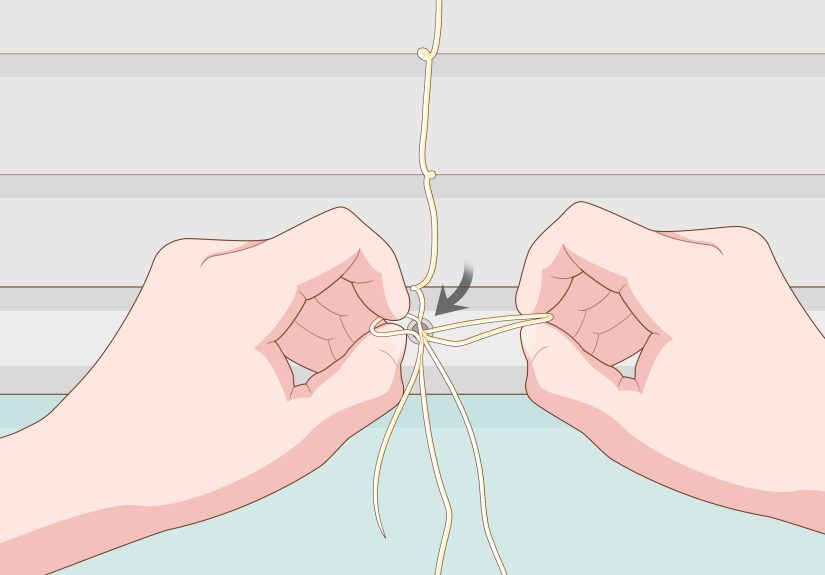
- Untie the lift cords beneath the bottom rail.
- Slide the bottom rail off or loosen it enough to access the cords.
- Unthread the lift cords up to the damaged slat.
- Remove the broken slat carefully.
- Insert the replacement slat in the same position.
- Rethread the cords exactly as they were before.
- Reattach the bottom rail, retie the knots, and replace the plugs.
- Test the blind by raising, lowering, and tilting it several times.
The biggest mistake here is rushing the rethreading. Take photos before pulling cords out. Your future self will be annoyingly grateful.
What If You Do Not Have a Spare Slat?
You still have options. Check the original manufacturer first. If that fails, home improvement stores and blind parts retailers sometimes carry standard replacement slats or compatible hardware. The hard part is color and finish matching. Sun exposure changes the shade of older blinds, so even the “same color” may look like a cousin rather than an identical twin.
If only one slat is damaged and it is near the bottom, moving a less visible slat into the damaged position can also help the repair blend better.
When to Repair vs. When to Replace
Not every blind deserves a heroic rescue mission. Sometimes replacement is cheaper, faster, and less frustrating.
Repair It If:
- The damage is limited to one slat, one mechanism, or one cord-related issue.
- The headrail and most slats are in good shape.
- You can find replacement parts easily.
- The blind is a good fit for the window and still matches the room.
Replace It If:
- Multiple slats are warped, cracked, or badly faded.
- The blind has been shortened or modified incorrectly.
- Several internal parts are worn at the same time.
- The blind is very old and replacement parts are unavailable.
- Corded blinds pose a safety concern and you want a cordless upgrade.
There is no shame in replacing a blind that has had a long, honorable career. Not every repair has to become a full documentary series.
How to Prevent Venetian Blinds From Getting Stuck Again
Preventive maintenance is not thrilling, but it is cheaper than replacing hardware every year.
Simple Maintenance Habits That Actually Help
- Dust or vacuum slats regularly so debris does not build up.
- Operate the blind gently instead of yanking cords or twisting the wand aggressively.
- Keep blinds level when raising or lowering cordless models.
- Inspect cords and ladders for fraying before they fail completely.
- Store extra slats if you shorten standard cord-lock blinds.
- Do not force a stuck mechanism; diagnose it first.
Also, if your blind lives in a humid room, choose cleaning methods that do not leave moisture trapped in the headrail. Water plus metal parts plus neglect is a terrible home décor triangle.
Real-World Experiences: What Homeowners Learn the Hard Way
One of the most common experiences with stuck Venetian blinds is how small the original problem seems at first. A homeowner notices that the wand feels a little stiff, or one side of the blind hangs lower than the other, and they tell themselves they will deal with it later. Then later arrives with flair. The blind will not tilt before dinner guests show up, or the cord jams on the exact day sunlight decides to beam directly into the television. That is usually when people realize blind repair is less about complex craftsmanship and more about paying attention early.
Another real-world lesson is that many damaged slats are not caused by dramatic accidents. They are usually the result of everyday wear. Pets nose through them. Kids swat them aside to look out the window. Someone opens the window too far. Someone else shuts it too hard. Then the slat bends, the route hole tears, and suddenly the whole blind looks tired. The fix is often simple, but the experience teaches the same thing every time: blinds are durable, not invincible.
People are also often surprised by how useful spare slats can be. Many homeowners do not even realize they have extras hidden at the bottom until they start disassembling the blind. That discovery feels a bit like finding emergency money in a winter coat. It does not solve every problem, but it makes the repair dramatically easier. The same goes for taking reference photos before removing cords. It sounds basic, yet it regularly saves people from rethreading confusion that can turn a 20-minute fix into a 90-minute puzzle.
There is also a very relatable pattern with tilt mechanisms. When the slats stop responding, many people instinctively twist the wand harder, as if determination alone will repair a stripped internal gear. It will not. In fact, that usually makes the situation worse. The smarter experience is learning that resistance is information. If the blind feels wrong, stop, inspect, and repair the actual cause rather than escalating into a duel with the window.
Cleaning is another underestimated part of the story. Homeowners often expect repair to mean replacement parts, but sometimes the most noticeable improvement comes from removing dust, cooking residue, and grime. A blind that drags slightly can start moving better once the slats are cleaned and the headrail area is checked for buildup. No, cleaning does not deserve a standing ovation, but it does deserve more respect than it usually gets.
Perhaps the biggest real-life takeaway is that not every blind should be saved at all costs. Many people start a repair determined to win, only to discover sun-faded slats, brittle parts, frayed cords, and multiple hidden issues. At that point, replacement is not giving up. It is judgment. The most experienced homeowners know the difference between a smart repair and an emotional support project.
Still, when the repair is manageable, fixing a stuck Venetian blind is one of those satisfying household tasks that makes a room feel normal again almost immediately. Light comes in correctly, privacy works again, and the blind stops looking like it is mid-existential crisis. That is a pretty good reward for an afternoon spent with a screwdriver, a microfiber cloth, and slightly improved patience.
Final Thoughts
If your Venetian blinds are stuck or the slats are damaged, do not assume the whole set is doomed. Many problems come down to a few repairable issues: a jammed cord lock, broken tilt mechanism, bent rod, tangled cords, or one cracked slat causing a chain reaction. Once you identify the actual failure point, the repair becomes much more manageable.
Start simple. Clean the blind, inspect the obvious parts, and test it carefully. Move on to slat replacement or mechanism repair only when needed. And if the blind has reached the point where it is more patch than product, replacing it may be the cleaner and less frustrating solution.
Either way, you no longer have to lose an argument to your window treatment.