Table of Contents >> Show >> Hide
- What Is Calathea Ornata?
- Why Plant Lovers Adore the Pinstripe Calathea
- Best Light for Calathea Ornata
- How Often to Water Calathea Ornata
- Humidity: The Secret Sauce
- Temperature and Placement
- The Best Soil for Calathea Ornata
- How and When to Fertilize
- Repotting Calathea Ornata
- How to Propagate Calathea Ornata
- Common Problems and How to Fix Them
- Best Places to Put Calathea Ornata in Your Home
- Real-World Grower Experiences With Calathea Ornata
- Final Thoughts
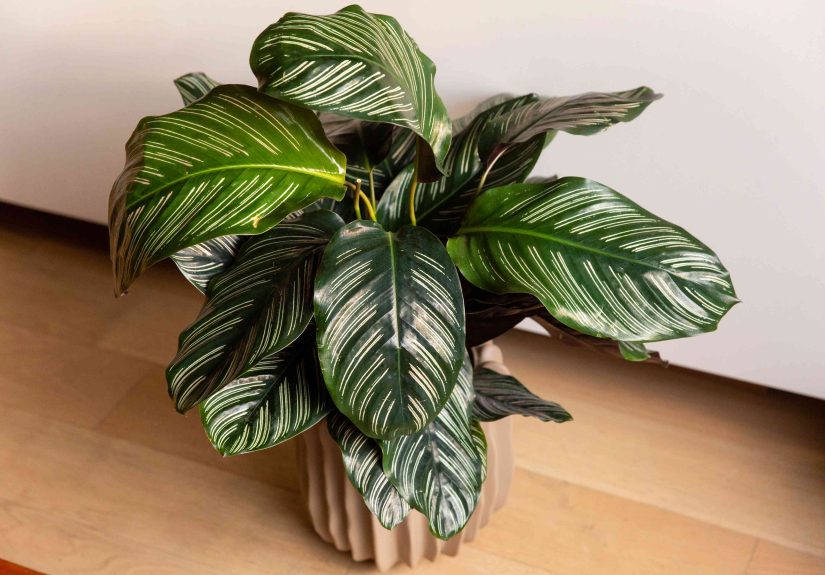
If houseplants had a red carpet event, Calathea ornata would absolutely arrive late, look flawless, and pretend it did not spend an hour choosing the right humidity level. Known as the pinstripe calathea, this tropical beauty is famous for its dark green leaves traced with fine pink or pale stripes and rich purple undersides. It is elegant, dramatic, and just fussy enough to keep plant lovers humble.
The good news is that growing Calathea ornata is not impossible. It just helps to think like a rainforest. This plant wants filtered light, steady moisture, warm temperatures, and humidity that does not feel like a desert crossed with a toaster oven. Give it those basics, and it rewards you with foliage that looks hand-painted. Ignore them, and it starts sending passive-aggressive messages in the form of crispy edges.
This guide breaks down exactly how to grow and care for Calathea ornata, from light and watering to soil, fertilizer, repotting, propagation, and troubleshooting. If you have ever wondered why your pinstripe plant looks gorgeous one week and offended the next, you are in the right place.
What Is Calathea Ornata?
Calathea ornata is a tropical foliage plant in the prayer plant family. Indoors, it is grown almost entirely for its leaves, which are long, slightly pointed, glossy, and patterned with delicate pinstripes. Those stripes are often pink when the leaf is young and may soften to creamy white over time. The undersides are typically deep burgundy or purple, adding even more contrast.
Like other prayer plants, Calathea ornata moves its leaves in response to light. During the day, the foliage stretches open to catch indirect light. At night, the leaves shift upward, as if the plant is folding its hands and submitting a formal complaint about your indoor climate. That daily movement is completely normal and part of what makes this plant so charming.
Why Plant Lovers Adore the Pinstripe Calathea
There are easier houseplants, sure. There are also easier hairstyles than a perfect blowout, and yet people keep trying. The appeal of pinstripe calathea care comes down to one thing: the payoff. Few indoor plants deliver this much visual drama without needing direct sun or giant floor space.
It is also a good choice for households with pets, since calatheas are widely considered non-toxic. That does not mean your cat should turn it into salad, but it does mean you can relax a little if curious paws or noses get too close.
Best Light for Calathea Ornata
Bright, Indirect Light Is the Sweet Spot
The best light for Calathea ornata is bright, indirect light. Think of a spot near an east-facing window, or a few feet back from a bright south- or west-facing window filtered by a sheer curtain. The plant needs enough light to maintain strong growth and good color, but direct sun can scorch the leaves and fade the striping.
A common myth is that calatheas love deep shade. Not exactly. They tolerate lower light better than some houseplants, but “tolerate” is not the same as “thrive.” If your plant is growing slowly, losing contrast, or looking a bit blah, it may need more filtered light rather than less.
Signs the Light Is Wrong
- Too much sun: faded leaves, crispy edges, dry patches, or scorched spots
- Too little light: sluggish growth, dull color, smaller new leaves, or constantly damp soil that never seems to dry slightly
If you are unsure, start with medium to bright indirect light and watch how the plant responds for two to three weeks.
How Often to Water Calathea Ornata
Keep the Soil Evenly Moist, Not Soggy
When people ask about Calathea ornata watering, the real answer is annoyingly nuanced: keep the soil lightly and consistently moist, but never waterlog it. This plant dislikes bone-dry soil, yet it also resents sitting in a swamp.
A practical method is to water when the top inch of soil feels slightly dry. In many homes, that works out to roughly once a week during active growth and a bit less often in winter, but your schedule will vary depending on light, temperature, pot size, and humidity. Your finger, not your calendar, should be the boss.
Use Better Water If Possible
Calatheas can be sensitive to minerals, salts, chlorine, or fluoride in tap water. If your Calathea ornata leaves have brown tips even though your watering routine seems reasonable, the water itself may be part of the problem. Filtered water, distilled water, or rainwater often helps.
This is one of those classic houseplant moments where you realize you are now discussing water quality with a leaf. Welcome to the hobby.
How to Tell if You Are Overwatering or Underwatering
Underwatering often shows up as curling leaves, drooping stems, and dry, crispy edges. The potting mix feels dry and may pull away from the sides of the pot.
Overwatering can look surprisingly similar at first, but the soil stays wet for too long, leaves may yellow before browning, and roots can become mushy. If the pot feels heavy for days and the plant looks sad anyway, root stress is likely involved.
Humidity: The Secret Sauce
If there is one thing that separates a thriving pinstripe calathea from a dramatic one, it is humidity. This plant prefers moderate to high humidity, and many indoor spaces, especially air-conditioned rooms or homes with winter heating, are simply too dry.
Bathrooms and kitchens with good natural light can be excellent spots. In other rooms, a humidifier is often the easiest fix. Pebble trays and grouping plants together can help a bit, though they are usually more of a support act than the headliner.
Signs Your Calathea Needs More Humidity
- Brown leaf edges or tips
- Leaves curling inward
- New growth that looks dry or distorted
- A plant that seems healthy overall but never quite looks lush
Occasional misting can make you feel productive, but it is not always enough to change the surrounding environment for long. A humidifier tends to be more reliable.
Temperature and Placement
Calathea ornata likes warm, stable conditions. Aim for typical indoor temperatures between about 65 and 80 degrees Fahrenheit. Keep it away from cold drafts, heater vents, radiators, and strong blasts from air conditioners. In other words, do not place your tropical plant in the direct path of the household climate warfare.
Sudden temperature swings can trigger browning, curling, or drooping. If you would not enjoy sitting in that spot wearing a T-shirt, your calathea probably will not either.
The Best Soil for Calathea Ornata
The ideal soil for Calathea ornata holds moisture without turning dense and soggy. A rich indoor potting mix amended for aeration works well. You want a medium that stays lightly moist but still drains freely.
A good homemade blend might include:
- 2 parts high-quality indoor potting mix
- 1 part orchid bark or coco chips
- 1 part coarse amendment such as pumice or another drainage booster
The exact recipe matters less than the result: airy, moisture-retentive, and well-draining. If the mix dries like concrete or stays wet forever, it is not the right fit.
How and When to Fertilize
During spring and summer, feed your calathea with a balanced houseplant fertilizer diluted to half strength about once a month, or according to the label at a weaker dose. Do not overdo it. This is not a tomato plant training for a marathon.
Too much fertilizer can leave salt buildup in the soil and contribute to browning tips or root stress. If you fertilize regularly, flushing the pot with water once in a while can help wash excess salts through the drainage holes.
In fall and winter, cut back or stop feeding while growth slows down.
Repotting Calathea Ornata
Calathea ornata generally likes being a little snug in its pot, so do not rush to repot it every time a root peeks out like it owns the place. Usually, repotting every one to two years is enough, or whenever the plant becomes rootbound, dries out unusually fast, or shows stalled growth despite good care.
Repotting Tips
- Choose a pot just one size larger
- Use fresh, airy potting mix
- Make sure the container has drainage holes
- Repot during spring or early summer when the plant is actively growing
After repotting, keep conditions steady and avoid fertilizing immediately. The plant may sulk a little. That is normal. Calatheas often treat change like a personal insult before adjusting.
How to Propagate Calathea Ornata
The easiest way to propagate Calathea ornata is by division, usually at repotting time. This plant grows from clumps or rhizomatous roots, so mature plants can often be separated into smaller sections.
Simple Division Steps
- Remove the plant gently from its pot.
- Look for natural divisions with healthy roots and leaves attached.
- Separate by hand or with a clean knife if needed.
- Pot each division into fresh mix.
- Water lightly and keep humidity high while it settles in.
Propagation by stem cuttings is not the usual method for this plant, so division is your best bet.
Common Problems and How to Fix Them
Brown Tips
This is the complaint most often associated with calatheas. Brown tips can come from dry air, inconsistent watering, mineral-heavy tap water, excess fertilizer, or temperature stress. Start with the basics: improve humidity, check soil moisture, and switch water sources if needed.
Yellow Leaves
Yellowing may signal overwatering, poor drainage, or old leaves aging out naturally. If several leaves yellow at once and the soil stays soggy, inspect the roots.
Leaf Curling
Leaf curl often means the plant is too dry, whether from lack of water, low humidity, or root issues preventing proper uptake. Check the potting mix first, then the environment.
Faded Pattern or Scorched Leaves
Too much direct light is the likely culprit. Move the plant a little farther from the window or add a sheer curtain.
Pests
Spider mites and mealybugs are the usual suspects. Dry air can make spider mites more likely. Check under leaves, around stems, and at the base of the plant. If you spot pests, isolate the plant and clean the foliage with a gentle treatment appropriate for houseplants.
Best Places to Put Calathea Ornata in Your Home
If you are choosing a location, prioritize these four conditions: filtered light, steady warmth, decent humidity, and distance from vents. Great options often include:
- A bright bathroom with a window
- A bedroom with east-facing light
- A living room corner near a curtained window
- A shelf or stand near other tropical plants and a humidifier
Bad options include a blazing sunny sill, a drafty front entry, or directly above a heater. A calathea in those spots will not “toughen up.” It will simply look offended in high definition.
Real-World Grower Experiences With Calathea Ornata
Ask a group of plant lovers about their Calathea ornata care tips, and you will hear a surprisingly consistent theme: this plant is not impossible, but it is honest. It responds quickly to its environment, which means it is a fantastic teacher once you stop taking every brown tip personally.
One common experience is that new owners often place the plant in a dim corner because they have heard calatheas are “low-light plants.” A few weeks later, the foliage looks tired, the soil stays wet too long, and the plant seems frozen in time. When moved closer to bright, filtered light, many growers notice stronger leaf movement, better color, and more reliable growth. The lesson is simple: lower light may keep it alive, but better indirect light helps it actually look like the gorgeous plant you paid for.
Another shared experience involves watering. Many people start with either too much confidence or too much fear. Some water on a rigid schedule and accidentally keep the soil soggy. Others become so worried about overwatering that they let the pot dry too far. In both cases, the plant protests. Experienced growers often say their biggest improvement came when they stopped following a calendar and started checking the soil by touch. That small shift, from routine to observation, is often the turning point.
Humidity is another major theme. Plenty of indoor gardeners report that their pinstripe calathea looked merely okay until they changed the environment around it. Maybe they moved it to a bathroom, placed it near a humidifier, or grouped it with other tropical plants. Suddenly the new leaves emerged cleaner, the edges stayed softer, and the whole plant looked less brittle. It is the kind of upgrade that makes people say, “So that was the missing piece.”
Water quality also comes up more often than beginners expect. Some growers spend weeks adjusting light and watering, only to realize their tap water is contributing to crisp edges. Switching to filtered, distilled, or rainwater does not perform magic overnight, but many people notice that new growth emerges with fewer cosmetic issues. That matters with a plant whose entire personality is “please admire my leaves.”
There is also a recurring emotional experience with Calathea ornata: the plant teaches patience. It may pause after repotting. It may drop an older leaf while pushing out a better one. It may look a little dramatic after a move, then settle beautifully once conditions stabilize. Seasoned growers usually say the same thing: do not keep changing five variables at once. Make one smart adjustment, then give the plant time to respond.
Perhaps the most useful real-world insight is that success with this plant rarely comes from perfection. It comes from consistency. The happiest growers are not the ones delivering rainforest weather by laboratory control. They are the ones who found a bright, comfortable spot, watered thoughtfully, kept humidity reasonable, and paid attention. Calathea ornata may be a diva, yes, but it is a diva with patterns. Learn those patterns, and care gets much easier.
Final Thoughts
Learning how to grow and care for Calathea ornata is really about learning balance. Give it bright indirect light, steady moisture, warm temperatures, an airy potting mix, and enough humidity to keep those gorgeous leaves from crisping up. Avoid harsh sun, soggy roots, heavy fertilizer, and dry drafty corners, and your pinstripe calathea has every chance to thrive.
Will it always be effortless? No. Will it occasionally act like a Victorian poet overcome by a breeze? Absolutely. But once you understand what it wants, Calathea ornata becomes far less mysterious and far more rewarding. And when that striped foliage catches the light just right, you will understand why people keep bringing these plants home, even after the first drama-filled learning curve.