Table of Contents >> Show >> Hide
- Golden Alexander at a Glance
- Why Grow Golden Alexander?
- Where Golden Alexander Grows Best
- How to Plant Golden Alexander
- Watering and Feeding: Keep It Simple
- Maintenance: Deadhead or Let It Naturalize
- Wildlife Benefits: Pollinators, Predatory Insects, and Swallowtails
- Important Safety Note: Golden Alexander vs. Wild Parsnip
- Common Problems (and How to Fix Them)
- Design Ideas and Plant Pairings
- FAQ: Real Questions People Ask (Often While Holding a Trowel)
- Conclusion: A Native Plant That Earns Its Keep
- Grower Experiences & Lessons Learned (A 500-Word Reality Check)
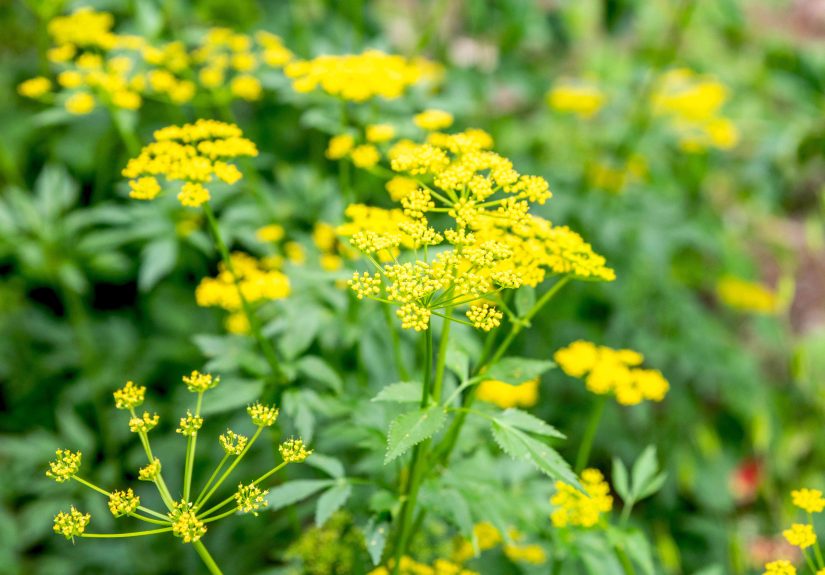
Golden alexander (Zizia aurea) is one of those native perennials that makes you feel like a gardening genius
even when you’ve been winging it. It shows up early, throws a party of bright yellow, umbrella-shaped blooms,
attracts a whole crew of beneficial insects, and generally behaves like the kind of houseguest who cleans the kitchen
before leaving.
If you want a low-drama native wildflower that supports pollinators (and can be a host plant for swallowtail
butterflies), golden alexander deserves a spot in your yard. The only “gotcha” is that it can be confused with
invasive wild parsnipso we’ll cover how to tell them apart, because nobody wants surprise plant chemistry burns.
Golden Alexander at a Glance
- Botanical name: Zizia aurea
- Common names: Golden alexander, golden alexanders, meadow parsnip (regional)
- Plant type: Herbaceous perennial wildflower in the carrot family (Apiaceae)
- Height/spread: Commonly 1–3 feet tall and about 1–2 feet wide (varies by site and ecotype)
- Bloom window: Spring into early summer (often May–June; sometimes earlier in warmer areas)
- Light: Full sun to partial shade; will tolerate light shade
- Soil/moisture: Likes moist, well-drained soil but can tolerate summer dry spells once established
- Hardiness: Often listed for zones 3–8; some guidance stretches wider depending on region
- Wildlife value: Nectar/pollen for many insects; can support swallowtail caterpillars
Why Grow Golden Alexander?
Let’s be practical: in many gardens, spring has a “hungry gap.” Early-season pollinators and beneficial insects
are out scouting, but the buffet isn’t fully open yet. Golden alexander blooms relatively early, offering accessible
nectar and pollenespecially helpful for small native bees and beneficial wasps that don’t have super-long tongues.
It’s also a strong fit for native plantings, meadow-style borders, and naturalized areas.
Design-wise, it’s a bridge plant: bright yellow umbels pop before summer’s big show (coneflowers, black-eyed Susans,
etc.) really gets rolling. Think of it as the opening act that actually deserves the applause.
Where Golden Alexander Grows Best
Light: Sun Gets You More Flowers
Golden alexander thrives in full sun to partial sun and can handle light shade.
In more shade, you may see fewer flowers and taller, looser growth. If you’ve ever watched a plant “reach” for light
like it’s trying to escape the garden bed, that’s the vibe.
Soil: Flexible, Including Clay (Yes, Clay)
One of the reasons people love this plant is that it doesn’t demand boutique soil. It prefers average to moist,
well-drained soil but tolerates a range, including claya big win for many American yards.
If your soil is heavy and stays wet for long periods, plant on a slight rise or amend with compost to improve structure.
Moisture: Likes Moist Sites, Tolerates Summer Dryness
In nature, golden alexander often appears in colonies in moist areaswoods edges, meadows, and similar
habitats. In the garden, it’s happiest with consistent moisture in spring, then it can handle moderate drought
once established. Translation: water it like you care in year one, and it’ll act like a responsible adult afterward.
Great Spots to Plant It
- Meadow or prairie-style plantings (especially where you want early color)
- Open woodland edges (morning sun, afternoon shade is often ideal)
- Naturalized borders where you’re okay with a plant that may reseed a bit
- Rain-garden-ish areas that are moist in spring but not constantly swampy all year
How to Plant Golden Alexander
Option 1: Planting Nursery Starts (Fastest Results)
If you want blooms sooner, start with container plants (plugs or pots) from a reputable native plant nursery.
Plant in spring or early fall for best establishment.
- Pick the site (sun to part shade, decent soil, not bone-dry all summer).
- Dig a hole about as deep as the root ball and a bit wider.
- Set the crown at soil level (don’t bury the crown like you’re hiding evidence).
- Backfill and water deeply to settle soil around the roots.
- Mulch lightlyabout 2–3 inches is plenty. Keep mulch off the stems to prevent rot.
- Water consistently for the first several weeks, then taper as it roots in.
Spacing depends on the look you want. For a natural clump, 12–18 inches apart usually works.
For a fuller mass planting (and fewer weeds), go a little tighter.
Option 2: Growing Golden Alexander From Seed (Cheaper, Slower, Satisfying)
Golden alexander can be grown from seed, but it typically benefits from cold, moist stratification
(a fancy phrase meaning: “winter happens, then the seed wakes up”). Many growers have success with about
90 days of moist cold stratification.
Method A: Fall Sowing (Let Winter Do the Work)
- Sow seed outdoors in late fall, after hard frosts.
- Press seed into the soil surface and lightly cover (think: a dusting, not a burial).
- Water once, then let natural winter conditions provide stratification.
- Seedlings often emerge in spring as temperatures rise.
Method B: “DIY Winter” in Your Fridge
- Mix seed with slightly damp (not soggy) medium like vermiculite or sand.
- Seal in a labeled bag or container.
- Refrigerate for 8–12 weeks.
- Sow in trays or directly outdoors when conditions are suitable.
Expect a “sleep, creep, leap” pattern: year one is mostly leaves and roots, year two is when the plant starts
acting like it knows why it’s here.
Watering and Feeding: Keep It Simple
Watering
The first growing season is the make-or-break window.
Aim for even moisturenot soggy, not Sahara.
Once established, golden alexander is more forgiving and can handle some dry spells, especially if planted in soil
with decent organic matter.
A practical rule: if the top couple inches of soil are dry and the plant looks slightly droopy in the morning,
it’s time to water. If it looks droopy at noon in full sun but perks up in the evening, it’s probably just being dramatic.
Fertilizer
Golden alexander doesn’t need heavy fertilizer. In fact, too much nitrogen can encourage floppy growth.
A thin layer of compost in spring is usually enough. If your soil is truly poor, use a gentle, slow-release
fertilizer sparingly. The goal is steady growth, not a leafy bodybuilding contest.
Maintenance: Deadhead or Let It Naturalize
Deadheading (Optional)
If you want a tidier look and less reseeding, snip spent flower heads after bloom.
If you want naturalized colonies and extra wildlife value, let seed heads mature.
In the right conditions, golden alexander can reseed enthusiasticallyso choose your adventure.
Cutting Back
Some gardeners notice foliage looks less pristine as summer progresses. You can:
- Leave it alone (wildlife-friendly, low effort).
- Shear lightly after seed drop for a tidier appearance.
- Cut back in late fall once the plant is dormant.
Division
Golden alexander can be propagated by division in early spring or early fall.
If clumps get crowded or you want more plants without buying more plants (always a win), division is your move.
Water well after dividing to reduce transplant stress.
Wildlife Benefits: Pollinators, Predatory Insects, and Swallowtails
Golden alexander is a multitool for the ecosystem. Its flowers are small and clustered, which makes them accessible
to a wide range of insects, including beneficial species that help keep pest populations in check.
It’s also known as a larval host plant for the black swallowtail.
If your goal is to support butterflies, the biggest tip is surprisingly simple:
avoid broad-spectrum insecticides. If you grow host plants, caterpillars may show up.
That’s not a failure. That’s literally the point.
Important Safety Note: Golden Alexander vs. Wild Parsnip
Golden alexander has an unfortunate look-alike: wild parsnip (Pastinaca sativa),
which is invasive in many areas and can cause severe skin reactions if sap contacts your skin and
the skin is exposed to sunlight.
How to Tell Them Apart (Quick Guide)
-
Size: Golden alexander is typically smaller (often under ~3 feet),
while wild parsnip can shoot up much taller (often 4–6 feet in bloom). - Bloom timing: Golden alexander generally blooms earlier; wild parsnip tends to bloom later into summer.
-
Leaves: Wild parsnip leaves are more deeply divided and coarsely toothed;
golden alexander leaves are more finely toothed with pointed tips. - Flower clusters: Golden alexander’s umbels can look smaller and looser compared with wild parsnip’s broader heads.
If you are ever unsure about a roadside plant with yellow umbels, treat it like a mystery chemical:
don’t handle it bare-handed. Wear gloves and long sleeves, and confirm identification before pulling or cutting.
Common Problems (and How to Fix Them)
Floppy or Leggy Growth
Usually caused by too much shade or overly rich soil. Move it to more sun, reduce fertilizer,
or use companion plants that provide light support (think: sturdy grasses or upright perennials).
Summer Foliage Looking “Tired”
Some decline in leaf appearance can happen as summer heats up. You can let it ride (wildflower gardens aren’t supposed
to look like a hotel lobby) or lightly tidy after flowering.
Aphids
Aphids may show up occasionally, especially on tender new growth. Most of the time, natural predators handle them.
If needed, a strong spray of water can knock them off. Save insecticidal soap for true infestations and avoid spraying
when pollinators are active.
Powdery Mildew or Leaf Spot
Improve airflow by spacing plants properly and avoiding overhead watering late in the day.
Remove severely affected leaves and keep the area free of dense, damp debris.
Design Ideas and Plant Pairings
Golden alexander’s yellow umbels play well with both prairie and woodland-edge palettes. Try pairing it with:
- Early companions: spring ephemerals, woodland phlox, early penstemons
- Prairie classics: little bluestem, prairie dropseed, coneflower, black-eyed Susan
- Moist-soil friends: blue flag iris, sedges, obedient plant (if you like controlled chaos)
A simple recipe: plant golden alexander in a drift (3–7 plants), tuck in a native grass behind it,
then layer summer bloomers in front. You’ll get a clean progression of color from spring into late summer.
FAQ: Real Questions People Ask (Often While Holding a Trowel)
Will golden alexander spread?
It forms clumps and can reseeds in favorable conditions. If you want to limit spread,
deadhead after flowering. If you want it to naturalize, let seed mature and drop.
Does it bloom the first year?
From seed, often not. From transplants, you may get blooms sooner, but many perennials still focus on rooting in
year one. Expect fuller flowering in year two.
Is it deer-resistant?
No plant is completely deer-proof, but golden alexander is not usually a top favorite compared to many tender ornamentals.
In high-pressure areas, protect young plants with fencing until established.
Can I grow it in a container?
You can, but it’s happiest in the ground where moisture is more stable. If you do containers,
choose a deep pot, use a moisture-retentive but well-drained mix, and water more consistently.
Conclusion: A Native Plant That Earns Its Keep
Golden alexander is a reliable native perennial that brings early-season blooms, supports a wide range of beneficial
insects, and fits beautifully into naturalistic and pollinator-friendly designs. Give it sun (or light shade),
reasonably moist soil while it establishes, and a little space to clumpand it will reward you with bright spring color
and ecological value that goes far beyond “pretty.”
Just remember the one serious note: learn the difference between golden alexander and wild parsnip before you go
yanking yellow-umbel plants out of the ground. Your skin will thank you.
Grower Experiences & Lessons Learned (A 500-Word Reality Check)
Gardening advice is nice. Gardening reality is nicermostly because it comes with stories, mild chaos, and the occasional
“Why is this plant doing that?” moment. The notes below are composite experiences that reflect common outcomes
reported by native-plant gardeners and reinforced by extension-style guidance: what tends to happen when real weather,
real soil, and real-life maintenance schedules collide.
1) “It Looked Tiny… Then It Got Confident.”
A very common first-year experience with golden alexander is disappointment followed by humility. You plant it,
water it, give it pep talks, and it responds by staying… small. That’s normal. In year one, many perennials invest
heavily in roots. The payoff often shows up the following spring when the plant emerges earlier, fills out faster,
and blooms like it finally remembered it has a job.
2) The Shade Trap: Taller Isn’t Always Better
In partial shade, golden alexander will often survive and even bloom, but gardeners frequently notice it gets taller
and loosersometimes flopping after heavy rain. The “fix” is usually a location tweak: more sun, or supportive neighbors.
Planting it near upright grasses or sturdy perennials can act like a natural plant corset (the supportive kind, not the
Victorian fainting kind).
3) Moist Spring, Dry Summer: The Sweet Spot
Many gardeners report the best performance when soil stays moist in spring (when growth and flowering happen) and then
dries out a bit in summer. In consistently soggy soil, plants can look stressed or less vigorous. In very dry sites,
they may go dormant-looking earlier than you’d like. A practical compromise is a spot that holds moisture in spring
but drains reasonably wellthink: an open area near a downspout splash zone that doesn’t stay swampy all season.
4) “It Reseeded… but Not in a Horror-Movie Way.”
Golden alexander can reseed under good conditions. Most gardeners don’t describe it as a garden villain, but they do
notice extra seedlings in nearby open soil. The easy management trick is simple: decide what you want.
If you love a naturalized look, leave seed heads and welcome the volunteers. If you want clean borders, deadhead after
bloom or pull a few seedlings while they’re young (they’re easier to remove when small).
5) The “Look-Alike Panic” Moment
Gardeners who learn about wild parsnip often experience a brief crisis of confidence the first time they see yellow umbels.
The best real-world habit is caution: if a yellow-umbel plant is tall, coarse, and growing in a disturbed roadside-style
area, treat it as suspicious until proven otherwise. Wearing gloves when handling unknown plants is a small step that
prevents a big regret.
Bottom line: golden alexander is a strong performer when placed thoughtfullysun to partial sun, decent soil, moisture
during establishment, and minimal fuss afterward. It’s the kind of plant that rewards patience and makes a garden feel
alive, not just landscaped.