Table of Contents >> Show >> Hide
- At What Age Do Kids Usually Start Losing Baby Teeth?
- Why Baby Teeth Get Loose in the First Place
- The Typical Tooth Loss Timeline
- What About the “6-Year Molars”?
- Is It Normal to Start Earlier or Later?
- When Should Parents Call the Dentist?
- Should You Pull a Loose Tooth?
- How Long Does It Take for the Adult Tooth to Come In?
- How to Care for Kids’ Teeth During This Stage
- Why Taking Care of Baby Teeth Still Matters
- Common Parent Questions About Kids Losing Teeth
- Real-Life Experiences Families Often Have During the Tooth-Losing Years
- Final Thoughts
Note: This article is for general education and is not a substitute for personalized advice from a pediatric dentist or physician.
One day your kid is proudly showing off that first tiny baby tooth, and the next day they are standing in the kitchen whispering, “Mom, my tooth is wiggling.” Childhood moves fast, and few milestones make that clearer than the great baby-tooth exit tour.
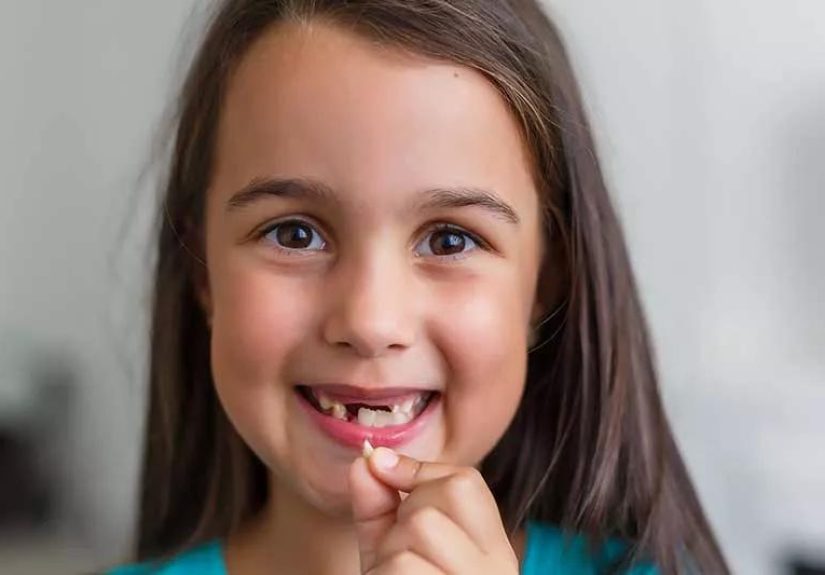
So, when do kids start losing teeth? In most cases, children begin losing baby teeth around age 6. That said, nature is not a strict project manager. Some kids start a little earlier, around age 5, while others take their sweet time and do not lose the first tooth until age 7. Usually, that is perfectly normal.
The process happens gradually over several years, not over one dramatic weekend with apples, corn on the cob, and a very determined tongue. Most children keep losing baby teeth until around ages 12 to 13, when the permanent teeth have mostly taken over. Along the way, parents get a front-row seat to loose teeth, gap-toothed smiles, bedtime Tooth Fairy negotiations, and the occasional low-key panic about “two rows of teeth.”
This guide explains the baby teeth timeline, which teeth usually fall out first, what is normal, what is not, and how to help your child keep their future adult teeth healthy for the long haul.
At What Age Do Kids Usually Start Losing Baby Teeth?
The typical age is about 6 years old. That is the classic starting point for losing baby teeth, also called primary teeth. If your child starts around age 5 or waits until age 7, it can still fall well within a normal range.
A helpful rule of thumb is this: kids often lose baby teeth in roughly the same pattern they came in. Teeth that erupted early may fall out earlier. Teeth that took their time arriving may also take their time leaving. In other words, your child is not late. Their teeth just may not believe in rushing.
Most children have 20 baby teeth in total. These teeth do important work before permanent teeth arrive. They help with chewing, speech development, and holding space in the jaw for adult teeth. That is why baby teeth matter more than many people realize. They are not “practice teeth.” They are the original cast members keeping the show running until the permanent lineup is ready.
Why Baby Teeth Get Loose in the First Place
Baby teeth do not simply fall out because childhood is chaotic. There is a real biological process behind it. As permanent teeth develop underneath the gums, they gradually dissolve the roots of the baby teeth above them. Once those roots are mostly gone, the baby tooth becomes loose and eventually falls out.
That is why the process can look so strange and feel so casual at the same time. One day the tooth seems fine. A few days later it is wobbling like a tiny porch swing. Once there is not much root left, the tooth usually hangs on by a small amount of tissue until it finally comes out.
The Typical Tooth Loss Timeline
There is variation from child to child, but the order of tooth loss is fairly predictable. In general, the first teeth to arrive are often the first to leave.
Usually first: lower central incisors
The bottom front teeth are often the first to become loose, usually between ages 6 and 7. These are the classic “my child suddenly whistles when talking” teeth.
Next: upper central incisors
After the bottom front teeth, the top front teeth usually fall out. This is often the stage where school photos become extra memorable.
Then: lateral incisors
These are the teeth next to the front teeth. They commonly fall out around ages 7 to 8.
Middle years: canines and first molars
Between about ages 9 and 11, many children start losing canines and first molars. These can feel like “bigger kid” teeth because the changes become more noticeable.
Last to go: second molars and upper canines
By ages 11 to 12, the final baby teeth usually loosen and fall out. By around age 12 or 13, most children have lost all 20 baby teeth and have most of their permanent teeth in place.
What About the “6-Year Molars”?
Here is a detail that surprises a lot of parents: not every new permanent tooth replaces a baby tooth right away. Around age 6, many children get their first permanent molars, often called “6-year molars.” These come in behind the baby molars, so it can look like your child is suddenly collecting bonus teeth.
Because these molars arrive quietly in the back, they are easy to miss. But they are important. They are permanent teeth, and they are especially vulnerable to cavities if brushing is rushed or snack habits get too sugary. So yes, the mysterious new tooth in the back deserves attention, even if your child acts like it just appeared through magic.
Is It Normal to Start Earlier or Later?
Usually, yes. A little variation is expected. Some children lose a first tooth before kindergarten. Others are still waiting while their classmates are already writing letters to the Tooth Fairy.
Timing can be influenced by genetics, overall growth, and when the baby teeth originally erupted. A child who got their first tooth early may also lose teeth early. A child whose baby teeth arrived later may start shedding them later too.
Parents should think in ranges, not deadlines. Teeth do not read calendars. They are more into vague scheduling and surprise appearances.
When Should Parents Call the Dentist?
Most tooth loss is routine, but some situations are worth a dental checkup.
1. Your child has not started losing teeth by around age 7 or 8
That does not automatically mean something is wrong. Still, if there is no sign of loosening and no permanent teeth seem to be coming in, it is reasonable to ask a dentist for guidance.
2. A baby tooth falls out very early
If a tooth is lost because of decay, injury, or an accident, the dentist may want to monitor the space. When baby teeth disappear too soon, nearby teeth can drift and crowd the space needed for the permanent tooth.
3. A permanent tooth is coming in behind a baby tooth
This is the famous “shark teeth” situation. It can look dramatic, but it is fairly common. Sometimes the baby tooth is loose and will fall out soon. Other times, the dentist may need to keep an eye on it or recommend treatment.
4. There is pain, swelling, fever, or trouble chewing
A loose tooth by itself is normal. A loose tooth with significant pain, swollen gums, or signs of infection is not something to ignore.
5. A permanent tooth gets knocked out
This is a true dental emergency. A baby tooth lost from injury is usually not replaced, but a permanent tooth needs immediate care.
Should You Pull a Loose Tooth?
Only if it is very loose. If the tooth is hanging on by a thread and your child wants help, a clean tissue or gauze and a gentle twist may do the trick. But if the tooth is still firmly attached, leave it alone.
Forcing a tooth out too early can cause unnecessary pain, bleeding, and a very dramatic retelling at bedtime. Let your child gently wiggle it with their tongue or clean fingers. Most loose teeth come out on their own when they are ready.
How Long Does It Take for the Adult Tooth to Come In?
Sometimes the permanent tooth is already visible when the baby tooth falls out. Other times, there is a gap for a while before the new tooth appears. That can be completely normal. Teeth do not always make a grand entrance right away.
If the new tooth seems delayed for an extended period, or if one side erupts much earlier than the matching tooth on the other side, your dentist may want to evaluate what is happening beneath the gums.
How to Care for Kids’ Teeth During This Stage
The tooth-losing years are exciting, but they are also a crucial time for oral care. Permanent teeth are arriving, and they only get one set. No pressure, right?
Brush twice a day
Kids should brush morning and night with fluoride toothpaste. Younger children need help or supervision. Even if your child insists they are “basically a professional brusher,” check their technique anyway. The back teeth are often where brushing ambition goes to die.
Use the right amount of toothpaste
For children under age 3, a smear the size of a grain of rice is the usual recommendation. Ages 3 to 6 generally use a pea-sized amount. Older children still need reminders not to treat toothpaste like cupcake frosting.
Floss once teeth touch
If two teeth touch, flossing matters. It helps clean the places toothbrush bristles cannot reach.
Keep regular dental visits
Routine checkups help catch cavities, spacing issues, and eruption problems early. They also give parents a chance to ask all the wonderfully specific questions that only childhood produces, such as, “Is it normal for my son to show everyone the tooth he keeps in a sandwich bag?”
Watch the sugar
Frequent sugary snacks and drinks can increase cavity risk. Water and milk are usually better choices for teeth than sticky sweets and constant sipping on juice.
Why Taking Care of Baby Teeth Still Matters
Some parents assume baby teeth are not a big deal because they will fall out anyway. But healthy baby teeth help hold the right amount of space for permanent teeth. If a baby tooth decays badly or is lost too early, neighboring teeth can shift and create crowding problems later.
Baby teeth also support speech and chewing. They help children eat comfortably, pronounce words clearly, and develop normal jaw alignment. In short, baby teeth may be temporary, but their job is absolutely permanent-level important.
Common Parent Questions About Kids Losing Teeth
What if my child swallows a baby tooth?
It is usually harmless. Most swallowed baby teeth pass through the digestive system without a problem. Still, if your child coughs, chokes, or seems distressed, seek medical care.
What if the loose tooth bleeds a little?
A small amount of bleeding is common when a tooth falls out. Gentle pressure with clean gauze usually helps.
Can a loose baby tooth hurt?
It can feel tender, especially while chewing. Mild discomfort is not unusual. Ongoing pain, swelling, or a bad smell may signal decay or infection and should be checked.
What if my child has crooked adult teeth right away?
Newly erupted teeth can look a little uneven at first. As more permanent teeth come in, spacing often changes. Your dentist can tell you whether it is simply part of development or something that needs monitoring.
Real-Life Experiences Families Often Have During the Tooth-Losing Years
Ask enough parents about when kids start losing teeth, and you will hear the same theme over and over: the timeline may be predictable on paper, but the experience itself is delightfully unpredictable.
For some families, the first loose tooth is a major emotional event. The child is thrilled for about five minutes, then suddenly worried that eating a sandwich could become a contact sport. They keep touching the tooth with their tongue, talking differently, and announcing every tiny wiggle like breaking news. At bedtime, they want reassurance that losing a tooth is normal, not a sign that their face is falling apart.
Other children become tiny entrepreneurs. The second they notice movement, they start asking detailed questions about the Tooth Fairy’s pricing structure. Is there a weekend rate? Is glitter involved? Does inflation affect tiny pillow payments? Parents quickly realize that losing teeth is not only a dental milestone. It is also a negotiation phase.
Many moms and dads also describe the first visible gap as oddly emotional. A child can look older overnight. One missing front tooth somehow transforms them from “little kid” to “big kid with opinions about breakfast.” It is a sweet reminder that growing up happens in tiny moments, not just birthdays and report cards.
Then there is the mealtime drama. Some children avoid crunchy foods because the loose tooth feels strange. Others do the exact opposite and bite into apples with the energy of a stunt performer. A few lose teeth at the dinner table, look deeply offended, and then continue chewing like absolutely nothing happened. Kids are resilient, weird, and often impressively practical.
Parents also commonly experience the “shark teeth” surprise, where a permanent tooth starts appearing behind a baby tooth that has not fallen out yet. The first reaction is usually alarm. The second reaction is an urgent online search. In many cases, it turns out to be a common situation, but it still feels dramatic in the moment. Childhood has a way of turning ordinary developmental stages into scenes that deserve their own soundtrack.
One especially universal experience is the obsession phase. Some children cannot stop wiggling a loose tooth. They wiggle while reading, while watching cartoons, while pretending to brush, and while supposedly going to sleep. Parents begin to suspect the tooth is now the household’s main hobby. Usually, the best move is patience. The tooth will come out when it is ready, and probably at the least convenient but most memorable time.
There is also a quiet pride that comes with this stage. Children often feel brave when they handle a loose tooth, visit the dentist, or see a new permanent tooth emerge. Parents notice that these small moments build confidence. A child learns that growing can feel weird and exciting at the same time, and that their body knows what it is doing.
That may be the real heart of the experience. Losing baby teeth is not just about the teeth themselves. It is about transitions, independence, and those funny in-between years when kids are still little but clearly not so little anymore. Yes, there may be a few tears, some awkward smiles, and a pillow-based economy. But there is also wonder in watching a child literally grow a new smile.
Final Thoughts
If you have been wondering when kids start losing teeth, the short answer is usually around age 6. The longer answer is that every child follows their own timeline within a normal range. Most begin between ages 5 and 7, usually with the front teeth, and continue losing baby teeth until around ages 12 to 13.
The key is not to chase a perfect schedule. Instead, watch for the general pattern, keep up good dental habits, and check with a dentist if something seems off. Loose teeth are one of those wonderfully awkward signs that childhood is moving along exactly as it should.
And when that first tiny tooth finally lands in your hand, do not be surprised if you feel proud, nostalgic, and slightly emotional over something smaller than a popcorn kernel.