Table of Contents >> Show >> Hide
- Meet Wild Strawberry: What It Is and Why It’s Worth Growing
- Where to Plant: Light, Location, and Microclimates
- Soil Prep: The Secret to a Patch That Thrives (Not Just Survives)
- How to Plant Wild Strawberry
- Watering: Keep It Alive Now, Let It Cruise Later
- Mulching: The Straw in Strawberry (and Why It Matters)
- Feeding and Fertility: Don’t Overdo It
- Pruning, Runners, and Patch Management
- Flowering, Pollination, and Fruiting: What to Expect
- Pests and Diseases: The Real-World Stuff
- Harvesting Wild Strawberries (Without Losing Your Mind)
- Growing Wild Strawberry as a Ground Cover (Landscape Mode)
- Containers and Small-Space Growing
- Overwintering and Year-to-Year Care
- Troubleshooting: Common Problems and Fixes
- Quick FAQ
- Experience Notes: What Growing Wild Strawberry Is Really Like (500+ Words)
Wild strawberry (Fragaria virginiana) is the “tiny-but-mighty” native cousin of the grocery-store strawberries you know and
occasionally abandon in your fridge’s crisper drawer. It’s a low-growing perennial that spreads by runners, blooms with sweet white flowers,
and makes petite, intensely flavored berries that taste like “strawberry” turned up a notchjust in a smaller package.
If you want a plant that can pull double duty as a living ground cover and a snack factory (for you and local wildlife), wild strawberry is a
solid pick. It won’t give you baseball-sized fruit, but it will give you charm, resilience, and the smug satisfaction of growing a native plant
that actually belongs where it’s planted.
Meet Wild Strawberry: What It Is and Why It’s Worth Growing
Fragaria virginiana is a native North American strawberry found across much of the United States. It’s typically under a foot tall,
forms colonies, and spreads via stolons (runners) that root as they go. Translation: you plant a little, andif it’s happyit politely moves
in and starts paying rent with berries.
Why gardeners love it
- Native powerhouse: Supports pollinators and wildlife, and fits naturally into many landscapes.
- Ground cover with benefits: Fills in bare soil, softens edges, and reduces weeds once established.
- Low drama: Once settled, it’s fairly drought tolerant and doesn’t demand constant pampering.
- Flavor: The berries are small, but often more aromatic and “strawberry-ish” than many large cultivars.
Where to Plant: Light, Location, and Microclimates
Wild strawberry grows best in full sun to partial shade. More sun generally means more flowers and fruit, while partial shade
can help the plant cope in hotter regions (and keep the soil from turning into a crispy skillet by July).
Ideal light
- Full sun (6+ hours): Maximum flowering and fruiting.
- Part shade (3–6 hours): Great for warmer climates or spots with afternoon heat.
Best spots in a yard
- Along paths where you can enjoy flowers and snag berries without crawling like a garden gremlin
- At the edge of woodland gardens (dappled sun)
- On slopes where you want living erosion control
- In native plant beds as a “green mulch” under taller perennials
Avoid low-lying areas with standing water. Wild strawberries like moisture, but they don’t want to live in a swamp. Think “evenly moist,” not
“puddle enthusiast.”
Soil Prep: The Secret to a Patch That Thrives (Not Just Survives)
The happiest wild strawberries live in well-drained soil with decent organic matter. They tolerate a range of soils, but they
do best when you set them up with conditions that keep roots healthy and crowns dry.
Soil texture and drainage
- Best: Sandy loam or loam with good drainage
- Okay with help: Clay soil improved with compost and planted on a slight mound or raised bed
- Avoid: Constantly wet sites or compacted soil
Soil pH
Strawberries generally prefer slightly acidic soil. If you’re aiming for a sweet spot, target roughly pH 5.5–6.5.
Don’t panic if you’re not exactwild strawberry is more forgiving than some diva plantsbut you’ll usually get better growth and nutrient
availability in that range.
How to prep a planting area
- Clear weeds first: Especially perennial weeds. Your future self will thank you.
- Loosen soil: Work the top 6–8 inches so roots can establish.
- Add compost: Mix in 1–2 inches of finished compost to improve moisture balance and fertility.
- Plan spacing: Decide if you want a ground cover effect or a more “berry production” layout.
How to Plant Wild Strawberry
You can start wild strawberry from plugs/potted plants, bareroot plants, or runners from an
existing patch. Seeds are possible, but they’re the “hard mode” option and take longer.
When to plant
- Spring: Great for establishment before summer (just water well).
- Early fall: Excellent in many regionscooler temps, fewer weeds, and roots establish before winter.
Spacing (pick your goal)
- Ground cover look: Plant in a grid about 12 inches apart (or up to 24 inches if you’re patient).
- More intentional patch: 12–18 inches apart, then guide runners to fill gaps.
Planting steps (plugs or small pots)
- Dig a hole just big enough for the root ball.
-
Set the plant so the crown (where stems meet roots) sits at soil levelnot buried and not perched like it’s
afraid of dirt. - Backfill, firm gently, and water thoroughly.
- Mulch lightly (more on mulch soon) to retain moisture and reduce weeds.
Planting runners (the easy “copy-paste” method)
If you have access to rooted runners, you can transplant them like tiny clones. Choose runners with a healthy root system, plant them at the
correct crown depth, and keep them evenly moist for the first couple of weeks.
Watering: Keep It Alive Now, Let It Cruise Later
Right after planting, water consistently so roots establish. Once established, wild strawberry can tolerate some dry spells, but you’ll get
better flowering and fruit if the soil doesn’t swing wildly between “dust” and “bog.”
A practical watering rhythm
- First 2–4 weeks: Keep soil evenly moist (not soupy).
- After establishment: Water during prolonged heat or droughtespecially if plants look droopy in the morning.
- Containers: Water more often, letting the top inch dry slightly between waterings.
Pro tip: Water at the base, not over the leaves, to reduce disease risk. (Wet leaves + warm weather = fungal party. No one wants that invite.)
Mulching: The Straw in Strawberry (and Why It Matters)
Mulch helps retain moisture, suppress weeds, and keep berries cleaner. Traditional straw is common (yes, that’s part of the “strawberry” lore),
but you can also use shredded leaves or pine needles.
Mulch do’s
- Apply a light layer after planting to keep weeds down.
- Keep mulch off the crown to prevent rot.
- Refresh as neededespecially after heavy rain or wind.
Feeding and Fertility: Don’t Overdo It
Wild strawberry doesn’t need heavy feeding. Too much nitrogen can give you lush leaves and fewer berries (a classic plant trick: “Look how green
I am!” while quietly producing zero snacks).
Simple fertility plan
- Compost once a year: A thin top-dressing in spring is usually enough.
- Slow-release, balanced fertilizer: Optional if soil is pooruse lightly.
- Watch the plant: Pale leaves and weak growth can signal low nutrients, but confirm with soil health before dumping fertilizer.
Pruning, Runners, and Patch Management
This is where wild strawberry shows its personality. It spreads. A lot. That’s great if you want ground coverand mildly alarming if you wanted
a single tidy plant like a polite houseguest.
How to manage runners
- For a fuller patch: Let runners root and fill in gaps.
- For more fruit per plant: Pinch off some runners so the plant puts energy into flowering and fruiting.
- To keep it contained: Edge the bed, pull wandering runners, or use a border (stone, metal edging, etc.).
Renovation tip (when things get crowded)
Every few years, if the patch becomes dense and production drops, thin plants or transplant younger runner plants into refreshed soil. Think of
it as “strawberry social distancing” for better airflow and happier crowns.
Flowering, Pollination, and Fruiting: What to Expect
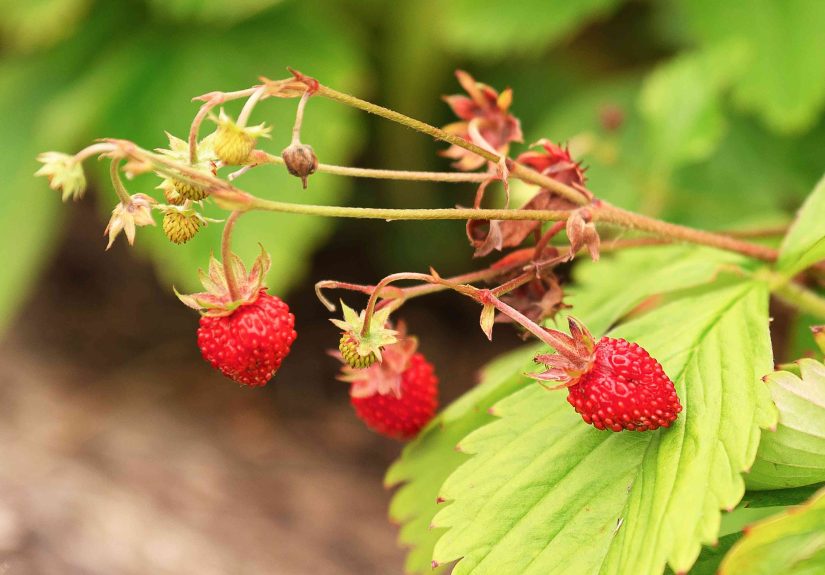
Wild strawberry typically flowers in spring, and fruit often ripens in early summer, depending on your region and weather. The berries are
small and may be hidden under leaveslike nature’s version of an Easter egg hunt, but with fewer plastic eggs and more ants watching you.
How to encourage better fruiting
- Provide more sun if possible
- Keep weeds down (competition reduces flowering)
- Avoid high-nitrogen fertilizing
- Maintain even moisture during bloom and fruit set
Pests and Diseases: The Real-World Stuff
Compared to many cultivated strawberries, wild strawberry can be relatively tough, but it’s not invisible to the ecosystem. The goal is
management, not perfection.
Common pests
- Slugs/snails: Chew fruit and leaves. Use beer traps, iron phosphate baits (as directed), or hand-pick at dusk.
- Birds: They will absolutely notice the berries the day before you do. Use netting if you want any for yourself.
- Squirrels/rodents: Mulch can provide cover; consider tidy edges and deterrents if pressure is high.
- Aphids: Usually manageable with a strong water spray or encouraging beneficial insects.
Common disease issues (and prevention)
- Fungal leaf spots: Improve airflow, avoid overhead watering, and remove heavily affected leaves.
- Crown/root rot: Usually from poor drainage or burying the crownfix the soil first, not just the symptoms.
- Verticillium wilt risk: Avoid planting strawberries where certain susceptible crops recently grew (crop rotation matters).
A good rule: choose a healthy site, plant at correct depth, keep weeds down, and don’t keep leaves wet all day. Most “mystery problems” start
with one of those four.
Harvesting Wild Strawberries (Without Losing Your Mind)
Wild strawberries are ready when they’re fully red and fragrant. They don’t continue ripening much after picking, so don’t harvest early unless
you enjoy disappointment as a hobby.
Harvest tips
- Pick in the morning when it’s cool for best texture and flavor.
- Bring a small containerberries are delicate and crush easily.
- Expect “snack harvesting.” You’ll eat half while picking. This is normal and scientifically supported by joy.
Growing Wild Strawberry as a Ground Cover (Landscape Mode)
If your main goal is a living carpet, wild strawberry is a strong candidate. It spreads, stays low, and looks great weaving between stones or
under taller plants.
Ground cover best practices
- Start with weed-free soilespecially in year one.
- Plant closer (around 12 inches) for faster fill-in.
- Mulch lightly until the patch knits together.
- Edge the area so it doesn’t creep into your lawn and start an inter-plant cold war.
Containers and Small-Space Growing
Yes, you can grow wild strawberry in pots. Choose a wide container (more surface area = more room for runners), use a well-draining potting mix,
and water consistently. Containers dry out faster, so check moisture more often, especially in summer.
Container checklist
- Pot with drainage holes (non-negotiable)
- Quality potting mix with added compost
- Sunny location (or morning sun/afternoon shade in hot climates)
- Occasional trimming of runners to keep it tidy
Overwintering and Year-to-Year Care
As a perennial, wild strawberry returns each year. In colder regions, a light winter mulch (like straw or shredded leaves) after the ground
starts to freeze can protect crowns from freeze-thaw cycles. In spring, pull mulch back from crowns so new growth isn’t smothered.
Troubleshooting: Common Problems and Fixes
“My plants are leafy but I’m not getting berries.”
- Too much shade → move to more sun if possible
- Too much nitrogen → ease up on fertilizer and use compost lightly
- Too many runners → pinch some runners to shift energy to fruit
“Leaves have spots.”
- Improve airflow by thinning crowded growth
- Avoid overhead watering
- Remove and discard heavily diseased leaves
“Plants are dying in wet weather.”
- Check drainage and crown depth
- Consider raised beds or planting on slight mounds
- Reduce mulch touching the crown
Quick FAQ
Is wild strawberry the same as mock strawberry?
No. Mock strawberry (Duchesnea indica, often listed as Potentilla indica) has yellow flowers and bland fruit. Wild strawberry
has white flowers and more flavorful berries. If your “strawberries” taste like watery disappointment, double-check the ID.
Will wild strawberry take over my yard?
It can spread enthusiastically, especially in good conditions. Use edging, trim runners, or limit planting area if you want it contained.
How long until I get fruit?
Often within the first year from plugs, especially if planted early. Full patch productivity usually improves as plants establish and spread.
Experience Notes: What Growing Wild Strawberry Is Really Like (500+ Words)
Here’s the honest, hands-in-the-dirt truth about wild strawberry: it’s not a “plant it and harvest bowls of fruit every weekend” situation.
It’s more like “plant it and gradually discover tiny rubies hiding under leaves,” which is either magical or mildly ridiculous depending on your
expectations and how much coffee you’ve had.
The first thing most people notice is how quickly it tries to spread. In year one, it’s often politegetting its roots established,
putting out a few runners, and acting like a responsible adult. Then year two shows up and wild strawberry decides it’s auditioning for a
ground-cover Olympics. Runners stretch out in multiple directions, rooting wherever they touch soil, and suddenly you have baby plants that
weren’t there last month. If you planted it near a path, expect it to creep toward the edging like it’s trying to eavesdrop on your life.
The best “real-life” lesson is that weed control early on matters more than almost anything. In a clean bed, wild strawberry fills in and
eventually shades out many weed seedlings. In a weedy bed, it can get bullied by aggressive neighbors (looking at you, crabgrass and creeping
Charlie). A quick weekly check for the first seasonpulling invaders while they’re smallmakes a huge difference. It’s the kind of effort that
feels minor in the moment and heroic later.
Watering is another practical reality check. Once established, wild strawberry can handle some dryness, but fruit quality and size improve with
steadier moisture. If you let the soil go bone-dry during flowering and fruit set, the plant often responds by making fewer berries and focusing
on survival. It’s not being stubborn; it’s being smart. On the flip side, constantly wet soil can cause decline from crown issuesso the “sweet
spot” is consistent moisture in well-drained soil. This is why people who plant it on a slight slope or in a raised bed often report fewer
problems.
Harvesting is where the experience becomes equal parts joy and comedy. You don’t harvest wild strawberries like you harvest cultivated ones.
You “forage” your own garden. You crouch. You lift leaves. You find three berries and feel like you won a prize. Then you stand up and realize
your knees now sound like bubble wrap. A small bowl is enough for most harvest trips, and if you’re hoping to make a whole pie, you’ll need a
decent patch (and possibly an assistant who likes treasure hunts).
The flavor, though? That’s the payoff. When fully ripe, the berries can be intensely fragrant and sweet, and they taste like the idea of
strawberry, not just the color red pretending to be fruit. They’re fantastic eaten fresh, sprinkled over oatmeal, or used as a garnish that
makes you feel like a fancy woodland chef.
The final “experience” tip is about expectations: grow wild strawberry for its whole packagenative ground cover, pollinator-friendly
flowers, seasonal fruit, and low-ish maintenance once established. If you want huge yields, grow cultivated strawberries. If you want a charming
plant that makes your landscape feel alive (and occasionally rewards you with tiny, delicious berries), wild strawberry is exactly the kind of
low-key overachiever you want on your team.