Table of Contents >> Show >> Hide
- Why Teeth Turn Yellow in the First Place
- 1. Brush and Floss Like You Mean It
- 2. Use a Whitening Toothpaste With Baking Soda
- 3. Try Oil Pulling for a Cleaner-Looking Smile
- 4. Eat Crunchy Fruits and Vegetables That Support Saliva
- 5. Rinse With Water and Cut Back on Staining Foods
- 6. Quit Tobacco and Nicotine Products
- Home Remedies That Sound Natural but Can Damage Your Teeth
- How Long Does Natural Teeth Whitening Take?
- When to See a Dentist
- What People Commonly Experience When They Try to Whiten Teeth Naturally
- Conclusion
- SEO Tags
If your smile has been looking a little less “movie star” and a little more “I drink coffee like it’s my full-time job,” you’re not alone. Teeth naturally darken over time, and everyday favorites like coffee, tea, red wine, tomato sauce, and tobacco can leave stains behind. The good news? You do not need to turn your bathroom into a chemistry lab or scrub your teeth like you’re sanding furniture.
Natural teeth whitening at home can help reduce surface stains, improve how clean your teeth look, and keep new discoloration from building up. But let’s clear up one big myth right away: many so-called natural whitening hacks floating around online are either overhyped, underwhelming, or downright rude to your enamel. If a remedy sounds like something your salad dressing and your teeth should never have in common, that is usually a clue.
In this guide, you’ll learn six safer home remedies that may help your teeth look brighter naturally, what results you can realistically expect, and which popular DIY tricks are better left on the internet where they belong.
Why Teeth Turn Yellow in the First Place
Before you can whiten your teeth naturally, it helps to know what you’re working with. Tooth discoloration usually falls into two categories:
Extrinsic stains
These are surface stains that build up on the enamel. They are commonly caused by coffee, tea, wine, dark berries, tomato-based foods, tobacco, and plaque buildup. These are the stains home care can help with the most.
Intrinsic stains
These happen deeper inside the tooth and may be linked to aging, trauma, certain medications, too much fluoride during tooth development, or changes inside the dentin. Home remedies are far less effective here, which is why some people brush like champions and still wonder why their teeth are not suddenly blindingly white.
That difference matters. Natural remedies can help polish away or prevent surface discoloration, but they usually cannot dramatically change the internal color of a tooth. Also, crowns, veneers, bonding, and fillings do not whiten the way natural teeth do, so a “one-shade-fits-all” result is not always realistic.
1. Brush and Floss Like You Mean It
This may sound boring compared with rubbing your teeth with a kitchen ingredient you found beside the cinnamon, but basic oral hygiene is still the most reliable first step for a brighter smile.
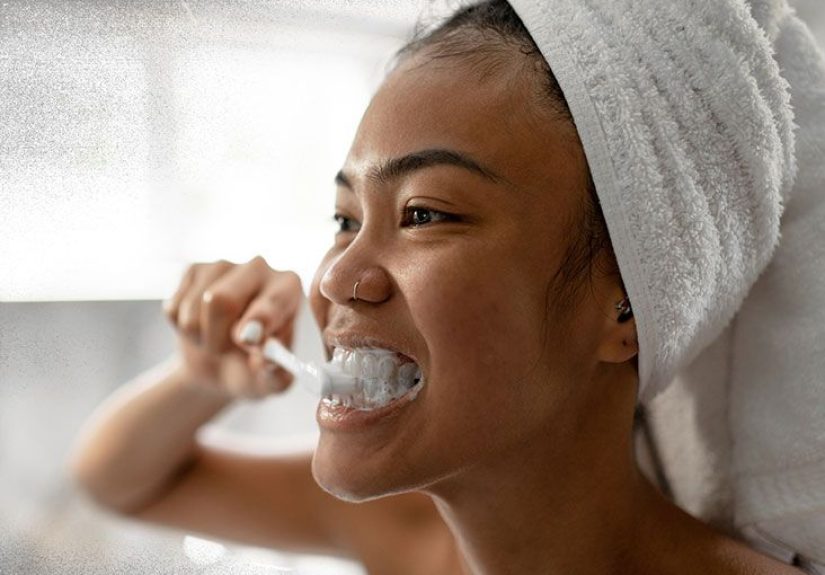
Brushing twice a day for two full minutes helps remove plaque and surface stains before they settle in like unwanted houseguests. Cleaning between your teeth once a day matters just as much because discoloration loves to hide in those tight little spaces where your toothbrush does not quite reach.
How to do it
- Brush twice daily with a soft-bristled toothbrush.
- Use gentle pressure. Your goal is stain removal, not enamel demolition.
- Floss or clean between teeth every day.
- Replace your toothbrush or brush head regularly.
Why it helps
Plaque can make teeth look dull, yellowish, and less reflective. When plaque and food debris are removed consistently, teeth often look cleaner and brighter even before you try any whitening-specific product.
2. Use a Whitening Toothpaste With Baking Soda
If there is one “natural-ish” ingredient that gets mentioned for teeth whitening without immediately making dentists sigh into the distance, it is baking soda. That is because baking soda can help remove surface stains through mild abrasion. In plain English: it helps polish the outside of the tooth.
But this is where nuance matters. Baking soda does not work like professional bleaching agents that change the tooth’s internal color. It is more of a stain lifter than a color transformer.
Best approach
The smartest move is usually to choose a whitening toothpaste that contains baking soda and fluoride instead of making your own gritty paste at home every morning like you’re auditioning for an old-timey dentistry reenactment.
How to use it safely
- Use a reputable whitening toothpaste as directed.
- Look for products with established safety standards.
- Avoid aggressive scrubbing, especially if you already have sensitive teeth or gum recession.
What to expect
You may notice a mild improvement in surface stains over time, especially if coffee, tea, or smoking is the main culprit. Think “brighter and cleaner,” not “suddenly moonlit.”
3. Try Oil Pulling for a Cleaner-Looking Smile
Oil pulling, usually done with coconut or sesame oil, has been promoted as a natural remedy for everything from bad breath to brighter teeth. The honest take? It may help some people feel like their mouth is cleaner, and there is limited evidence it may reduce certain oral bacteria, but it is not a proven teeth-whitening miracle.
Still, if done gently and used as an extra step rather than a replacement for brushing and flossing, some people like it as part of a home routine.
How to do it
- Swish about 1 tablespoon of coconut oil in your mouth for 5 to 10 minutes.
- Spit it into the trash, not the sink, unless you enjoy future plumbing adventures.
- Rinse with water and brush normally afterward.
What it may do
Oil pulling may help reduce plaque buildup or improve how fresh your mouth feels, which can make teeth appear a bit cleaner. But if you are expecting dramatic whitening, oil pulling may leave you with more jaw fatigue than sparkle.
Important reminder
Do not use oil pulling instead of brushing with fluoride toothpaste, flossing, or getting dental care. It is a sidekick at best, not the superhero.
4. Eat Crunchy Fruits and Vegetables That Support Saliva
No, an apple is not a toothbrush wearing a fruit costume. But crunchy produce can help in a few useful ways. Chewing foods like apples, celery, and carrots can help remove some food particles from teeth, and the chewing action stimulates saliva production.
Saliva is one of your mouth’s best natural defenses. It helps wash away debris, dilute acids, and support enamel health. A mouth that stays moist and active is generally better at resisting the kind of buildup that leaves teeth looking dingy.
Good choices
- Apples
- Celery
- Carrots
- Cucumbers
- Leafy greens
Why this works
These foods do not bleach teeth, but they can support a cleaner mouth environment and may reduce the stickiness of plaque or leftover food. They are especially helpful as snacks when you cannot brush right away.
Bonus tip
Sugar-free gum can also stimulate saliva after meals. If you are stuck between lunch and your next toothbrush date, it is a helpful backup plan.
5. Rinse With Water and Cut Back on Staining Foods
Sometimes the best whitening strategy is not adding something new. It is simply giving stains fewer chances to set up camp.
Coffee, tea, red wine, cola, soy sauce, tomato sauces, berries, and tobacco are common stain offenders. You do not necessarily need to break up with all of them forever, but your teeth will appreciate a little less commitment.
Simple ways to reduce staining
- Drink water after coffee, tea, or wine.
- Do not sip staining drinks all day long.
- Use a straw for iced coffee or darker drinks when possible.
- Rinse your mouth after meals if you cannot brush right away.
- Wait a bit before brushing after acidic foods or drinks.
This remedy is not flashy, but it is effective. Preventing fresh stains is often easier than trying to scrub away old ones later. Your enamel appreciates prevention. It is very mature like that.
6. Quit Tobacco and Nicotine Products
If you want one of the most powerful natural ways to help your teeth look whiter, quitting tobacco belongs near the top of the list. Smoking and smokeless tobacco stain teeth, increase the risk of gum disease, and contribute to a long list of oral health problems that go well beyond appearance.
Even when people brush regularly, tobacco stains can cling stubbornly to tooth surfaces. Quitting does not instantly erase years of discoloration, but it can stop the cycle from getting worse and make other whitening efforts more effective.
What you may notice after quitting
- Less new staining over time
- Better breath
- Healthier-looking gums
- A mouth that responds better to regular cleaning
If you needed one more reason to quit, here it is: your smile did not sign up to be a nicotine bulletin board.
Home Remedies That Sound Natural but Can Damage Your Teeth
This section is important because many DIY whitening trends go viral precisely because they sound simple, cheap, and “natural.” Unfortunately, enamel does not care about marketing language.
Lemon juice or apple cider vinegar
These are acidic. Acid can soften enamel and make teeth more vulnerable to wear and sensitivity. Whitening by erosion is not a beauty hack. It is a dental bill in disguise.
Activated charcoal
Charcoal may remove some surface stains through abrasion, but evidence for safety and effectiveness is limited, and overuse may roughen enamel or wear it down over time.
Strawberries, turmeric, or random DIY pastes
Most of these remedies have weak evidence, messy application, or both. If your whitening routine looks like the prep table for a cooking show, that is usually not a great sign.
Straight hydrogen peroxide without guidance
Peroxide is used in whitening, but DIY use can irritate gums and cause sensitivity if it is used improperly. “At home” does not automatically mean “harmless.”
How Long Does Natural Teeth Whitening Take?
Natural and home-based approaches usually work gradually. If the discoloration is mostly from coffee, tea, plaque, or mild surface stains, you may notice a cleaner appearance in a few weeks with consistent care. If the discoloration is deeper, older, or caused by internal tooth changes, home remedies may not make much difference at all.
That is not failure. It is biology being annoyingly honest.
When to See a Dentist
Call your dentist if:
- Your teeth suddenly change color
- Only one tooth darkens
- You have pain, swelling, or sensitivity
- You have white spots, brown patches, or signs of enamel damage
- Home care is not helping after a reasonable trial
Sometimes discoloration is not just cosmetic. It can be tied to decay, past injury, medication effects, enamel problems, or dry mouth. A dentist can help you figure out whether you are dealing with a stain issue, a health issue, or both.
What People Commonly Experience When They Try to Whiten Teeth Naturally
When people start looking for natural ways to whiten teeth, the emotional journey is usually a mix of optimism, confusion, and at least one late-night internet rabbit hole involving coconut oil, charcoal powder, and somebody swearing that a mashed strawberry changed their life. In real life, the experience tends to be much less dramatic and much more gradual.
Most people first notice that their teeth do not actually look “yellow” all the time. They look more stained at certain hours of the day, under certain lighting, or after certain habits. Morning coffee, afternoon tea, or a week of red sauce dinners can make teeth look darker even if nothing major has changed. Once someone starts brushing more consistently, flossing daily, and rinsing with water after staining foods, the first improvement is often not a dramatic color shift. It is that the teeth look cleaner, smoother, and less dull.
A common experience with whitening toothpaste is that expectations start sky-high and settle into something more realistic after two or three weeks. People often expect a movie-trailer transformation. What they usually get is a more polished look, especially around the front teeth, where surface stains show most. For many, that is enough to feel better smiling in photos. Not because their teeth turned paper-white overnight, but because the “coffee shadow” on the enamel looks lighter.
People who try oil pulling often describe a cleaner-feeling mouth or fresher breath more than obvious whitening. Some enjoy the ritual. Others discover that swishing oil for several minutes before breakfast is a surprisingly effective way to learn they do not actually enjoy swishing oil for several minutes before breakfast. In other words, it is a personal preference move, not a guaranteed whitening shortcut.
Diet changes also create subtle but meaningful results. Cutting back on constant coffee sipping, switching to water after meals, and choosing crunchy produce instead of sticky snacks tends to help people maintain a brighter look. The difference is less “instant whitening” and more “stains stop getting worse every week.” That can be a big win.
Another very real experience is sensitivity or frustration when someone tries harsh DIY tricks. People who use acidic ingredients or overly abrasive mixtures may notice their teeth feel rough, sore, or more reactive to hot and cold foods. That is usually the moment they realize natural does not always mean gentle. The safest routines are often the least glamorous ones: soft brushing, fluoride toothpaste, floss, water, smart food choices, and patience.
Over time, the people who tend to be happiest with natural whitening are the ones who shift their goal. Instead of chasing ultra-white teeth, they aim for healthier-looking teeth. Cleaner. Brighter. Less stained. More confident. That mindset usually leads to better long-term results and fewer regrettable experiments involving pantry ingredients and a suspicious amount of optimism.
Conclusion
If you want to whiten your teeth naturally at home, focus on methods that support oral health instead of attacking your enamel in the name of brightness. Brushing and flossing consistently, using a whitening toothpaste with baking soda, eating crunchy produce, managing stain-heavy foods, trying oil pulling as a limited extra step, and quitting tobacco can all help your smile look cleaner and brighter over time.
The biggest takeaway is simple: safe natural whitening is usually about surface stain control and prevention, not extreme bleaching. If your teeth still look dark despite excellent home care, or if the discoloration seems unusual, your dentist is the right next stop. Your smile deserves science, not just vibes.