Table of Contents >> Show >> Hide
- Why International Recipes Belong in Every Home Kitchen
- What Makes a Great International Recipe?
- Build a Smart Pantry for Global Cooking
- Eight International Recipe Styles Worth Adding to Your Rotation
- 1. Italian-inspired tomato pasta
- 2. Mexican-style tacos or rice bowls
- 3. Indian-inspired curry
- 4. Japanese-inspired rice bowls and noodle soups
- 5. Thai-style stir-fries and coconut curries
- 6. Mediterranean grain bowls and mezze plates
- 7. Chinese-inspired stir-fry
- 8. Middle Eastern-inspired roasted vegetable platters
- How to Make International Recipes Feel More Authentic at Home
- Common Mistakes When Cooking World Recipes
- A Simple One-Week International Dinner Plan
- The Experience of Cooking International Recipes at Home
- Conclusion
If your weeknight dinner routine has started to feel like a rerun nobody asked for, international recipes are the easiest way to shake up your kitchen without booking a flight or arguing with airport security over a jar of chili crisp. Cooking globally inspired meals at home opens the door to new flavors, smarter techniques, and a much more interesting answer to the daily question, “What’s for dinner?”
The beauty of international recipes is that they do more than feed you. They teach you how different cultures balance salt, acid, spice, fat, texture, and aroma. One dish may rely on slow simmering and warm spices. Another may come alive with fresh herbs, citrus, and a last-minute drizzle of olive oil. A third may prove that a humble pot of rice can be just as exciting as steakhouse drama. In other words, global cooking makes your kitchen feel bigger, your palate smarter, and your leftovers far less depressing.
This guide explores what makes international recipes so appealing, how to cook them more confidently at home, which types of dishes are easiest to start with, and how to build a realistic global meal rotation that works for busy households. Whether you want easy international dinners, authentic flavors, or just a break from plain chicken and steamed broccoli, there is a whole world of food waiting on your stovetop.
Why International Recipes Belong in Every Home Kitchen
International recipes expand your cooking vocabulary. Once you learn how a Thai-style curry builds flavor from aromatics and coconut milk, or how a Mediterranean grain bowl relies on herbs, lemon, and texture, you begin to understand patterns rather than memorizing one-off dishes. That matters because good home cooks are not just recipe followers. They are flavor detectives with measuring spoons.
They also help reduce dinner boredom. A simple chicken dinner can become chicken shawarma-inspired bowls one night, chicken adobo-style rice bowls the next, and a quick stir-fry later in the week. The core ingredient stays familiar, but the seasonings, sauces, and cooking method do the heavy lifting. Your budget stays reasonable while your menu gets a passport stamp.
There is also a deeper reason people love world recipes: food creates connection. Family stories, neighborhood traditions, holiday memories, and comfort foods often travel through recipes. Cooking something from another culinary tradition should never be treated like a costume party for dinner. It works best when approached with curiosity, respect, and a willingness to learn why a dish tastes the way it does.
What Makes a Great International Recipe?
A great international recipe is not just “foreign food with extra garlic.” It has a clear flavor identity, a balanced method, and ingredients that work together instead of shouting over each other like relatives at Thanksgiving. The best global recipes feel rooted in a cooking tradition, even when adapted for modern home kitchens.
In practical terms, that usually means a few things. First, the recipe respects the role of staple ingredients, whether that is soy sauce, cumin, yogurt, chickpeas, rice noodles, tomatoes, miso, beans, or flatbread. Second, it uses techniques that support flavor, such as toasting spices, marinating protein, blooming aromatics, simmering sauces properly, or finishing with herbs and acid. Third, it delivers contrast. Think crispy and creamy, spicy and cooling, bright and rich, savory and sweet.
If you are browsing for easy international recipes, start with dishes that use common grocery-store ingredients and one or two special items rather than a shopping list that reads like a scavenger hunt. Confidence grows faster when the dish is manageable. No one needs to begin their global cooking journey by making seventeen components and crying into homemade dough.
Build a Smart Pantry for Global Cooking
You do not need a warehouse-sized pantry to cook international meals well. You need a flexible one. A few versatile staples can unlock dozens of dishes from different cuisines.
Core pantry staples
Start with rice, pasta, canned tomatoes, beans, lentils, broth, flour, onions, garlic, potatoes, and cooking oil. These basics support everything from soups and stews to noodle dishes and skillet meals. Add eggs and plain yogurt to your fridge lineup and you suddenly have more options than your takeout app.
Flavor boosters worth keeping on hand
Stock soy sauce, fish sauce, vinegar, coconut milk, Dijon mustard, sesame oil, olives or capers, chili flakes, smoked paprika, cumin, coriander, curry powder, cinnamon, and black pepper. Fresh lemons or limes, ginger, parsley, cilantro, and scallions are also excellent flavor amplifiers. A small pantry with smart choices beats a giant pantry full of mystery jars every time.
Ingredients that stretch across cuisines
One of the easiest ways to cook more world cuisine is to buy ingredients that pull double or triple duty. Chickpeas can become hummus, curry, or a roasted salad topping. Rice works in burrito bowls, stir-fries, pilafs, and comforting soups. Yogurt can be sauce, marinade, breakfast, or dip. That is how international cooking becomes sustainable instead of becoming an expensive hobby you abandon next to the bread machine.
Eight International Recipe Styles Worth Adding to Your Rotation
1. Italian-inspired tomato pasta
A simple tomato-based pasta proves that international recipes do not need a circus of ingredients. Good tomatoes, olive oil, garlic, onion, pasta, and a shower of cheese can produce a deeply satisfying meal. The lesson here is restraint. Let the sauce simmer enough to concentrate flavor, season your pasta water boldly, and finish with fresh basil if you have it. It is humble, comforting, and wildly reliable.
2. Mexican-style tacos or rice bowls
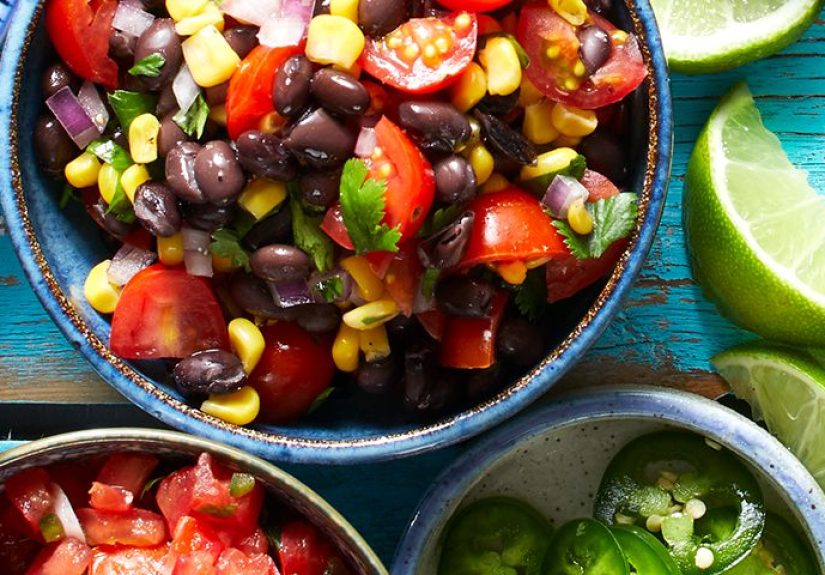
Tacos, tostadas, and rice bowls are ideal for home cooks because they are flexible without feeling random. Beans, seasoned chicken, beef, shrimp, or roasted vegetables all fit beautifully. Add salsa, lime, avocado, pickled onion, and cilantro, and suddenly dinner feels alive. This style is especially useful for families because everyone can customize a plate without turning the kitchen into a hostage negotiation.
3. Indian-inspired curry
Curry is one of the best gateways into global cooking because it teaches layering. Onion, garlic, ginger, spices, tomato, coconut milk or yogurt, and your protein or vegetables build a sauce with real depth. Chickpea curry, butter chicken-style dishes, lentil dal, or paneer-style meals can all work for busy weeknights. The key is to give your spices a moment to bloom so they taste warm and fragrant instead of dusty and confused.
4. Japanese-inspired rice bowls and noodle soups
Japanese-inspired home cooking often shines through balance and simplicity. A rice bowl with salmon, cucumbers, scallions, and a soy-sesame dressing can feel incredibly polished with minimal effort. Udon soups, miso soups, and teriyaki-style bowls also show how umami can carry a dish without requiring a mountain of ingredients. Clean, savory, soothing, and suspiciously good for something that came together on a Tuesday.
5. Thai-style stir-fries and coconut curries
Thai-inspired recipes are perfect when you want high reward for moderate effort. Stir-fries bring speed, while coconut-based curries bring comfort. Common elements include garlic, ginger, chilies, lime, fish sauce, fresh herbs, and vegetables that keep some bite. These dishes remind home cooks that flavor is not always about heaviness. Brightness matters. Freshness matters. Crunch matters. That final squeeze of lime is not decoration; it is a plot twist.
6. Mediterranean grain bowls and mezze plates
Mediterranean-style meals are practical, colorful, and ideal for meal prep. Think rice or couscous, grilled chicken or chickpeas, cucumber-tomato salad, olives, yogurt sauce, hummus, and herbs. This kind of international recipe is especially appealing because it feels both healthy and generous. You get freshness, creaminess, acidity, and substance in one bowl. It is a very efficient use of your cutting board.
7. Chinese-inspired stir-fry
A good stir-fry teaches timing and preparation. Cut everything before you heat the pan, keep the sauce simple, and cook in stages if needed. Chicken with broccoli, tofu with peppers, beef with snap peas, or garlic green beans can all become quick international dinners that beat delivery on speed and freshness. The secret is not mystical. It is heat, organization, and not overcrowding the pan like it owes you rent.
8. Middle Eastern-inspired roasted vegetable platters
Roasted cauliflower, carrots, eggplant, or squash paired with tahini sauce, herbs, chickpeas, and warm flatbread create satisfying meals with bold flavor and minimal fuss. Warm spices such as cumin, coriander, paprika, and cinnamon can make vegetables feel rich and comforting. This is a great area for cooks who want more meatless international recipes without sacrificing personality.
How to Make International Recipes Feel More Authentic at Home
First, focus on the backbone of the dish rather than trying to chase perfection. If a recipe depends on a specific paste, spice blend, or sauce, that item usually matters more than whether your garnish looks restaurant-ready. A few well-chosen ingredients will get you further than buying fifteen substitutions and hoping for the best.
Second, learn the role of technique. Toasting spices, marinating meats, simmering sauces long enough, using high heat for stir-fries, and seasoning in stages all make a difference. Many people assume international cooking is difficult when the real issue is impatience. Delicious food often asks for ten extra minutes and a little attention, not culinary wizardry.
Third, taste as you go. Sweetness, heat, salt, acid, and richness need to be balanced. If a curry tastes flat, it may need salt or acid. If a tomato sauce tastes harsh, it may need more simmer time. If a grain bowl tastes dull, it may need herbs or a tangy dressing. Great home cooking is less about obedience and more about adjustment.
Common Mistakes When Cooking World Recipes
The biggest mistake is assuming every cuisine wants maximum spice. Heat is only one part of flavor, and not every dish is trying to set your mouth on fire for sport. Another common mistake is overloading recipes with too many ingredients because more feels more impressive. In reality, cluttered cooking often produces muddy flavor.
Skipping acid is another problem. Lemon juice, vinegar, tamarind, lime, yogurt, and pickled ingredients often provide the brightness that makes savory dishes pop. Underseasoning starches is also a frequent issue. Rice, noodles, potatoes, and grains need proper seasoning and strong companions, or they become background furniture.
Finally, people often expect every international recipe to be “restaurant level” on the first try. That is unnecessary and frankly a little dramatic. Home cooking improves through repetition. Your second curry, third stir-fry, or fifth tray of roasted vegetables will almost always be better than your first. That is not failure. That is how kitchens work.
A Simple One-Week International Dinner Plan
If you want to cook more global cuisine without getting overwhelmed, use a practical rhythm:
Monday: Italian-inspired tomato pasta with salad.
Tuesday: Thai-style coconut curry with rice.
Wednesday: Mediterranean grain bowls with chickpeas or chicken.
Thursday: Chinese-inspired stir-fry with noodles.
Friday: Taco night with beans, salsa, and toppings.
Saturday: Indian-inspired lentil curry and flatbread.
Sunday: Japanese-inspired rice bowls with quick pickled vegetables.
This kind of rotation keeps ingredients moving efficiently. Herbs, rice, onions, garlic, yogurt, greens, and citrus can appear in multiple meals without making every dinner taste the same. That is the sweet spot: variety without chaos.
The Experience of Cooking International Recipes at Home
Cooking international recipes changes the mood of a kitchen in a way that is hard to describe until you do it regularly. At first, it feels like a practical project. You buy a few new spices, maybe a bottle of fish sauce or tahini, and tell yourself you are simply trying something different for dinner. Then, somewhere between chopping herbs and tasting a simmering sauce, the whole thing becomes more than dinner. It becomes travel for people who still have emails to answer.
One of the most memorable parts of cooking world recipes is how quickly aroma transforms a room. Garlic and olive oil smell comforting. Ginger and scallions hitting a hot pan smell energetic. Toasted cumin and coriander smell warm and grounding. Coconut milk simmering with curry paste smells like your kitchen just leveled up. Even before anyone sits down to eat, the meal creates anticipation. People wander in and ask what smells so good. That alone is one of the best compliments a cook can get.
There is also a quiet thrill in learning that ingredients you once considered “special occasion” or “too complicated” are actually manageable. The first time you make a real stir-fry that tastes balanced, or a grain bowl that feels restaurant-worthy, you get a little more confident. The first successful curry teaches you not to fear spices. The first homemade taco spread teaches you that dinner can be both casual and wildly satisfying. These small wins matter because they build kitchen courage.
International cooking also changes the way you shop. You stop buying the same five things on autopilot and start thinking in flavor families. You notice herbs more. You appreciate texture more. You realize a jar of olives, a bunch of cilantro, or a tube of tomato paste can unlock multiple meals. Grocery shopping becomes less mechanical and more creative. It still includes the occasional moment of staring at a mysterious ingredient label like it personally insulted you, but overall it gets more interesting.
Perhaps the most rewarding experience is sharing these meals. International recipes naturally invite conversation because they come with stories, techniques, and curiosity. Someone asks what makes the sauce taste so deep. Someone else wonders why the rice is seasoned differently. A kid who usually treats vegetables like sworn enemies suddenly eats roasted carrots because they came with yogurt sauce and warm spices. Dinner becomes interactive, and that is a beautiful thing.
Of course, not every experiment is glorious. Sometimes the noodles overcook. Sometimes the spice level is far more ambitious than your plans for the evening. Sometimes your “crispy” roasted eggplant becomes “soft but emotionally supportive” roasted eggplant. But even those kitchen mishaps become part of the experience. They teach you what to adjust next time, and they usually make for a better story than a perfect dinner ever could.
Over time, international recipes stop feeling “special” and start feeling normal in the best possible way. A home cook who learns to move comfortably between pasta, curry, tacos, stir-fries, grain bowls, soups, and roasted platters builds a kitchen that is flexible, joyful, and far less boring. The real reward is not just the food on the plate. It is the feeling that your kitchen has become a place of discovery instead of repetition.
Conclusion
International recipes make home cooking more exciting, more flavorful, and more flexible. They help you build better instincts, expand your pantry with purpose, and create dinners that feel thoughtful without requiring professional-chef theatrics. Start with familiar ingredients, learn a few core techniques, and give yourself permission to improve dish by dish. You do not need to master every cuisine. You just need to stay curious, cook with respect, and keep a lemon nearby. Honestly, that last part solves a shocking number of problems.