Table of Contents >> Show >> Hide
- So, Is Chipotle Actually Healthy?
- 6 Tips for Creating a Nutritious Meal at Chipotle
- 1. Start with a bowl or salad instead of a burrito
- 2. Build around protein, but choose with intention
- 3. Do not skip the beans
- 4. Be strategic with rice and other carb-heavy extras
- 5. Load up on fajita veggies, salsa, and lettuce
- 6. Treat cheese, sour cream, vinaigrette, and chips like optional upgrades
- What a Healthy Chipotle Order Can Look Like
- Common Mistakes That Make Chipotle Less Healthy
- The Bottom Line
- Real-Life Experiences: What Ordering a Healthy Chipotle Meal Actually Feels Like
Chipotle is one of those places that makes healthy eating feel both possible and mildly dramatic. You walk in thinking, “I’ll just grab lunch,” and five minutes later you are making life decisions about brown rice, black beans, guac, and whether cheese is a topping or a personality trait.
So, is Chipotle healthy? The honest answer is: it can be. Chipotle gives you more control than many fast-food and fast-casual chains, which is great news for anyone trying to build a balanced meal with protein, fiber, vegetables, and reasonable portions. The catch is that “customizable” can also become “accidentally enormous” if you go wild with every add-on that sparkles in the sneeze guard.
A nutritious Chipotle order usually comes down to the same principles nutrition experts use anywhere else: prioritize lean protein, include vegetables and fiber-rich ingredients, keep an eye on sodium and saturated fat, and avoid turning lunch into a food mountain. In other words, the burrito bowl is not the villain. The villain is sometimes the combo of giant tortilla + rice + beans + cheese + sour cream + guac + chips + drink + dessert energy.
This guide breaks down how to make Chipotle work for your goals, whether you want more protein, a lighter lunch, a filling post-workout meal, or just something that tastes good without leaving you ready for a nap by 2 p.m.
So, Is Chipotle Actually Healthy?
Compared with many fast-food options, Chipotle can fit well into a healthy eating pattern because you can build a meal around grilled protein, beans, vegetables, and toppings you choose yourself. That flexibility matters. A balanced meal is usually easier to create when you are not stuck with a fixed sandwich plus mystery side situation.
But healthy does not mean automatically low-calorie, low-sodium, or perfectly balanced. A Chipotle order can swing from fairly light to impressively hefty in a hurry. For example, nutrition guidance commonly recommends keeping sodium below 2,300 milligrams a day, saturated fat below 20 grams, and aiming for at least 28 grams of fiber on a 2,000-calorie diet. That means one oversized restaurant meal can take a very big bite out of your daily nutrition budget.
Here is the good news: Chipotle’s menu makes it possible to steer in a better direction. Bowls and salads can help you skip the calorie and sodium hit from a large flour tortilla, beans add fiber and plant protein, fajita veggies add volume without much energy cost, and toppings can be adjusted from regular to light. That is a surprisingly strong toolkit for a restaurant meal.
6 Tips for Creating a Nutritious Meal at Chipotle
1. Start with a bowl or salad instead of a burrito
If you want the easiest nutrition win at Chipotle, begin here. A bowl or salad gives you room for the foods that usually bring more staying power, like protein, beans, and vegetables, without spending a big chunk of calories and sodium on the wrap itself.
That matters because a large flour tortilla alone has about 320 calories and around 600 milligrams of sodium. That is not “bad,” but it does change the math of the whole meal. If you love burritos, enjoy them sometimes. But if your goal is a more nutritious order, a bowl gives you more flexibility with less nutritional baggage.
A salad can also work well, especially if you like a lighter base. Just remember that salads are not magically healthier once heavy dressing and multiple high-fat toppings join the party. A salad that wears too many accessories can still out-calorie a simple bowl.
2. Build around protein, but choose with intention
Protein helps make a meal more satisfying, and Chipotle gives you plenty of ways to get it. Chicken, steak, barbacoa, carnitas, sofritas, and beans can all play a role, depending on your preferences.
In general, grilled protein is a smart place to start. Official Chipotle nutrition information shows that protein choices differ in calories and fat, but not always by a huge amount. Steak and sofritas are around 150 calories per serving, chicken is around 180, barbacoa about 170, and carnitas around 210. So the best choice is not always the lowest-calorie one. It is the one that helps you create a meal you enjoy without needing three “little extras” later.
For many people, chicken or steak are easy starting points because they pair well with fiber-rich ingredients and feel substantial. Sofritas can also work nicely for plant-based eaters. If you want higher protein, double meat is an option, but it can also push sodium and calories upward fast. Try regular protein first and let beans help with the rest.
3. Do not skip the beans
Beans are one of the most nutritious ingredients on the line, and they do a lot of heavy lifting. They add fiber, plant protein, texture, and volume, which can make your meal more satisfying without relying on extra cheese or sour cream to feel “complete.”
EatingWell notes that both black and pinto beans provide about 8 grams of plant protein per serving, and they are one of the simplest ways to make a Chipotle meal more balanced. From a healthy-eating perspective, beans are doing exactly what you want: they help support fullness while contributing nutrients that many people do not get enough of.
If your goal is better satiety, steadier energy, or a meal that does not leave you raiding the pantry 90 minutes later, beans are your friend. They are especially useful if you order a bowl without a tortilla, because they make the meal feel hearty rather than suspiciously virtuous.
4. Be strategic with rice and other carb-heavy extras
Rice is not the enemy. Let us retire that drama. Carbohydrates can absolutely fit into a nutritious meal, especially when you want energy and satisfaction. The question is portion and context.
If you are getting a bowl, a normal portion of rice can work well. If you are getting a burrito, tacos, chips, or a sweet drink too, the meal can become carb-stacked in a hurry. Brown rice is often seen as the slightly more nutritious choice because it brings more fiber than white rice, while white rice may be the preferred option for taste, digestion, or workout timing. A good rule is to think about the meal as a whole rather than judging one ingredient like it insulted your family.
If you want a middle ground, ask for light rice. This is one of the best tricks on the menu because it keeps the meal satisfying while leaving room for beans, fajita veggies, salsa, or guacamole. Lighter rice plus more vegetables is a very solid trade.
5. Load up on fajita veggies, salsa, and lettuce
This is where your meal starts acting like it has a nutrition degree. Fajita vegetables, fresh tomato salsa, and lettuce add volume, flavor, and texture without turning the bowl into a calorie bomb.
Fajita veggies are especially useful because they add bulk for very few calories. Chipotle’s nutrition information lists them at about 20 calories per serving, and lettuce adds only a tiny amount while bringing freshness and crunch. If you want your meal to feel generous without getting excessive, this is the move.
Salsas are another smart tool. They can add flavor and moisture so you do not feel the need to drown everything in heavier toppings. Just remember that some salsas still contribute sodium, so the goal is not “unlimited because tomatoes are vegetables.” The goal is “more flavor, fewer heavy extras.”
6. Treat cheese, sour cream, vinaigrette, and chips like optional upgrades
These are the ingredients that quietly turn a pretty reasonable order into a lunch that requires a sequel. None of them must be banned forever. But if you are trying to make Chipotle healthier, this is where portion awareness really matters.
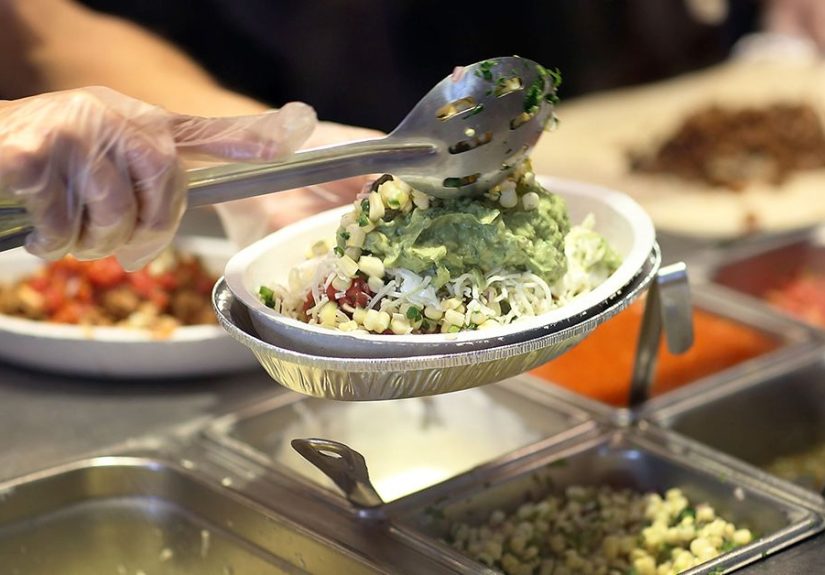
Cheese and sour cream can increase saturated fat quickly. Guacamole is more nutritious from a fat-quality standpoint because it is based on avocado, but it still adds calories, so it is best used intentionally rather than as a default. Chipotle lists guacamole at about 230 calories per serving. That can absolutely fit into a healthy meal, especially if you skipped the tortilla or chose light rice, but it should be part of the plan, not a surprise plot twist.
The chipotle-honey vinaigrette is another one to watch. Salad lovers sometimes assume dressing is a side character, but it can make a major nutritional contribution. And chips? Delicious. Also extremely easy to eat by muscle memory while saying, “I’m just having a few.” If your entrée is already substantial, skipping chips can be the simplest way to keep the meal in a more balanced range.
What a Healthy Chipotle Order Can Look Like
Healthy does not have to mean boring. A nutritious Chipotle meal can still taste like actual joy. Here are a few balanced ideas:
Balanced everyday bowl
Chicken, black beans, light brown rice, fajita veggies, fresh tomato salsa, roasted chili-corn salsa, lettuce, and guacamole. This combination gives you protein, fiber, color, and enough fat to feel satisfying without leaning too hard on cheese or sour cream.
Higher-protein bowl
Steak or chicken, black beans, light rice, fajita veggies, tomato salsa, extra lettuce, and a small amount of cheese or guacamole. This works well for someone who wants a more filling meal without turning it into an all-afternoon food marathon.
Lighter lunch salad
Romaine base, chicken or sofritas, black beans, fajita veggies, fresh salsa, and guacamole, with dressing on the side if you want it. This can keep the meal fresh and satisfying while avoiding the “healthy salad” that somehow contains the calorie power of a family-sized casserole.
Common Mistakes That Make Chipotle Less Healthy
The biggest mistake is assuming all custom meals are healthy just because the ingredients look fresh. Fresh ingredients are great, but they still count nutritionally.
Another common mistake is piling on multiple energy-dense extras at once: tortilla, full rice, full beans, cheese, sour cream, guacamole, chips, and a sweet drink. None of these is terrible alone. Together, they can create a meal that is far larger than intended.
A third mistake is ignoring sodium. Restaurant meals often carry more sodium than people realize, and federal health guidance encourages keeping daily sodium under 2,300 milligrams. If you are especially mindful of blood pressure or just want a less salty day overall, choosing a bowl, limiting extras, and skipping chips can help a lot.
The Bottom Line
Yes, Chipotle can be healthy. It is not automatically healthy, and it is not automatically unhealthy either. It is a choose-your-own-adventure meal, which means the nutrition outcome depends mostly on how you build it.
If you want the short version, here it is: choose a bowl or salad, start with protein, add beans, pile on veggies, go easy on the heavy toppings, and remember that “a little bit of everything” can turn into “why am I so full I can hear colors?”
Healthy eating at Chipotle is less about perfection and more about smart structure. When you use the menu strategically, you can create a meal that tastes good, fills you up, and actually works with your goals. That is a lot to ask from lunch, but Chipotle can pull it off.
Real-Life Experiences: What Ordering a Healthy Chipotle Meal Actually Feels Like
In real life, healthy eating at Chipotle rarely looks like a flawless nutrition spreadsheet. It usually looks more like standing in line, feeling very confident for seven seconds, and then suddenly wondering whether guacamole counts as self-care. That is part of why Chipotle is such an interesting case. It gives people enough freedom to do really well, but also enough freedom to build a meal that could feed a small volleyball team.
For many people, the first “healthy Chipotle” experience starts with the shocking realization that a bowl is often more satisfying than a burrito. At first, skipping the tortilla can feel like giving up the main event. Then the bowl arrives, loaded with protein, beans, vegetables, salsa, and maybe a little guac, and you realize you did not actually lose anything except the part that made lunch significantly heavier. That is often the turning point. The meal still feels generous, but it stops feeling like a dare.
Another common experience is learning that fiber changes everything. A Chipotle order with beans, fajita vegetables, lettuce, and salsa tends to feel much more balanced than one built mostly around rice, cheese, and sour cream. The difference is not just nutritional on paper. It changes how full the meal feels and how long that fullness lasts. People often notice that a more balanced bowl keeps them satisfied longer, while a heavier, lower-fiber order can leave them feeling stuffed at first and strangely snacky later.
There is also the portion-awareness lesson, which Chipotle teaches with the subtlety of a marching band. A meal can look healthy ingredient by ingredient and still become excessive once everything is piled together. Many people have had that moment where they ordered a burrito, added chips, grabbed a drink, and only later realized lunch had quietly become an event. The useful takeaway is not guilt. It is awareness. Once you know where the extras add up, it becomes much easier to choose what matters most to you.
Then there is the “healthy but still enjoyable” experience, which is probably the most important one. A lot of people assume that eating well at a restaurant means choosing the saddest option available. Chipotle proves that this is not true. A bowl with chicken, black beans, fajita veggies, salsa, lettuce, and guacamole can taste vibrant, filling, and comforting. It does not feel like diet food. It feels like food. That distinction matters because meals people genuinely enjoy are much easier to repeat than meals that feel like punishment wearing a lettuce hat.
In the end, the healthiest Chipotle order is usually the one that balances nutrition, satisfaction, and realism. The meal should support your goals, but it should also feel like something you would gladly order again. That is where the best habits tend to stick.