Table of Contents >> Show >> Hide
- Why Blood Pressure Often Goes Up With Age
- Common Does Not Mean Inevitable
- Why “It’s Just Aging” Can Be a Dangerous Myth
- What Counts as High Blood Pressure?
- What Older Adults Can Actually Control
- How to Check Blood Pressure the Right Way at Home
- When High Blood Pressure Becomes an Emergency
- So, Is High Blood Pressure in Older Age Inevitable?
- Everyday Experiences Older Adults Commonly Have With High Blood Pressure
- Conclusion
Getting older comes with a few classic surprises: mysterious noises when you stand up, suddenly having strong opinions about throw pillows, and more doctor appointments than anyone requested. Another common surprise is seeing your blood pressure creep upward with age. So it is fair to ask: Is high blood pressure in older age inevitable?
The honest answer is no. It is common, and it becomes more likely as the years add up, but it is not some mandatory birthday gift from the universe. Aging changes the body in ways that can push blood pressure higher, especially because arteries tend to get stiffer over time. But lifestyle habits, body weight, sleep, stress, diet, activity, medical conditions, and proper treatment still make a real difference.
That distinction matters. If people assume high blood pressure is “just part of getting old,” they may ignore it. That is a problem because hypertension often causes no obvious symptoms while quietly raising the risk of heart attack, stroke, kidney disease, heart failure, eye problems, and even cognitive decline. In other words, it is sneaky. Rude, but sneaky.
This article breaks down why blood pressure often rises with age, why that rise is not destiny, what older adults can do to lower their risk, and how to take action without turning life into a joyless festival of boiled vegetables and step counters.
Why Blood Pressure Often Goes Up With Age
To understand the connection between aging and hypertension, it helps to know what blood pressure actually measures. Blood pressure is the force of blood pushing against artery walls. When doctors talk about a reading like 128/78, the top number is systolic pressure, which measures pressure when the heart beats. The bottom number is diastolic pressure, which measures pressure between beats.
As people age, the vascular system changes. Arteries can lose some of their elasticity and become stiffer. Think of the difference between a new garden hose and one that has baked in the sun for years. The older hose is less flexible, and pressure behaves differently inside it. That same basic principle applies to aging arteries.
When arteries stiffen, the heart has to pump against more resistance. This tends to raise systolic pressure, which is why isolated systolic hypertension becomes especially common in older adults. In plain English: the top number climbs even when the bottom number may stay normal or closer to normal.
Age also stacks the deck in other ways. Over time, many people accumulate risk factors such as:
- Higher sodium intake from processed and restaurant foods
- Less physical activity
- Weight gain
- Poor sleep
- Diabetes or prediabetes
- Kidney problems
- Long-term alcohol or tobacco use
- Stress that never seems to clock out
So yes, aging can create favorable conditions for higher blood pressure. But that is not the same as saying hypertension is unavoidable. A slippery road increases the chance of a skid. It does not force every driver into the ditch.
Common Does Not Mean Inevitable
Here is the most important idea in this whole discussion: high blood pressure in older age is common, but it is not guaranteed. That difference is not wordplay. It changes how people think, how they act, and whether they seek care early.
Many experts now emphasize that doctors do not view hypertension as an untouchable part of aging. Yes, age raises risk. Yes, blood pressure tends to rise over time in many Americans. But healthy habits, good monitoring, and when needed, medication, can prevent or delay hypertension and help control it if it develops.
That means an older adult is not powerless. The body changes with age, but daily choices still matter. In fact, they may matter more, because the cardiovascular system becomes less forgiving over time. A salty diet, sedentary routine, and skipped medications at 25 are not a great idea. At 72, they are an even worse houseguest.
It also helps to stop thinking in all-or-nothing terms. The goal is not perfection. You do not need to become a kale-powered triathlete who meditates at sunrise and thinks potato chips are beneath them. Even modest improvements in eating habits, activity, sleep, and medication adherence can improve blood pressure control.
Why “It’s Just Aging” Can Be a Dangerous Myth
One of the biggest problems with hypertension is that it often has no symptoms. Many people feel completely fine while their blood pressure is high enough to damage blood vessels, strain the heart, and increase the risk of serious disease.
That is why high blood pressure is often called a silent killer. It can quietly contribute to:
- Heart disease
- Stroke
- Heart failure
- Kidney damage
- Vision problems
- Vascular dementia and other cognitive issues
When people dismiss hypertension as “normal for my age,” they may delay treatment. That is a mistake. A condition can be common in older adults and still deserve aggressive attention. Gray hair is common. A dangerously high blood pressure reading is not a charming sign of wisdom.
What Counts as High Blood Pressure?
Blood pressure categories help show where a reading falls. In general:
- Normal: less than 120/80
- Elevated: systolic 120 to 129 and diastolic less than 80
- Stage 1 hypertension: systolic 130 to 139 or diastolic 80 to 89
- Stage 2 hypertension: systolic 140 or higher or diastolic 90 or higher
Doctors usually do not diagnose hypertension from one random reading taken after a stressful parking-lot battle and three cups of coffee. Diagnosis is generally based on repeated readings, often across separate occasions, and sometimes confirmed with home blood pressure monitoring.
That matters because blood pressure can swing during the day. It can rise with pain, stress, exertion, caffeine, or talking during a measurement. Yes, talking counts. So if you have ever tried to chat through a blood pressure check, congratulations, you may have accidentally sabotaged your own numbers.
What Older Adults Can Actually Control
1. Eat for blood pressure, not just for entertainment
One of the most effective eating patterns for blood pressure is the DASH diet, short for Dietary Approaches to Stop Hypertension. It emphasizes fruits, vegetables, beans, nuts, whole grains, lean proteins, and low-fat dairy while cutting back on sodium, added sugars, and saturated fat.
The real villain for many people is not the salt shaker. It is the sodium hiding in packaged foods, deli meat, canned soup, frozen meals, sauces, and restaurant food. A person can skip salting their eggs and still eat enough sodium to make their arteries file a complaint.
Helpful food strategies include:
- Choosing more fresh or minimally processed foods
- Reading sodium labels
- Cooking more meals at home
- Eating potassium-rich foods when medically appropriate, such as beans, potatoes, yogurt, and bananas
- Watching portion sizes, especially with salty convenience foods
Anyone with kidney disease or certain medications should talk with a clinician before loading up on potassium supplements or making major dietary changes.
2. Move more, even if you are not joining a fitness cult
Regular physical activity helps lower blood pressure, improve circulation, support weight control, and boost overall heart health. For older adults, that does not have to mean punishing workouts. Walking, swimming, cycling, chair exercises, dancing, gardening, and light strength training can all help.
Consistency matters more than athletic drama. A brisk daily walk is usually more useful than buying fancy exercise equipment that becomes an expensive towel rack by Thursday.
3. Maintain a healthy weight
Even a modest amount of weight loss can help reduce blood pressure in people who carry excess weight. That is encouraging news because it means the benefits can begin before someone reaches a mythical “perfect” size.
Healthy weight management works best when it is boring in the best way: more movement, better food choices, enough sleep, and habits that can actually survive real life.
4. Sleep like it matters, because it does
Poor sleep and short sleep are linked with higher blood pressure. That includes sleep apnea, which becomes more common with age and is often underdiagnosed. Loud snoring, gasping during sleep, daytime fatigue, and stubborn high blood pressure are all reasons to bring up sleep with a doctor.
5. Cut back on alcohol and avoid nicotine
Too much alcohol can raise blood pressure, and nicotine can cause a temporary spike while contributing to long-term cardiovascular harm. That applies whether the nicotine comes from cigarettes, vapes, or other products. The packaging may change, but the arteries remain unimpressed.
6. Take prescribed medication as directed
Sometimes healthy habits are enough. Sometimes they are not. Many older adults need blood pressure medication, and that is not failure. It is treatment. Glasses are not a character flaw, and neither is needing a pill that helps lower stroke risk.
Medication can be especially important for people with diabetes, kidney disease, established cardiovascular disease, or persistently elevated readings. Some major clinical research has shown that lowering systolic blood pressure in higher-risk adults age 50 and older can reduce cardiovascular events and death. The exact target should be individualized, especially in frail adults or people with dizziness, falls, multiple conditions, or medication side effects.
How to Check Blood Pressure the Right Way at Home
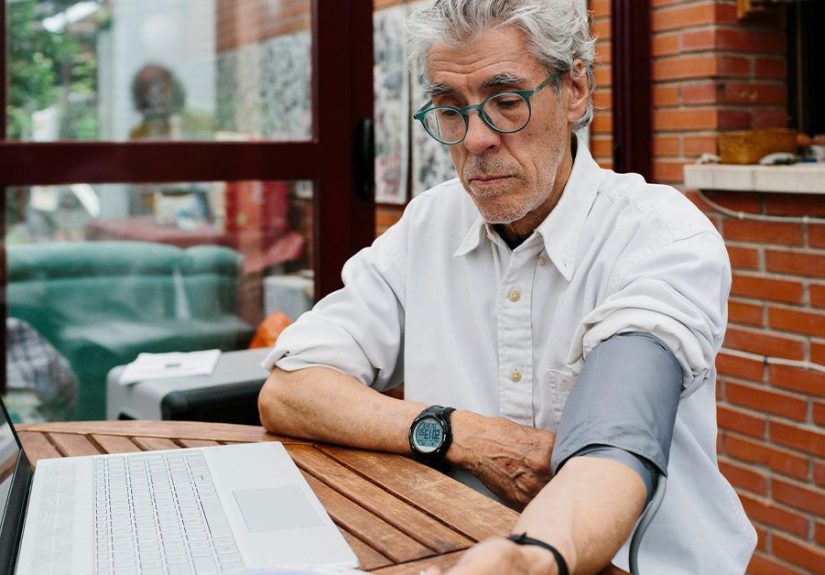
Home blood pressure monitoring can be incredibly helpful, but only if it is done correctly. A bad technique can create numbers that are more fiction than fact.
For a more accurate reading:
- Sit quietly for a few minutes before measuring
- Keep your back supported
- Place both feet flat on the floor
- Do not cross your legs
- Rest your arm at heart level
- Put the cuff on bare skin, not over clothing
- Do not talk during the reading
- Take at least two readings, about one minute apart
An upper-arm cuff monitor is generally the preferred home option. It is also smart to use a validated device and bring it to a medical appointment once in a while to compare readings. Be cautious with devices that claim to measure blood pressure through smartwatches, rings, or other unauthorized gadgets. Convenience is great. Inaccurate cardiovascular data is less charming.
When High Blood Pressure Becomes an Emergency
A severely high reading can be dangerous, especially if symptoms are present. If blood pressure is higher than 180/120 and a person has symptoms such as chest pain, shortness of breath, severe weakness, numbness, trouble speaking, back pain, or changes in vision, emergency care is needed right away.
Do not wait around hoping it magically becomes a better number because you thought happy thoughts.
So, Is High Blood Pressure in Older Age Inevitable?
No. But it is more likely, and that nuance matters.
Older age changes the blood vessels and raises the odds of hypertension. That part is real. But “more likely” is not the same as “written in stone.” High blood pressure can often be prevented, delayed, detected early, and treated successfully. The biggest mistake is assuming there is nothing to be done.
If there is a takeaway worth taping to the refrigerator, it is this: aging raises the risk, but healthy habits and proper care still shape the outcome. Your arteries may be older, but they are still taking notes.
Everyday Experiences Older Adults Commonly Have With High Blood Pressure
For many people, the experience of high blood pressure in older age does not begin with dramatic symptoms. It begins with a routine checkup, a pharmacy kiosk reading, or a nurse saying, “Let’s take that again.” That moment can feel surprisingly emotional. Some people shrug it off. Others feel nervous right away, especially if a parent had hypertension or stroke. A lot of older adults describe the same first reaction: “But I feel fine.” That is exactly why hypertension can be so tricky. Feeling normal can create a false sense of safety.
Another common experience is frustration with inconsistency. Blood pressure may look okay one day and high the next. People often wonder whether the machine is wrong, whether the coffee did it, or whether stress from a rushed morning caused the spike. In reality, all of those things can influence a reading. This is why home monitoring, done the right way and over time, can be so helpful. It shifts the conversation from one random number to a clearer pattern.
Many older adults also talk about the learning curve that comes with treatment. Someone may start a medication and then worry every time they feel tired, lightheaded, or different in any way. Others are annoyed by having to remember pills in the first place. There can be a sense of, “Great, one more thing to manage.” That reaction is understandable. But many people also say that once they settle into a routine, blood pressure care becomes less intimidating and more like any other health habit: not exciting, but worthwhile.
Food is another big part of the experience. A person may discover that the biggest sodium bombs are not the foods they expected. It is often not the occasional salty snack that causes the problem. It is the canned soup, deli turkey, bottled dressing, frozen entrée, restaurant sandwich, and “healthy” wrap that quietly pile up over the week. A lot of older adults say they thought they were eating pretty well until they started reading labels more closely. That moment can be equal parts empowering and mildly offensive.
There is also the social side. One spouse wants to cut sodium while the other wants takeout twice a week. One friend starts walking every morning and becomes an accidental motivational speaker. Someone else joins in because they do not want to be left behind. These everyday social patterns matter more than people think. Blood pressure management rarely happens in a vacuum. It unfolds in kitchens, grocery stores, family dinners, vacations, and ordinary Tuesdays.
Perhaps the most encouraging experience many older adults report is realizing that small changes can add up. A daily walk, a better home-cooked lunch, a more accurate blood pressure cuff, and actually taking medication as prescribed may not feel glamorous. But over time, those unglamorous actions can produce better numbers, more energy, and more confidence. That is the real story of blood pressure and aging. Not inevitability. Not perfection. Just the steady power of paying attention and doing the next sensible thing.
Conclusion
High blood pressure in older age is common enough to deserve respect, but not so inevitable that people should surrender to it. Age-related artery changes can push blood pressure upward, yet lifestyle choices and medical treatment still have powerful influence. The smartest approach is simple: check blood pressure regularly, take elevated readings seriously, improve daily habits where possible, and work with a healthcare professional when medication or closer monitoring is needed.
That is not a glamorous ending, but it is a useful one. And when it comes to protecting your heart, brain, kidneys, and future independence, useful beats glamorous every time.