Table of Contents >> Show >> Hide
- What Peanut Oil Actually Is (and Why That Matters)
- Peanut Oil Nutrition: Mostly Unsaturated, Still 100% Oil
- Heart Health: Peanut Oil’s Strongest Case
- The Omega-6 Question: Is Peanut Oil “Inflammatory”?
- High-Heat Cooking: Smoke Point, Stability, and the Frying Trap
- Peanut Allergy Reality Check: The Part Everyone Wants Clear
- What About Aflatoxins? Should You Be Worried About Peanut Oil Safety?
- Peanut Oil vs. Other Cooking Oils
- How to Choose Peanut Oil That Actually Supports Your Health Goals
- Who Should Be Cautious (or Skip Peanut Oil)
- So… Is Peanut Oil Healthy?
- Kitchen Stories and Real-World “Experience” (Because Life Isn’t a Lab)
Peanut oil has a PR problem. For some people, it’s “that stuff restaurants use to deep-fry everything into delicious oblivion.”
For others, it’s “seed oil,” whichdepending on your social feedeither belongs in a kitchen or in a villain origin story.
And for anyone with a peanut allergy, the words peanut and oil in the same sentence can trigger a very reasonable
“hard pass.”
Here’s the surprising truth: peanut oil can absolutely fit into a healthy dietbut it depends on
which peanut oil you’re using, how you cook with it, and what it’s replacing.
Like most nutrition debates, the real answer is not a dramatic yes/no. It’s a “yes, but…” with a side of science
and a tiny splash of common sense.
In this guide, we’ll break down peanut oil’s fat profile, heart-health potential, the omega-6 controversy,
high-heat cooking realities, allergy considerations, and how to choose the right bottlewithout turning your pantry into a chemistry lab.
What Peanut Oil Actually Is (and Why That Matters)
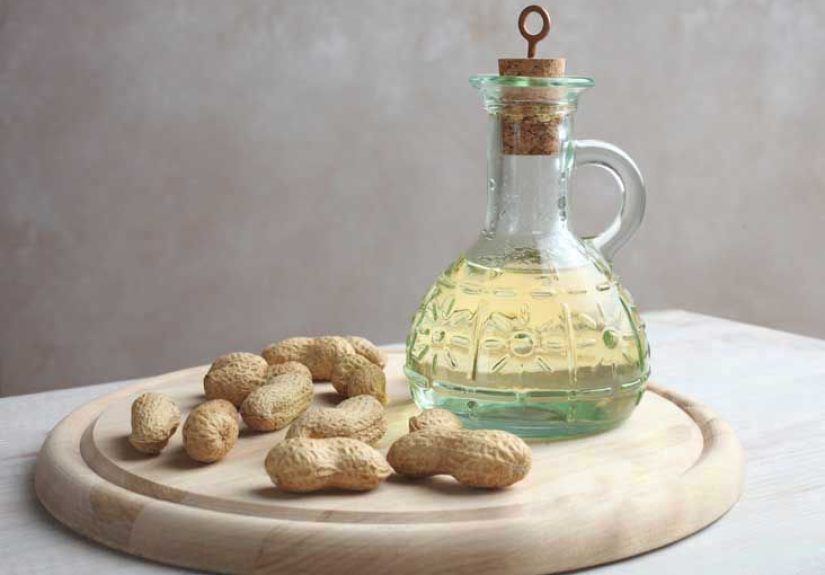
Peanut oil is pressed (or extracted) from peanuts, and it comes in a few forms that behave very differently in the real world:
Refined peanut oil (the “workhorse”)
This is the most common type used for frying and high-heat cooking. It’s been processed to remove impurities and
reduce strong flavors, which generally makes it more stable at higher temperatures and more neutral tasting.
Unrefined / cold-pressed peanut oil (the “flavor flex”)
Less processed, more peanutty. It can carry more aroma and flavorgreat when you want the oil to “show up” in the dish.
But it’s typically better for lower-heat cooking or finishing.
Roasted peanut oil (the “peanut butter’s cool cousin”)
Made from roasted peanuts, this one is bold and nutty. It’s fantastic in dressings, drizzles, noodles, and anything
that needs a toasty, snackable vibe.
The big takeaway: when people argue about whether peanut oil is healthy, they’re often talking about different products.
And yes, that’s a recipe for internet chaos.
Peanut Oil Nutrition: Mostly Unsaturated, Still 100% Oil
Let’s put numbers on the table. One tablespoon of peanut oil has about 119 calories and roughly
13.5 grams of fat. It’s mostly unsaturated fat, typically landing around:
~6 grams monounsaturated, ~4 grams polyunsaturated, and ~2–3 grams saturated.
It also contributes some vitamin E.
Translation: peanut oil isn’t a vitamin smoothie. It’s an oilmeaning it’s energy-dense. But among oils,
it leans toward the kinds of fats that many health organizations consider better choices when you’re swapping out
saturated fats like butter, lard, or coconut oil.
Why the fat type matters
Health outcomes often depend less on “fat vs no fat” and more on which fat replaces which.
Replacing saturated fats with unsaturated fats (mono- and polyunsaturated) is commonly associated with improved cholesterol patterns,
especially lower LDL (“bad”) cholesterol.
Heart Health: Peanut Oil’s Strongest Case
Peanut oil’s main selling point is its unsaturated fat profile, especially monounsaturated fats (MUFA).
MUFAs are a big reason oils like olive oil get their halo. Peanut oil isn’t olive oil, but it lives in the same neighborhood:
more MUFA than saturated fat, and far away from trans fats (assuming you’re buying pure oil, not partially hydrogenated products).
Where peanut oil shines is as a replacement fat. If peanut oil helps you cook with less butter,
less shortening, or fewer tropical oils that are higher in saturated fat, that swap can be a net win.
But here’s the fine print in size-12 font: deep frying is still deep frying.
You can use a “better” oil, and it’s still easy to end up with a meal that’s calorie-heavy because frying uses a lot of oil.
Peanut oil can be a healthier choice as an ingredient, but it can’t magically turn fried food into a salad.
(If it could, we’d all be eating fried kale donuts and calling it “wellness.”)
The Omega-6 Question: Is Peanut Oil “Inflammatory”?
Peanut oil contains a fair amount of omega-6 fatty acids, mainly linoleic acid. This is where the debate gets loud.
The internet summary usually goes something like: “Omega-6 causes inflammation, therefore peanut oil = bad.”
Real life is more nuanced.
What the research trend suggests
In human studies, increasing linoleic acid intake doesn’t consistently raise common inflammatory markers in healthy adults,
and some research even links linoleic acid to better cardiovascular outcomes when it replaces saturated fat.
That doesn’t mean “more omega-6 forever,” but it does mean the blanket “omega-6 = inflammation” claim doesn’t hold up cleanly.
The more practical issue: balance, not panic
The modern diet tends to be heavy on omega-6 and light on omega-3. So the smarter move isn’t to fear peanut oil like it’s haunted
it’s to pair your fat choices with omega-3-rich foods (fatty fish, chia, flax, walnuts) and keep overall
ultra-processed food intake in check. A stir-fry cooked in peanut oil with veggies and salmon is a very different universe
from “fried everything, three times a day.”
High-Heat Cooking: Smoke Point, Stability, and the Frying Trap
Peanut oil is popular in restaurants for a reason: it handles high heat well.
Refined peanut oil often has a smoke point around 450°F (232°C), making it a go-to for stir-frying and deep frying.
That said, “high smoke point” isn’t the only factor in how an oil behaves when heated. The longer an oil sits at high heat
(especially in repeated frying cycles), the more it can degrade and form unpleasant compoundsplus the food absorbs oil.
So peanut oil may be technically suitable for high heat, but the healthiest approach is still:
use high heat wisely, avoid burning oil, and don’t treat your fryer like a long-term relationship.
Best uses for peanut oil
- Stir-fries and sautés: high heat, quick cooking, great flavor compatibility.
- Roasting: especially when you want a subtle nutty note.
- Deep frying (occasionally): technically appropriate, but not a daily health habit.
- Dressings and sauces (roasted/cold-pressed types): where flavor matters more than smoke point.
Peanut Allergy Reality Check: The Part Everyone Wants Clear
Peanut allergies are serious, and nobody should play kitchen roulette.
But here’s an important distinction: highly refined peanut oil typically contains little to no peanut protein,
which is the part that triggers most allergic reactions.
In the U.S., highly refined oils derived from major allergens are treated differently in labeling rules because they generally
don’t contain the allergenic protein in the same way the whole food does.
However, unrefined, cold-pressed, expeller-pressed, or gourmet peanut oils may contain more residual protein
and can be riskier for people with peanut allergies.
Bottom line: if you have a peanut allergy, follow your allergist’s advice, read labels carefully,
and don’t assume all peanut oils behave the same. “Refined” versus “unrefined” isn’t a foodie preference hereit’s the main event.
What About Aflatoxins? Should You Be Worried About Peanut Oil Safety?
Aflatoxins are toxins produced by certain molds that can contaminate crops like peanuts, especially when grown or stored in warm, humid conditions.
That sounds terrifying, because it is… in the abstract.
In practice, the U.S. food system actively monitors and limits aflatoxin exposure in peanuts and peanut products through testing
and regulatory action levels. That’s part of why major commercial brands and regulated supply chains matter.
For peanut oil specifically, reputable manufacturing and refining processes are designed to remove impurities.
The practical consumer advice is refreshingly boring (which is what you want from food safety):
buy from reputable brands, store oil properly, and don’t use ancient, mystery oil that smells like a museum exhibit.
Peanut Oil vs. Other Cooking Oils
Peanut oil isn’t the only “good” oil. Think of it as one strong option in a team.
Here’s how it generally compares in everyday kitchen terms:
| Oil | Flavor | Typical best use | Health angle (big picture) |
|---|---|---|---|
| Peanut oil (refined) | Neutral to lightly nutty | Stir-fry, frying, roasting | Mostly unsaturated; great for high heat |
| Olive oil (extra-virgin) | Fruity/peppery | Dressings, sauté, finishing | MUFA + antioxidants; “daily driver” for many |
| Canola oil | Neutral | Baking, sauté, general use | Low saturated fat; versatile |
| Avocado oil (refined) | Neutral | High-heat cooking | MUFA-rich; often pricey |
| Coconut oil | Coconut-forward | Baking, specific flavors | Higher saturated fat; better as “sometimes” oil |
The healthiest oil for you depends on what you cook, your budget, your taste preferences, and what oil is replacing.
Peanut oil earns its keep when you need high heat without heavy saturated fat.
How to Choose Peanut Oil That Actually Supports Your Health Goals
1) Decide what you’re cooking
- High heat? Go refined peanut oil.
- Flavor finishing? Try roasted peanut oil in small amounts.
- Low-heat dressings? Cold-pressed can be great (unless allergy risk applies).
2) Look for “high-oleic” when possible
Some peanut oils come from high-oleic peanuts (higher in oleic acid, a monounsaturated fat).
In general, more MUFA and less PUFA can mean better oxidative stability in heat-heavy cooking.
It’s not required, but it’s a nice upgrade if you fry or stir-fry often.
3) Store it like you want it to taste good
- Keep it in a cool, dark place.
- Close the cap tightly (oxygen is not a seasoning).
- If it smells stale, paint-like, or “off,” toss it.
4) Use a “fat budget,” not a fear budget
A tablespoon or two in a pan can be part of a healthy meal.
Half a cup absorbed into battered food is a different story.
If your goal is heart health or weight management, peanut oil works best as a measured ingredientespecially in home cooking.
Who Should Be Cautious (or Skip Peanut Oil)
- People with peanut allergy: especially avoid unrefined/cold-pressed oils unless medically cleared.
- Anyone relying heavily on fried foods: oil choice helps, but frequency and portion size matter more.
- Those with very omega-3-poor diets: it’s not about banning peanut oil; it’s about improving overall fat balance.
- People with specific medical nutrition plans: follow clinician guidance for lipid targets, calories, and cooking methods.
So… Is Peanut Oil Healthy?
Peanut oil is not a superfood, and it’s definitely not a villain.
It’s a mostly unsaturated cooking oil that can be a smart choiceparticularly for high-heat cookingwhen it replaces
fats higher in saturated fat and when it’s used in reasonable amounts.
The “surprising truth” is that peanut oil’s health impact is less about the oil itself and more about the context:
the type of peanut oil, your overall diet, and whether it’s supporting real food cooking or just serving as a delivery vehicle
for deep-fried chaos.
If your meals are mostly vegetables, lean proteins, legumes, whole grains, and you use oils intentionally,
peanut oil can absolutely have a seat at the table. Just don’t let it take over the whole house.
Kitchen Stories and Real-World “Experience” (Because Life Isn’t a Lab)
Nutrition advice can get weirdly theoretical. So let’s talk about what actually happens in kitchensthose places where
good intentions go to die under the weight of “I’m starving and this pan is already hot.”
Here are some common, real-world scenarios people run into with peanut oil, and what they tend to learn the fun way.
1) The Stir-Fry Triumph (a.k.a. “Wait, my veggies taste better?”)
Many home cooks discover peanut oil when they try to recreate restaurant-style stir-fry. They crank the heat,
toss in garlic and ginger, and suddenly… the kitchen smells incredible. The reason peanut oil often “works” here
is that refined peanut oil can tolerate high heat without immediately smoking out your apartment.
That means you can get a fast sear on vegetables and proteins, which boosts flavor and texture.
The lesson most people learn: you don’t need a lot. A tablespoon or two can coat a wok or skillet just fine.
When the meal includes lots of vegetables and a sensible portion of protein, peanut oil becomes a toolnot a trap.
The stir-fry ends up tasting rich without feeling heavy, and the “healthy cooking” part comes from the whole meal,
not a magical oil halo.
2) The Deep-Fry Weekend (a.k.a. “It was peanut oil… why do I feel like a sofa?”)
Peanut oil is famous for frying, so people go all-in: chicken cutlets, fries, donuts, whatever has a pulse and can be battered.
And yespeanut oil can be a solid technical choice for frying.
But what happens next is predictable: even if you used a “better” oil, the food absorbed a lot of fat and calories.
It’s not a moral failure. It’s physics.
The lesson: frying is best treated like a special event, not a weeknight routine.
If someone loves fried food (valid), a healthier pattern usually looks like:
fry occasionally, drain well, keep portions sane, and balance the rest of the day with lighter meals.
Some people also switch the routineair-fry more often, pan-sear instead of deep-fry, or use peanut oil for quick sautés
where the oil stays mostly in the pan instead of moving into the food.
3) The Allergy Misunderstanding (a.k.a. “Refined means what, exactly?”)
Another very real scenario: someone hears “refined peanut oil is different” and assumes that means “peanut oil is safe for everyone.”
Then they see a fancy bottle labeled “cold-pressed” or “gourmet” and think it’s just marketing.
But “unrefined” can mean more peanut compounds remainpotentially including proteinswhich matters a lot for people with allergies.
The lesson: words on labels aren’t just vibes.
If there’s a peanut allergy in the household (or among guests), the safest move is to avoid peanut oil unless a clinician has given clear guidance.
And if you’re cooking for others, it’s worth askingbecause nobody wants dinner to come with emergency room side quests.
4) The “Seed Oil Panic Scroll” (a.k.a. “My algorithm says this is poison”)
Plenty of people encounter peanut oil through the seed oil debate.
They see claims that omega-6 fats automatically equal inflammation and disease, and suddenly they’re staring at their pantry like it’s evidence in a trial.
What often helps is stepping back and looking at the whole diet.
If most fats are coming from fast food, chips, and ultra-processed snacks, swapping oils won’t fix the pattern.
But if someone is cooking at home, eating plenty of whole foods, and using peanut oil in reasonable amounts,
the fear often doesn’t match the reality.
The lesson: focus on what’s consistent and controllablemore whole foods, fewer ultra-processed calories, balanced fat sources,
and cooking methods that don’t turn every meal into a deep-fried festival.
Peanut oil can fit into that picture just fine.