Table of Contents >> Show >> Hide
- Why the BB.03.01 Still Stands Out
- The Design DNA Behind the Piece
- Size, Scale, and Why the Proportions Matter
- Where the BB.03.01 Works Best
- How to Style It Without Overcooking the Room
- Why Designers and Collectors Keep Returning to Lindsey Adelman
- Is the BB.03.01 a Good Fit for Your Home?
- Experiences of Living With a Piece Like the BB.03.01
- Final Thoughts
Some light fixtures illuminate a room. Others arrive like they pay rent there. Lindsey Adelman’s BB.03.01 chandelier belongs firmly in the second category. It is part of the celebrated Branching Bubble universe, a collection that helped turn Adelman into one of the most recognizable names in American lighting design. And no, that is not design-world exaggeration talking after two espressos. It really is that influential.
The BB.03.01 has the kind of presence that makes people look up mid-sentence and forget what they were saying. Was it “pass the salad”? Was it “should we refinish the floors”? Nobody knows. The chandelier has already stolen the scene. That theatrical quality is exactly why the piece still matters in conversations about luxury lighting, sculptural chandeliers, and statement-making interiors.
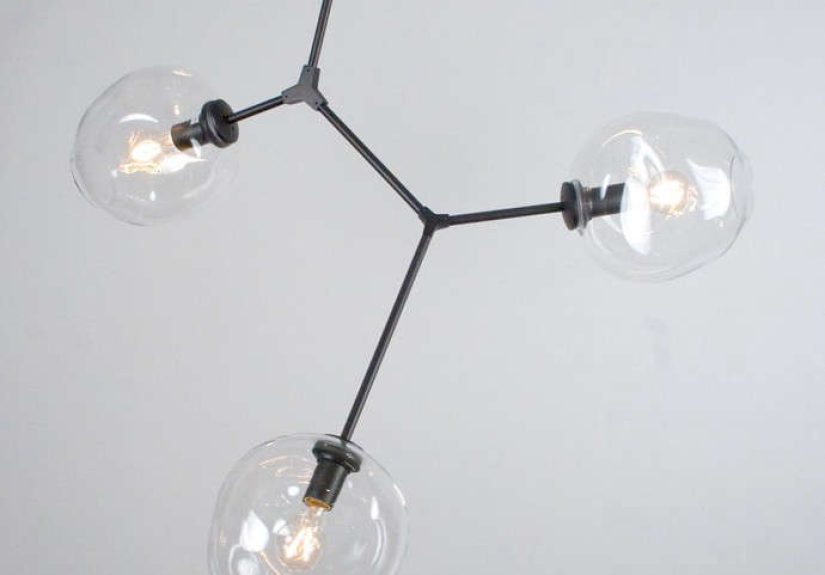
What makes this model especially interesting is that it does not rely on sheer size to feel important. Historically listed at roughly 42 inches high, 37 inches wide, and 20 inches deep, the BB.03.01 is not trying to impersonate a hotel lobby. It is doing something smarter: delivering the drama of a modern chandelier in a footprint that feels more agile, more design-savvy, and more realistic for actual homes. In other words, it is the rare showpiece that can still behave itself indoors.
Why the BB.03.01 Still Stands Out
Lindsey Adelman’s work became iconic because it balances opposites without making a fuss about it. The Branching Bubble line mixes blown-glass softness with engineered metal structure. One part looks organic, almost accidental. The other part looks measured, deliberate, and industrial. Put them together and you get visual tension that feels alive rather than messy.
That balancing act is the secret sauce behind the BB.03.01. It is glamorous, but not syrupy. It is sculptural, but not so precious that it stops functioning as lighting. It feels luxurious without lapsing into the design equivalent of someone shouting, “Please notice my expensive taste!” from across the room.
In practical terms, this chandelier works because it offers three things people want from premium lighting: shape, atmosphere, and identity. Shape gives the room an overhead composition. Atmosphere softens hard architectural lines. Identity tells guests, very politely, that somebody in this house knows the difference between a fixture and a feature.
The Design DNA Behind the Piece
Branching Bubble as a Design Language
The BB.03.01 makes more sense when viewed as part of the wider Branching Bubble family. That series helped establish Adelman’s studio signature after the line debuted in 2006. The broader collection is known for drawing inspiration from natural branching structures while using machined components and hand-blown glass to create a tension between the wild and the precise. That is a fancy way of saying it looks a bit like nature got a metalworking degree.
Unlike generic globe chandeliers that simply attach round shades to arms and call it innovation, Branching Bubble fixtures feel arranged rather than assembled. The arms, angles, and globes tend to create a visual rhythm. Your eye travels through the piece the way it would through a mobile, a branch system, or a well-composed sculpture. Even in a smaller configuration like the BB.03.01, that sense of movement matters.
Materials That Carry the Mood
Within the Branching Bubble collection, brass structural elements and hand-blown glass have long been central to the look. The metal brings discipline. The glass introduces warmth, reflection, and that lovely little sense that the light source is floating rather than merely hanging there. Some versions in the family have also appeared in different finishes and glass options, which is part of what has made the collection so adaptable across interiors ranging from strict modernism to softer, layered luxury.
For the BB.03.01, that material story is a huge part of the appeal. Brass keeps the composition from feeling flimsy. Glass prevents it from turning into a harsh metal diagram on your ceiling. The result is a hand-blown glass chandelier that feels elegant from a distance and fascinating up close.
Size, Scale, and Why the Proportions Matter
One reason people remain obsessed with Lindsey Adelman lighting is that the fixtures solve a classic decorating headache: how to make overhead lighting feel sculptural without overwhelming the room. The BB.03.01 lands in a sweet spot. Its approximate 42-by-37-by-20-inch dimensions suggest a compact statement piece rather than an everything-bagel chandelier with no concept of restraint.
That makes it especially appealing for dining areas, boutique-style breakfast nooks, refined entryways, and living rooms where the ceiling needs personality but not a Broadway revival. In smaller rooms, a massive chandelier can feel like a hovering threat. In larger rooms, a tiny fixture disappears like a shy intern. The BB.03.01 avoids both mistakes by offering shape and attitude without visual sprawl.
Historically, the model was listed at $6,600, with possible glass upcharges. For luxury lighting, that positions it in an interesting place. It is unquestionably an investment piece, but it also sits far below the sky-high pricing of many larger branching or multi-globe compositions. So while nobody would call it “budget-friendly” with a straight face, it can be seen as an entry point into collectible design lighting.
Where the BB.03.01 Works Best
Dining Rooms
This is probably the chandelier’s most natural habitat. A dining room wants a focal point that feels deliberate, a little ceremonial, and flattering after sundown. The BB.03.01 does all three. It hovers beautifully over a rectangular or rounded table, especially when the rest of the room is composed with restraint. Think wood, stone, plaster, bouclé, linen, or leather rather than twelve competing statement pieces screaming for attention.
Entryways
If your entryway has enough vertical space, this chandelier can set the tone before the furniture even gets a chance. That is useful because entry halls often rely on a mirror and a console table to do all the heavy lifting. Add a sculptural chandelier and suddenly the space has hierarchy. It says, “Welcome in,” but with better posture.
Living Rooms and Design-Led Corners
In a living room, the BB.03.01 works best when the ceiling fixture is allowed to function almost like suspended art. It pairs especially well with interiors that already have clean architectural bones and need something organic to soften them. It can also bridge styles: midcentury, contemporary, organic modern, soft minimalist, and collected eclectic rooms all have enough room in the aesthetic group chat for this piece.
How to Style It Without Overcooking the Room
The chandelier is expressive enough that the room around it should not be auditioning for a separate lead role. Keep the architecture and furniture grounded. Natural wood, matte stone, textured plaster, smoky tones, cream upholstery, and brushed metal accents tend to complement this kind of fixture beautifully.
If you go too flashy everywhere else, the room starts to feel like a jewelry box that developed a caffeine problem. Better to let the chandelier provide the sparkle while the rest of the space handles comfort, texture, and depth.
Another smart move is to repeat its logic rather than its exact form. If the BB.03.01 brings curves and branching lines overhead, echo those ideas subtly with rounded chairs, soft-edge tables, or artwork that uses movement rather than rigid geometry. That makes the room feel cohesive without becoming overly matchy. Nobody wants a home that looks like a chandelier exploded into a catalog.
Why Designers and Collectors Keep Returning to Lindsey Adelman
There are plenty of beautiful chandeliers in the world. There are fewer that feel like they shifted the vocabulary of decorative lighting. Lindsey Adelman’s work is repeatedly featured in high-end interiors because it manages to be emotionally warm and visually rigorous at the same time. The fixtures are glamorous, yes, but they are also thoughtful. They have a point of view.
The BB.03.01 reflects that legacy in a particularly accessible way. It captures the essence of the Branching Bubble chandelier without requiring the footprint, ceiling height, or budget of a sprawling custom installation. For homeowners and designers who want authentic collectible lighting with a recognizable lineage, that matters.
It also helps that the Branching Bubble family has aged well. Some “statement” fixtures date themselves in five years and end up looking like a trend report that lost custody of its confidence. Adelman’s branching compositions have remained relevant because they are rooted in materiality and form, not gimmick. They still look fresh because they were never chasing novelty alone.
Is the BB.03.01 a Good Fit for Your Home?
If your taste leans toward sculptural lighting, modern chandeliers, hand-crafted details, and interiors with a refined but slightly rebellious edge, yes. The BB.03.01 is a strong contender. It is especially compelling for people who want a statement light fixture that feels artistic rather than merely upscale.
It may not be the right fit if you prefer highly traditional crystal chandeliers, ultra-minimal invisible lighting, or spaces where the ceiling fixture should politely disappear. The BB.03.01 is not interested in disappearing. It would like to be noticed, appreciated, and probably photographed in flattering evening light.
But if you want a chandelier that can make a room feel more curated, more dimensional, and more unmistakably yours, it earns its reputation. The real charm lies in how it transforms a ceiling plane from dead space into active composition. That is what great lighting does: it changes not just brightness, but the entire feeling of a room.
Experiences of Living With a Piece Like the BB.03.01
Living with a chandelier like Lindsey Adelman’s BB.03.01 is less about owning a light and more about living under a mood. During the day, the fixture reads as sculpture first. Sunlight hits the glass, drifts across the metal, and turns the whole composition into something almost atmospheric. It does not shout for attention every minute, but it never stops contributing. Even when switched off, it still earns its keep.
At night, the experience changes. The room feels gathered. That is the best word for it. Gathered. A dining table becomes more intimate. A conversation corner feels more intentional. A once-plain ceiling suddenly participates in the room instead of just existing above it like drywall with commitment issues.
People also tend to interact differently in spaces with distinctive lighting. Guests look up. They ask questions. They pause. In a world where so many interiors blur together, that pause is valuable. It means the room has character. And character is often what separates a pretty home from a memorable one.
There is also a subtle emotional effect that good decorative lighting brings. Soft globes and reflective materials can make an interior feel calmer without becoming sleepy. The BB.03.01 has that ability. It creates glow, not glare. It frames the room without flattening it. It can make weeknight takeout feel slightly more sophisticated, which is honestly the kind of design service we should all respect.
From a styling perspective, living with a fixture like this encourages better editing. Once something overhead has that much personality, the rest of the room usually improves because you stop adding random things. You choose fewer objects, but better ones. You care more about sightlines. You notice how materials speak to one another. Suddenly the room has standards, and somehow the chandelier became management.
There is a practical side, too. A sculptural chandelier often becomes the anchor that helps justify an otherwise simple room. You do not need overly ornate chairs, a dramatic wallpaper, and ten layers of accessories when the lighting already provides complexity. That can actually save a space from overdesign. The BB.03.01 makes a convincing case for doing less elsewhere.
And then there is the long-term experience. The best design pieces reveal different qualities over time. One month you appreciate the silhouette. Later you become obsessed with the way the glass reflects candlelight. Then you notice how beautifully it photographs during winter afternoons or how well it balances a dark wall color. Pieces like this do not become boring quickly because they contain enough material richness and asymmetrical charm to keep rewarding attention.
That may be the strongest argument for the BB.03.01. It is not just trendy overhead décor. It is the kind of object that can quietly shape the daily experience of a room for years. You live under it, around it, and with it. And over time, it becomes part of how the space feels in your memory. That is the difference between decoration and design. Decoration fills a room. Design leaves a trace.
Final Thoughts
Lindsey Adelman’s BB.03.01 chandelier remains compelling because it distills everything that made the Branching Bubble collection so influential: organic inspiration, engineered structure, hand-blown glass, and a silhouette that turns lighting into visual theater. It is refined but never dull, expressive but still useful, and luxurious without becoming cartoonishly precious.
For anyone drawn to modern chandelier design, collectible lighting, or interiors with genuine point of view, the BB.03.01 is more than a beautiful object. It is a lesson in how a ceiling fixture can change the emotional architecture of a room. Which is a dramatic sentence, yes, but in this case, thoroughly deserved.