Table of Contents >> Show >> Hide
- What the T8003 Is (and Who It’s For)
- Key Specs at a Glance
- What “Touchtronic” Actually Means in Real Life
- Performance: Drying Speed, Heat Control, and Clothing Care
- The Honeycomb Drum: More Than a Fancy Pattern
- Cycle Strategy: How to Get the Best Results
- Installation and Venting: The Make-or-Break Details
- Maintenance: How to Keep It Running Like a Miele (Not Like a Drama)
- Buying the T8003 Today: New vs. Used Reality
- How It Compares to Modern Compact Dryers
- FAQs
- Bottom Line: Is the T8003 Still Worth It?
- Real-World Experiences: What Living With the Miele T8003 Feels Like (About )
- SEO Tags
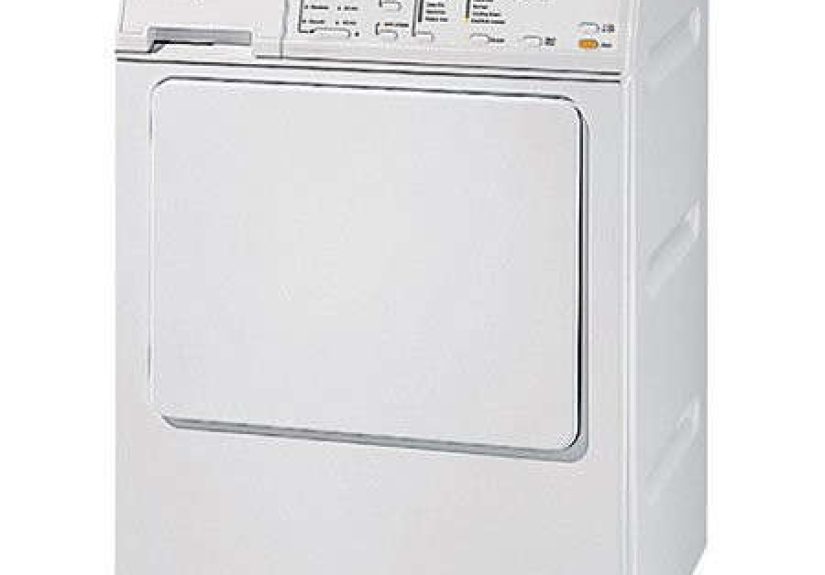
If you’ve ever stood in front of a dryer that treats your favorite T-shirt like it owes the machine money, you’ll understand the appeal of Miele’s old-school (but very smart) approach: dry clothes thoroughly, gently, and with fewer “surprises” when you pull them out. The Miele Touchtronic Vented White Electric Dryer T8003 is a compact, vented, 240V electric dryer built for people who want premium fabric care in apartments, condos, tight laundry closets, and stacked setupswithout giving up the familiar simplicity of a vented exhaust.
Even though the T8003 is now discontinued, it still pops up on the secondhand market and in “classic Miele” laundry conversations. This guide breaks down what the T8003 is, what it does well, what to watch out for, and how to decide whether it’s the right compact dryer for your home today.
What the T8003 Is (and Who It’s For)
The T8003 is a 24-inch vented electric dryer with Miele’s Touchtronic control systemessentially a brainy controller that manages temperature and dryness so your clothes aren’t baked into sadness. It’s designed to pair with Miele’s compact washers and to work beautifully in stacked or undercounter installations.
You’ll probably love it if you:
- Have limited space but still want a high-quality dryer that doesn’t feel like a “tiny compromise machine.”
- Dry lots of delicates, knits, athleisure, or office wear and care about reducing shrinkage and wear.
- Prefer a vented dryer for faster moisture removal (and you have proper venting available).
- Want a premium compact laundry setup with clean design and practical cycle logic (not 97 button combos that require a PhD).
You may want to think twice if you:
- Need ventless drying (for buildings where venting is impossible).
- Regularly dry king-size comforters and huge loadscompact capacity is still compact.
- Want the newest features like modern app integrations and today’s heat-pump efficiency (the T8003 comes from an earlier era).
Key Specs at a Glance
Let’s talk measurements and requirementsbecause nothing ruins “new dryer day” like discovering you bought a sports car for a bicycle lane.
Dimensions and footprint
- Width: about 23 1/2 inches
- Depth: about 22 1/2 inches
- Height: about 34 1/8 inches (leveling feet and installation can affect exact height)
- Format: compact/24-inch class, stackable
Electrical and venting
- Power: 208/240V electric
- Amperage: 30A
- Plug/outlet style: commonly noted as NEMA 14-30 configuration in documentation
- Venting: vented exhaust with flexible installation options depending on setup
Programs and core features
- Pre-set drying programs: 8
- Sensor drying: yes (moisture monitoring to help avoid overdrying)
- Drum: stainless steel honeycomb-style drum design
- Options: Turbo, Gentle, Anti-crease (varies by program)
- Extras: interior light, child lock, self-diagnostics, fault indicators, buzzer on/off
What “Touchtronic” Actually Means in Real Life
Touchtronic is Miele’s way of saying: “Let the dryer think, so you don’t have to.” Instead of only running a timed blast of heat, the system monitors progress and adjusts to reach a target dryness level more precisely.
In practical terms, this can mean:
- Fewer crispy collars and fewer “why does this towel feel like toast?” moments.
- More consistent results between loads, especially when you mix fabric types carefully.
- Better fabric longevity compared with overly hot, overly long cycles.
It’s not magicloading, spinning, and sorting still matterbut it’s a noticeable step up from basic compact dryers that behave like a space heater with a drum attached.
Performance: Drying Speed, Heat Control, and Clothing Care
A vented dryer like the T8003 generally shines at one job: moving moist air out of the machine and out of your living space. If your vent run is short and properly installed, you’ll usually get solid drying performance for a compact unit.
Drying speed (what to expect)
Don’t compare it to a full-size 7.4 cu. ft. dryer that could dry a parachute. Compare it to other 24-inch compact dryers. In that world, the T8003 is often viewed as a strong performerespecially for everyday loads like:
- work shirts and pants
- gym gear
- towels and linens (within reason)
- delicates that need lower heat
Heat control and “not frying your clothes”
This is where Miele’s reputation tends to show up. The cycle design and sensor-driven approach aim to reduce overdrying, which is a major contributor to shrinkage, fading, and fabric breakdown over time.
Wrinkle management: Anti-crease
Anti-crease is basically your dryer saying, “I know you’re busy, but I’m not letting this load become a wrinkled origami project.” If you don’t unload right away, the drum will periodically tumble to help minimize set-in wrinkles. It’s not a steam cycle, but it’s genuinely helpful for real life.
The Honeycomb Drum: More Than a Fancy Pattern
Miele’s honeycomb-style drum design is meant to create a thin cushion of air between fabrics and the drum surface. The goal is gentler movement, less abrasion, and fewer “why does my sweater look fuzzy?” regrets.
In everyday use, this usually translates to:
- Less snagging than rougher drum designs (especially on delicate blends)
- Smoother tumbling so lightweight items don’t get beaten up as easily
- Better overall garment care when paired with appropriate cycles and options
Cycle Strategy: How to Get the Best Results
You don’t need to memorize a manual to use the T8003 well. But a few smart habits will make it feel like a luxury dryer instead of “an expensive box that sometimes dries pants weirdly.”
1) Spin speed is your secret weapon
If your washer can spin fast, use it. More water removed before drying means shorter drying time, less energy, and less heat exposure.
2) Sort by fabric weight (not just color)
Mixing heavy towels with lightweight tees is how you get a load that’s both overdried and underdried at the same timean impressive feat, honestly. Keep similar fabric weights together when possible.
3) Use Turbo strategically
Turbo is for sturdy fabrics and faster turnaround. Great for towels, denim, and cotton basicsless great for anything you’d describe as “delicate,” “stretchy,” or “I paid too much for this.”
4) Gentle is your “save my clothes” button
Gentle lowers heat and slows things down. Your clothes will thank you, even if they can’t speak. (If your clothes can speak, please stop buying haunted laundry baskets.)
5) Don’t overstuff
Compact dryers need airflow. When overloaded, items can’t tumble freely, moisture can’t escape evenly, and the machine has to work harder to reach dryness targets.
Installation and Venting: The Make-or-Break Details
A vented dryer is only as good as its venting setup. If the vent is long, crushed, clogged, or routed like a spaghetti sculpture, you can expect longer dry times and more frustration.
Best practices (general guidance)
- Keep the vent run as short and straight as possible.
- Use proper rigid or semi-rigid ducting where recommended by local code and installer guidance.
- Avoid kinks and sharp bends that trap lint and restrict airflow.
- Clean the vent regularlynot just the lint filter.
Also, confirm your electrical setup before purchase, especially if you’re buying used. The T8003 commonly calls for a 30A, 208/240V configuration, and mismatched wiring is not the kind of “surprise” anyone wants.
Maintenance: How to Keep It Running Like a Miele (Not Like a Drama)
Clean the lint filter every load
This is the simplest way to protect performance and safety. It also helps preserve drying speed and energy use.
Check the vent path on a schedule
Even a well-installed vent can accumulate lint over time. A periodic vent inspection/cleaning is smartespecially if drying time starts creeping upward.
Pay attention to warning indicators
The T8003 includes fault indicators and self-diagnostic logic. If something feels “off,” don’t ignore it and hope the dryer learns manners on its own.
Buying the T8003 Today: New vs. Used Reality
Because the T8003 is discontinued, most buyers encounter it through resale listings, appliance outlets, or inherited laundry setups. That changes the decision-making process.
What to check when buying used
- Serial number and service history: if available, ask the seller or service provider for documented maintenance.
- Vent condition: a dryer can be “fine” while the vent is the real culprit behind poor performance.
- Door seal and latch feel: a solid close matters for airflow and noise control.
- Drum condition: look for dents, rough spots, or anything that could snag fabrics.
- Confirm electrical compatibility: outlet type and circuit rating should match requirements.
Also consider parts availability and local technician familiarity. Miele products are premium machines; getting the most out of them often means using qualified service when needed.
How It Compares to Modern Compact Dryers
The compact laundry world has shifted toward heat-pump and ventless condenser models, especially where energy efficiency and flexible installation matter. The T8003 stays in the “classic vented” lane.
T8003 advantages
- Vented simplicity: moisture exits the home through the vent (good for drying speed when venting is ideal).
- Premium garment care focus: sensor drying + gentle design choices.
- Compact stacking compatibility: great for space-limited laundry setups.
Where newer models may win
- Energy efficiency: modern heat-pump dryers can use less energy, especially in ventless setups.
- Newer controls and features: modern interfaces, smarter diagnostics, and updated program libraries.
- Availability and support: buying new means warranty coverage and easier parts sourcing.
FAQs
Is the Miele T8003 a good dryer for an apartment?
It can be an excellent apartment dryer if you have proper venting and the correct 240V electrical supply. Its compact footprint and stackable design are apartment-friendly, but venting is the key requirement.
Does the T8003 have steam drying?
Nothis model is typically listed without a steam cycle. It relies on program design, sensor logic, and options like Anti-crease to help manage wrinkles.
How big is “large capacity” in a compact dryer?
Compact “large capacity” is relative. In listings, the T8003 is often described around the 3.8 cu. ft. range, which is roomy for a 24-inch class dryer but still smaller than most full-size machines.
What’s the biggest mistake people make with compact dryers?
Overloading and ignoring vent health. Compact machines depend heavily on airflow and reasonable load sizes to deliver consistent, efficient drying.
Bottom Line: Is the T8003 Still Worth It?
If you find a well-maintained unit, have proper venting, and want premium compact fabric care, the Miele Touchtronic Vented White Electric Dryer T8003 can still be a standout. It’s not chasing modern buzzwords; it’s focused on controlled drying, thoughtful program design, and treating your clothes like they’re going to be worn more than twice.
Just go in with eyes open: it’s discontinued, you’ll likely be buying used, and installation requirements matter. Nail those pieces, and the T8003 can deliver that quietly satisfying kind of laundry experiencewhere your clothes come out dry, comfortable, and not mysteriously smaller.
Real-World Experiences: What Living With the Miele T8003 Feels Like (About )
When people talk about “the Miele difference,” they’re usually not bragging about drying a load in 11 minutes like it’s an Olympic event. The real-world experience tends to be more about predictability and clothing carethe kind of things you only appreciate after you’ve owned a dryer that treats everything like it’s made of denim and emotional resilience.
In day-to-day use, owners often describe the T8003 as the dryer they stop thinking aboutwhich is honestly the highest compliment you can give an appliance. You load it, choose a sensible program, and you’re not playing the classic game of “Are my jeans still damp, or is that just my disappointment?” The sensor-based approach helps reduce those frustrating outcomes where one corner of the load is bone-dry while another is still holding onto moisture like a security blanket.
One common “aha” moment is realizing how much washer spin affects the experience. Paired with a high-spin compact washer, the T8003 feels faster and more efficient because it’s starting with laundry that’s already shed a lot of water. That means less heat exposure and fewer long cyclesboth of which can help clothes last longer. People who wash lots of activewear, delicates, or office basics often notice that items come out feeling less “cooked” compared with bargain dryers that run hot and hard by default.
The Anti-crease option tends to become a quiet favorite for real life. Not everyone unloads laundry the second the buzzer goes offbecause people have jobs, kids, phone calls, doorbells, and occasionally a desire to sit down. Anti-crease can make the difference between pulling out a shirt that needs a quick shake and pulling out a shirt that looks like it spent the afternoon folded inside a shoe.
On the flip side, the compact format shapes expectations. If you’re used to stuffing a full-size dryer with oversized bedding and three days of towels, the T8003 will gently but firmly teach you the art of smaller loads. The good news is that smaller loads often tumble better and dry more evenlyso the machine feels “smart.” The bad news is you may do laundry a bit more frequently if you’re managing a bigger household.
Buying used adds another layer to the experience. Many people who have a great T8003 story also have a great “we checked the vent and cleaned everything first” story. Vented dryers are unforgiving about airflow. When the vent is clean and properly routed, drying feels smooth and consistent. When the vent is restricted, even a premium machine can feel sluggish. The practical takeaway: if you want the best day-to-day experience, treat vent maintenance like a basic household habitright up there with replacing smoke detector batteries and pretending you’re going to organize the garage “this weekend.”
Overall, the lived-in experience of the T8003 is less about flashy features and more about a steady, reliable rhythm: clothes that dry thoroughly, fewer fabric-care regrets, and a machine that feels like it was designed by adults who do laundry, not by chaos gremlins with a heat dial.