Table of Contents >> Show >> Hide
- Las Vegas Learns to Market the Unthinkable
- Dawn Bomb Parties: The Most Vegas Sentence Ever Written
- Miss Atomic Bomb: A Photo That Captures the Whole Era
- Nuclear Glitz: How the Bomb Became a Brand
- Why the Miss Atomic Bomb Story Still Matters
- Bonus: A Modern “Atomic Vegas” Experience (About )
- Conclusion: Glitter, Memory, and the Shadow Behind the Spotlight
- SEO Tags
Imagine a place where the nightlife is loud, the neon is brighter than good judgment, and the horizon occasionally lights up like the universe just got a flash photograph taken. That was Las Vegas in the 1950s: a boomtown with a talent for selling fantasiesplus one very real, very radioactive spectacle happening about an hour’s drive away. The city didn’t just live alongside the Atomic Age. It put on eyeliner, slipped into sequins, and gave the bomb a showgirl’s smile.
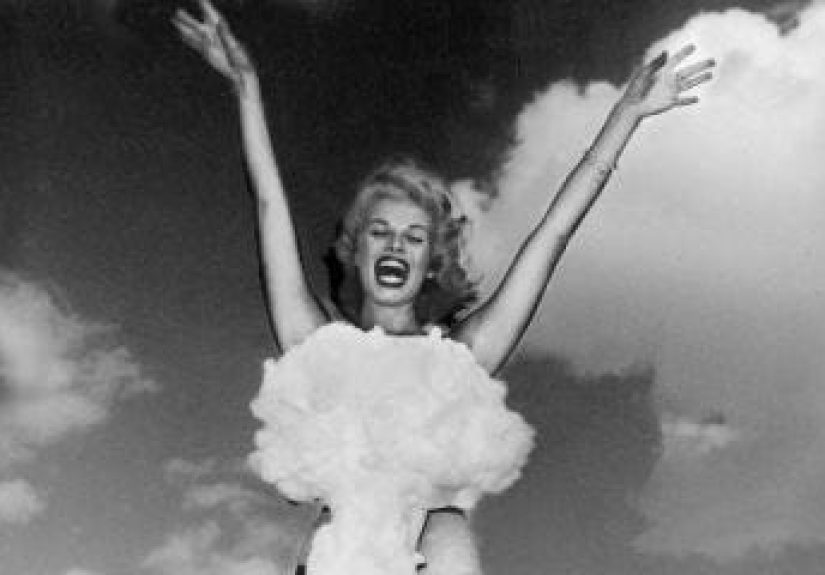
If you’ve ever seen the famous photograph of a beaming dancer in a fluffy mushroom-cloud costumearms raised as if she’s presenting the sky itself like a stage you’ve met “Miss Atomic Bomb.” The image is funny at first glance, then strange, then haunting, like a joke that slowly realizes it’s standing in the shadow of history. And that’s the point: 1950s Las Vegas mastered a very specific kind of magicturning fear into spectacle, and spectacle into a room rate.
Las Vegas Learns to Market the Unthinkable
The desert test site that changed the skyline
Nuclear testing in Nevada began in a way that now feels impossible to hold in your head: the first atmospheric nuclear test at the Nevada Test Site (today’s Nevada National Security Site) was detonated on January 27, 1951code-named “Able.” From that point through July 1962, the site hosted 100 atmospheric tests, and later hundreds more underground tests, continuing until the last underground detonation on September 23, 1992 (“Divider”). The era of aboveground blasts was later curtailed after the Limited Test Ban Treaty was signed on August 5, 1963, pushing testing underground and, eventually, out of public view.
For Las Vegasroughly 65 miles awaythis wasn’t just geopolitics. It was visibility. The mushroom clouds were sometimes seen from town, shimmering at dawn beyond the desert like a terrifying sunrise. In the 1950s, when the Strip was still growing into its legend, the bomb became a strange kind of backdrop: not a metaphor, not a rumoran actual event you could schedule around.
When the Chamber of Commerce hands you a blast calendar
Las Vegas did what Las Vegas does: it built a party around it. The Las Vegas Chamber of Commerce issued calendars for tourists that listed scheduled detonation times and suggested viewing locationsturning national security into an itinerary item. This wasn’t subtle. It was tourism with a stopwatch and a martini glass.
To modern ears, that sounds like a plotline from a dark comedyexcept the comedy part is optional and the darkness is real. But the 1950s were steeped in contradictions: optimism and dread, consumer abundance and Cold War anxiety. Las Vegas simply turned that national mood into a local business model.
Dawn Bomb Parties: The Most Vegas Sentence Ever Written
Midnight cocktails, sunrise flash
“Dawn Bomb Parties” were exactly what they sound like: late-night gatherings that built toward a scheduled nuclear detonation. According to PBS’s American Experience, on the eve of detonations, Las Vegas businesses hosted parties that began around midnight and lasted until the blast’s flash lit up the sky. If you’re wondering whether that’s a healthy coping mechanism, the 1950s would like to remind you that nobody asked.
Hotels and casinos leaned in. Rooftops and pool decks became front-row seats. Some venues leaned so hard into the theme they practically needed a back brace: atomic-themed drinks, special viewing lounges, “blast” promotionsthe whole city performed enthusiasm with the confidence of a headliner. Even regional PBS reporting has described the “atomic cocktail” culture around these events at multiple casinos and rooftop bars.
The rooftop bar that took “watching the show” literally
Downtown’s Atomic Liquors became part of the mythologyone of those places where history clings to the signage. Accounts of the era describe rooftop service added so patrons could sip “atomic cocktails” while watching distant blasts. It’s both perfectly on-brand and profoundly unsettling: a city famous for entertainment treating nuclear detonations like a new act on the bill.
Meanwhile, photographers documented the phenomenon like it was a festival. Images of people in swimsuits watching mushroom clouds look surreal now, like postcards from a timeline that shouldn’t exist. But it didand it was heavily promoted. The Las Vegas News Bureau would later preserve “Atomic History” photo collections showing how the city marketed these tests.
Miss Atomic Bomb: A Photo That Captures the Whole Era
The costume: kitsch meets catastrophe
The “Miss Atomic Bomb” image is a masterclass in mid-century visual contradiction: a showgirl posed in heels, wearing a mushroom-cloud-shaped costume, smiling as if she’s presenting the future. The photo dates to 1957, when Las Vegas was actively promoting atomic tourism and the nearby test series that became part of daily conversation.
The costume itself is the punchline and the warning label. It’s playful, even adorable, in a way that makes your brain do a double-take. That double-take is where the meaning lives: the image shows how quickly a society can turn the unimaginable into décor.
The photographer and the promotional machine
The photo was taken by Don English, a photographer associated with the Las Vegas News Bureaua promotional outfit that helped craft the city’s public image. And that matters, because “Miss Atomic Bomb” wasn’t some random moment caught on a tourist’s camera; it was part of an intentional visual story about Las Vegas. The Atomic Museum has described the image as arising from the city’s over-the-top promotional embrace of atomic testing in that period, tied to publicity around 1957’s Operation Plumbbob.
Promotional photography has a special power: it doesn’t just record what happenedit tells you how you’re supposed to feel about what happened. In 1950s Vegas, the message was essentially: “Yes, the world is complicated, but lookthere’s a cocktail, a chorus line, and a sunrise you’ll never forget.” It’s emotional direction, delivered with a smile.
The woman behind the mushroom cloud
For decades, the identity of “Miss Atomic Bomb” was muddyone of those pop-culture mysteries that feels trivial until you realize it’s about a real person. In 2025 reporting, the Associated Press described the long search by Las Vegas historian Robert Friedrichs, culminating in the identification of the woman as Anna Lee Mahoney (who performed under a stage name associated with the image). She danced at the Sands and later worked as a mental health counselor; she died in 2001.
That detailshowgirl to counseloradds depth to what might otherwise stay a novelty photo. It reminds you the Atomic Age wasn’t just a vibe or an aesthetic; it was ordinary people making lives inside a culture that glamorized the unglamorable. The Atomic Museum’s work around the image emphasizes this deeper context: showgirl culture, media spectacle, and the city’s atomic-era branding all braided together.
Nuclear Glitz: How the Bomb Became a Brand
“Atomic City” and the aesthetics of confidence
Las Vegas was growing fast in the 1950s, and it sold confidence like a premium upgrade. Atomic tourism fit into a broader mid-century American optimism: technology would save us, science would dazzle us, and the future would be delivered in glossy color. Even Smithsonian programming has noted how Las Vegas promoted nuclear tests as tourism during this decade, feeding into the city’s rapid growth and spectacle economy.
The “atomic” label traveled everywherecocktails, souvenirs, themed events, photos, and publicity language that treated the test site as an attraction. You can almost hear the marketing copy: “Come for the slots, stay for the apocalypse-adjacent sunrise.” Ridiculous? Yes. Effective? Also yes.
The moral hangover: fallout doesn’t stay on schedule
Here’s the part the party posters didn’t emphasize: health risk, environmental impact, and the communities downwind. Historical summaries of the Nevada Test Site note that many residents didn’t understand the risks in the 1950s, and that fallout exposure later became a serious concern. National Geographic has documented the broader legacy of U.S. nuclear testing and its human costs near test sites, underscoring that “spectacle” and “collateral damage” were often intertwined.
The National Park Service’s discussion of “downwinders” in Manhattan Project contexts highlights long-term health harms connected to nuclear activities, reinforcing a key truth about the Atomic Age: the consequences were slow, uneven, and frequently ignored until they couldn’t be. In other words: the blast might last seconds, but the story doesn’t.
That tensionglitz versus gravityis why “Miss Atomic Bomb” still lands with such force. She’s not just a clever costume. She’s a snapshot of a culture trying to dance on the edge of dread without looking down.
Why the Miss Atomic Bomb Story Still Matters
Because spectacle is never “just” spectacle
It’s tempting to treat atomic-era Vegas as a bizarre footnote: “Ha! People used to watch nukes like fireworks.” But that’s too easy, and frankly, a little dishonest. The real lesson is how quickly humans normalize what frightens themespecially when normalization is profitable.
“Miss Atomic Bomb” captures the moment when a society’s biggest fear became a brand aesthetic. That doesn’t mean the people involved were villains. It means they were human: curious, anxious, eager for distraction, and living in a time when the future felt both thrilling and terrifying.
Because history deserves names, not just images
There’s also something quietly important about identifying Anna Lee Mahoney after so many years. Pop culture is full of iconic women reduced to nicknames, silhouettes, and rumors. Putting a real name back into the record restores a little dignity to the storyand reminds us the Atomic Age wasn’t made of symbols. It was made of people.
Bonus: A Modern “Atomic Vegas” Experience (About )
If you want to feel the strange echo of 1950s nuclear glitz todaywithout, you know, standing around in the desert waiting for a detonation you can build a day in Las Vegas that traces the story with equal parts curiosity and respect. Think of it like time travel, but instead of a DeLorean, you use comfortable shoes and a slightly skeptical attitude toward themed cocktails.
Start at the National Atomic Testing Museum. Give yourself time: this isn’t a quick “pop in, grab a magnet, leave” stop. The museum focuses on the history of nuclear testing and its cultural ripple effects, which means you’ll see how the bomb moved through science, policy, advertising, and everyday life. It’s also the natural place to connect “Miss Atomic Bomb” to the era that produced her not as a punchline, but as a piece of social history with real stakes.
Next, head toward downtown and look upbecause Vegas history is often written in signage. The city’s neon identity is part of how it sold dreams, and “Atomic City” was one of those dreams. Pair this with a visit to the UNLV Special Collections portal (even if you browse digitally later), which holds materials connected to atomic testing imagery and documentation. It’s a reminder that the spectacle wasn’t spontaneous; it was photographed, curated, and circulated.
Then comes the optional-but-thematically-on-point stop: Atomic Liquors. Whether you go for a drink or just to absorb the lore, this place sits at the intersection of neighborhood bar and cultural artifact. Stories of rooftop viewing during the testing era have become part of its identity, and even reading about that while you stand under the sign can make your brain do that same “this can’t be realoh, it is” double-take.
Here’s the key, though: don’t turn the day into pure kitsch. Build in a moment for the heavier side of the history. Read about downwinders and the long-term consequences of testingbecause the Atomic Age wasn’t just a vibe, and the people affected weren’t background characters. Even a short reflection changes the whole experience: the museum exhibits become less like retro curiosity and more like a lesson in how modernity can create both wonder and harm.
Finish your “atomic Vegas” day the way the 1950s didat sunset or dawn, looking outward. Not for a blast, obviously, but for the desert horizon that helped make this story possible. The point isn’t to reenact the spectacle. It’s to understand why it was seductive: the clean lines of the landscape, the clarity of the sky, the illusion that distance makes everything safe. That illusion powered a lot of the Atomic Age. Recognizing it is the closest thing we get to winning an argument with history.
Conclusion: Glitter, Memory, and the Shadow Behind the Spotlight
“Miss Atomic Bomb” endures because she’s more than a quirky photo. She’s a symbol of 1950s Las Vegas at its most uniquely American: endlessly inventive, wildly commercial, and capable of wrapping anxiety in rhinestones until it looks like entertainment. The nuclear glitz of the era wasn’t accidentalit was engineered by proximity, promotion, and a national mood that mixed awe with denial.
Today, the image invites us to laughthen thinkthen look again. It asks what we choose to normalize, what we choose to sell, and who pays the cost when we turn fear into a tourist attraction. In that sense, “Miss Atomic Bomb” isn’t only a portrait of the past. It’s a mirror that still works.