Table of Contents >> Show >> Hide
- What Makes This Stew “Moroccan-Inspired”?
- Ingredients You’ll Need
- Step-by-Step: How to Make Moroccan Chicken and Cauliflower Stew
- Chef-Level Tips for a Stew That Tastes Restaurant-Good
- Easy Variations and Smart Swaps
- What to Serve With Moroccan Chicken and Cauliflower Stew
- Storage, Reheating, and Meal Prep
- Frequently Asked Questions
- Cook’s Notes: Real-Life Stew Moments ( of Useful Experience)
- Conclusion
Some dinners whisper, “I’m healthy.” This one shows up wearing a cozy sweater, carrying a spice cabinet, and saying,
“I’m healthy and I taste like you booked a last-minute flight to Marrakech.”
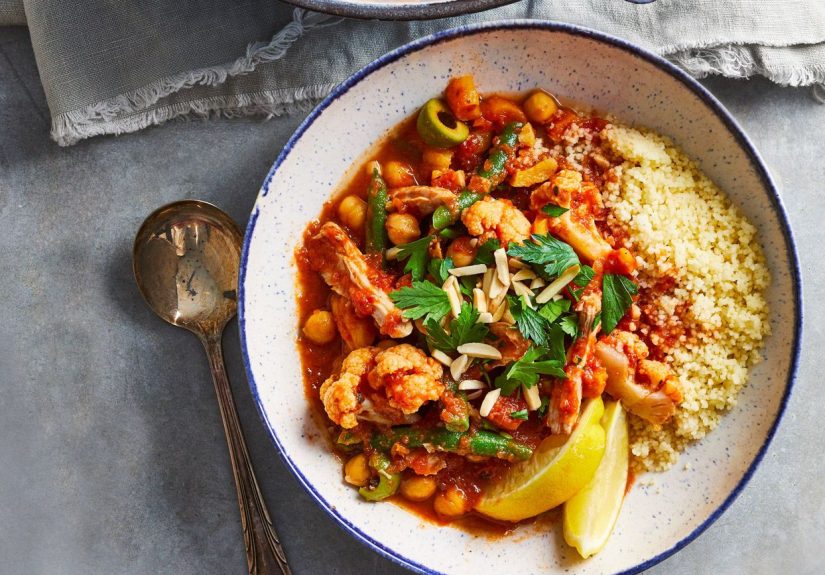
This Moroccan chicken and cauliflower stew is a one-pot wonder: tender chicken, cauliflower florets that soak up
a tomato-spiced broth, briny olives, and a little sweet surprise from dried apricots. It’s bold, balanced, and the
leftovers might actually be better than day one (which is rude, but we’ll allow it).
What Makes This Stew “Moroccan-Inspired”?
Moroccan cooking is known for layering warm spices and balancing savory, sweet, and tangy flavors. In stew form,
that often looks like:
- Warm spices like cumin, ginger, turmeric, paprika, cinnamon, and coriander.
- Bright, salty-tangy accents such as preserved lemon (or a quick shortcut version).
- Briny olives for depth and contrast.
- Dried fruit (hello, apricots) to add sweetness without turning dessert-y.
- Optional heat from harissa for people who like their comfort food to have an opinion.
The goal isn’t to overwhelm you with spicesit’s to build a broth that tastes complex and “slow-cooked” even if you
made it on a regular Tuesday while answering emails and wondering where your other sock went.
Ingredients You’ll Need
This recipe serves about 4–6, depending on whether your household believes in “portion sizes” or practices the
ancient tradition of “seconds.”
Core Ingredients
- Chicken thighs (about 2 pounds, bone-in or boneless): thighs stay juicy and love long simmering.
- Cauliflower (1 large head): cut into medium florets so it holds shape.
- Onion (1 large) and garlic (4 cloves): the flavor foundation.
- Crushed tomatoes (1 can, ~14–15 oz): body and gentle acidity.
- Chicken broth (2 to 2 1/2 cups): keeps the stew brothy and cozy.
- Chickpeas (1 can, drained and rinsed): protein + creamy bite.
- Dried apricots (1/2 cup, chopped): sweet notes that play nicely with the spices.
- Green olives (3/4 cup): briny depth that wakes everything up.
- Olive oil (2 tablespoons): for browning and building flavor.
Spice Blend (Your “Moroccan Magic”)
- 2 teaspoons ground cumin
- 2 teaspoons sweet paprika
- 1 teaspoon ground ginger
- 1/2 teaspoon ground turmeric
- 1/2 teaspoon ground cinnamon
- 1/2 teaspoon ground coriander
- 1/4 teaspoon cayenne (optional, more if you’re feeling brave)
- 1 to 1 1/2 teaspoons kosher salt (start lowerolives are salty)
- Black pepper, to taste
Bright Finish (Pick One)
- Preserved lemon: 1/2 to 1, thinly sliced (rind only if very salty), OR
- Shortcut: zest of 1 lemon + 1–2 tablespoons lemon juice added at the end
Optional “Make It Extra” Add-Ins
- Harissa (1–2 tablespoons): stir in for smoky heat.
- Toasted almonds (1/4 cup): sprinkle on top for crunch.
- Fresh cilantro and/or parsley (1/3 cup chopped): makes it taste brighter and fresher.
- Saffron (pinch): steep in warm broth if you’re feeling fancy.
Step-by-Step: How to Make Moroccan Chicken and Cauliflower Stew
Use a Dutch oven or any heavy pot with a lid. If your pot has a personality (aka “runs hot”), just lower the heat
during simmering.
Step 1: Season and Brown the Chicken
Pat chicken dry (this helps browning). Toss with about half the spice blend. Heat olive oil over medium-high heat
and brown chicken 3–4 minutes per side (work in batches if needed). You’re not cooking it through yetjust building
flavor. Transfer chicken to a plate.
Step 2: Sauté the Aromatics
Lower heat to medium. Add onion with a pinch of salt and cook 4–6 minutes until softened. Add garlic and tomato
paste; cook 30–60 seconds until fragrant. Stir in the remaining spice blend. (Yes, this is the moment your kitchen
starts smelling like you know what you’re doing.)
Step 3: Build the Broth
Pour in crushed tomatoes and 2 cups broth, scraping up browned bits from the bottom of the pot. Return chicken to
the pot. Bring to a gentle boil, then reduce to a low simmer.
Step 4: Simmer Until the Chicken Is Tender
Cover and simmer 25–35 minutes for boneless thighs, or 40–50 minutes for bone-in, until the chicken is tender.
(If the stew looks too thick, add a splash more broth; if it looks too thin, crack the lid and let it reduce later.)
Step 5: Add Cauliflower, Chickpeas, Apricots, and Olives
Stir in cauliflower florets, chickpeas, chopped apricots, and olives. Cover and simmer another 12–18 minutes, until
cauliflower is tender but not falling apart. Think “fork-tender,” not “baby food.”
Step 6: Finish Like a Pro (Even If You’re in Pajamas)
Turn off heat. Stir in harissa (if using). Add preserved lemon slices, or lemon zest + lemon juice. Taste and adjust
salt and pepper. Sprinkle with herbs and almonds.
Chef-Level Tips for a Stew That Tastes Restaurant-Good
1) Don’t Rush the Browning
Browning chicken adds depth and makes the final stew taste richer. If you crowd the pot, the chicken steams instead.
Translation: you’ll still have dinner, but it won’t have that “wow, what is that flavor?” moment.
2) Cut Cauliflower Like You Mean It
Tiny florets cook fast and can turn soft. Medium florets (about 1–1.5 inches) give you tender bites that don’t vanish
into the broth. Save the cauliflower leaves if they’re freshslice and toss them in for extra greens.
3) Salt Carefully (Olives Are Sneaky)
Olives and preserved lemon bring salt. Start with less salt, then adjust at the end. Your tongue will thank you.
Your blood pressure will also send a polite thank-you note.
4) Want a Thicker Stew?
- Simmer uncovered for 5–10 minutes at the end.
- Or mash a small scoop of chickpeas against the side of the pot and stir back in.
- Or add a spoonful of tomato paste while reducing.
Easy Variations and Smart Swaps
Make It Weeknight-Faster
Use boneless thighs and smaller cauliflower florets. Reduce the first simmer time to about 25–30 minutes.
(Still flavorfuljust less “slow-braised” energy.)
Make It Extra-Hearty
Add diced carrots or sweet potatoes with the broth. They love the spice blend and make the stew feel more like a full
meal in a bowl.
Make It Lower-Carb
Skip chickpeas and serve over cauliflower rice, or just eat it as-is. The stew already has plenty going on.
Prefer Chicken Breast?
You can use it, but treat it gently. Simmer breasts just until cooked through, then add cauliflower. Overcooked breast
is the culinary equivalent of a dry group chat: nobody enjoys it.
What to Serve With Moroccan Chicken and Cauliflower Stew
- Couscous: classic and fastperfect for soaking up sauce.
- Rice (white, brown, or basmati): neutral base that lets the spices shine.
- Warm pita or crusty bread: low effort, high reward.
- Simple salad: cucumber + tomato + lemon keeps things fresh.
- Yogurt: a spoonful on top calms heat and adds creaminess.
Storage, Reheating, and Meal Prep
This stew stores beautifully. Cool completely, then refrigerate in airtight containers for up to 4 days. It also freezes
well for up to 3 months (the cauliflower softens slightly after freezing, but the flavor stays excellent).
Reheat gently on the stovetop over medium-low with a splash of broth or water. Microwave works toojust stir halfway
through so the heat spreads evenly.
Frequently Asked Questions
Can I make this in a slow cooker?
Yes. Brown the chicken and sauté onion/garlic/spices first if you can (more flavor). Then cook with tomatoes and broth
on LOW for 5–6 hours. Add cauliflower, chickpeas, apricots, and olives in the last 45–60 minutes so the cauliflower
doesn’t overcook.
Do I need preserved lemon?
Not required, but it adds a uniquely salty-citrus punch. If you don’t have it, lemon zest + a little lemon juice at the
end gets you most of the way there. The stew will still be deliciousjust slightly less “Moroccan tagine vibes.”
Is this spicy?
Only if you want it to be. Skip cayenne and harissa for mild. Add harissa for heat that tastes complex, not just “my
mouth is on fire.”
Cook’s Notes: Real-Life Stew Moments ( of Useful Experience)
The first time many people make a Moroccan chicken and cauliflower stew, the spices can feel like they’re throwing a
surprise party in your pantry. Cumin? Cinnamon? Ginger? Together? Yestogether. The “experience” is usually a moment
of hesitation followed by a moment of realization: warm spices don’t make your stew sweet; they make it deep.
A super common early lesson is cauliflower timing. If you toss cauliflower in too soon and let it simmer
forever, it can lose structure and melt into the broth. Some cooks actually like that because it naturally thickens the
stew, but if you want distinct florets, the experience is simple: add cauliflower later and keep the simmer gentle.
Medium florets + 12–18 minutes is the sweet spot for “tender but still present.”
Another classic experience: the olive salt surprise. The stew tastes perfect, then you add olives and
preserved lemon and suddenly it’s like the Atlantic Ocean joined dinner. The fix is easy, and most people only need to
learn it once: salt lightly during cooking, then adjust at the very end. If it does get too salty, a squeeze of lemon,
a spoon of yogurt, or extra chickpeas can pull things back into balance.
People also tend to fall into one of two camps with dried fruit. Camp A worries apricots will make the
stew taste like a holiday candle. Camp B becomes obsessed and starts adding extra “because it’s working.” The best
experience-driven advice is moderation: chop the apricots small, keep it around 1/2 cup, and let them melt slightly
into the sauce. You’ll get gentle sweetness that makes the spices taste roundernot sugary.
Then there’s the “I don’t have preserved lemon” storyline. It’s extremely common, and it ends happily. Home cooks often
try lemon zest + juice at the end and are shocked by how much it wakes up the stew. Some people go one step further and
do a mini “quick preserved” vibe: they zest the lemon, then simmer a few thin lemon peel strips in the broth for the last
10 minutes (and remove them if they taste bitter). The experience here is learning that citrus isn’t just garnishit’s a
structure beam holding up the whole flavor building.
Finally, the best part: leftovers. People routinely report that day-two stew tastes even better. Spices
settle in, the broth thickens slightly, and everything becomes more cohesive. It’s the rare meal that rewards you for
cooking once and eating twice. If you’re meal-prepping, this is the stew that shows up on Wednesday like, “Remember me?
I’m even better now.”
Conclusion
Moroccan chicken and cauliflower stew is the kind of recipe that feels impressive without being fussy. You get bold
spices, tender chicken, and cauliflower that drinks up flavorplus olives and apricots for that sweet-salty-tangy balance
that makes each bite interesting. Serve it with couscous, add a sprinkle of herbs, and enjoy the very specific joy of
eating something cozy that also tastes adventurous.