Table of Contents >> Show >> Hide
- What counts as musculoskeletal pain?
- Common causes of musculoskeletal pain
- 1) Strains, sprains, and bruises (acute injuries)
- 2) Overuse injuries (tendinopathy, stress reactions)
- 3) Arthritis and joint inflammation
- 4) Bursitis
- 5) Back and neck pain (mechanical pain and sometimes nerve irritation)
- 6) Widespread pain syndromes (including fibromyalgia)
- 7) Less common but important causes
- Symptoms: what you might feel (and what it can mean)
- How clinicians figure out what’s going on
- Treatment: what actually helps (and why)
- Prevention: how to reduce the odds of repeat episodes
- When to see a healthcare professional
- Experiences related to musculoskeletal pain (real-life patterns people often notice)
- Conclusion
Musculoskeletal pain is the kind of pain that makes you say, “Wow, I didn’t know I had a muscle there,” after you carry groceries, sleep weirdly, or decide
you’re suddenly a weekend warrior. It can show up in your muscles, bones, joints, tendons, ligaments, and the soft tissues that keep your body moving.
Sometimes it’s a short-lived complaint; sometimes it’s a longer story with plot twists like stiffness, swelling, and “why does my shoulder hate me?”
The good news: most musculoskeletal pain improves with smart self-care, time, and the right kind of movement. The key is figuring out what’s likely causing
it, spotting red flags that need medical attention, and choosing treatments that actually help (instead of the ones that just sound tough on pain in a
commercial voiceover).
What counts as musculoskeletal pain?
“Musculoskeletal” is a big umbrella. It includes pain from:
muscles (strains, spasms, trigger points), joints (arthritis, inflammation), tendons (tendinitis/tendinopathy), bursae (bursitis), bones (fractures,
stress reactions), and the spine (mechanical back/neck pain, sometimes with nerve irritation).
Musculoskeletal pain can be acute (hours to weeks, often after an injury) or chronic (lasting longer than 3 months).
It can be localized (one knee) or widespread (many areas). And it may feel achy, sharp, burning, stiff, tight, sore,
crampy, or “my body is filing a complaint with HR.”
Common causes of musculoskeletal pain
1) Strains, sprains, and bruises (acute injuries)
These are the classics. A strain involves muscle or tendon fibers; a sprain involves ligaments. Bruises (contusions)
happen when soft tissue takes a hit. Pain usually starts around the time of injury and may come with swelling, tenderness, bruising, or reduced range of motion.
Early care often focuses on calming swelling and pain for the first couple of days. Many clinicians still recommend a version of the RICE approach
(rest, ice, compression, elevation) early on, then transitioning to gentle movement and gradual loading as symptoms allow.
2) Overuse injuries (tendinopathy, stress reactions)
Overuse isn’t about doing something “wrong.” It’s often about doing something too much, too soonmore mileage, more reps, more gardening, more
“I’ll just carry all the bags in one trip.” Tendon pain commonly worsens with activity and improves with rest, but if you stop moving completely, the tendon
can get crankier. The sweet spot is usually relative rest plus graded loading (progressing activity gradually).
3) Arthritis and joint inflammation
Joint pain can come from wear-and-tear changes like osteoarthritis (often stiffness after inactivity, pain with use) or inflammatory
conditions like rheumatoid arthritis (often swelling, prolonged morning stiffness, and multiple joints affected). These conditions can overlap
with tendon and muscle pain because everything around a joint works as a teamand when the team is stressed, everyone complains.
4) Bursitis
Bursae are small, fluid-filled sacs that reduce friction around joints. When inflamed, they can cause localized pain and tenderness, often near the shoulder,
elbow, hip, or knee. Bursitis may flare after repetitive pressure (leaning on elbows, kneeling) or overuse. Many cases improve with rest, ice, and anti-inflammatory
strategies; persistent cases sometimes need guided therapy or injections.
5) Back and neck pain (mechanical pain and sometimes nerve irritation)
Back and neck pain are extremely common. Often it’s “mechanical” (muscles, ligaments, discs, facet joints), and it improves over time with movement and
strengthening. Sometimes pain involves nerve irritationlike when a disc or surrounding structures compress or inflame a nerveleading to radiating pain,
numbness, tingling, or weakness down an arm or leg.
6) Widespread pain syndromes (including fibromyalgia)
Some people experience pain that’s more widespread and persistent, often accompanied by fatigue, sleep problems, and mood symptoms. Fibromyalgia is one example.
It doesn’t show up on X-rays like a fracture would, but it’s very realand treatment typically emphasizes exercise, sleep support, stress management, and sometimes
medication as part of a broader plan.
7) Less common but important causes
Occasionally musculoskeletal pain is a signal of something more serious: infection, fracture, blood clots, or (rarely) cancer. The “pattern” matters:
pain with fever, unexplained weight loss, severe night pain, significant trauma, or new neurological symptoms deserves prompt medical evaluation.
Symptoms: what you might feel (and what it can mean)
Common symptoms
- Aching or soreness in muscles or joints (often from strain, overuse, arthritis)
- Sharp pain with certain movements (sprain/strain, tendon irritation, joint injury)
- Stiffness after rest (common in osteoarthritis; prolonged morning stiffness can suggest inflammation)
- Swelling, warmth, redness (inflammation, bursitis, arthritis; infection is a concern if paired with fever)
- Weakness or reduced range of motion (pain-limited movement, tendon problems, nerve involvement)
- Radiating pain, tingling, numbness (possible nerve irritation or compression)
Red flags that should prompt urgent care
If any of the following are present, it’s safer to get medical advice quickly (same day or emergency evaluation depending on severity):
- Severe pain after a major fall, car accident, or direct blow (possible fracture or serious injury)
- New weakness, foot drop, or loss of sensation
- Loss of bowel or bladder control, or numbness in the groin/saddle area
- Fever with joint swelling/redness, or rapidly worsening pain
- Unexplained weight loss, history of cancer, or persistent night pain that doesn’t ease with position changes
- Chest pain, shortness of breath, or calf swelling with pain (not “typical” musculoskeletal patternsneeds urgent evaluation)
How clinicians figure out what’s going on
A good evaluation usually starts with questions and a physical exam:
where it hurts, what makes it better or worse, whether it started suddenly or gradually, and whether there are symptoms like swelling, numbness, fever, or fatigue.
Your clinician may check range of motion, strength, reflexes, joint stability, and tender points.
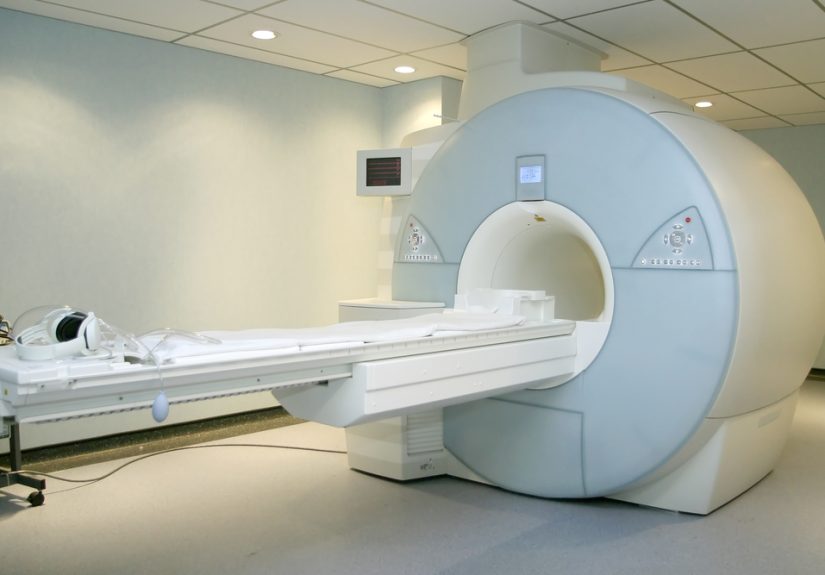
Tests depend on the story. For many cases of uncomplicated muscle/joint pain, imaging isn’t immediately necessary. But X-rays can help when fracture or significant arthritis
is suspected; MRI may be used for soft tissue injuries, disc problems, or when symptoms persist; and blood tests can help when inflammatory or autoimmune disease is on the table.
Treatment: what actually helps (and why)
Step 1: Calm the flare without freezing your life
For a fresh injury or flare-up, you’re usually aiming to reduce pain and swelling without becoming a statue. Helpful early strategies often include:
- Relative rest: avoid the specific movement that spikes pain, but keep the rest of you moving
- Cold (first 24–72 hours for many acute injuries): may reduce swelling and pain
- Compression and elevation (if swelling is significant)
- Heat (often useful for muscle spasm or stiffness, especially after the initial swelling phase)
The goal isn’t “no movement ever.” It’s “let’s not poke the bear,” while still encouraging safe motion so tissues don’t stiffen up.
Step 2: Movement is medicine (yes, even when it’s annoying)
For many musculoskeletal problemsespecially back pain and common overuse issuesstaying active and building strength is one of the most effective tools.
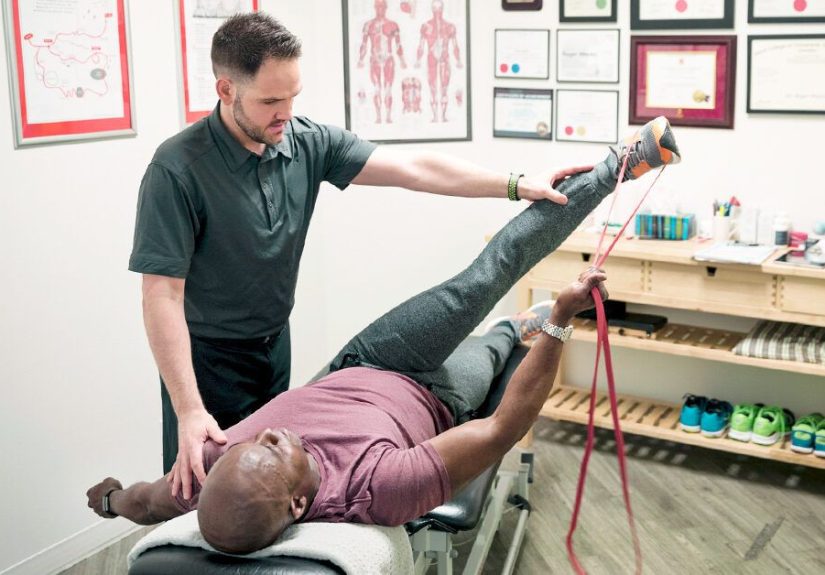
Physical therapy can be especially valuable because it turns the vague advice “work on posture” into a plan you can actually follow.
Examples of movement-based approaches that often help:
- Mobility work (gentle range-of-motion drills) to reduce stiffness
- Progressive strengthening to support joints and tendons (glutes/hips for knee pain, core for back pain, rotator cuff for shoulder issues)
- Aerobic activity (walking, cycling, swimming) to improve circulation, endurance, and pain modulation
- Mind-body movement (yoga, tai chi) for flexibility, balance, and stress reduction
Step 3: Medicationsuseful, but not candy
Over-the-counter pain relievers can help, but they come with real risks. In general:
-
Acetaminophen can reduce pain but doesn’t treat inflammation. Taking too much can seriously injure the liver, and it’s easy to accidentally “double dose”
because many cold/flu products also contain acetaminophen. -
NSAIDs (like ibuprofen or naproxen) can reduce pain and inflammation, but they can raise the risk of stomach bleeding and, for some people,
cardiovascular problemsespecially at higher doses or with longer use. -
If you’re under 18, pregnant, have kidney disease, ulcers, bleeding disorders, take blood thinners, or have other health conditions, talk with a clinician/pharmacist
before using these regularly.
A practical rule: use the lowest effective dose for the shortest time, and follow the label (or your clinician’s instructions). If you need pain medication daily for more
than a few days just to function, it’s a sign to reassess the plan.
Step 4: Condition-specific treatment ideas
Sprains/strains: early swelling control, then gradual mobility and strengthening. Bracing or taping can help temporarily for stability. If you can’t bear weight,
have major deformity, or pain is severe, get evaluated.
Tendinopathy (tendinitis): reduce the aggravating load, then rebuild tolerance with graded strengthening (often eccentric or slow resistance work). Therapy may include
technique changes (running form, lifting mechanics) and addressing strength imbalances.
Bursitis: reduce pressure (padding, avoid leaning/kneeling), ice early, gentle range-of-motion, and address contributing mechanics. Persistent cases may need physical therapy
or medical procedures like injection.
Osteoarthritis: exercise is a cornerstonestrengthening the muscles around a joint often reduces pain and improves function. Weight management can also reduce load on hips/knees.
Options may include topical medications, assistive devices, injections, andwhen severesurgery.
Inflammatory arthritis (like RA): treatment typically involves specialist care and disease-modifying medications. Movement still matters, but the plan should match disease activity.
Fibromyalgia and widespread pain: a multi-tool approach often works best: consistent low-impact exercise, improving sleep routines, stress reduction, and sometimes medications and therapy
to support pain coping and function.
Step 5: When procedures or surgery enter the conversation
Most musculoskeletal pain does not require surgery. Procedures (like corticosteroid injections) can reduce inflammation in selected cases, but they’re usually most helpful when paired with
rehabilitationbecause quieting pain without rebuilding strength is like muting a smoke alarm without checking the kitchen.
Surgery may be considered for severe joint damage, significant tendon tears, unstable injuries, fractures, or nerve compression with serious neurological deficitsespecially when conservative care fails.
Prevention: how to reduce the odds of repeat episodes
- Build strength gradually (the “10% rule” for training volume is a decent starting ideaavoid big jumps)
- Warm up before intense activity; cool down if it helps you feel better
- Ergonomics matter: set up your desk so you’re not living in “shrimp posture,” take micro-breaks, and vary positions
- Lift smarter: keep loads close, use legs and hips, and avoid twisting under heavy load
- Sleep and recovery: tired tissues complain louder
- Manage stress: pain and stress amplify each other more than most people realize
When to see a healthcare professional
Consider getting evaluated if pain is severe, persistent (especially beyond 2–4 weeks without improvement), limits normal daily activities, keeps returning,
or comes with swelling, warmth, fever, numbness, tingling, or weakness. Early, targeted care can shorten recovery and reduce the odds of a recurring problem.
Experiences related to musculoskeletal pain (real-life patterns people often notice)
Musculoskeletal pain has a way of showing up in everyday lifeoften in situations that seem too ordinary to deserve a plotline. Here are common “experience patterns”
people report, and what they often learn along the way.
The desk-job shoulder and neck saga: A lot of people notice a slow build of neck stiffness and shoulder aches during busy work weeks. It starts as a mild
tightness, then turns into headaches or a burning sensation near the shoulder blade. The biggest “aha” moment is usually realizing it’s not just postureit’s
posture plus time. When someone adds short movement breaks (even 60 seconds), adjusts monitor height, and does simple upper-back and shoulder strengthening,
symptoms often improve more than they expected. The lesson: your body doesn’t hate your job; it hates being held in one position for eight hours straight.
The weekend warrior surprise injury: Another classic is the person who doesn’t train consistently, then suddenly does a long hike, a pickup basketball game,
or an “I can still deadlift what I did in 2019” moment. The next day brings stiffness and pain that feels personal. The experience is frustrating, but it often teaches
a helpful rule: tendons, muscles, and joints like gradual progress. People who return with a planshorter sessions, more recovery, and strengthening the supporting muscles
typically bounce back faster than those who go from “rest completely” to “try the same thing again.”
The runner’s knee (or the walker’s foot): Overuse pain often shows up as an annoying twinge that disappears during the warm-upuntil it doesn’t.
Many people describe a cycle: pain shows up, they push through, pain grows, they stop everything, they feel better, then they jump back in at full intensity, and the cycle
repeats. What breaks the loop is usually a graded return: reducing mileage, adding strength work for hips and calves, checking footwear, and reintroducing load slowly.
The experience can be humbling, but it’s also empoweringbecause it’s one of the few problems where smarter training can be a real “treatment.”
The parent/caregiver back pain chapter: Lifting kids, carrying laundry, leaning over beds, and moving boxes during a home reset can create persistent back pain.
People often describe feeling “fine while doing it” and then suddenly stiff later. A common turning point is learning that back care is less about avoiding movement and more
about building capacity: strengthening glutes and core, practicing hip-hinge mechanics, and using ergonomics (raising the work surface, using assistive tools, splitting loads).
Once the back feels more supported, the fear of movement often decreases tooand that alone can reduce how intense pain feels.
The chronic pain mindset shift: For people with longer-lasting pain (including widespread pain patterns), the emotional experience matters.
Many describe feeling dismissed because scans look “normal,” or they’re told to “just stretch.” A more helpful experience is when care focuses on function: improving sleep,
building a consistent exercise routine that doesn’t flare symptoms, using stress tools, and addressing mood or anxiety that may be traveling with pain.
People often report that pain doesn’t vanish overnightbut quality of life improves when the plan is realistic, individualized, and steady.
Across these experiences, one theme repeats: the best results usually come from combining sensible symptom relief with a long-term “build the foundation” strategy.
Pain relief is importantbut strength, movement variety, and recovery habits are what keep the story from becoming a never-ending sequel.
Conclusion
Musculoskeletal pain is common, often treatable, and usually less mysterious once you connect symptoms to patterns: injury vs. overuse, joint vs. muscle,
localized vs. widespread, mechanical vs. nerve-related. For many people, the most effective approach is a smart mix of short-term comfort measures and long-term
capacity building through movement, strengthening, and ergonomics. If pain is severe, persistent, or comes with red flags, professional evaluation is the safest move.
Your body is remarkably adaptableespecially when you give it a plan instead of a pep talk.