Table of Contents >> Show >> Hide
- The Farmer Rule: Corn Is a Race Against the Clock
- How to Pick Sweet Corn Like You’ve Got Farmer Backup
- The Secret Method: Steam It in Its Own Husk (a.k.a. Stop Shucking First)
- Cooking for a Crowd: The Big-Pot “Drop-In” Method
- Grill Corn Like Summer Is Watching
- Butter, Salt, and Other “Don’t Ruin the Corn” Flavor Moves
- Common Mistakes (and How Farmers Avoid Them)
- FAQ: Quick Answers for Peak Corn Confidence
- Conclusion: Perfect Corn Is Mostly a Timing Trick
- of Real-Life “Farmer Family” Corn Moments
My mother-in-law grows corn. Not “I once planted a seed and named it Kevin” corn. I mean real-deal, boots-on, sunrise-to-sunset, “this field pays the bills” corn. So when she says there’s a secret to perfect corn on the cob, I listenbecause she’s not guessing, and she’s definitely not seasoning her advice with wishful thinking.
Her secret isn’t a magical spice blend, a mystical butter bath, or a technique involving a cooler and a full moon. It’s simpler than that, which is exactly why it works:
Keep it cold. Cook it fast. Don’t overthink it.
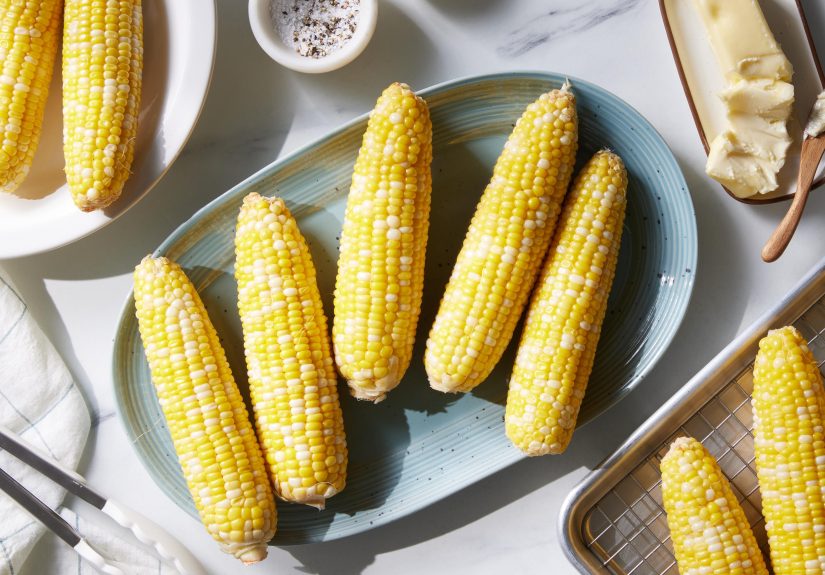
If you’ve ever wondered why corn from a farm stand tastes sweeter than corn that’s been sitting in your fridge since the weekend, the answer is science (and timing). In this guide, I’ll show you exactly how my farmer mother-in-law gets sweet, juicy, crisp-tender corn every timeplus the easiest cooking methods for real life: microwave, grill, steam, and the classic big-pot approach for a crowd.
The Farmer Rule: Corn Is a Race Against the Clock
Sweet corn is basically nature’s candy… for a short window. Once corn is picked, its natural sugars start converting into starch. Translation: the longer it sits warm, the less sweet it becomes. That’s why farm-fresh corn tastes like summer fireworks and day-old corn tastes like… politely enthusiastic cardboard.
My mother-in-law’s rule: If you can, eat corn the same day you buy it. If you can’t, treat it like a perishable celebrityget it cooled quickly, keep it in its husk, and don’t leave it lounging on the counter like it pays rent.
How to store corn so it stays sweet
- Leave the husk on. The husk helps protect kernels from drying out and losing flavor.
- Refrigerate ASAP. Cold slows the sugar-to-starch conversion.
- Bag it up. Store ears in a loosely closed bag (or wrap) so they don’t dry out.
- Don’t wash until you’re ready. Extra moisture can encourage spoilage if it’s trapped.
Practical takeaway: Buy corn as late in the day as possible (so it spends less time warm), bring a cooler if you’re shopping in heat, and cook it soon after you get home.
How to Pick Sweet Corn Like You’ve Got Farmer Backup
When my mother-in-law shops for corn, she doesn’t peel the whole ear like she’s unwrapping a present. She uses quick clues that don’t annoy the seller or expose the kernels to air.
What to look for at the store or farmers’ market
- Husks: Bright green, moist, and snugnot dry, papery, or brown.
- Silks: Light brown to golden, a little sticky, and not totally dried out.
- Feel: The ear should feel heavy and well-filled, with a consistent “plump” shape.
- Tip test (gentle): If the tip is exposed, kernels should look plump and juicy, not shriveled.
And yes, you can do the sniff test. Fresh corn smells sweet and “green,” like a produce aisle in July. Old corn smells… like it has a LinkedIn profile and a mortgage.
The Secret Method: Steam It in Its Own Husk (a.k.a. Stop Shucking First)
This is the part that makes people pausebecause we were taught to shuck corn first, then cook it. My mother-in-law does the opposite. She cooks it in the husk whenever she can, because the husk is a built-in steam jacket.
Her favorite method for truly perfect corn on the cob is also the easiest: the microwave.
Method 1: Microwave corn in the husk (fastest, sweetest, least messy)
- Don’t shuck it. Leave the husk and silk on.
- Microwave on high until hot and crisp-tender (times vary by microwave and ear size).
- Rest 1 minute (it’s basically a tiny steam sauna in there).
- Trim the stem end (the thicker end) by about 1 inch.
- Squeeze from the silk end and slide the cob out. The silk usually stays behind in the husk like it finally got the memo.
Microwave timing cheat sheet
| How many ears | Start here | Check for doneness |
|---|---|---|
| 1 ear | 3 minutes | Hot to the touch; kernels crisp-tender |
| 2 ears | 5–6 minutes | Add 30–60 seconds if needed |
| 3 ears | 7–8 minutes | Rotate halfway if your microwave has hot spots |
| 4 ears | 9–10 minutes | Let rest a minute before shucking |
Why this works: You’re steaming corn in its own natural wrapper, which helps it stay juicy and sweet without leaching flavor into water. It’s also absurdly convenient when you only want one or two ears and don’t feel like boiling the Atlantic Ocean.
Cooking for a Crowd: The Big-Pot “Drop-In” Method
If you’re feeding a group, microwaving one ear at a time can feel like a corn-based assembly line. This is where the classic pot method shinesas long as you don’t overcook.
Method 2: Quick-boil corn (simple and reliable for 6+ ears)
- Bring a large pot of water to a full boil.
- Add shucked corn (or trimmed ears if they’re huge).
- Cover the pot and wait for the water to return to a boil.
- Cook just until crisp-tenderusually a few minutes for very fresh corn.
- Remove with tongs and serve immediately.
Seasoning note: You’ll hear conflicting advice about salting the water. My mother-in-law’s approach is practical: salt after cooking so you control the flavor and avoid any kernel texture drama. (Plus, people can season their own, and nobody has to be the Salt Police.)
Grill Corn Like Summer Is Watching
Grilling turns sweet corn into a smoky, caramelized side dish that tastes like cookout happiness. You have two great options: husk-on (juicy, lightly smoky) or husk-off (more char, more roasty flavor).
Method 3: Grill corn in the husk (juicy, lightly smoky)
- Soak ears (in husk) in water for about 15–20 minutes to reduce scorching.
- Shake off excess water.
- Grill over medium heat, turning every few minutes, for about 15–20 minutes.
- Peel back husks and remove silk. Serve.
Method 4: Grill corn naked (maximum char, maximum flavor)
- Shuck corn and remove silk.
- Brush lightly with oil or melted butter.
- Grill over medium-high heat, turning frequently, until charred in spots (about 8–12 minutes).
- Finish with butter, salt, and a squeeze of lime if you’re feeling fancy.
Farmer tip: If you want the best of both worldssteam-sweet corn with grill flavormicrowave in the husk first, then toss it on a hot grill for 60–90 seconds per side to add char.
Butter, Salt, and Other “Don’t Ruin the Corn” Flavor Moves
When the corn is great, you don’t need to drown it in complicated flavors. My mother-in-law’s “perfect corn” finish is wonderfully boring (which is a compliment): butter + salt. But if you want options, here are a few that still let sweet corn taste like sweet corn.
Easy finishing ideas
- Classic: Salted butter + flaky salt
- Herby: Butter + chopped parsley + black pepper
- Bright: Butter + lime zest + lime juice + pinch of chili powder
- Garlicky: Butter + garlic powder + parmesan
- BBQ-style: Smoked paprika + melted butter + a tiny pinch of brown sugar
Pro move for serving: Make a “butter board” for cornsoft butter mixed with seasonings in a shallow bowl. Roll hot corn through it like it’s getting a spa treatment.
Common Mistakes (and How Farmers Avoid Them)
Mistake 1: Buying corn too early
If you’re buying corn on Monday for Saturday, you’re not buying cornyou’re buying a science experiment. Get it close to cooking time whenever possible.
Mistake 2: Leaving it warm
Corn sitting on the counter is corn that’s losing sweetness. Chill it quickly.
Mistake 3: Shucking too soon
Shucking early lets kernels dry out. Keep the husk on until you’re ready to cook (or cook in the husk).
Mistake 4: Overcooking
Very fresh corn doesn’t need long. The goal is hot and crisp-tender, not chewy and sad.
Mistake 5: Cooling it under running water
Let it cool naturally for a minute. Water can make kernels soggy and dull the texture.
FAQ: Quick Answers for Peak Corn Confidence
Can you eat sweet corn raw?
Super fresh sweet corn can be eaten raw (think salads), but cooking boosts aroma and gives that classic tender bite most people want.
What’s the best method for the sweetest flavor?
Start with fresh corn, keep it cold, then microwave or steam in the husk for minimal flavor loss.
How do you keep corn warm for a party?
Wrap cooked corn in foil and hold it in a low oven (around 200°F) for a short time. Don’t park it there forevercorn is best soon after cooking.
Conclusion: Perfect Corn Is Mostly a Timing Trick
My mother-in-law’s “secret” isn’t complicatedit’s just disciplined. She respects how quickly corn changes after harvest, so she keeps it cold, cooks it soon, and uses methods that protect moisture and sweetness. The result is corn on the cob that tastes like it was designed by summer itself.
If you remember only three things, make them these: buy fresh, chill fast, cook briefly. And if you want the easiest win of your life, microwave it in the husk. Your kitchen stays cool, your sink stays empty, and your corn tastes like it came with its own fan club.
of Real-Life “Farmer Family” Corn Moments
The first time I watched my mother-in-law handle corn, I expected a big productionspecial pots, secret tools, maybe a handshake agreement with the Corn Council of America. Instead, she treated corn like it was both precious and completely normal. Which, honestly, might be the most farmer thing ever.
It usually starts the same way: someone mentions corn, and she immediately asks, “When was it picked?” Not in a dramatic waymore like a mechanic asking when you last changed the oil. If the answer is “I don’t know,” she gives a polite nod that somehow translates to, “We’ll do our best with this situation.” If the answer is “This morning,” she perks up like the corn just told a good joke.
One summer, we came home with a bag of ears from a roadside stand. I set it on the counter, because that’s what humans do with groceries when they are still wearing shoes. She walked in, saw the bag, and said, “Ohno, honey. We’re not leaving those out.” She didn’t scold. She simply relocated the corn to the fridge with the quiet urgency of someone moving a baby away from a loud speaker.
Later that day, I offered to shuck everything ahead of time to “help.” She stopped me with a smile that was friendly but firm, the way you’d stop someone from petting a bison. “Leave the husks on,” she said. “That’s its jacket.” Then she pointed at the microwave like it was an underrated superhero. “We’ll cook it in there.” I blinked. She shrugged. Farmers don’t do extra dishes for fun.
When the timer beeped, she let the corn rest for a minute, trimmed the stem end, and squeezed the cob out like it was toothpastebut in a satisfying, non-gross way. The silk stayed behind, the kernels came out glossy, and my entire worldview of “corn preparation” shifted about six inches to the left. She handed me an ear and said, “Butter and salt. Don’t bury it.”
We ate standing up in the kitchen, which felt exactly rightlike corn this good didn’t need a formal seating arrangement. The kernels were sweet, hot, and crisp-tender, and I finally understood what she meant when she said, “Corn doesn’t need much. It just needs you to not mess it up.” Now, every time I make corn on the cob, I hear her voice in my head: keep it cold, cook it fast, and let summer do the talking.