Table of Contents >> Show >> Hide
- What Are Woolly Pocket Vertical Wall Planters?
- Why Vertical Gardening Works Outdoors
- Best Outdoor Uses for Woolly Pocket-Style Wall Planters
- How to Choose Plants for a Vertical Wall Planter
- Installation Tips for Outdoor Wall Planters
- Soil, Water, and Fertilizer: The Un-glamorous Trio That Makes Everything Work
- Design Ideas for a Better-Looking Living Wall
- Maintenance: Keeping the Wall Looking Alive on Purpose
- Are Woolly Pocket-Style Planters Worth It?
- Experience Notes: What Living With Outdoor Vertical Wall Planters Feels Like
- Conclusion
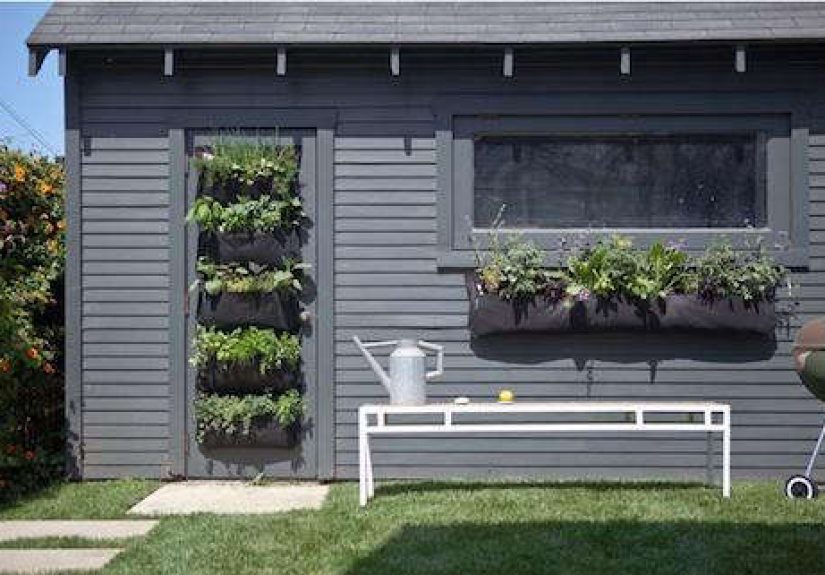
There comes a moment in every gardener’s life when the ground simply runs out of manners. The patio is full. The deck is full. The balcony rail is hosting three herbs, a suspiciously dramatic fern, and a tomato plant that thinks it owns the place. That is when vertical wall planters from Woolly Pockets enter the scene like a tiny green superhero cape for your outdoor wall.
Woolly Pockets helped make the idea of the living wall feel less like something reserved for luxury hotels and more like something a normal person could install on a fence, patio, balcony, or garden wall without needing a construction crew, a trust fund, or a degree in plant psychology. Today, the brand is often associated with WallyGrow, whose wall planter systems continue the same basic promise: turn blank vertical space into a lush, modular, plant-filled display.
The appeal is easy to understand. Vertical wall planters save floor space, soften hard outdoor surfaces, and create a living piece of garden art. They work especially well in small outdoor areas where every square foot has already been asked to perform three jobs: dining room, lounge, garden, and occasional storage closet for a bag of potting mix.
What Are Woolly Pocket Vertical Wall Planters?
Woolly Pockets are modular wall planters designed to hold soil and plants vertically. The original Woolly Pocket planters became known for their soft-sided felt construction, breathable growing environment, and eco-minded materials made from recycled plastic bottles. Earlier versions included lined pockets for indoor or protected spaces and unlined options for outdoor settings where drainage was the priority.
Modern WallyGrow-style wall planters keep the vertical gardening idea alive with durable recycled plastic planters, wall-mounted brackets, leak-resistant designs, and plant-friendly features such as watering channels and ventilation. In plain English, they are containers that hang on a wall, but with more engineering than the average flowerpot and considerably less wobbling than a homemade shoe organizer stuffed with basil.
Why Gardeners Like Them
The biggest reason is space. A wall planter lets you grow upward instead of outward, which is excellent news if your outdoor area is roughly the size of a yoga mat. By raising plants off the ground, vertical planters also make watering, pruning, harvesting, and admiring your leafy achievements easier. No more kneeling in mulch while pretending your knees are fine. They are not fine. They have filed a complaint.
Another advantage is design flexibility. A single pocket can brighten a dull corner. A row of planters can create a herb wall. A full grid can transform a fence into a living tapestry of flowers, foliage, strawberries, trailing vines, and fragrant herbs. Because the planters are modular, you can start small and expand later, which is ideal for gardeners who say, “Just one more plant,” and then somehow own 47.
Why Vertical Gardening Works Outdoors
Vertical gardening is not just a trend invented by people who ran out of patio space. It solves real outdoor design and growing problems. In small gardens, it maximizes production by using empty walls, fences, balcony dividers, and side-yard surfaces. In larger yards, it adds height, rhythm, texture, and a sense of enclosure.
Plants grown vertically may also benefit from improved air circulation compared with crowded ground-level beds. Better airflow can help foliage dry more quickly after rain or watering, which may reduce some disease pressure. Raising plants can also make it easier to spot pests before they turn your nasturtiums into a midnight buffet.
From a design perspective, living walls soften outdoor architecture. A plain stucco wall becomes a garden moment. A tired fence gets a second career. A balcony that once looked like a place where folding chairs went to retire suddenly becomes a tiny botanical lounge.
Best Outdoor Uses for Woolly Pocket-Style Wall Planters
1. Patio Herb Gardens
Herbs are one of the most satisfying choices for vertical wall planters because they are useful, attractive, and generally polite. Basil, parsley, chives, thyme, oregano, sage, and mint can all work in containers when matched with the right light and watering routine. For sunny patios, Mediterranean herbs such as rosemary, thyme, oregano, and sage are especially appealing. They smell wonderful and make dinner feel more intentional, even if dinner is toast.
One caution: mint is charming but ambitious. Give it its own planter unless you want it to start a tiny empire.
2. Flower-Filled Fence Displays
Outdoor wall planters are perfect for annual flowers that bring color to fences and courtyard walls. Petunias, calibrachoa, nasturtiums, alyssum, begonias, impatiens, and trailing lobelia can create a lush, cascading look. Choose sun-loving flowers for bright exposures and shade-tolerant plants for covered patios or north-facing walls.
For a polished look, repeat a limited color palette. For a joyful look, plant every color available and call it “pollinator confetti.” Both approaches are valid. Gardening should have room for elegance and chaos.
3. Balcony Green Walls
Apartment dwellers and townhouse gardeners often have vertical surfaces but very little soil. A Woolly Pocket-style planter can turn a balcony wall into a compact garden without stealing precious floor space from chairs, tables, or the dog’s preferred sunbeam. Use lightweight potting mix, check building rules before drilling, and be considerate about drainage so your downstairs neighbor does not receive surprise “plant rain.”
4. Outdoor Living Privacy Screens
A grid of vertical wall planters can add privacy without the heavy look of a solid screen. Use trailing plants, upright grasses in compatible containers, compact flowering annuals, or evergreen foliage plants suited to your climate. The result feels softer than a fence and friendlier than a wall. It says, “Welcome to my garden,” while also saying, “Please stop watching me eat chips on the patio.”
5. Kitchen Garden Walls
Leafy greens, compact lettuces, strawberries, and herbs can thrive in vertical planters when they receive enough light, water, and nutrients. The key is choosing plants with root systems suited to the planter size. Small edible crops are usually better candidates than large tomatoes, corn, or pumpkins, which prefer more root room and have no respect for boundaries.
How to Choose Plants for a Vertical Wall Planter
The best plant choices depend on three practical questions: How much sun does the wall receive? How hot or windy is the site? How much maintenance do you realistically want to do?
For full sun, consider thyme, oregano, sage, rosemary, lavender, sedum, portulaca, calibrachoa, petunias, and strawberries. For partial shade, try parsley, chives, begonias, coleus, ferns, impatiens, creeping Jenny, and some varieties of heuchera. For bright shade, foliage plants often outperform heavy bloomers.
Wind matters. Wall planters can dry faster in exposed locations, especially on balconies and rooftop patios. If your space is breezy, choose tougher plants and water more consistently. Succulents and drought-tolerant herbs may handle dry conditions better than thirsty annuals, but even drought-tolerant plants need regular care while establishing.
Installation Tips for Outdoor Wall Planters
Before installing any vertical wall planter, think about structure, water, and access. A planter filled with moist potting mix and mature plants weighs more than it looks. Mount planters securely into studs, fence posts, masonry, or another reliable support. If you are installing on a delicate wall surface, consider a backing board or frame to protect the wall and distribute the weight.
Drainage is equally important. Healthy container plants need oxygen around their roots, and soggy soil can lead to root rot. Outdoor planters should allow excess water to escape or be managed safely. If the planter is designed to be leakproof or self-watering, follow the manufacturer’s instructions carefully so water reaches the roots without turning the planter into a swamp with leaves.
Access is the third secret. Hang planters where you can actually reach them. A living wall placed too high may look dramatic for one week and then become a crispy vertical museum of regret. Keep watering, pruning, and harvesting within comfortable reach.
Soil, Water, and Fertilizer: The Un-glamorous Trio That Makes Everything Work
Use a high-quality potting mix rather than heavy garden soil. Container plants need a mix that holds moisture while still draining well. Garden soil can compact in containers, causing poor drainage and unhappy roots. And unhappy roots are the beginning of almost every plant soap opera.
Watering needs vary by season, plant type, exposure, and planter design. Outdoor vertical gardens often dry faster than in-ground beds, especially in summer. Check moisture regularly by touching the soil rather than guessing from a distance. The top may look dry while the root zone is fine, or the top may look fine while the plant is quietly composing its farewell letter.
Because nutrients wash out of containers over time, wall planters usually need light, regular feeding. A slow-release fertilizer at planting time or a diluted liquid fertilizer during the growing season can support steady growth. Avoid overfertilizing herbs, because too much fertilizer may produce lush leaves with weaker flavor.
Design Ideas for a Better-Looking Living Wall
Use Repetition
Repeating a few plants or colors makes a vertical planter wall look intentional. Try alternating green herbs with purple basil, silver thyme, or flowering annuals. Repetition calms the eye and prevents the wall from looking like a plant yard sale, unless plant yard sale is your chosen aesthetic.
Mix Upright, Mounding, and Trailing Plants
The best wall planters have layers. Upright plants add structure, mounding plants create fullness, and trailing plants soften edges. A simple combination might include rosemary for height, parsley for fullness, and trailing thyme for movement. For flowers, pair upright salvia with mounding begonias and cascading alyssum.
Match Plant Personalities
Do not place drought-loving lavender in the same pocket as moisture-loving fern and expect peace. Group plants with similar light and water needs. This makes maintenance easier and prevents one plant from living its best life while its neighbor slowly becomes potpourri.
Maintenance: Keeping the Wall Looking Alive on Purpose
A vertical wall planter is low-space, not no-care. Expect to water, trim, feed, rotate seasonal plants, and remove tired foliage. Deadheading flowers encourages continued blooming. Pinching herbs keeps them bushy. Cutting back leggy plants prevents the whole wall from looking like it just woke up from a nap.
Inspect plants weekly for pests. Aphids, spider mites, whiteflies, and caterpillars may appear, especially in warm weather. Catching them early makes control much easier. A strong spray of water, hand removal, insecticidal soap, or other appropriate low-impact methods can help depending on the pest and plant.
Seasonal refreshes are part of the fun. In spring, plant herbs and cool-season flowers. In summer, switch to heat-loving annuals. In fall, try ornamental peppers, pansies, parsley, thyme, or trailing evergreens in mild climates. In colder regions, empty and clean planters before freezing weather if the materials or plants require protection.
Are Woolly Pocket-Style Planters Worth It?
For small-space gardeners, design lovers, renters with permission to mount, and anyone trying to make a blank wall earn its keep, vertical wall planters can be absolutely worth it. They are especially useful when ground space is limited, when you want greenery at eye level, or when a traditional raised bed is not practical.
They may not be the best fit for gardeners who travel often without an irrigation plan, people with extremely hot exposed walls, or anyone hoping to grow large vegetables in a shallow space. Like any container garden, success depends on matching the planter, plants, light, soil, and watering routine.
The sweet spot is realistic ambition: start with a few planters, learn how the wall behaves, and expand once you know the watering rhythm. A small successful living wall is much better than a giant crispy one. Plants are forgiving, but they do appreciate not being used as architectural experiments without snacks.
Experience Notes: What Living With Outdoor Vertical Wall Planters Feels Like
The first thing most people notice after installing vertical wall planters is how quickly a boring outdoor surface changes personality. A fence that used to fade into the background suddenly becomes the most photographed corner of the patio. Guests drift toward it. Children poke the leaves. Someone inevitably asks, “Is that real?” which is both flattering and slightly insulting to the basil.
In day-to-day use, the biggest lesson is that vertical gardening rewards observation. A wall planter is easy to admire, but it also tells on you quickly. If the top row gets more sun, those plants may dry faster. If the bottom row receives runoff, it may stay wetter. If one side catches afternoon heat, tender plants may wilt while tougher herbs shrug and continue smelling delicious. After a couple of weeks, patterns become obvious, and maintenance becomes less mysterious.
Watering is the habit that decides everything. The first few days after planting are when the wall needs the most attention because roots are adjusting to a new container environment. Once plants settle in, the routine becomes easier. Many gardeners find that watering in the morning works best because foliage has time to dry and plants begin the day hydrated. Evening watering can work, too, but in humid climates it may leave leaves damp overnight.
Plant choice also becomes more practical with experience. At first, it is tempting to buy every beautiful plant at the nursery and create a wall that looks like a parade float. Later, you realize that the best plants are the ones that enjoy the same conditions. A sunny herb wall with thyme, oregano, rosemary, and sage is easier to manage than a mixed wall where one plant wants desert life and another wants a rainforest spa package.
Another pleasant surprise is how useful an edible wall can be. A handful of parsley, a few basil leaves, or a sprig of thyme is much easier to harvest when it is growing at chest height near the kitchen door. The garden starts to influence meals. Pasta gets fresh herbs. Lemonade gets mint. Breakfast eggs get chives. Suddenly, cooking feels more like a lifestyle choice and less like a negotiation with the refrigerator.
The design also improves over time. Early plantings may look sparse because young plants need room to grow. That awkward phase is normal. Within a few weeks, trailing stems soften the planter edges, herbs fill out, and flowers begin to knit the arrangement together. Pruning helps. It feels wrong at first to cut back healthy growth, but trimming encourages fullness and keeps the wall from turning into a botanical beard.
The best experience comes from treating the wall as a living display rather than a permanent object. Some plants will thrive. Some will sulk. A few will dramatically exit the production. That is gardening, not failure. Replace what struggles, repeat what works, and enjoy the fact that your wall is no longer just a wall. It is habitat, decoration, kitchen helper, conversation starter, and proof that even a small outdoor space can grow upward with style.
Conclusion
Outdoor vertical wall planters from Woolly Pockets show why vertical gardening has become such a smart solution for modern outdoor spaces. They save floor space, bring greenery to blank walls, and make gardening possible on patios, balconies, fences, and courtyards where traditional beds may not fit. With recycled materials, modular design, and plant-friendly construction, Woolly Pocket-style planters offer a practical bridge between container gardening and living wall design.
The secret is not complicated: choose the right plants, use quality potting mix, water consistently, provide secure support, and refresh the wall as seasons change. Do that, and a plain outdoor wall can become a lush, useful, slightly brag-worthy garden feature. And honestly, if your fence is going to stand there all day doing nothing, it might as well grow thyme.