Table of Contents >> Show >> Hide
- Why Haddock Is Perfect for “Oven-Fried”
- What “Oven-Fried” Really Means (And How We Make It Work)
- Ingredients
- Equipment That Makes This Recipe Foolproof
- Step-by-Step: Oven-Fried Haddock Fillets
- Timing Guide by Thickness (So You Don’t Guess and Stress)
- Best Sides for Oven-Fried Haddock
- Sauce Ideas (Because Sauce Is the Fun Department)
- Variations to Keep It Interesting
- Make-Ahead, Storage, and Reheating (So Leftovers Don’t Turn Sad)
- Common Mistakes (And How to Avoid Them)
- Buying and Handling Haddock Like a Calm, Competent Adult
- Conclusion
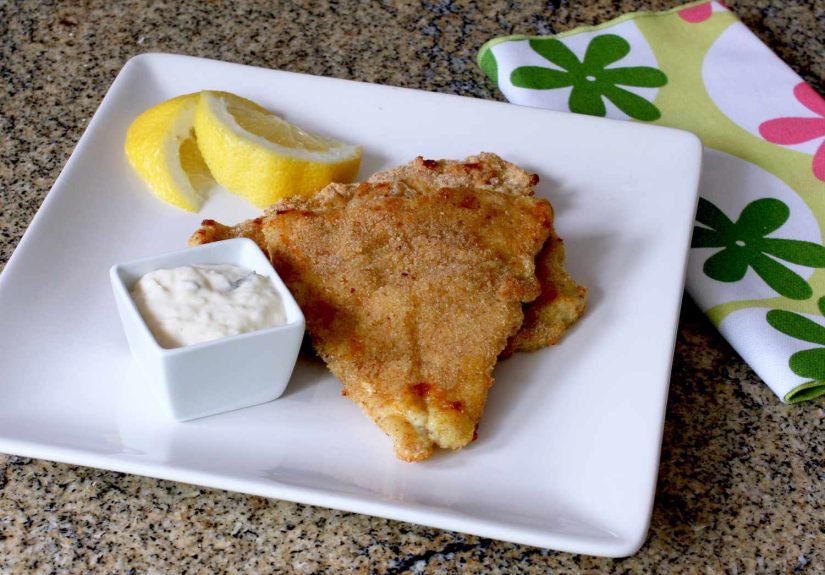
Craving that fish-and-chips crunch but not the “my kitchen smells like a boardwalk fryer for three days” aftermath? This oven-fried haddock fillet recipe is the weeknight loophole you’ve been looking for: crispy, golden, and flakywithout deep frying, splatter burns, or oil disposal drama.
Haddock is a mild, slightly sweet white fish that takes on seasoning like it’s auditioning for a starring role. Pair it with a crunchy crumb coating (hello, panko), a hot oven, and one or two smart tricks, and you’ll get that fried-style bite with a clean-baked finish.
Why Haddock Is Perfect for “Oven-Fried”
Haddock’s firm-yet-flaky texture makes it ideal for breading. It cooks quickly, stays tender when handled gently, and doesn’t fight your seasoning choices. If cod is the quiet coworker who eats plain oatmeal, haddock is the friend who shows up with hot sauce and an extra fork.
What “Oven-Fried” Really Means (And How We Make It Work)
Deep frying crisps food by rapidly evaporating surface moisture and setting a crunchy crust in hot oil. In the oven, we mimic that effect by:
- Drying the fish so the coating sticks and crisps instead of steaming.
- Using a hot oven (usually 425°F) to brown quickly before the fish dries out.
- Adding a little fat (butter or oil) to help the crumbs toast like they mean it.
- Elevating the fish on a rack so the bottom doesn’t turn into soggy breadcrumb wallpaper.
Ingredients
This recipe makes about 4 servings. Scale up easilyjust don’t crowd the pan.
For the haddock
- 1½ to 2 pounds haddock fillets (about 4 fillets)
- ¾ teaspoon kosher salt (plus more to taste)
- ½ teaspoon black pepper
- 1 teaspoon paprika (smoked or sweet)
- ½ teaspoon garlic powder
- ½ teaspoon onion powder
- 1 lemon (zest optional; wedges for serving)
For the “oven-fried” coating
- ¾ cup panko breadcrumbs
- ¼ cup finely grated Parmesan (optional, but highly recommended for extra crisp + flavor)
- 2 tablespoons chopped parsley (optional)
- 2 tablespoons melted butter or 2 tablespoons olive oil
- ½ cup all-purpose flour (or gluten-free flour blend)
- 2 large eggs
- 1 tablespoon Dijon mustard (optional, for flavor and stickiness)
Optional “make it taste like a seaside shack” extras
- Old Bay or Cajun seasoning (swap for paprika/garlic if you like)
- Pinch of cayenne
- Tartar sauce, malt vinegar, or a quick lemony yogurt sauce
Equipment That Makes This Recipe Foolproof
- Rimmed baking sheet
- Wire rack that fits inside the sheet (big crisp-energy upgrade)
- Parchment or foil (for easy cleanup)
- Instant-read thermometer (optional, but the best “don’t overcook it” insurance)
- Three shallow bowls/plates for dredging (flour, egg, crumbs)
Step-by-Step: Oven-Fried Haddock Fillets
1) Prep the oven and pan
- Preheat oven to 425°F.
- Line a rimmed baking sheet with foil or parchment for easier cleanup.
- Set a wire rack on top and lightly oil it (or spray with cooking spray). This helps prevent sticking and boosts crispiness.
2) Dry the fish (this is not optional if you want crunch)
- Pat haddock fillets dry with paper towelstop, bottom, and sides.
- Season lightly with salt, pepper, paprika, garlic powder, onion powder, and a little lemon zest if you’re feeling fancy.
Why this matters: Moisture is the enemy of crisp breading. If your fish is wet, the coating gets gummy, and you’ll wonder why your “oven-fried” fish tastes like “oven-sad.”
3) Make the crunchy topping
- In a bowl, combine panko, Parmesan (if using), parsley, and a pinch of salt and pepper.
- Drizzle in melted butter or olive oil and mix until the crumbs look evenly moistened (not drenched).
This little bit of fat helps the crumbs brown and crisp in the ovenmore “fried vibe,” less “breadcrumb sweater.”
4) Set up a breading station
- Bowl 1: Flour
- Bowl 2: Eggs whisked with Dijon mustard (optional) and a tiny pinch of salt
- Bowl 3: Panko mixture
5) Bread the haddock
- Dredge each fillet lightly in flour; shake off excess.
- Dip into egg mixture, letting extra drip off.
- Press into the panko mixture, coating well. Gently press crumbs on so they adhere.
6) Bake until crisp and flaky
- Place breaded fillets on the prepared wire rack, leaving space between them.
- Bake on the upper-middle rack for 10–15 minutes, depending on thickness.
- For extra even browning, you can carefully flip after about 7 minutes (optional if you’re using a rack).
- Fish is safely done when it reaches an internal temperature of 145°F in the thickest part, and the flesh flakes easily.
7) Optional: a quick broil “finish” for max crunch
If your crumbs are golden but you want that final crackle, broil for 30–60 seconds at the end. Do not walk away. Broilers don’t “toast” so much as they “audition your dinner for a charcoal commercial.”
Timing Guide by Thickness (So You Don’t Guess and Stress)
- ½-inch fillets: ~8–10 minutes
- ¾-inch fillets: ~10–12 minutes
- 1-inch fillets: ~12–15 minutes
The coating should look deeply golden, and the fish should flake with gentle pressure. If you’re using a thermometer, insert it from the side into the thickest part for the most accurate reading.
Best Sides for Oven-Fried Haddock
This fish is flexible. Dress it up like a restaurant plate or keep it casual like a Tuesday with big feelings.
- Classic “fish-and-chips” style: oven fries or roasted potato wedges + coleslaw
- Fresh and bright: green salad with lemon vinaigrette + roasted asparagus
- Sandwich night: pile fish into toasted rolls with tartar sauce and pickles
- Taco twist: flake into tortillas with cabbage, lime, and a spicy crema
Sauce Ideas (Because Sauce Is the Fun Department)
- Quick tartar: mayo + chopped pickles + lemon juice + a little dill
- Lemony yogurt sauce: Greek yogurt + lemon + garlic + pinch of salt
- Spicy mayo: mayo + hot sauce or sriracha + lime
- Malt vinegar moment: sprinkle lightly just before serving for true fish-shop energy
Variations to Keep It Interesting
1) “New England-ish” cracker crumb haddock
Swap half the panko for crushed buttery crackers and add parsley and garlic. You’ll get a rich, nostalgic crunch that tastes like a coastal vacationeven if you’re eating in sweatpants.
2) Spicy Cajun oven-fried haddock
Add Cajun seasoning and a pinch of cayenne to the panko mix. Serve with a cool sauce (yogurt or ranch-style) to balance.
3) Gluten-free version
Use gluten-free panko and a gluten-free flour blend. Crispiness still happens. Your fish does not miss the wheat.
4) One-side breading for easy crisp (a neat trick)
If you want fewer steps, bread only the top side. It still gives you crunch where you bite first, and the fish stays super tender underneath.
Make-Ahead, Storage, and Reheating (So Leftovers Don’t Turn Sad)
- Best fresh: This is peak-crisp right out of the oven.
- Fridge: Store leftovers in an airtight container with parchment between layers for up to 2 days.
- Reheat: Bake at 375°F until hot and crisp, about 8–12 minutes. Avoid microwaving unless you enjoy soggy nostalgia.
Common Mistakes (And How to Avoid Them)
Mistake: The coating falls off
Usually it’s because the fish was wet or the flour step was skipped. Pat dry thoroughly, and dust with flour before egg. Flour is the “primer coat” for breading.
Mistake: It’s not crispy
Use a hot oven, add a bit of fat to the crumbs, and bake on a rack so air circulates underneath. Also: don’t crowd the pan. Overcrowding = steam party = no crunch.
Mistake: The fish is dry
White fish cooks fast. Check early, especially if fillets are thin. If you’re unsure, a thermometer makes this effortless: pull it when it reaches 145°F in the thickest part.
Buying and Handling Haddock Like a Calm, Competent Adult
Choose fillets that smell clean and “sea-breezy,” not fishy. If using frozen haddock, thaw safely: in the refrigerator overnight is the easiest method. If thawing in cold water, keep it sealed and cook promptly. And as a general safety habit, avoid thawing seafood on the counter at room temperature.
Bonus sustainability note: haddock options can vary by region and fishery. If you like to shop responsibly, check a trusted seafood sustainability guide for current recommendations.
Conclusion
Experience Notes (Extra ~): What Making This Recipe Feels Like
The first time you make oven-fried haddock, there’s a very specific moment of doubt: you open the oven, you see breadcrumbs, and you think, “Is this going to be crunchy… or is it going to be politely toasted?” That’s normal. Baked breading has to earn your trust. Here’s what usually happens in real kitchensand how to turn it into a win.
Experience #1: The “why is my coating pale?” phase. If your crumbs look blond and shy at minute 10, it’s almost always because the crumbs didn’t get enough fat, the oven wasn’t fully preheated, or the fish is sitting directly on the pan (steam strikes again). The fix is easy: make sure your panko is lightly moistened with melted butter or olive oil, preheat until the oven actually beeps (not “I got bored and guessed”), and use a wire rack. The rack feels like a small detail until you taste the bottom of the fillet and realize it’s crispy too. That’s the moment you become a rack evangelist.
Experience #2: The “my fillets are different sizes” reality. Haddock rarely comes in perfectly matched, photo-shoot fillets. One might be thin near the tail; one might be a thicker center cut. This is where the recipe becomes more of a method than a strict timer. Start checking the thin pieces early. If you have an instant-read thermometer, it turns chaos into confidence: test the thickest part, and you’re done when it hits 145°F. Without a thermometer, watch for the flesh turning opaque and flaking easily with gentle pressure. And yes, it’s okay to pull one fillet early while the thicker one finishesyour dinner is not required to be “synchronized swimming.”
Experience #3: The “crumbs everywhere” cleanup saga. Breaded fish is a crumb-generating event. A few tactics make it less messy: set up your bowls left-to-right (flour → egg → crumbs), keep one hand for dry steps and one for wet steps (so you don’t create “glove fingers” made of breading), and line your pan. If crumbs fall off during baking, don’t panicthose toasted crumbs can be sprinkled over the fish right before serving like a bonus crunchy topping. That’s not a mistake; that’s chef behavior.
Experience #4: The “this tastes like fried fish!” surprise. Oven-fried haddock hits a sweet spot: crisp outside, tender inside, and lighter than deep frying. People often expect “healthy” baked fish to taste like a compromise. This doesn’t. It tastes like you planned dinner on purpose. The lemon wedge matters more than you think. A little acid at the end wakes up everythingfish, crust, seasoning and makes the whole plate feel brighter. If you’re serving kids or picky eaters, cutting the fillets into strips before breading can turn it into a homemade “fish stick” night that adults also want to eat (miracles happen).
Experience #5: The leftover learning curve. The fridge is not a crispness museum. But reheating in a hot oven (or air fryer) brings the crunch back surprisingly well. If you store leftovers with parchment between layers, the coating stays much happier. The microwave, on the other hand, will turn your beautiful crust into a soft jacket. If you want the best leftover experience, reheat at 375°F until hot and crisp, then hit it with lemon again. That second lemon squeeze is basically a reset button.
Wrap-Up
This oven-fried haddock fillet recipe proves you can get serious crunch without deep frying. Keep the fish dry, use a hot oven, give the crumbs a little fat, and bake on a rack for the crispest results. Serve it with lemon, a sauce you love, and a side that makes you feel like you’re eating near the oceaneven if you’re actually eating near your laptop.