Table of Contents >> Show >> Hide
- Why a Tattoo Can Be More Than “Just Ink”
- Who Is “This Woman,” and What Does She Actually Do?
- How Free Tattoo Cover-Ups Work (The Practical, Not-So-Instagram Part)
- Not Everyone Wants a Cover-Upand That’s Normal
- Safety Considerations: The Part We Can’t Joke About
- The Ripple Effects: Why This Kind of Help Matters
- How to Support (Or Start) a Survivor Tattoo InitiativeEthically
- FAQ: The Questions People Actually Google
- of Experiences Related to Survivor Tattoos
- Conclusion: A Small Act That Can Carry Big Weight
There are a lot of ways to help someone rebuilding after domestic violence: safe housing, legal support, counseling, financial assistance, job training, and the kind of friend who shows up with snacks and doesn’t ask weird questions like, “So what did you do to make them mad?”
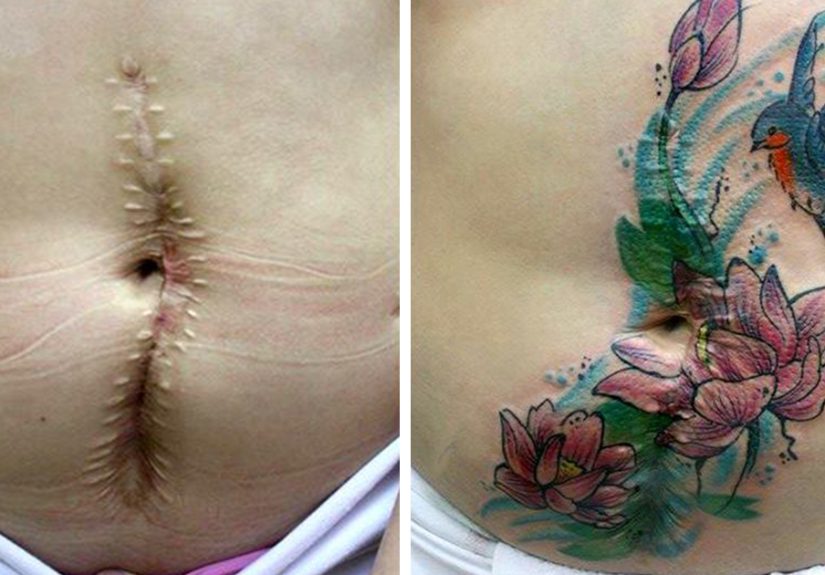
And then there’s a kind of help that doesn’t fit neatly into a brochure rack: a tattoospecifically, a free tattoo offered to survivors who want to reclaim their bodies, cover a scar, or transform an unwanted reminder into something chosen. It’s not a magic wand. It’s not a “fix.” But for many survivors, it can be a turning point: a visible, tangible line in the sand that says, this is mine now.
In the U.S., intimate partner violence (IPV) is common and can include physical, emotional, psychological, economic, and technological abuseoften centered on power and control. Survivors may leave with invisible injuries (like anxiety and hypervigilance) and visible reminders (like scars, marks, or tattoos forced or pressured by an abuser). The idea behind free survivor tattoos is simple: reduce one barrier to healingcostand offer a small but meaningful kind of agency.
Why a Tattoo Can Be More Than “Just Ink”
Tattoos are personal even when they’re spontaneous. (Especially then. Shout-out to the people who got a “YOLO” wrist tattoo in 2012 and are now accountants.) For survivors of domestic violence, body art can carry deeper meaning because abuse often involves losing control over one’s choices, space, and identity. A trauma-informed tattoo experience flips that script: the survivor chooses the design, the placement, the pace, and whether the session stops.
Reclaiming autonomyone decision at a time
Domestic violence is frequently described as a pattern: actions and threats used to gain or maintain control. Recovery, by contrast, can look like a series of small decisions that rebuild self-trust. A survivor tattoo can be one of those decisions: “I picked this. I approved the stencil. I decided where it goes. I can say ‘pause.’ I can say ‘no.’ And it stickson my terms.”
Transforming reminders without erasing history
Not every survivor wants to cover anything. Some want to keep scars visible as proof of survival; others want them softened into art. There’s no “correct” path. The best programs treat tattoos as an optionnot a requirementand avoid the toxic positivity trap of “turn your trauma into something beautiful!” (It’s okay if you’d rather turn your trauma into a restraining order and a really good therapist.)
Who Is “This Woman,” and What Does She Actually Do?
Across the United States, multiple tattoo artists and community groups have created free (or low-cost) tattoo cover-up initiatives for survivors. Some focus on covering scars from violence. Others focus on transforming tattoos connected to an abusernames, symbols, or “branding” tattoosinto designs the survivor chooses. Media and advocacy outlets have highlighted these efforts over the years, including individual artists offering free tattoos specifically for survivors and newer organized programs partnering with survivor-serving nonprofits.
One key takeaway from these real-world examples: the tattoo is only half the story. The other half is how it’s offeredcarefully, privately, and with survivor safety as the first rule of the shop.
What reputable reporting shows these programs often include
- Cover-ups at no cost (or donation-based), often coordinated through an advocacy organization rather than walk-ins.
- Confidential scheduling that avoids public posts with identifying details.
- Design consultation centered on the survivor’s preferences, with no pressure to explain personal history.
- Aftercare support and follow-ups to ensure the tattoo heals well and the survivor feels safe.
How Free Tattoo Cover-Ups Work (The Practical, Not-So-Instagram Part)
Social media makes free tattoo projects look like: “Before photo, dramatic reveal, uplifting caption, cry-face emoji.” Real life is more like: “Paperwork, scheduling, privacy precautions, consent check-ins, and a conversation about whether that old tattoo is still visible in a tank topbecause safety matters.”
Step 1: A safe referral pathway
Many programs partner with domestic violence coalitions, shelters, or survivor advocacy groups. This matters because advocates understand safety planning and can help reduce riskespecially if an abusive partner is still present or monitoring communications. Survivor-serving organizations also help verify eligibility without forcing survivors to “prove” trauma in humiliating ways.
Step 2: Privacy-first communication
Technology can be used as a tool for abuse (like location tracking or account monitoring), which is why trauma-informed programs are careful about texts, emails, and social media messages. Survivors may prefer certain contact methods and may need neutral wording in messages. The goal is simple: help, not exposure.
Step 3: Design that respects both skin and story
Cover-ups are a specific art form: the artist isn’t drawing on a blank canvas. They’re working with existing ink, scar tissue, texture changes, and sometimes skin sensitivity. A good cover-up plan considers color density, shading, line weight, and how the tattoo will age.
Just as important: design respects the survivor’s emotional boundaries. Some survivors want symbolism (phoenix, lotus, armor, mountains, waves). Others want something delightfully ordinarylike a strawberry, a little spaceship, or a cartoon frog holding a tiny “nope” sign. Healing can be serious. The tattoo doesn’t have to be.
Step 4: Consent and control during the session
Trauma-informed care emphasizes safety, choice, collaboration, trust, and empowerment. In a tattoo setting, that translates to: explaining what will happen next, asking permission before touching, offering breaks, checking pain levels, and making it easy to stop. The tattoo chair should never feel like a trap.
Step 5: Aftercare that’s realistic
Healing a tattoo takes time and consistent care. Programs that do this well give clear aftercare instructions, help survivors plan for follow-up (if needed), and avoid shame if healing isn’t perfect. Life is messy. Trauma recovery can be messier. The aftercare plan should be kind.
Not Everyone Wants a Cover-Upand That’s Normal
Survivor tattoos are one pathway, not a universal prescription. Some survivors don’t want any new ink. Some prefer removal of an unwanted tattoo. Some want nothing done at all. And some want a tattoo that is not connected to the abuse in any waybecause sometimes the most healing thing is choosing a design that says, “I’m not defined by what happened.”
A respectful program supports all of those options with the same energy. No “Are you sure?” No “But it would look so empowering.” No inspirational monologue. Just: “What do you want?”
Safety Considerations: The Part We Can’t Joke About
Domestic violence can involve ongoing risk, especially around leaving or after leaving. Safety planning is a practical process that helps survivors think through steps tailored to their situationlike transportation, communication, documentation, and trusted contacts. If someone is in immediate danger, emergency services are the priority. For non-emergency support, national hotlines and local organizations can help a survivor evaluate options.
Things a survivor might consider before getting a cover-up
- Visibility: Will the new tattoo be seen by someone who could react dangerously?
- Timing: Is now a safe time, or is it better to wait until housing/legal issues stabilize?
- Documentation: If legal action is ongoing, is it important to photograph injuries or marks before altering anything?
- Communication safety: Is the abuser monitoring devices or accounts?
- Support: Can an advocate or trusted friend help with logistics and emotional support?
The best tattoo initiatives don’t replace survivor servicesthey connect to them. Think of the tattoo as one brick in a bigger foundation: safety, support, stability, and long-term recovery.
The Ripple Effects: Why This Kind of Help Matters
Free tattoo programs for survivors of domestic violence do three important things at once:
1) They remove a financial barrier
Leaving abuse can be expensivenew housing, transportation, childcare, legal fees, lost work time. Offering a free tattoo isn’t “just a freebie.” It’s acknowledging that healing often gets put on the back burner when survival costs money.
2) They create a moment of being cared for
Trauma can make people feel like a problem to be managed. A respectful tattoo appointment can feel different: someone is focused on your comfort, your consent, and your preferences. That experiencebeing treated gently and taken seriouslycan be profoundly reparative.
3) They shift public narratives
When communities celebrate survivor agency (instead of obsessing over “why didn’t they leave sooner?”), it chips away at stigma. It also helps normalize help-seeking: support can look like a hotline call, a counseling session, a protective order, a new bank account, or yesa tattoo that marks a new chapter.
How to Support (Or Start) a Survivor Tattoo InitiativeEthically
If you’re a tattoo artist, shop owner, nonprofit, or community organizer thinking, “We should do this,” here’s what ethical, survivor-centered setup often requires:
Partner with professionals who know survivor safety
Domestic violence advocates and coalitions have expertise in safety planning, confidentiality, and survivor support. Partnering with them helps prevent well-meaning harmlike accidentally exposing a survivor’s location or identity.
Build trauma-informed practices into the appointment flow
Trauma-informed principles emphasize safety, trust, peer support, collaboration, and empowerment. In tattooing, this means clear consent, transparency about process, control over breaks, and no pressure to disclose personal stories.
Keep it private by default
“Before-and-after” photos can be risky. So can tagging locations and posting faces. If a survivor wants to share their tattoo publicly, that’s their choice. The program’s default should be: anonymity and safety.
Be clear about scope and boundaries
A tattoo artist is not a therapist, and a tattoo appointment is not a crisis intervention session. Ethical programs know where their role ends and how to connect survivors to appropriate resources without judgment.
FAQ: The Questions People Actually Google
Are free tattoos for domestic violence survivors common?
They’re not everywhere, but they exist in multiple forms: individual artists offering free cover-ups, shop-based programs, and collaborations with nonprofits. Availability varies by city and region, and many operate quietly to protect survivor privacy.
Do these programs only cover scars?
Some focus on scars; others focus on cover-ups of unwanted tattoos connected to abuse. Some do both. Many programs are flexible because survivors’ needs vary widely.
Is tattoo removal an option instead?
Yes. Some survivors prefer removal, especially for names or symbols. Cover-up vs. removal depends on the individual, the tattoo, skin type, budget, and safety concerns.
What if someone is still living with an abusive partner?
Safety comes first. Survivors can talk with a local advocate about safety planning and communication strategies before scheduling anything that could increase risk.
of Experiences Related to Survivor Tattoos
If you ask survivors what “healing” looks like, you’ll get answers that don’t fit into a single inspirational quote font. Healing can be hugemoving to a new city, getting full custody, finishing school. But it can also be almost comically small: learning to sleep without your phone on full volume, eating dinner without bracing for footsteps, or realizing you can choose a shirt because you like it, not because it hides something.
Survivor tattoos often show up in that “small but mighty” category. People describe the experience less like “I got a tattoo” and more like “I got a choice back.” The consult can feel like practicing consent in a low-stakes environment: selecting imagery, approving placement, deciding how visible it is, and setting the tone. Some survivors bring a friend. Some want quiet. Some want to talk about anything except the pastpets, sports, the fact that the artist’s playlist is unexpectedly heavy on early-2000s throwbacks. (“Is this Nelly?” “Yes.” “Great. I will now heal to ‘Hot in Herre.’”)
A common thread is that the best artists don’t ask for a trauma biography. Survivors don’t have to perform sadness to “earn” kindness. They can say, “I’m covering a name,” and the artist simply nods like, “Say less. Let’s turn that into a peony.” They can change their minds mid-session. They can ask for breaks without apology. The whole process becomes a rehearsal for boundaries outside the studio: if I can say “stop” here and be respected, maybe I can say “no” elsewhere and be respected too.
Another experience survivors mention is the surprisingly emotional aftercare phase. A tattoo heals in stagessometimes itchy, sometimes tender, sometimes a little scary when it peels and you think you’ve ruined it forever. That messy middle can mirror recovery: you can do everything “right” and still have days that feel raw. Having a plansoap, ointment, clean sheets, a follow-up messagecan make the process feel manageable. It’s also a reminder that care is allowed to be practical, not performative. You don’t need a dramatic “rebirth” moment. You need clean hands and consistent support.
And sometimes the experience is simply joyful. Not “joyful because trauma,” but joyful because humans deserve joy. Survivors pick designs that make them laugh. They choose bright colors because they want them. They get a tiny constellation because they like stargazing. They decide the next chapter doesn’t have to look like a motivational posterit can look like a jellyfish in sneakers. The point isn’t that the tattoo erases what happened. The point is that it doesn’t get to own the body anymore.
Conclusion: A Small Act That Can Carry Big Weight
“This woman does free tattoos for survivors of domestic violence” sounds like a feel-good headlineand it is. But it’s also a blueprint for what survivor-centered help can look like: practical, respectful, choice-driven, and rooted in safety. A tattoo won’t replace shelter, legal protection, therapy, or long-term support. It can, however, offer something many survivors have been denied: a decision that is entirely theirs, made in a space where “no” is honored and “pause” is welcomed.
In a world where abuse tries to shrink a person down to fear, a survivor tattoo can be a quiet expansionan image that says: I’m here. I choose. I continue.