Table of Contents >> Show >> Hide
- What Is Pedialyte, Exactly?
- Why Pedialyte Can Work So Well for Dehydration
- Is Pedialyte Effective for Everyone?
- Pedialyte vs. Water vs. Sports Drinks
- How to Use Pedialyte Smartly
- So, Is Pedialyte an Effective Rehydration Drink for All?
- Common Experiences With Pedialyte and Dehydration
- Conclusion
- SEO Tags
Note: This article is for general information only and is not a substitute for medical advice. Severe dehydration can be an emergency.
Dehydration has a sneaky way of turning normal humans into cranky raisins. One minute you are “totally fine,” and the next you have a dry mouth, a pounding headache, low energy, and the personality of a Wi-Fi router during a thunderstorm. When that happens, many people reach for Pedialyte. It is easy to find, recognizable, and often spoken about like a tiny bottled superhero.
But is Pedialyte really an effective rehydration drink for everyone? Not exactly. It can be a smart choice in the right situations, especially when you are losing both fluids and electrolytes through vomiting, diarrhea, heat, or heavy sweating. At the same time, it is not a magical cure-all, not always necessary, and not the best answer for every person or every kind of dehydration.
This guide breaks down what Pedialyte is, how it works, when it helps most, and when plain water, regular meals, or medical care may be the better move. In other words, we are putting the bottle under the microscope without making it weird.
What Is Pedialyte, Exactly?
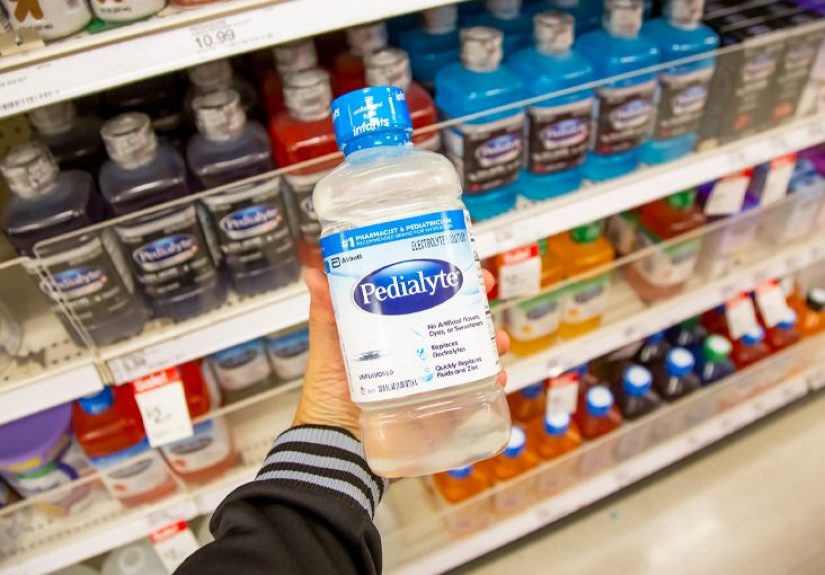
Pedialyte is an oral rehydration solution, often called an ORS. That sounds clinical, but the idea is simple: it is a drink designed to replace the fluids and electrolytes your body loses when you are sick, overheated, or otherwise running low on hydration. The key players are sodium, potassium, and chloride, along with glucose, which helps your body absorb sodium and water more effectively.
That balance is what makes Pedialyte different from plain water. Water is great for normal daily hydration, but it does not replace electrolytes on its own. Pedialyte is also different from juice, soda, and many sports drinks, which may contain more sugar than is ideal when someone has diarrhea or vomiting. In those situations, drinks with too much sugar can make the gut even less cooperative. And when your stomach is already staging a protest, nobody needs extra drama.
Why Pedialyte Can Work So Well for Dehydration
When your body loses fluids because of diarrhea, vomiting, fever, or heavy sweating, you are not just losing water. You are also losing electrolytes, which help regulate nerve function, muscle contraction, fluid balance, and blood pressure. That is why dehydration can make you feel dizzy, weak, achy, foggy, and generally like your internal batteries are on 3%.
Pedialyte is formulated to replace both fluid and electrolytes at the same time. That is especially important in cases of mild to moderate dehydration linked to stomach illnesses. Oral rehydration solutions have long been recommended in medical guidance because they help restore hydration without the need for IV fluids in many uncomplicated cases.
In practical terms, Pedialyte may help more than water alone when:
You Have Vomiting or Diarrhea
This is where Pedialyte really earns its reputation. If you are losing fluid quickly through repeated vomiting or diarrhea, replacing only water may not be enough. An oral rehydration solution can help restore sodium and other electrolytes along with the liquid your body desperately wants back.
This is also why pediatricians often recommend electrolyte solutions for children with stomach bugs. The goal is not to chug a huge bottle in one heroic gulp. It is to take small, frequent sips so the body can absorb what it needs without triggering more vomiting.
You Are Dehydrated From Heat or Heavy Sweating
After prolonged heat exposure, hard workouts, or outdoor activity, Pedialyte can help replenish electrolytes along with fluids. Some people find it especially useful after long hours in the sun, a grueling shift outdoors, or intense exercise that leaves them feeling depleted rather than just thirsty.
That said, this does not mean every mildly sweaty gym session requires a neon hydration ceremony. For many routine workouts, water and a normal meal are enough. Pedialyte tends to be more helpful when fluid and electrolyte loss is significant.
You Are in a Higher-Risk Group
Children and older adults can become dehydrated faster than healthy younger adults. Babies, toddlers, seniors, and people with illnesses that limit appetite or fluid intake often need closer attention. In these groups, a balanced oral rehydration drink can be especially useful, provided it is used appropriately and medical care is sought when symptoms are severe.
Is Pedialyte Effective for Everyone?
Here is the honest answer: Pedialyte is effective for many people in certain dehydration scenarios, but it is not automatically the best drink for all people, all ages, or all situations.
Yes, Adults Can Use It
Pedialyte may be marketed with a kid-friendly reputation, but adults can use it too. In fact, many adults reach for it during stomach flu season, while traveling, or after getting clobbered by heat. If you are an adult with fluid loss from illness or heavy perspiration, Pedialyte can be a practical option.
No, It Is Not Necessary for Everyday Hydration
If you are healthy, eating normally, and just a bit thirsty after a regular day, plain water is usually enough. Using Pedialyte like it is your all-day status beverage is often overkill. Your kidneys, your grocery budget, and your taste buds may all quietly agree.
In normal daily life, hydration usually comes from water, other beverages, and foods with high water content. Pedialyte is more of a problem-solver than a lifestyle accessory.
No, It Does Not Replace Medical Care
If dehydration is severe, Pedialyte is not the whole answer. Severe dehydration may require urgent medical attention and IV fluids. Warning signs include confusion, fainting, very little or no urination, rapid breathing, rapid heartbeat, extreme weakness, or inability to keep fluids down. In babies and young children, fewer wet diapers, no tears, unusual sleepiness, and a sunken soft spot are also red flags.
No, It Is Not Ideal for Every Medical Situation
Some people should be more cautious with electrolyte drinks, including those who have kidney disease, heart failure, or medical advice to limit sodium or fluids. In those cases, a “hydration helper” can bump into a more complicated fluid balance issue. Infants under 1 year should not be given Pedialyte casually without guidance from a doctor. Breast milk or formula usually remains central for infants, and an oral rehydration solution should be used as directed.
Pedialyte vs. Water vs. Sports Drinks
Choosing the best rehydration drink depends on why you are dehydrated in the first place.
Pedialyte vs. Water
Water is best for routine hydration. It is simple, affordable, and exactly what most people need most of the time. But if you are losing electrolytes rapidly from diarrhea, vomiting, or significant sweating, water alone may not replace what your body has lost.
Pedialyte vs. Sports Drinks
Sports drinks are designed mainly for athletic sweat losses, not for stomach illness. Many contain more sugar than an oral rehydration solution, which can be less helpful when diarrhea is part of the problem. Pedialyte is usually the stronger choice for dehydration linked to gastrointestinal illness. Sports drinks may work better for some exercise situations, but they are not interchangeable with ORS products in every scenario.
Pedialyte vs. Juice or Soda
This one is not particularly close. Juice and soda may add fluid, but their sugar content can be a poor fit during diarrhea and vomiting. They are not balanced rehydration solutions. They are more “tasty distraction” than targeted hydration strategy.
How to Use Pedialyte Smartly
If you decide to use Pedialyte, technique matters. Gulping a large amount all at once can backfire, especially if nausea is part of the story.
Take Small, Frequent Sips
When someone is vomiting or has an upset stomach, small sips every few minutes are often easier to tolerate than big drinks. For children, this may mean spoonfuls, sips from a cup, or tiny amounts at a time until the stomach settles down.
Use It for the Right Problem
Pedialyte is most useful when fluid loss is the real issue. Think diarrhea, vomiting, fever, heat exposure, travel-related stomach trouble, or heavy sweating. It is less useful when you are simply reaching for something “healthy” because the bottle says electrolytes and the label looks confident.
Keep Eating Normally When You Can
Rehydration is important, but so is getting back to normal nutrition as tolerated. For babies, breast milk or formula should usually continue. For older children and adults, returning to regular foods as symptoms improve can support recovery.
Know When to Call a Doctor
Call a healthcare professional if symptoms last more than a day, dehydration is worsening, there is blood in the stool, a high fever is present, or the person cannot keep fluids down. Older adults, pregnant people, infants, and those with chronic medical conditions should be especially careful.
So, Is Pedialyte an Effective Rehydration Drink for All?
Pedialyte is effective, but the “for all” part needs an asterisk the size of a beach umbrella.
It is a strong option for mild to moderate dehydration caused by vomiting, diarrhea, heat, travel, or heavy sweating. It can be helpful for both kids and adults. It often works better than plain water when electrolytes have been lost, and it is usually a better fit than juice, soda, or many sports drinks during stomach illness.
But it is not necessary for everyday hydration, not ideal for every person, and not a substitute for medical treatment when dehydration becomes severe. In short, Pedialyte is not a miracle potion. It is a useful tool. And like any tool, it works best when you use it for the right job.
Common Experiences With Pedialyte and Dehydration
The following experiences are based on common real-world scenarios people face when dealing with dehydration. They are not individual medical testimonials, but they reflect the situations in which Pedialyte is often discussed and used.
One of the most familiar situations is the exhausted parent dealing with a child who has a stomach bug. The child is not interested in food, regular water comes right back up, and everyone in the house is suddenly living in survival mode. In that setting, Pedialyte often becomes the peace treaty. Parents tend to find that small, frequent sips are more successful than trying to get a child to drink a full cup at once. It is less glamorous than a heroic hydration montage, but it works better. The biggest lesson many parents learn is that patience matters as much as the product.
Adults often report a similar experience during a bout of food poisoning or viral gastroenteritis. They may start by drinking plain water, only to realize they still feel weak, lightheaded, and wrung out. When they switch to an oral rehydration drink, they sometimes notice they recover more comfortably because they are replacing electrolytes along with fluids. The difference is not magic. It is chemistry doing its job while the rest of the body tries to stop being dramatic.
Then there is the outdoor worker, runner, or weekend athlete who spends hours in the heat and suddenly feels wiped out. In that case, Pedialyte may feel more effective than water alone because heavy sweating can drain sodium and other electrolytes. People often describe that depleted feeling as more than thirst. It is that shaky, heavy, slightly foggy state where your body seems to be filing complaints. A balanced rehydration drink can help, especially when heat exposure has been long or intense.
Travel is another common theme. People dealing with traveler’s diarrhea or a long, hot day in transit often reach for Pedialyte because it is portable, familiar, and designed for fluid loss. Many find that it helps them bounce back more reliably than whatever random airport beverage was calling their name from the cooler. When your digestive system is already in chaos, choosing a purpose-built rehydration drink is usually smarter than gambling on soda.
Older adults and caregivers also commonly talk about Pedialyte in the context of illness recovery. A mild stomach illness that would be unpleasant for a younger adult can become more concerning in a senior, especially if appetite is low and fluid intake drops quickly. In these cases, Pedialyte may be useful, but families also tend to realize that monitoring symptoms is just as important as offering fluids. If confusion, weakness, or reduced urination appear, the conversation changes fast from “try another sip” to “call the doctor now.”
There is also a less helpful experience: using Pedialyte as a trendy daily beverage when there is no real fluid loss to replace. Some people buy it assuming more electrolytes automatically equal better health. Usually, they just end up spending extra money to solve a problem they did not have. For normal everyday hydration, water still wears the crown. Pedialyte shines when dehydration is real, not when hydration has become a hobby.
Conclusion
Pedialyte can absolutely be an effective rehydration drink, especially for mild to moderate dehydration caused by vomiting, diarrhea, heat, or heavy sweating. It is useful for kids and adults, and it often makes more sense than water alone when electrolytes have been lost. Still, it is not for everyone in every situation. Some people need plain water, some need medical guidance, and some need urgent care instead of another bottle from the pharmacy shelf.
The smartest way to think about Pedialyte is this: it is a targeted hydration tool, not a universal life upgrade. When used appropriately, it can be genuinely helpful. When used indiscriminately, it is just expensive thirst management with a strong publicist.