Table of Contents >> Show >> Hide
- Why Japanese Maples Deserve a Little Extra Care
- Choose the Right Spot Before You Touch a Shovel
- The Best Time to Plant a Japanese Maple
- What You Will Need
- How to Plant a Japanese Maple Tree Successfully
- First-Year Care After Planting
- Common Mistakes to Avoid
- What Planting Looks Like in Real Life
- Experiences and Lessons From Planting Japanese Maples Successfully
- Conclusion
Planting a Japanese maple is one of those gardening jobs that looks innocent on paper. Dig hole. Insert tree. Add water. Admire yourself. But in real life, this elegant little tree has opinions. It does not want soggy roots. It does not want to be buried like treasure. It does not want to bake in a brutal afternoon sun spot beside a heat-reflecting driveway. And if you ignore those opinions, it will express itself through scorched leaves, stalled growth, and the kind of droopy disappointment only a tree can deliver.
The good news is that planting a Japanese maple tree successfully is not hard when you get the basics right. These trees are famous for graceful branching, spectacular fall color, and year-round beauty, but their beauty starts below ground. Proper planting depth, soil drainage, mulch, and watering matter far more than fancy fertilizer or wishful thinking. Give your tree a smart start, and it can become the quiet superstar of your landscape for years.
In this guide, you will learn exactly how to plant a Japanese maple the right way, how to avoid the most common mistakes, and how to help it settle in without drama. Think of it as a welcome manual for a very stylish, slightly picky guest.
Why Japanese Maples Deserve a Little Extra Care
Japanese maples are not difficult because they are fragile divas. They are difficult because gardeners often treat them like generic shade trees, and they are not. Most varieties prefer evenly moist, well-drained soil, protection from harsh wind, and at least some afternoon shade in warmer climates. Their root systems are often shallow and fine, which means they appreciate cool soil, mulch, and steady moisture while they establish.
That sounds like a lot, but it really comes down to this: choose a good spot, plant it at the correct depth, and do not let the root zone swing wildly between swamp and desert. Once established, many Japanese maples are surprisingly resilient and become low-maintenance statement trees.
Choose the Right Spot Before You Touch a Shovel
Light: Bright, But Not Brutal
The ideal location for many Japanese maples is morning sun with afternoon shade, or bright dappled light beneath taller trees. In cooler northern areas, some cultivars can handle more sun. In hotter southern or inland climates, afternoon shade becomes much more important. If you plant your tree where the summer sun turns the ground into a frying pan, leaf scorch may show up like a nasty memo from management.
A good rule is simple: if the site feels comfortable for a woodland plant and not like the hood of a parked car in July, you are probably on the right track.
Soil: Moist and Well-Drained Wins the Prize
Japanese maples like soil that holds some moisture but drains well. Rich, slightly acidic soil is a bonus, but drainage matters more than perfection. If water sits for hours after rain, that site is risky. Roots need oxygen just as much as they need water, and standing water can turn a planting hole into a tiny underground tragedy.
If you are unsure about drainage, dig a test hole about 12 inches deep, fill it with water, and watch how quickly it drains. Slow drainage is a warning sign. In that case, you may need a better site, a berm, or a raised planting area rather than a deeper hole. Deeper holes are not a fix. They are a sequel nobody asked for.
Wind and Microclimate Matter
Japanese maple leaves can shred, dry out, or scorch in exposed, windy locations. Try to place your tree where it is protected from harsh prevailing winds, especially hot or drying winds. A spot near an east-facing wall, the north side of a home, or beside taller companion plantings can create the kind of sheltered microclimate these trees appreciate.
Just do not crowd the tree against the house. It still needs room for mature width, airflow, and a root zone that is not fighting foundation concrete.
The Best Time to Plant a Japanese Maple
The best time to plant is usually fall or early spring, when temperatures are milder and the tree can focus on root establishment before facing summer heat. Fall is especially helpful because the soil is still warm, and the top of the tree is slowing down for the season. That lets roots get started without the added pressure of pushing lots of new leaves.
You can plant at other times if necessary, especially with container-grown trees, but summer planting is harder. It demands much more careful watering, more shade awareness, and more luck than most gardeners like to admit.
What You Will Need
You do not need a truckload of miracle products. You need the basics: a shovel, a hose, mulch, pruners, and maybe a utility knife if the root ball is tightly pot-bound. If your tree is balled and burlapped, have cutters ready to remove rope, burlap, and at least the upper portion of any wire basket. Native soil is usually the right backfill. In other words, save your money for another plant. You know you are going to buy one anyway.
How to Plant a Japanese Maple Tree Successfully
1. Water the Tree Before Planting
If the root ball is dry, water it before the tree goes into the ground. A hydrated root ball handles transplanting better than one that arrives already stressed. Dry roots do not become more cheerful after planting.
2. Find the Root Flare
This step separates successful planting from accidental sabotage. The root flare is the point where the trunk widens and the first major roots begin to spread outward. On many nursery trees, that flare is hidden under excess soil or potting mix. Gently remove loose soil from the top of the root ball until you can see it.
Why does this matter? Because if you plant the tree based on the top of the container soil instead of the actual root flare, you may plant it too deep. That is one of the most common reasons young trees struggle. A buried flare encourages rot, poor oxygen flow, and girdling roots over time.
3. Dig a Wide, Shallow Hole
Dig the planting hole at least two times wider than the root ball, but no deeper than the distance from the root flare to the bottom of the root mass. In many cases, planting the tree with the flare at soil level or even slightly above surrounding grade is ideal to allow for settling.
The bottom of the hole should be firm, not fluffy. If the tree sits on loosened soil, it can sink after watering, and suddenly your perfectly planted maple is now wearing too much earth like an oversized turtleneck.
4. Correct Root Problems Before the Tree Goes In
If your Japanese maple is container-grown, inspect the roots. If they are circling around the root ball, tease them apart. If they are tightly wrapped, make several shallow vertical cuts and remove obvious girdling roots with pruners. This encourages new roots to grow outward into the surrounding soil instead of continuing the root version of a traffic circle.
If the tree is balled and burlapped, place it in the hole first, confirm the depth, and then remove rope around the trunk. Pull back or cut away the burlap from the top portion of the ball. If there is a wire basket, remove it if possible, or at least cut away the top section so roots are not trapped where they need to expand.
5. Set the Tree at the Right Height
Place the tree in the hole so the root flare ends up at or slightly above the surrounding soil line. Step back and check that the trunk is straight from more than one angle. A tree can look perfectly upright from one side and vaguely dramatic from another.
If the hole is too deep, do not cheat by tossing loose soil under one side and hoping for the best. Remove the tree and fix the depth properly. Your future self will be grateful.
6. Backfill With Native Soil
Backfill the hole using the soil you removed. In many home landscapes, this is better than heavily amending just the planting hole. Over-amending can create a bathtub effect in poorly drained soils or discourage roots from moving outward into the surrounding ground.
As you backfill, use water to help settle soil into gaps. Press lightly with your hands if needed, but do not stomp the soil into submission. Compacted soil makes root establishment harder, not easier.
7. Water Deeply Right After Planting
Once the hole is filled, water thoroughly. This settles the soil, removes air pockets, and gives the tree its first proper drink in its new home. Think deep soaking, not a quick sprinkle. A shallow splash only wets the surface and convinces no one.
8. Apply Mulch the Right Way
Add a two- to three-inch layer of mulch around the root zone, extending it beyond the root ball if possible. Keep the mulch several inches away from the trunk. Do not pile mulch against the bark. A mulch volcano may look enthusiastic, but it can trap moisture against the trunk, encourage decay, and hide the root flare you worked so hard to expose.
Mulch helps moderate soil temperature, conserve moisture, and reduce weed competition. For a Japanese maple, that is a very welcome trio.
9. Stake Only If You Truly Need To
Most small to medium Japanese maples do not need staking if they are planted properly. Stake only if the site is unusually windy or the root ball is unstable. If you do stake, use soft ties that allow some movement, and remove supports within a year. A tree needs a little sway to develop strength.
First-Year Care After Planting
Watering
The first year is all about moisture management. Keep the root ball and nearby soil evenly moist, not constantly soaked. In general, newly planted Japanese maples need regular deep watering during dry spells, especially in spring, summer, and early fall. The exact schedule depends on rainfall, soil type, and heat, but checking the soil is smarter than watering by superstition.
Stick a finger into the soil a few inches down near the root ball. If it feels dry, water deeply. If it feels wet and heavy, wait. Overwatering can be just as harmful as underwatering, which is rude but true.
Fertilizer
Do not rush to fertilize a newly planted Japanese maple. Right after planting, the tree needs to establish roots, not be pushed into a burst of tender top growth. If the tree is healthy and planted in decent soil, patience is often the better product. Save the fertilizer bag for later, or at least until the tree has had time to settle in.
Pruning
At planting time, prune only what is dead, broken, or clearly damaged. Avoid heavy shaping right away. Japanese maples are prized for their natural form, and newly planted trees do not need a makeover; they need recovery time.
Common Mistakes to Avoid
Planting too deep: This is the big one. If the root flare disappears underground, problems often follow.
Choosing a hot, exposed site: Afternoon scorch, wind damage, and drought stress can make even a healthy tree miserable.
Ignoring circling roots: Pot-bound roots do not magically fix themselves just because the tree changed addresses.
Mulching against the trunk: Keep mulch over the roots, not up the bark.
Watering too little or too often: Deep, consistent watering is the goal. Not panic watering. Not random hose drive-bys.
Overusing fertilizer: More food is not more success, especially right after transplanting.
What Planting Looks Like in Real Life
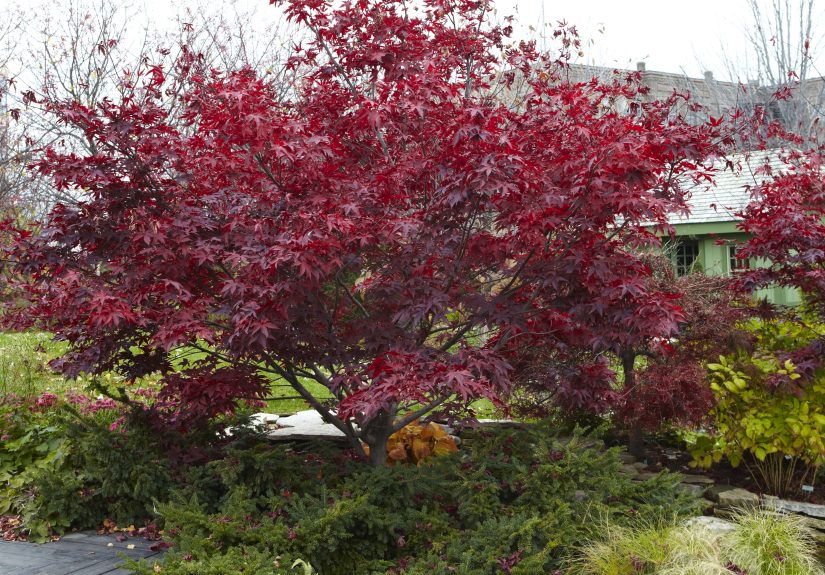
Imagine you plant a red laceleaf Japanese maple beside a west-facing patio because it looks amazing there in spring. And it probably does. Then July arrives, the patio reflects heat like an outdoor skillet, the wind whips across the yard, and the leaves crisp at the edges. The problem is not that Japanese maples are impossible. The problem is that the tree was placed in a pretty picture instead of a functional microclimate.
Now imagine the same tree planted where it gets gentle morning sun, filtered afternoon light, steady mulch, and careful watering its first year. Same species. Same homeowner. Completely different outcome. Site selection is not a detail. It is the whole opening act.
Experiences and Lessons From Planting Japanese Maples Successfully
Gardeners who have the best long-term success with Japanese maples often say the same thing afterward: the planting itself was quick, but the thinking before planting made all the difference. One of the most common experiences is realizing that the tree’s original “perfect spot” was only perfect from the patio furniture’s point of view. The better spot was often a few feet away, where the light was softer, the wind was calmer, and the soil stayed cooler under nearby shrubs or mulch.
Another frequent lesson comes from digging into the root ball and discovering that the tree was potted too deeply at the nursery. Many people are surprised by how much extra soil has to be brushed away before the true root flare appears. It can feel slightly alarming at first, as though you are unwrapping a secret the tree did not mean to share. But once gardeners see how much deeper the trunk would have been buried if they had planted by the container soil line, the reason becomes obvious. That one step often changes the entire outcome.
People also learn quickly that watering a Japanese maple is less about frequency and more about rhythm. New owners sometimes water a little every day because they are trying to be attentive. Then they discover the surface stays wet while deeper roots still struggle, or the opposite happens and the root ball dries out because only the mulch got a drink. Successful growers usually settle into a pattern of slower, deeper watering and then checking the soil before watering again. It is not glamorous, but it works.
Mulch is another area where experience teaches fast. At first, many gardeners place mulch too close to the trunk because it looks tidy. Later they notice bark staying damp or the trunk flare disappearing under a decorative pile. Once they pull the mulch back and create a proper ring over the root zone instead, the tree often looks better and the planting looks better too. Funny how less mulch touching the trunk somehow equals more competence.
There is also the lesson of patience. Japanese maples do not always explode with growth after planting, and that can make people nervous. A tree that seems to “just sit there” for a season may actually be doing exactly what it should: establishing roots. Gardeners with good results often say they stopped trying to improve the tree every weekend. They watered when needed, protected the root zone, skipped unnecessary fertilizer, and let the tree settle. In other words, they learned the advanced gardening skill known as leaving it alone.
Perhaps the most encouraging experience is how forgiving these trees can be once the fundamentals are right. A Japanese maple planted correctly may still show a little leaf scorch during a heat wave or sulk briefly after transplanting, but that does not mean failure. Many healthy trees look a little rough during their first hard summer and then return beautifully the next spring. Gardeners who stick with them often end up with a tree that becomes the most admired plant in the yard, the one visitors ask about first, and the one photographed every fall like a celebrity at golden hour.
So if you want success, think less about gardening tricks and more about gardening judgment. Pick the right site. Expose the flare. Plant high, not deep. Water wisely. Mulch properly. Then give the tree time to become what it was meant to be: elegant, architectural, and just dramatic enough to make everything around it look more expensive.
Conclusion
If you want to plant a Japanese maple tree successfully, focus on the essentials that actually matter: the right light, good drainage, visible root flare, a wide shallow planting hole, corrected roots, careful mulch placement, and steady first-year watering. Get those steps right, and your tree has an excellent chance of settling in beautifully.
Japanese maples may have a reputation for being fussy, but they are really just specific. Respect those specifics, and you will be rewarded with graceful structure, gorgeous foliage, and a tree that makes the rest of the landscape look like it got dressed up on purpose.