Table of Contents >> Show >> Hide
- What Is a Pendulum Door Knocker?
- Why Door Knockers Still Matter
- The Design Appeal of a Pendulum Door Knocker
- Best Materials and Finishes
- How to Choose the Right Pendulum Door Knocker
- Where to Place a Pendulum Door Knocker
- Installation Considerations
- Maintenance and Care
- Pendulum Door Knocker vs. Traditional Door Knocker
- Best Home Styles for a Pendulum Door Knocker
- Common Mistakes to Avoid
- Experience Notes: Living With a Pendulum Door Knocker
- Conclusion
A front door is the handshake of a house. Before guests notice the sofa, the kitchen island, or the very serious collection of throw pillows, they meet the entryway. And sitting right at eye level, quietly waiting to make an impression, is one of the most charming pieces of door hardware ever invented: the door knocker. More specifically, the pendulum door knocker.
The pendulum door knocker is not your average “tap-tap, hello?” accessory. It is sculptural, practical, and wonderfully dramatic without behaving like it has hired a publicist. With its weighted swinging form, clean geometry, and tactile movement, it turns a basic knock into a small architectural moment. It is the kind of detail that makes a guest pause and think, “Ah, someone here owns real coasters.”
In modern home design, the pendulum door knocker has become especially appealing because it blends old-world function with minimalist style. Traditional door knockers often feature rings, lions, urns, shells, or ornate colonial motifs. A pendulum-style knocker, by contrast, feels quieter and more deliberate. It can look sleek on a contemporary front door, warm on a craftsman bungalow, and surprisingly elegant on a restored historic home.
What Is a Pendulum Door Knocker?
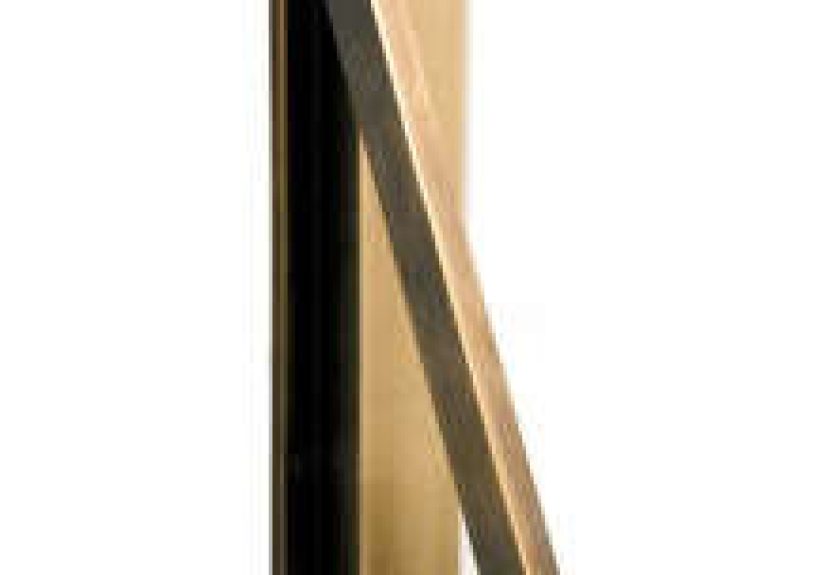
A pendulum door knocker is a decorative and functional door knocker designed around a swinging weighted element. Instead of a ring that lifts and drops, the pendulum design typically uses a vertical handle or bar that moves against a strike plate or door surface to produce a clear knock.
The beauty of the design is in its simplicity. A pendulum shape naturally suggests motion, balance, and rhythm. It also feels satisfying in the hand. Good door hardware is not just something you see; it is something you use. A well-made pendulum door knocker has weight, grip, and presence. It gives the front door personality without forcing the door to wear a costume.
One of the best-known modern examples is the DESU Design Pendulum Door Knocker, designed by David E. Scott. The piece is known for its minimalist form, substantial size, and availability in finishes such as brushed stainless steel, antique brass, brass, oil-rubbed bronze, and black. Its dimensions are listed at about 10 inches tall, 2 inches wide, and 1.5 inches deep, making it large enough to read as a design statement without overwhelming most standard entry doors.
Why Door Knockers Still Matter
Yes, doorbells exist. Smart doorbells exist. Cameras exist. Some of them can probably recognize your mail carrier, your neighbor’s dog, and your uncle’s suspicious habit of showing up right before dinner. But a door knocker still has a role because it adds character that technology rarely provides.
A doorbell is a device. A door knocker is a gesture. It belongs to the long tradition of architectural hardware: handles, hinges, locks, plates, bells, and knockers that do more than perform a task. They communicate taste, craft, durability, and welcome.
Door hardware has historically carried cultural and aesthetic importance. In older homes, visible hardware was often part of the public face of the house, especially in formal entryways. That idea still matters today. When a homeowner chooses a pendulum door knocker, they are not only choosing a way for visitors to announce themselves. They are choosing an entryway focal point.
The Design Appeal of a Pendulum Door Knocker
Minimalism With Personality
Minimalist design sometimes gets accused of being cold. A pendulum door knocker proves that simple does not have to mean boring. Its form is clean, but the movement adds warmth. It is a small object with a tiny performance built in.
On a flat slab door, the pendulum knocker can provide the visual punctuation the door needs. On a paneled door, it can create contrast by introducing a modern vertical line. On a dark painted door, brass or stainless steel adds a crisp highlight. On a natural wood door, black or oil-rubbed bronze can give the entry a grounded, architectural finish.
Old-World Utility, Modern Shape
The phrase “old-world utility” fits the pendulum door knocker perfectly. Door knockers are ancient in concept, but this style strips the idea down to its essentials: hand, motion, sound, response. No scrollwork required. No lion with an expression that says it knows your mortgage rate.
That makes the pendulum style especially useful for homeowners who like historic references but do not want ornate hardware. It nods to tradition while still looking contemporary.
A Tactile Detail Guests Notice
Good design is often about touch. A heavy, balanced knocker feels intentional. Slightly recessed sides, rounded edges, and a comfortable grip can make the experience of using the knocker feel natural. That matters because entry hardware is one of the few pieces of exterior design that visitors physically interact with.
Best Materials and Finishes
The material and finish of a pendulum door knocker determine how it looks, how it ages, and how well it suits the home’s exterior. Most quality door knockers are made from durable metals such as brass, bronze, stainless steel, or iron.
Brass
Brass is a classic choice for front door hardware because it offers warmth and elegance. Polished brass feels traditional and bright, while unlacquered or antique brass develops a softer, lived-in look over time. Brass pairs beautifully with black, navy, forest green, cream, white, and rich wood tones.
Bronze
Bronze has a deeper, more architectural quality. Oil-rubbed bronze works especially well on craftsman, Mediterranean, rustic, and transitional homes. It adds contrast without shouting. Over time, bronze can develop a handsome patina, which is basically metal’s way of aging with better manners than most of us.
Stainless Steel
Brushed stainless steel is ideal for modern and contemporary homes. It looks clean, precise, and slightly industrial. It also pairs well with glass, concrete, charcoal paint, and simple wood doors. A stainless pendulum door knocker can make an entry feel polished without looking flashy.
Black Finish
Black hardware has become a favorite in modern farmhouse, transitional, and minimalist design. A black pendulum door knocker on a light-colored door feels graphic and crisp. On a black door, it creates a quiet tone-on-tone look that feels sophisticated.
How to Choose the Right Pendulum Door Knocker
Match the Scale to the Door
Scale is everything. A tiny knocker on a tall door can look like a postage stamp that got lost on vacation. A giant knocker on a narrow door can feel theatrical in the wrong way. For most standard front doors, a pendulum door knocker around 8 to 10 inches tall offers strong presence while still feeling balanced.
If the door is especially tall, wide, or visually plain, a larger design may work well. If the door has windows, raised panels, or decorative trim, choose a knocker that fits comfortably within the available center area.
Coordinate With Existing Hardware
The knocker does not need to match every single metal on the property, but it should look intentional. Coordinate it with the handle set, house numbers, mailbox, exterior lighting, kick plate, or hinges. A brushed stainless knocker with polished brass house numbers may feel accidental unless the whole entryway is deliberately mixing metals.
A safe approach is to repeat the same finish at least twice. For example, a black pendulum knocker can pair with black sconces. Antique brass can pair with brass house numbers. Oil-rubbed bronze can echo dark hinges or a bronze handle set.
Think About Door Color
Door color changes everything. Brass looks stunning on black, dark green, navy, red, and deep brown doors. Stainless steel shines on charcoal, white, natural wood, and cool gray. Black hardware pops on white, sage, pale blue, oak, and light gray. Bronze works beautifully with earthy paint colors and warm wood stains.
If your front door is already bold, choose a finish that supports the color rather than competing with it. If the door is plain, the knocker can be the jewelry. Every front door deserves one good accessory. Preferably one that does not require batteries.
Where to Place a Pendulum Door Knocker
Placement can make or break the look. Most door knockers are installed around eye or shoulder level, often near the horizontal center of the door. A common placement range is approximately 48 to 60 inches from the ground to the center of the knocker, depending on the door style, the height of the users, and the surrounding details.
For a pendulum door knocker, vertical alignment matters even more because the shape naturally draws the eye up and down. Measure the width of the door, mark the centerline, and test the placement with painter’s tape before drilling. Step back from the curb, then step closer like a guest. If the knocker looks centered from both views, you are probably in the right spot.
Placement Tips
- Center the knocker horizontally unless the door design calls for asymmetry.
- Keep it clear of glass panels, raised molding, and door viewers.
- Install it high enough for comfortable use but not so high that guests feel like they are ringing a cathedral bell.
- Use the manufacturer’s drill template when available.
- Check whether the knocker is surface-mounted or requires through-bolts.
Installation Considerations
Installing a pendulum door knocker is usually a manageable project for a careful homeowner, but accuracy matters. Door hardware is unforgiving in the way only metal attached to a front door can be. A crooked knocker will greet you every day with quiet judgment.
Start by reviewing the manufacturer’s instructions. Gather a measuring tape, pencil, level, painter’s tape, drill, correct drill bits, screws or bolts, and any included template. Tape the template to the door and confirm the position before drilling. If the door is metal, fiberglass, or especially expensive, consider hiring a professional installer. There is no shame in protecting a beautiful door from “I watched one video and felt confident” energy.
Surface-mounted knockers attach with screws from the outside. Through-bolt styles require holes through the door and visible or covered hardware on the interior side. Surface-mounted options can be simpler, while through-bolted hardware may offer extra strength. The best choice depends on the product design and door material.
Maintenance and Care
A pendulum door knocker lives outside, which means it deals with sun, rain, humidity, dust, fingerprints, and the occasional spider who believes the front door is a timeshare. A little maintenance keeps it looking intentional instead of abandoned.
For routine cleaning, wipe the knocker with a soft damp cloth and dry it immediately. Avoid abrasive pads or harsh cleaners unless the manufacturer specifically approves them. Stainless steel may benefit from gentle cleaning along the grain. Brass and bronze may darken naturally, especially if unlacquered. Some homeowners love that patina; others prefer a brighter shine. Know your finish before polishing because removing patina from a living finish is not always reversible.
Simple Care Routine
- Dust or wipe the knocker every few weeks.
- Dry it after heavy rain if the entry is exposed.
- Use mild soap and water for general cleaning.
- Avoid bleach, ammonia, steel wool, and aggressive metal polish.
- Check screws occasionally to make sure the hardware stays secure.
Pendulum Door Knocker vs. Traditional Door Knocker
A traditional ring knocker feels classic, sometimes colonial, sometimes rustic, and often decorative. A lion-head knocker feels formal and historic. A shell or animal-shaped knocker feels playful and personal. The pendulum door knocker sits in a different lane. It is less ornamental and more sculptural.
That makes it a strong choice for homeowners who want curb appeal without visual clutter. It can work on a townhouse, a modern cabin, a restored midcentury home, or a renovated farmhouse. It is also easier to style across different exterior trends because its form is not tied to one specific historical period.
Best Home Styles for a Pendulum Door Knocker
Modern Homes
Modern architecture loves clean lines, honest materials, and strong shapes. A pendulum knocker fits naturally here. Choose brushed stainless steel, black, or dark bronze for a sleek entrance.
Midcentury-Inspired Homes
Midcentury homes often combine wood, glass, stone, and simple geometry. A pendulum design feels right at home because it brings function and sculptural form together. Brass or bronze can warm up the look.
Craftsman and Bungalow Homes
Craftsman homes value visible craftsmanship and substantial materials. Oil-rubbed bronze, antique brass, or black finishes can complement wood doors, deep porches, and earthy exterior palettes.
Historic Homes With Updated Hardware
Not every historic home needs a reproduction knocker. In some cases, a modern pendulum style can create a tasteful contrast, especially when other entry details remain traditional. The key is restraint. Let the knocker modernize the door without turning the entire façade into a design argument.
Common Mistakes to Avoid
The first mistake is choosing a finish in isolation. A pendulum door knocker may look fantastic online, but it must work with the door color, exterior lighting, handle set, and house style. Always consider the full entryway.
The second mistake is installing it too low. A low knocker can look awkward and feel uncomfortable to use. The third mistake is ignoring the door material. Solid wood, steel, fiberglass, and glass-paneled doors each have different installation concerns.
Finally, do not buy only for looks. A door knocker should feel good in the hand and make a clear sound. If it is too light, too sharp, too loose, or too decorative to use comfortably, it becomes front-door jewelry with stage fright.
Experience Notes: Living With a Pendulum Door Knocker
After spending time observing how pendulum door knockers work in real entryway settings, one thing becomes obvious: they change the mood of the front door immediately. A plain door that previously looked “fine” suddenly looks considered. Not loud. Not fussy. Just finished. It is similar to switching from basic plastic buttons on a coat to horn buttons. The coat was doing its job before, but now it looks like it has weekend plans.
The first experience worth mentioning is the feel. A quality pendulum door knocker has a satisfying weight. When a visitor lifts or moves it, the motion feels deliberate. This matters more than photos can show. Many decorative pieces look good from the sidewalk but feel cheap when touched. A pendulum knocker succeeds when the handle feels solid, balanced, and easy to grasp.
The second experience is the sound. Compared with a light ring knocker, a pendulum style can produce a confident, clean knock when installed on the right door. On a solid wood door, the sound tends to be warmer. On a metal or fiberglass door, it can be sharper. If sound matters to you, the door itself is part of the instrument. The knocker is the drummer, but the door is the drum.
The third experience is how guests react. People notice unusual door hardware. They may not know the term “pendulum door knocker,” but they understand that it looks intentional. It becomes a small conversation starter, especially on homes where the rest of the entry is simple. Visitors often touch it even when they use the doorbell, which says a lot about tactile design. Buttons are useful, but swinging metal is more fun.
The fourth experience is maintenance. A pendulum door knocker in a protected porch stays cleaner longer than one exposed directly to rain and sun. Brass and bronze finishes develop more personality over time, while stainless steel keeps a cleaner modern appearance if wiped regularly. Black finishes are stylish but may show dust, pollen, or water spots depending on the environment. None of this is difficult; it simply means the knocker should be treated like part of the home’s exterior, not a forgotten decoration.
The fifth experience is visual balance. The pendulum shape is vertical, so it can make a door feel taller and more elegant. This is helpful for shorter or simpler doors. However, it also means placement must be precise. Even a slight tilt can be noticeable. Using a level during installation is not optional unless you enjoy tiny daily regrets.
In practical use, the best pendulum door knocker is one that feels natural, looks aligned with the architecture, and does not fight the other hardware. It should not be the only beautiful thing on the porch, but it can be the detail that pulls everything together. Add clean house numbers, a good doormat, healthy planters, and lighting that does not resemble a haunted gas station, and suddenly the whole entryway feels upgraded.
For homeowners deciding whether it is worth it, the answer depends on priorities. If you want only a basic way for visitors to announce themselves, a doorbell is enough. But if you want curb appeal, tactile charm, and a front door detail that feels both useful and artful, a pendulum door knocker is absolutely worth considering. It is a small object, but at the entryway, small objects have big responsibilities.
Conclusion
A pendulum door knocker is more than a piece of metal on a door. It is a design statement, a practical tool, and a subtle invitation. It brings together movement, sound, weight, and style in a way few entry accessories can. Whether finished in brass, bronze, stainless steel, or black, it can elevate a front door from ordinary to memorable.
The best pendulum door knocker is chosen with the whole entryway in mind: the door color, the architecture, the handle set, the lighting, and the homeowner’s personal taste. Installed at the right height and cared for properly, it becomes one of those rare home details that is both beautiful and useful. And in a world full of plastic buttons and digital alerts, there is something refreshingly human about a good old-fashioned knock.
Note: This HTML article is written as original web-ready content, based on real door hardware design, installation, material, and curb-appeal guidance, without copied source text or unnecessary citation placeholders.