Table of Contents >> Show >> Hide
- Why Switch Plates and Outlets Matter More Than You Think
- Start With Function: What a “Remodeled Kitchen Outlet” Should Do
- Then Make It Beautiful: The Remodelista-Style Aesthetic Checklist
- Outlet and Switch “Formats” That Look Better in Modern Kitchens
- Hidden and Countertop Outlets: The Island Problem (and the Stylish Fixes)
- Design Pairings That Make Plates and Outlets Look Intentional
- Specific Product Categories to Consider (With Real-World Use Cases)
- Installation Notes: How to Get the “Clean Reveal” Look
- Budget: Where to Spend and Where to Save
- Common Mistakes (So You Don’t Accidentally “Un-Remodel” Your Remodel)
- Conclusion: The Finishing Touch That Makes Your Kitchen Feel Truly “Done”
- Real-World Experiences and Lessons Homeowners Share (Extra Notes)
In a kitchen remodel, we obsess over countertops, argue about grout color like it’s a Supreme Court case, and spend three business days deciding whether the cabinet white is “cloud” or “also cloud but moodier.” And thenright when everything looks magazine-readytwo plastic almond outlet covers show up like socks with sandals.
Welcome to the often-ignored finishing touch that quietly (but powerfully) affects how “done” your kitchen feels: switch-plate covers and outlets. Think of them as the jewelry of your walls. Small? Yes. Cheap compared to cabinets? Also yes. Capable of making your new backsplash look instantly more expensive (or tragically less)? Absolutely.
Why Switch Plates and Outlets Matter More Than You Think
They’re in your eyelineconstantly
Kitchens are high-traffic, high-light spaces. That means every detail gets a spotlight, including the humble outlet. When you upgrade plates and devices, the entire room feels more intentionallike you planned it, rather than “ran out of time and promised yourself you’d fix it later” (the official theme song of home improvement).
They’re functional safety devices, not just decor
The kitchen is where water, heat, metal appliances, and human distraction collide. So outlets here aren’t just about looking goodthey must be safe and code-appropriate. In many remodels, that means prioritizing things like GFCI protection, AFCI protection, and tamper-resistant receptaclesthen wrapping those practical choices in an attractive finish.
Start With Function: What a “Remodeled Kitchen Outlet” Should Do
1) Meet modern safety expectations (GFCI, AFCI, tamper-resistant)
Most kitchen outlets serving countertop areas require GFCI protection, and many jurisdictions also expect AFCI protection for kitchen circuits. You’ll also commonly see tamper-resistant (TR) receptacles used in homes, which help prevent injuries from objects being inserted into outlets (tiny humans are wildly creative). The takeaway: choose devices that match your local code requirements and your electrician’s planthen focus on style.
2) Be placed where you actually cook (not where you wish you cooked)
Outlet placement is less glamorous than pendant lights, but it’s what makes a kitchen feel effortless. Counter runs typically need frequent access points so you’re not draping cords across a hot burner like it’s a cooking show challenge. Islands and peninsulas also have evolving requirements in modern codes, and many designers now lean toward countertop-rated solutions that keep cords off the sides of cabinetry and out of snag zones.
3) Play nicely with appliances and everyday tech
Today’s kitchens charge phones, power tablets for recipes, run espresso machines, and keep smart speakers humming. Consider where you’ll want USB-C/USB outlets, where hidden outlets make sense, and where you’ll need clean, dedicated power for things like microwave drawers, beverage fridges, or under-cabinet lighting transformers.
Then Make It Beautiful: The Remodelista-Style Aesthetic Checklist
Choose a “hardware strategy,” not a random finish
The most cohesive kitchens treat switch plates and outlets like part of the hardware family. Pick an approach and stick with it:
- Blend-in mode: match plates to wall paint, backsplash, or cabinetry so outlets visually disappear.
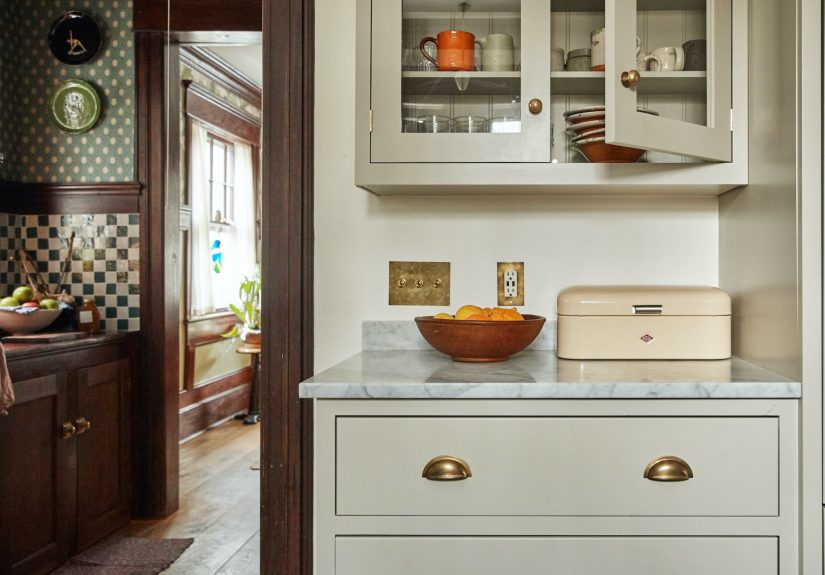
- Coordinate mode: match plates to cabinet hardware (brass with brass, satin nickel with satin nickel).
- Contrast mode: use plates as a deliberate accent (graphite on white tile, unlacquered brass on deep green walls).
Upgrade to screwless plates for instant “custom” energy
Screwless wall plates are the skincare routine of kitchens: the results look effortless, but only because you made a better choice. By hiding visible screws, screwless plates create a clean, architectural lookespecially on tile backsplashes where traditional screw heads can feel visually busy.
Pick the right plate material for the job
Not every material belongs in a splash zone. Here’s what tends to work well in kitchens:
- Metal (stainless, brass, nickel, bronze): durable, elevated, great with hardwarewatch fingerprints on high-polish finishes.
- High-quality polymer (designer-grade): surprisingly sleek, budget-friendly, and available in many colors (especially in screwless styles).
- Ceramic/porcelain: classic and charming, but choose reputable products to avoid chipping and misalignment.
- Wood or stone: gorgeous in theory, but be careful near sinks and cooktops; moisture and heat can be unforgiving.
Outlet and Switch “Formats” That Look Better in Modern Kitchens
Decora (rocker) switches and outlets: the modern default
If your kitchen is getting new lighting and outlets anyway, it’s usually a great time to standardize device style. Decora-style (flat/rectangular) devices look cleaner than old toggle switches and pair well with screwless plates. They also make multi-gang locations feel less cluttered.
Matching devices in coordinated colors (not just “white-ish”)
The old approach was “white outlet, white plate, hope for the best.” The better approach is coordination. Many manufacturers offer devices and plates in curated finish familiesmatte whites, soft grays, graphite, warm neutrals which helps a kitchen feel designed rather than assembled.
“Pop-out” or low-profile outlets for a sleeker wall
Some designer collections offer outlets with a streamlined profile or a pop-out function that sits more flush when not in use. These are especially appealing on a backsplash where you want minimal visual interruption.
Hidden and Countertop Outlets: The Island Problem (and the Stylish Fixes)
Pop-up outlets designed for countertops
Islands are a design showpieceand also a power-hungry work zone. Traditional side-mounted outlets can be visually awkward and can create cord-snags. Many remodelers now choose countertop pop-up outlets or countertop-rated receptacle systems designed to handle spills and meet relevant safety standards. Done well, these keep power accessible without cluttering your cabinet faces.
Under-counter power drawers and appliance garages
Want the “no appliances on the counter” fantasy without giving up your toaster? Consider a power solution inside a drawer or appliance garage. It’s a cleaner look and can reduce the temptation to keep everything plugged in on display. The key is using products intended for the purpose and having a licensed electrician plan circuits appropriately.
Design Pairings That Make Plates and Outlets Look Intentional
Tile backsplash + outlets: how to avoid the “afterthought rectangle”
Backsplashes are where outlets are most likely to look awkward. A few strategies help:
- Plan device locations early so tile cuts are clean and symmetrical.
- Use screwless plates to reduce visual noise on patterned tile.
- Choose a plate finish that echoes either grout (blend-in) or hardware (coordinate).
- Keep multi-gang locations tidy by consolidating switches when feasible and appropriate.
Unlacquered brass: the “living finish” that looks expensive fast
If you love warm metals, unlacquered brass switch plates can look incredibleespecially with soapstone, marble, or muted paint colors. The charm is that it patinas over time, so it looks collected and lived-in rather than shiny-new. The caution: it will change. If that sounds romantic, go for it. If that sounds like chaos, choose a stable satin brass finish instead.
Black and graphite: a modern contrast that behaves like a neutral
Dark plates and devices can disappear against deep paint and add crisp contrast on white walls or tile. They pair beautifully with matte black faucets, industrial lighting, or contemporary cabinetry. If your kitchen leans modern, graphite devices and plates can look more “built-in” than bright white.
Specific Product Categories to Consider (With Real-World Use Cases)
GFCI receptacles (and cleaner ways to integrate them)
GFCI outlets are often required in kitchens, but that doesn’t mean you have to tolerate mismatched buttons everywhere. Options many homeowners consider include:
- Use GFCI protection upstream (depending on your electrical design) so visible countertop receptacles can match other devices.
- Choose “slim” or designer-grade GFCI devices that look less bulky on the wall.
- Place required devices thoughtfully so the most visually prominent spots stay clean.
USB-C/USB outlets: the best place is usually not center stage
USB outlets are useful, but a kitchen backsplash is not always the prettiest place to advertise that you own phones. Consider installing USB-C where you’ll charge devices discreetlyan office nook, a charging drawer, or a side wall near a breakfast area. If you do add them on the backsplash, choose a coordinated finish and a low-profile plate so it reads intentional.
Dimmers and smart controls: make lighting feel custom
Kitchens benefit hugely from layered lighting and dimmers: bright task lighting for cooking, softer ambient light for late-night snacking (the most honest of all snacks). Modern dimmers and smart switches can be paired with screwless plates for a unified look.
Installation Notes: How to Get the “Clean Reveal” Look
Don’t let crooked devices ruin your day
A designer plate on a crooked receptacle is like a tuxedo with untied shoelaces. The fix is usually simple: proper box alignment, careful mounting, and using wall plates designed to hide small gaps. If your walls are textured or your tile is uneven, ask about plates and adapters that help everything sit flush.
Replace old, paint-crusted plates (yes, even if you “barely notice”)
If your remodel includes painting, old plates often end up with paint ridges and gunk that shout “DIY archaeology.” Replacing plates is one of the easiest upgrades you can do for a finished lookespecially with screwless styles.
Safety first: when to call a pro
Swapping decorative plates can be a simple DIY. Replacing outlets and switches, adding GFCI/AFCI protection, or installing countertop receptacle systems is best handledor at least supervisedby a licensed electrician. A kitchen is not the place to freelance your electrical education.
Budget: Where to Spend and Where to Save
Spend on what you touch and see most
If you’re prioritizing, upgrade the backsplash plates and the main switch banks first. That’s where the eye goes and where the “cheap plastic” vibe can sabotage a beautiful remodel.
Save in low-visibility areas
Pantry outlets, utility corners, behind-fridge receptaclesthese can stay practical. You can still keep device style consistent (Decora vs. toggle) without splurging on premium finishes in hidden zones.
Common Mistakes (So You Don’t Accidentally “Un-Remodel” Your Remodel)
- Mismatched whites: a bright white plate on a warm white wall can look like a sticky note you forgot to remove.
- Ignoring sheen: high-gloss plates can look cheap next to matte cabinetry unless it’s a deliberate choice.
- Over-decorating: ornate plates can fight with dramatic stone or patterned tile. Let one thing be the star.
- Forgetting multi-gang moments: a 4-gang switch location needs a plan, not prayers.
- Skipping coordination: if your faucet is matte black and your plates are shiny brass, you’ve created a crossover episode no one asked for.
Conclusion: The Finishing Touch That Makes Your Kitchen Feel Truly “Done”
A redone kitchen isn’t just cabinets and countersit’s the sum of the small decisions that make the space feel calm, cohesive, and easy to use. When you choose appealing switch-plate covers and outlets that match your style and meet modern safety needs, your kitchen looks more polished and works better every day.
So yes, go ahead and obsess over your backsplash tile. But before you declare victory, do one last walkthrough and ask: “Do my outlets look like they belong here?” If the answer is “not really,” congratulationsyou’ve found one of the highest-impact, lowest-drama upgrades in the entire remodel.
Real-World Experiences and Lessons Homeowners Share (Extra Notes)
People rarely start a kitchen remodel thinking, “I can’t wait to pick outlet covers.” They start thinking, “I can’t wait to stop fighting with that sticky drawer.” And yet, once the big pieces are installed, the most common post-remodel comment is some version of: “Why does it still feel slightly unfinished?”
That’s when the outlet epiphany happens. Homeowners often describe the moment they swapped to screwless plates as the instant the kitchen went from “new parts” to “new kitchen.” It’s not magicit’s visual quiet. When you remove visible screws and align devices cleanly, the wall stops looking like a patchwork of components and starts looking like a single, intentional surface.
Another frequent lesson: the backsplash is the courtroom, and outlets are on trial. If you’ve invested in handmade tile, dramatic veining, or a bold pattern, a random plastic plate becomes the loudest thing in the room. Many remodelers report that switching to a plate finish that echoes cabinet hardware (or matching the wall color for a blend-in look) makes the backsplash feel uninterruptedlike the tile can finally do what you hired it to do: look gorgeous without distractions.
People also learnsometimes the hard waythat “matching” isn’t just a color story; it’s a sheen story. A glossy white plate on matte painted walls can catch light and pull focus. Likewise, a shiny chrome plate can feel out of sync next to satin nickel pulls. The shared wisdom: when in doubt, go satin or matte. It tends to read more modern, hides fingerprints better, and behaves like a quiet supporting character.
Then there’s the charging reality check. Many homeowners add USB outlets expecting a life of perfectly charged devices and orderly counters. In practice, they sometimes realize the backsplash isn’t the best charging stationcords drape, phones pile up, and suddenly the kitchen looks like a tech support desk. The more satisfied remodel stories usually place USB charging in a drawer, a pantry niche, or a small “landing zone” near the kitchen rather than smack in the middle of the prettiest tile run. In other words: charge devices where you live, not where you take photos.
Island outlets inspire the most debate. Homeowners love the clean look of an island with no visible devicesand then remember they actually use the island for mixers, blenders, laptops, homework, and the occasional “I’ll just plug in here for a second” moment that turns into three hours. People who plan island power early (especially with countertop-rated solutions designed for spills) report fewer regrets than those who treat it as an afterthought. The common refrain is: “I didn’t want to see outlets… until I needed one.”
Finally, there’s a practical experience that comes up repeatedly: alignment matters more than price. You can buy premium devices and plates, but if the receptacle is slightly tilted, the cover plate doesn’t sit flush, or the tile cut is uneven, your eye will notice every time. Homeowners who feel happiest with the final result often describe a simple finishing routine: straighten devices, use plates that hide minor wall gaps, and do a last pass to make sure every switch bank looks crisp and consistent. It’s the kind of detail work that’s easy to skip when you’re exhausted from remodelingbut it’s also the part that makes your kitchen feel professionally finished.
So if you’re at the end of a remodel (or planning one), here’s the experience-based cheat code: pick a device style (usually Decora), choose a finish strategy (blend, coordinate, or contrast), upgrade the backsplash plates first, and treat alignment like it’s part of the design. Your future selfstanding in the kitchen at midnight, eating cheese directly from the fridgewill appreciate the calm, polished view.