Table of Contents >> Show >> Hide
- What Is Road Salt, and Why Do We Use So Much of It?
- How Road Salt Gets Into Drinking Water
- Why Chloride Is Such a Big Environmental Problem
- Road Salt Does Not Stop at Water
- The Hidden Link Between Road Salt and Lead
- Why More Salt Is Not Always Safer
- Real-World Examples Show the Problem Is Growing
- What About Alternatives to Road Salt?
- What Cities and States Can Do
- What Homeowners and Businesses Can Do
- Balancing Safety and Environmental Responsibility
- Experience-Based Reflections: What Road Salt Looks Like in Everyday Life
- Conclusion
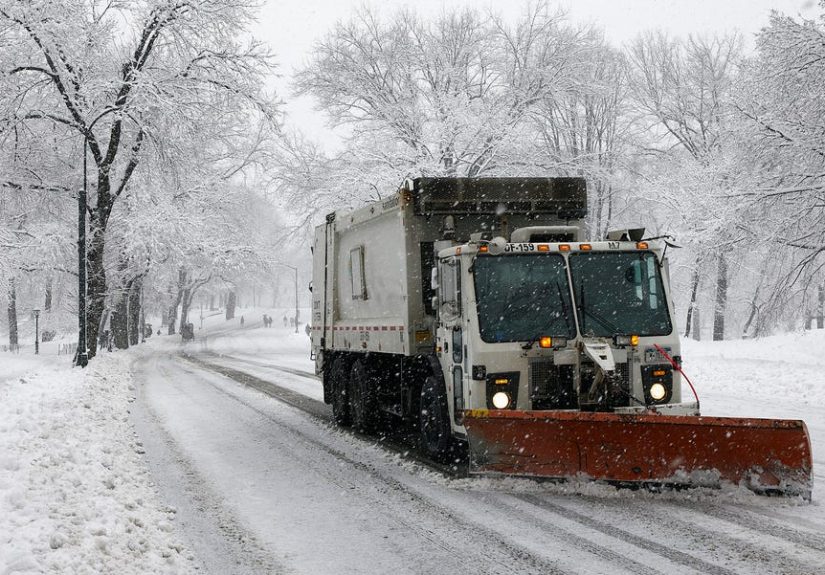
Every winter, Americans perform the same chilly ritual: snow falls, roads freeze, and crews spread road salt like they are seasoning the world’s largest baked potato. For drivers, salt can feel like a hero. It melts ice, improves traction, and helps keep highways, sidewalks, parking lots, and driveways from turning into skating rinks with tax bills.
But here is the problem: road salt does not politely disappear when winter ends. It dissolves, travels with melting snow and stormwater, seeps into soil, runs into streams, settles into lakes, and slips into groundwater. Once chloride gets into water, it is stubborn. It does not break down like leaves, oil residues, or yesterday’s bad decisions. It lingers, accumulates, and quietly changes freshwater systems from the inside out.
The result is a growing environmental headache across the United States. Road salt pollution is affecting drinking water, aquatic life, roadside trees, bridges, vehicles, plumbing, and entire watersheds. It is a classic modern problem: the tool that keeps us safe in the short term can create expensive, long-term consequences when used too heavily.
What Is Road Salt, and Why Do We Use So Much of It?
Most road salt is sodium chloride, the same basic chemical compound as table salt. The difference is that road salt is chunkier, less refined, and definitely not invited to dinner. It works by lowering the freezing point of water, helping melt ice and prevent new ice from bonding tightly to pavement.
In cold-weather states, road salt is used by state transportation departments, city crews, private plow operators, businesses, schools, homeowners, and anyone who has ever looked at a slippery driveway and thought, “Not today, gravity.” Salt is affordable, easy to store, simple to apply, and effective under many winter conditions.
That convenience explains why it became the default winter-maintenance tool. However, “default” does not always mean “harmless.” Road salt application in the United States has increased dramatically over the decades, and many freshwater systems are now showing the salty fingerprints of winter maintenance long after the snow has melted.
How Road Salt Gets Into Drinking Water
When salt is spread on roads, parking lots, and sidewalks, it eventually dissolves into salty runoff. That brine flows into storm drains, ditches, streams, wetlands, lakes, and soil. Some of it travels downward into groundwater, which supplies many public water systems and private wells.
This is where the drinking water problem begins. Sodium and chloride can move through the environment with surprising ease. Chloride is especially mobile in water, which means it does not stick neatly to soil or vanish through natural treatment. Once it reaches groundwater, it may remain there for years or even decades.
For households using private wells, elevated sodium and chloride can change the taste of water, increase corrosion risk, and create concerns for people on sodium-restricted diets. For public water utilities, salt contamination can be difficult and costly to manage because standard drinking water treatment does not easily remove dissolved salts. Reverse osmosis can remove salt, but it is expensive, energy-intensive, and not exactly something every town can casually install like a new coffee machine.
Why Chloride Is Such a Big Environmental Problem
Freshwater ecosystems are called “fresh” for a reason. Fish, amphibians, insects, plankton, plants, and microorganisms are adapted to water with low salt levels. When chloride concentrations rise, those organisms can become stressed or die. Even when the levels are not immediately lethal, salt can reduce reproduction, alter food webs, and favor salt-tolerant species over native freshwater life.
In lakes, chloride can also interfere with natural mixing. Normally, many lakes mix seasonally, bringing oxygen-rich water downward and nutrients upward. When dense salty water sinks, it can disrupt that process. The lake may become more stratified, oxygen levels may drop in deeper zones, and aquatic habitats can degrade. In other words, road salt can turn a lake’s natural rhythm into a poorly tuned orchestra.
Wetlands and small streams are especially vulnerable because they often receive direct runoff from nearby roads. After a winter storm or spring thaw, chloride spikes can hit aquatic organisms at exactly the wrong time. For creatures that cannot pack a suitcase and move upstream, salty pulses can be brutal.
Road Salt Does Not Stop at Water
The damage is not limited to rivers, lakes, and drinking water. Road salt also affects soil chemistry. Sodium can displace important nutrients in soil, making it harder for plants to absorb what they need. Chloride can be taken up through roots or splashed onto leaves and needles by passing vehicles.
That is why roadside vegetation often looks like it lost an argument with winter. Brown pine needles, damaged shrubs, patchy grass, and struggling street trees can all be signs of salt stress. In urban areas, where trees already deal with compacted soil, limited root space, heat, drought, and enthusiastic dog traffic, road salt adds one more insult to the injury list.
Salt also corrodes vehicles, bridges, guardrails, concrete, and metal infrastructure. Anyone who has owned a car in the Midwest or Northeast knows the slow tragedy of rust. It starts quietly, then one day your vehicle has the structural confidence of a cracker. Municipalities also pay for salt damage through bridge repairs, pavement deterioration, and pipe corrosion.
The Hidden Link Between Road Salt and Lead
One of the most concerning issues is corrosion. Saltier water can become more corrosive, especially when chloride levels rise. Corrosive water can interact with plumbing materials and increase the release of metals such as lead or copper from pipes and fixtures.
This does not mean every salty water source automatically contains lead. The risk depends on water chemistry, plumbing materials, treatment practices, and local infrastructure. But the relationship matters because many communities are already trying to reduce lead exposure. Adding more chloride to water systems makes that job harder, not easier.
For homeowners with older plumbing, private wells, or water that suddenly tastes salty or metallic, testing is a smart move. Water problems are easier to understand when they are measured, not guessed. Your taste buds are useful, but they are not a certified laboratory.
Why More Salt Is Not Always Safer
Many people assume that if a little salt helps, a lot of salt must help more. This is the winter version of “more hot sauce fixes everything.” Unfortunately, salt has limits. Once enough salt is applied to melt the available ice under the right conditions, extra salt may simply bounce, scatter, or wash away.
Temperature also matters. Traditional sodium chloride becomes less effective as pavement gets much colder. When crews or property owners apply salt in conditions where it will not work well, they may be wasting money and increasing pollution without improving safety.
Smart winter maintenance focuses on timing, calibration, pavement temperature, weather forecasts, and the right amount of material. Anti-icing, which means applying brine before storms, can prevent ice from bonding to pavement and reduce total salt use. Pre-wetting salt can help it stick to the surface instead of bouncing into gutters. Better equipment can apply material more evenly. Training can help operators avoid the “dump and pray” method, which is not a strategy so much as a salty shrug.
Real-World Examples Show the Problem Is Growing
Across the northern United States, researchers and agencies have documented rising chloride levels in streams, lakes, and groundwater. In New Hampshire, road salt has been linked to concerns in private wells and public water supplies. In Minnesota and Wisconsin, agencies warn that chloride pollution threatens fish, aquatic insects, amphibians, groundwater, and lakes. In parts of New York, salt has become a concern for reservoirs that supply drinking water.
These are not isolated “somewhere else” problems. They are signs of a broader freshwater salinization trend. When roads, parking lots, sidewalks, and driveways are salted year after year, watersheds can slowly accumulate chloride. The effects may be invisible at first, but water-quality data can reveal a long-term climb.
The tricky part is that road salt pollution often feels delayed. Salt applied in January may affect a stream in March, a wetland in April, or groundwater years later. That lag makes the problem easy to ignore until it becomes expensive.
What About Alternatives to Road Salt?
There is no perfect deicer. Calcium chloride and magnesium chloride can work at lower temperatures than sodium chloride, but they still add chloride to the environment. Sand can improve traction, but it does not melt ice and can clog storm drains or add sediment to waterways. Organic additives such as beet juice, cheese brine, or agricultural byproducts can help reduce salt use in some situations, but they must be managed carefully because they can add nutrients or organic matter to water.
The best solution is usually not replacing salt with one magical substance. It is using less salt more intelligently. Communities can combine better forecasting, brine application, calibrated spreaders, operator training, improved storage, targeted plowing, and public education. The goal is not to make winter roads unsafe. The goal is to stop wasting salt where it does little good and causes lasting harm.
What Cities and States Can Do
Train Winter Maintenance Crews
Training helps public works teams and private contractors understand application rates, pavement temperature, storm timing, and equipment calibration. A trained operator can often reduce salt use while maintaining safety. That is a win for budgets, roads, and waterways.
Use Brine Before Storms
Anti-icing with brine can reduce the amount of salt needed after snow begins. Brine sticks better to pavement than dry salt and can prevent ice from bonding strongly to the surface. Those white lines you see on highways before storms are not road graffiti; they are prevention in action.
Store Salt Properly
Salt piles should be covered and placed on impermeable surfaces where runoff can be contained. Poorly managed salt storage can create concentrated pollution hotspots that leak into nearby soil and water.
Monitor Water Quality
Communities need chloride data from streams, lakes, groundwater, and wells. Monitoring shows where the problem is getting worse, which watersheds are most vulnerable, and whether salt-reduction programs are actually working.
Protect Drinking Water Sources
Road salt management should be part of wellhead protection and watershed planning. If a public well or reservoir is already showing rising chloride or sodium levels, reducing salt use nearby is far cheaper than trying to remove salt later.
What Homeowners and Businesses Can Do
Homeowners and businesses may not control state highways, but they do control sidewalks, driveways, steps, and parking lots. Small changes add up, especially in dense neighborhoods where every property seems to be auditioning for “America’s Saltiest Walkway.”
First, shovel early and often. Salt works best when there is less snow and ice to handle. If you remove snow before it gets packed down, you need less deicer. Second, use salt sparingly. A common mistake is spreading it until the pavement looks like a pretzel. Scattered grains with space between them are usually enough for small surfaces.
Third, sweep up leftover salt after ice melts. If salt is still visible, it can often be reused instead of washed into storm drains. Fourth, check the temperature. If it is too cold for sodium chloride to work well, dumping more may not help. Fifth, redirect downspouts and meltwater away from paved areas when possible so water does not refreeze and require repeated salting.
Balancing Safety and Environmental Responsibility
It is important to be realistic: road salt saves lives by reducing crashes and falls. Nobody wants icy highways, unsafe sidewalks, or emergency rooms filled with people who discovered black ice the hard way. The solution is not to ban all salt tomorrow and hope everyone learns figure skating.
The better path is balance. Use salt where it is needed, in the right amount, at the right time, with the right equipment. Reduce unnecessary applications. Prioritize sensitive watersheds. Train crews. Educate property owners. Test wells. Improve product labeling. And treat freshwater like the precious resource it is, not like an endless drain for winter leftovers.
Road salt pollution is solvable because much of it comes from human behavior, not mystery. We know where salt is applied. We know how it moves. We know it accumulates. We know better practices can reduce waste. The challenge is turning knowledge into habits before more drinking water sources, streams, and lakes become saltier than they should ever be.
Experience-Based Reflections: What Road Salt Looks Like in Everyday Life
You do not need to be a hydrologist to notice the story road salt tells. Walk through a northern neighborhood in late winter and the clues are everywhere. There are chalky white stains on sidewalks, crusty rings around storm drains, brown grass along curbs, and cars wearing a gray film that makes them look like they lost a fight with a flour bag. The environment is leaving little notes. We just do not always read them.
One of the most common experiences is the over-salted sidewalk. You step outside after a small dusting of snow and see a storefront entrance covered in so much salt it crunches like breakfast cereal. The ice is gone, yes, but half the salt remains. When the next thaw arrives, that extra salt washes into the street and down the storm drain. From there, it may move straight into a local creek without the kind of treatment people imagine happens automatically. Storm drains are not magical purification tunnels. Most are express lanes to nearby water.
Another everyday sign is roadside plant damage. In spring, trees and shrubs near busy roads often leaf out unevenly or show brown edges. Grass along sidewalks can look burned. Some homeowners blame winter cold, but salt may be the real culprit. The splash zone beside roads is harsh. Passing vehicles spray salty slush onto bark, branches, and soil. Plants then face dehydration stress even when water is present, because salty soil makes it harder for roots to take up moisture.
Drivers experience the problem through rust. Salt clings to wheel wells, brake lines, frames, and undercarriages. Regular car washes help, but corrosion still costs real money. That rusty fender is more than cosmetic; it is a reminder that road salt is chemically active. If it can chew through metal, it deserves respect when it enters pipes, bridges, and water systems.
Private well owners may experience salt pollution in a more personal way. Water can begin tasting salty, or test results may show elevated sodium or chloride. For families used to thinking of groundwater as pure and protected, that can be unsettling. The contamination may not come from one dramatic spill. It may come from years of routine winter maintenance across roads, driveways, and parking lots in the same watershed.
The most practical lesson from these experiences is simple: less waste matters. Shovel before snow compacts. Use a cup or spreader instead of tossing handfuls randomly. Leave space between salt grains. Sweep up what remains. Hire winter contractors who follow salt-smart practices. Ask local officials whether spreaders are calibrated and whether brine or anti-icing is being used. These actions may sound small, but freshwater protection is often built from boring habits repeated consistently. That is not glamorous, but neither is paying for polluted wells, damaged bridges, dying streams, and rusty cars.
Road salt is not evil. It is a useful tool that has been overused because it is cheap, familiar, and easy. The next chapter should not be panic; it should be precision. A safer winter and cleaner water can exist together, but only if we stop treating salt like confetti and start treating it like the powerful chemical it is.
Conclusion
Road salt has helped make winter travel safer, but its environmental bill is coming due. Chloride from deicing salt is moving into groundwater, streams, lakes, wetlands, and drinking water sources across the United States. It harms aquatic life, stresses plants, corrodes infrastructure, complicates water treatment, and can linger for years. The good news is that smarter salt use can reduce damage without sacrificing safety.
Communities, businesses, and homeowners all have a role to play. Better training, brining, calibrated equipment, careful storage, water monitoring, and simple home practices can cut waste dramatically. Winter will always be slippery. But our response does not have to be reckless. The goal is not salt-free roads at any cost; it is safe roads, clean water, and enough common sense to know that the planet does not need to be seasoned every time snow falls.