Table of Contents >> Show >> Hide
- What Is Lily Of The Desert Aloe Vera Gel?
- What Makes Lily Of The Desert Different?
- Ingredients, Texture, and Taste
- Claimed Benefits vs. Realistic Expectations
- How to Use Lily Of The Desert Aloe Vera Gel
- Who Will Probably Like This Product?
- Who Should Be Cautious?
- Lily Of The Desert Aloe Vera Gel vs. 99% Aloe Vera Gelly
- Is Lily Of The Desert Aloe Vera Gel Worth Buying?
- Everyday Experiences With Lily Of The Desert Aloe Vera Gel
- Final Thoughts
If aloe vera had a publicist, it would be having an excellent year. It shows up in wellness routines, kitchen cabinets, gym bags, and the kind of “I’m trying to be healthier without becoming unbearable about it” shopping carts that include herbal tea, Greek yogurt, and maybe a moral crisis over granola prices. Among the many aloe products on the market, Lily Of The Desert Aloe Vera Gel stands out because it is not trying to be everything at once. It is a focused aloe product line built around drinkable wellness gels, with a separate topical product for skin care, and that distinction matters more than people think.
This article takes a close, practical look at what Lily Of The Desert Aloe Vera Gel is, how it fits into a daily routine, what makes it different from the brand’s topical aloe gelly, and why so many shoppers keep coming back to it. We will also break down the ingredients, taste, texture, certifications, usage tips, and realistic expectations. Because aloe may be trendy, but your stomach still deserves facts.
What Is Lily Of The Desert Aloe Vera Gel?
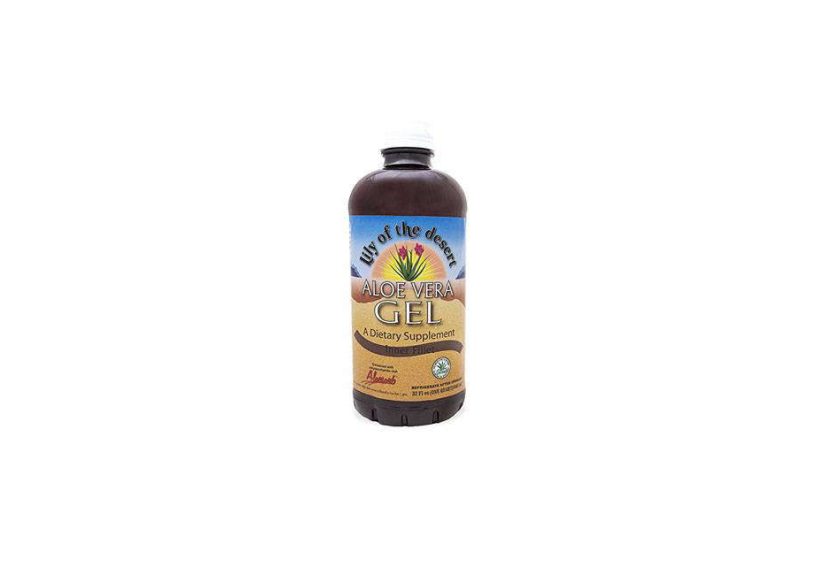
Lily Of The Desert Aloe Vera Gel is a drinkable aloe vera supplement sold in several versions, including Whole Leaf, Inner Fillet, and a newer Organic Aloe Gel blend. The company also sells a separate topical product called 99% Aloe Vera Gelly, which is meant for skin and hair care. That means the phrase “Lily Of The Desert Aloe Vera Gel” can refer to a wellness drink, not just a soothing after-sun product.
This is where many shoppers do a double take. The word “gel” often sounds like something you would squeeze onto a sunburn, but Lily Of The Desert uses the term for a thicker, drinkable aloe product with a texture that sits between juice and syrup. In other words, this is less beach bag and more kitchen counter.
The brand has been in the aloe business for decades, and one of its core selling points is process control. Lily Of The Desert emphasizes that it grows, processes, and bottles aloe with a quality-first approach, rather than treating aloe like a mystery green liquid that appeared in a warehouse one day. In a category where quality can vary wildly, that kind of positioning matters.
What Makes Lily Of The Desert Different?
1. It offers more than one kind of drinkable aloe gel
Not all aloe products are built the same, and Lily Of The Desert does not pretend otherwise. The brand separates its drinkable aloe gels into different formulations for different preferences.
- Whole Leaf Aloe Vera Gel is generally presented as the broader-spectrum option. It includes more of the plant after filtration and is often described as the more robust formula.
- Inner Fillet Aloe Vera Gel focuses on the inner fillet portion of the aloe leaf and is typically described as milder in taste.
- Organic Aloe Gel blends whole leaf and inner fillet aloe for a full-spectrum approach, with a syrupy texture and preservative-free formula.
That lineup is useful because aloe shoppers are not all looking for the same thing. Some want a gentler taste. Some want the broader whole-leaf profile. Some want organic. Lily Of The Desert basically says, “Why choose confusion when you can choose a label that makes sense?”
2. Certifications do a lot of the heavy lifting
One of the strongest selling points behind Lily Of The Desert Aloe Vera Gel is its emphasis on IASC certification. The International Aloe Science Council certification program is important in the aloe category because it is designed to verify aloe content, purity, and labeling standards. When a brand highlights IASC certification, it is signaling that the aloe inside the bottle has been reviewed against established quality standards rather than left to the honor system.
Lily Of The Desert also highlights organic certification for some formulas, kosher certification, and U.S.-based manufacturing details. On the surface, that may sound like dry packaging language. In reality, it is what separates a serious product from a bottle that mostly contains marketing and optimism.
3. The brand leans hard into its proprietary process
Lily Of The Desert frequently references Aloesorb, its proprietary aloe polysaccharide-rich ingredient or process that it says enhances absorption and supports digestive and immune wellness. Whether you view that as a compelling innovation or a very well-dressed branding term, it is clearly central to the company’s identity. For shoppers who like brands with a clear “why us” story, Lily Of The Desert definitely has one.
Ingredients, Texture, and Taste
The exact formula depends on which bottle you buy. That is an important detail because people often assume every aloe gel on the shelf is the same. It is not.
The Whole Leaf Aloe Vera Gel is marketed as a high-aloe formula with no water added. The Organic Aloe Gel is promoted as roughly 99.7% certified organically grown aloe and uses thickening agents like locust bean gum and xanthan gum for a smoother, syrupy texture. Retailer listings for the Inner Fillet Aloe Vera Gel show a simpler formula that may include aloe vera, citric acid as a pH stabilizer, and potassium sorbate, with dosage instructions centered around 2-ounce servings.
In plain English, here is what that means:
- Texture: Thicker than aloe juice, but still pourable.
- Taste: Mild, plant-like, slightly tart depending on the formula, and usually easier to handle when chilled.
- Serving style: Most people take it straight, mix it into juice, or add it to smoothies.
This is not a dessert gel, despite the name. Nobody is spooning it into a crystal bowl and serving it after dinner. It is a functional drinkable supplement, and it behaves like one.
Claimed Benefits vs. Realistic Expectations
Lily Of The Desert positions its aloe gels around support for digestion, nutrient absorption, immune wellness, hydration balance, and skin health. Those are broad wellness categories, and the company backs much of its messaging with internal and brand-linked clinical material about aloe polysaccharides, antioxidant support, and absorption.
That said, a smart reader should separate supportive wellness language from miracle-product fantasy. Aloe vera is interesting, and topical aloe gel is generally considered well tolerated. Oral aloe gel may also be appropriate for short-term use in some people, but that does not mean every bottle of aloe is a magic potion, and it definitely does not mean more is always better.
A practical expectation for Lily Of The Desert Aloe Vera Gel is this: it may fit well into a wellness routine for people who like digestive-support products, want a mild daily supplement, or prefer plant-based formulas with third-party aloe certification. A less practical expectation would be assuming one bottle is about to reorganize your life, your stress levels, and your email inbox.
How to Use Lily Of The Desert Aloe Vera Gel
Serving guidance can vary slightly by formula, but the general usage pattern is simple. Many Lily Of The Desert aloe gels are taken in 2-ounce servings, with some product guidance suggesting up to 8 ounces daily. The brand also notes that taking aloe around 15 to 30 minutes before meals may be preferable for those specifically using it as part of a digestive routine.
Simple ways people use it
- Take 2 ounces in the morning before breakfast.
- Mix it with orange juice or another favorite juice to soften the taste.
- Add it to a smoothie with pineapple, cucumber, or berries.
- Keep it cold for a better texture and easier sip.
Storage matters, too. Most versions should be refrigerated after opening. Chilling also improves the experience because aloe gel tastes much better when cold. Room-temperature aloe has a personality. Cold aloe has manners.
Who Will Probably Like This Product?
Lily Of The Desert Aloe Vera Gel may appeal most to a few specific types of shoppers:
The routine lover
If you enjoy having a morning ritual that makes you feel like you have your life together, this fits nicely. A small daily serving is easy to repeat, and repeatability is half the battle in wellness.
The label reader
If you care about certifications, purity, organic sourcing, and knowing whether a product is whole leaf or inner fillet, this brand gives you more detail than many competitors.
The aloe-curious buyer who wants a recognized name
There are many aloe products online, and some look like they were designed by a committee of limes. Lily Of The Desert has stronger brand recognition in the aloe space, which can make first-time buyers more comfortable.
Who Should Be Cautious?
Even though aloe gel is generally considered well tolerated in many situations, caution still makes sense. Aloe products are not a free pass to ignore common sense. Some aloe-related products can cause digestive upset, and aloe latex is a different matter entirely and should not be confused with purified oral aloe gel products.
If you have a sensitive digestive system, a history of reactions to aloe, or questions about how aloe fits with your personal health situation, it is wise to ask a healthcare professional before making it a daily habit. That is not a dramatic warning. It is just mature behavior, which is sadly less common than it should be in the supplement aisle.
Lily Of The Desert Aloe Vera Gel vs. 99% Aloe Vera Gelly
This comparison deserves its own section because many people mix these up.
Lily Of The Desert Aloe Vera Gel
- Drinkable wellness product
- Used in measured servings
- Marketed for digestion, absorption support, and whole-body wellness
- Sold in Whole Leaf, Inner Fillet, and Organic blend versions
Lily Of The Desert 99% Aloe Vera Gelly
- Topical product
- Applied to skin and hair
- Often used as a soothing moisturizer or after-sun product
- Not the same thing as the drinkable gel
If the bottle is headed to your kitchen, you want the drinkable gel. If it is headed to your bathroom cabinet, you probably want the gelly. If it is headed to both places, pause and read the label again.
Is Lily Of The Desert Aloe Vera Gel Worth Buying?
For the right buyer, yes. The strongest case for the product is not hype. It is clarity. The brand offers distinct aloe options, leans into certification, provides serving guidance, and has enough market presence that you can compare listings across major retailers instead of gambling on a random bottle with a suspiciously tropical label.
It is especially appealing if you want:
- a drinkable aloe product from a long-running aloe-focused brand,
- clear distinctions between whole leaf and inner fillet formulas,
- organic and certified options,
- a product that can fit into a steady daily routine.
It may be less appealing if you dislike thick textures, expect instant dramatic results, or simply prefer a standard aloe juice over a gel consistency. And if you were really shopping for a topical aloe product, you may need the gelly instead.
Everyday Experiences With Lily Of The Desert Aloe Vera Gel
One of the most interesting things about Lily Of The Desert Aloe Vera Gel is how ordinary the best experiences with it tend to be. Not boring, exactly. More like quietly useful. This is not the kind of product people usually describe with fireworks and dramatic before-and-after music. Instead, the most believable experiences sound like this: “I started taking a small serving in the morning, kept doing it, and it became one of those habits I actually maintained.” In the supplement world, that is practically a standing ovation.
Many people who enjoy the product seem to build it into a predictable routine. A common pattern is taking 2 ounces before breakfast, usually chilled, sometimes straight from a shot glass, and sometimes mixed into juice. The appeal here is convenience. You do not need a shaker bottle, a blender, a twelve-step protocol, or the emotional resilience required by some powdered wellness drinks. You open the bottle, pour a little, drink it, and continue with your life. That simplicity is part of the charm.
Texture is one of the first things users notice. If someone is expecting a thin juice, the gel can feel a little surprising on day one. Not bad, just thicker, more substantial, and a little more “wellness potion” than “refreshing beverage.” Chilling it usually improves the experience. In fact, plenty of people seem to prefer it cold because the texture feels smoother and the flavor comes across cleaner. Warm aloe gel is not a crime, but it does not exactly inspire poetry.
There is also a noticeable difference in preference between the Whole Leaf and Inner Fillet versions. People who want a milder taste often gravitate toward Inner Fillet. People who want the broader whole-leaf profile often choose that version and stick with it because they feel like they are getting a more comprehensive aloe experience. Then there are the shoppers who see the word organic and decide that is their lane forever. Once someone finds the version that matches their taste and routine, loyalty tends to follow.
Another recurring experience is that people use Lily Of The Desert Aloe Vera Gel as a “supporting actor” product rather than the star of the show. It sits beside breakfast, supplements, hydration goals, or a general digestive-wellness routine. It is often not the only thing someone is doing for wellness, but it becomes one of the things they do consistently. That matters. Products that are easy to live with tend to outlast products that are theoretically impressive but annoying in real life.
Then there is the confusion factor, which is honestly part of the aloe experience. First-time buyers sometimes expect the drinkable gel to behave like the topical gelly, or vice versa. Once they understand the difference, the experience becomes much smoother. The kitchen bottle stays in the fridge, the skin-care bottle stays in the bathroom, and peace is restored to the household. Or at least to the shelf space.
Overall, the real-world experience with Lily Of The Desert Aloe Vera Gel is less about drama and more about fit. If it suits your taste, your routine, and your expectations, it can become one of those low-effort wellness staples that quietly earns its place. And honestly, that may be the best compliment any supplement can get.
Final Thoughts
Lily Of The Desert Aloe Vera Gel succeeds because it gives shoppers something many wellness products do not: a clear identity. It is a drinkable aloe gel with distinct formula options, meaningful certification signals, and straightforward serving guidance. It also comes from a brand that understands aloe well enough to separate ingestible wellness products from topical skin-care products, which should not be a rare talent, but here we are.
If you want a practical aloe supplement from a recognizable brand, this product line deserves a serious look. Just go in with smart expectations, choose the formula that matches your needs, keep it refrigerated after opening, and remember that the best wellness habits are often the ones that are simple enough to keep doing next Tuesday.